

Best Time to Visit Ise (2026): A Season-by-Season Guide
Plan your trip with this 2026 guide to the best time to visit Ise — season-by-season weather, Meoto Iwa sunrise windows, crowds, and top festivals.
On this page
Ise holds Japan's most sacred Shinto ground, anchored by Ise Jingu's Naiku and Geku and the sea-facing Meoto Iwa Wedded Rocks at Futami. What makes the timing question here sharper than in most Japanese cities is the swing between extremes: three million pilgrims arrive for New Year hatsumode on January 1–3, while the Meoto Iwa sunrise only aligns between the sacred rocks from May through July. Choose the wrong month and you are either battling the largest crowds in Japan or sweating through typhoon season.
This guide breaks down every season at Ise so you can match your visit to what matters most — whether that is spring cherry blossoms along Oharaimachi, the iconic sunrise shot, autumn foliage on the forested approach to Naiku, or a quiet winter pilgrimage. All crowd, weather, and access details have been refreshed for 2026. For a full list of what to see and do once you arrive, our Ise attractions guide covers every main site with prices and hours.
Last updated June 2026.
Key Takeaways
- Best overall months: October and November — mild temperatures (16–22 °C), autumn foliage on the Naiku cedar approach, no typhoon risk.
- Meoto Iwa sunrise window: May through July, when the rising sun aligns between the two sacred rocks at Futaminoura — worth an early alarm.
- New Year hatsumode (January 1–3): approximately three million visitors descend on Ise Jingu — extraordinary atmosphere, but book Kintetsu seats months ahead.
- Spring cherry blossoms: late March to early April along Oharaimachi and the forested Naiku precincts.
- Summer caution: July–August regularly exceeds 32 °C with high humidity; typhoons track through Mie Prefecture in August and September.
- Sengu cycle context: Ise Jingu's sanctuaries are ritually rebuilt every 20 years — last 2013, next 2033.
Best Months to Visit Ise: Quick Answer
For most travelers, October and November are the best months to visit Ise. Temperatures settle between 16 and 22 °C, the cedar forest lining the inner approach to Naiku turns gold and copper, and the summer crowds have thinned. The close runner-up is May through June, when the sunrise aligns between the Meoto Iwa rocks at Futami and late-April cherry blossoms are still finishing. Both windows avoid typhoon season, hatsumode overcrowding, and the worst of summer humidity — the three biggest friction points for an Ise visit in 2026.
Spring in Ise (March to May)
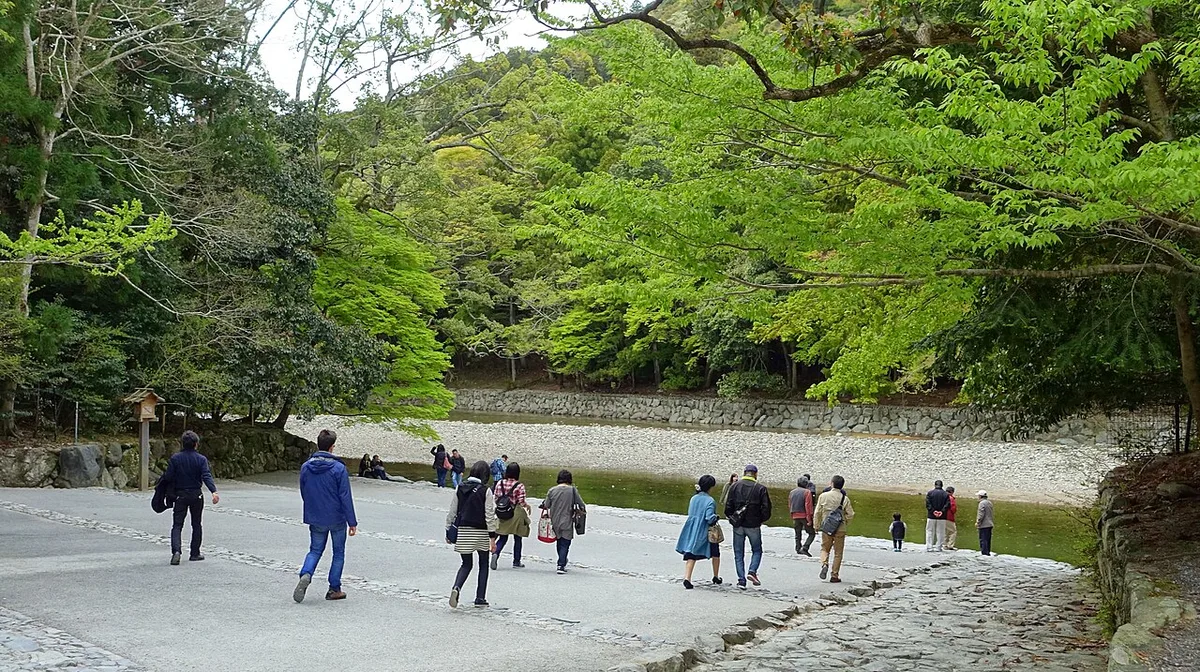
Cherry blossoms reach the Naiku precincts and Oharaimachi's 800-metre stone-paved street in late March to early April, typically peaking in the first week of April. The walk from Uji Bridge through the ancient cedar forest to the inner sanctuary feels especially atmospheric when petals drift across the gravel. Temperatures range from 10 to 18 °C, making the long walking routes between Geku and Naiku comfortable without the burden of summer heat.
May is when the Meoto Iwa Wedded Rocks at Futami come into their own. From roughly May through July, the rising sun passes between the two shimenawa-roped rocks when viewed from Futaminoura beach at Futami Okitama Shrine. The route is straightforward: 15 minutes by JR from Ise-shi Station to Futaminoura Station, then a 15-minute walk to the shore. Entry is free. Note that Golden Week (late April to early May) brings heavy domestic crowds — book your Kintetsu seat well in advance for that window.
Summer in Ise (June to August)
June retains the Meoto Iwa sunrise window and sits just before the worst of the humidity, making it the best month within the summer bloc for most visitors. By July, temperatures regularly exceed 32 °C with high relative humidity. Ise Jingu's inner precincts open at 5:00 AM in summer, and an early-morning visit to Naiku — reached by bus from Ise-shi or Ujiyamada Station in around 15–20 minutes — is significantly more comfortable than an afternoon arrival when the sun beats down on the open approaches near Uji Bridge.
August brings peak domestic school-holiday crowds alongside the start of typhoon season. Mie Prefecture lies in a frequently tracked typhoon corridor, and when a storm approaches, the coastal Meoto Iwa site and the open seafront at Futami Okitama Shrine can become inaccessible. Always check forecasts two to three days ahead in August and September and build in flexibility.
On balance, summer is not the ideal window, but June works well for travelers whose primary goal is the Meoto Iwa sunrise. If you do visit in July or August, the evening atmosphere on Oharaimachi — with Akafuku Honten's famous red-bean mochi (established 1707) — is pleasant once the sun drops.
Autumn in Ise: Best Overall Season (September to November)
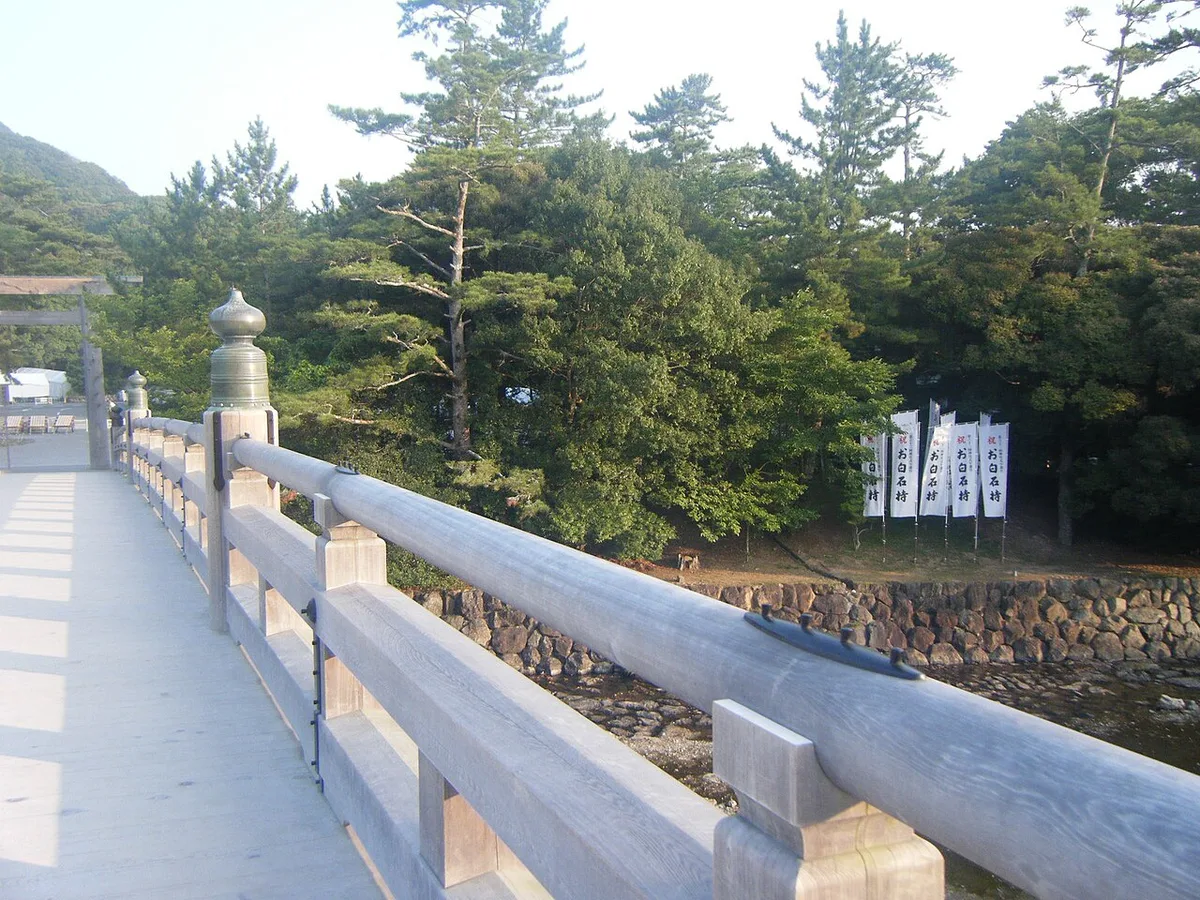
September still carries residual humidity and occasional typhoons, but by mid-October the air genuinely shifts. The forested cedar approach to Naiku — unique among major Japanese shrines for its scale and unbroken canopy — reaches peak autumn color in late October and early November. Walking the inner precinct on a crisp November morning, when low sunlight filters through the cedars onto the pale gravel, is one of the most memorable experiences in any Japan itinerary.
Autumn is also prime season for Ise-ebi (spiny lobster) and oysters along the Mie coast. Restaurants in Toba, 15–20 minutes east of Ise by Kintetsu or JR, open oyster grilling huts from October through March. Adding a Toba seafood lunch after a Naiku morning is one of the most satisfying one-day combinations in the Nagoya day-trip orbit. Weekday visits in November hit the sweet spot: peak foliage, manageable visitor numbers, and short queues along Oharaimachi's Okage Yokocho block.
Winter and New Year Hatsumode (December to February)
December is quiet and cold (8–12 °C), well suited to a contemplative visit. The muted winter light inside Naiku's cedar precinct amplifies the sanctity that makes Ise Jingu Japan's most revered Shinto site. Crowds are minimal, and the custom — Geku first, then the 5 km bus journey to Naiku — flows without friction.
January 1–3 is an entirely different proposition. Ise Jingu draws approximately three million worshippers for hatsumode — the year's first shrine visit — making it one of the most visited sites in Japan over those three days. Queues at Naiku can stretch for hours, Kintetsu Limited Express trains sell out days in advance, and shuttle buses run on compressed holiday schedules. If you want to witness the scale of Japan's New Year pilgrimage culture at its most concentrated, Ise in early January is unmatched. If you want a quiet visit, avoid January 1–3 and consider December 28–30 or January 4 onward instead.
Kintetsu and JR trains to Ise-shi and Ujiyamada fill weeks before January 1. Book seat reservations as soon as they open (typically early December) if you plan a hatsumode visit. Return trains on January 3 are equally congested — factor that into your planning before committing.
Ise Festival Calendar and the Sengu Cycle
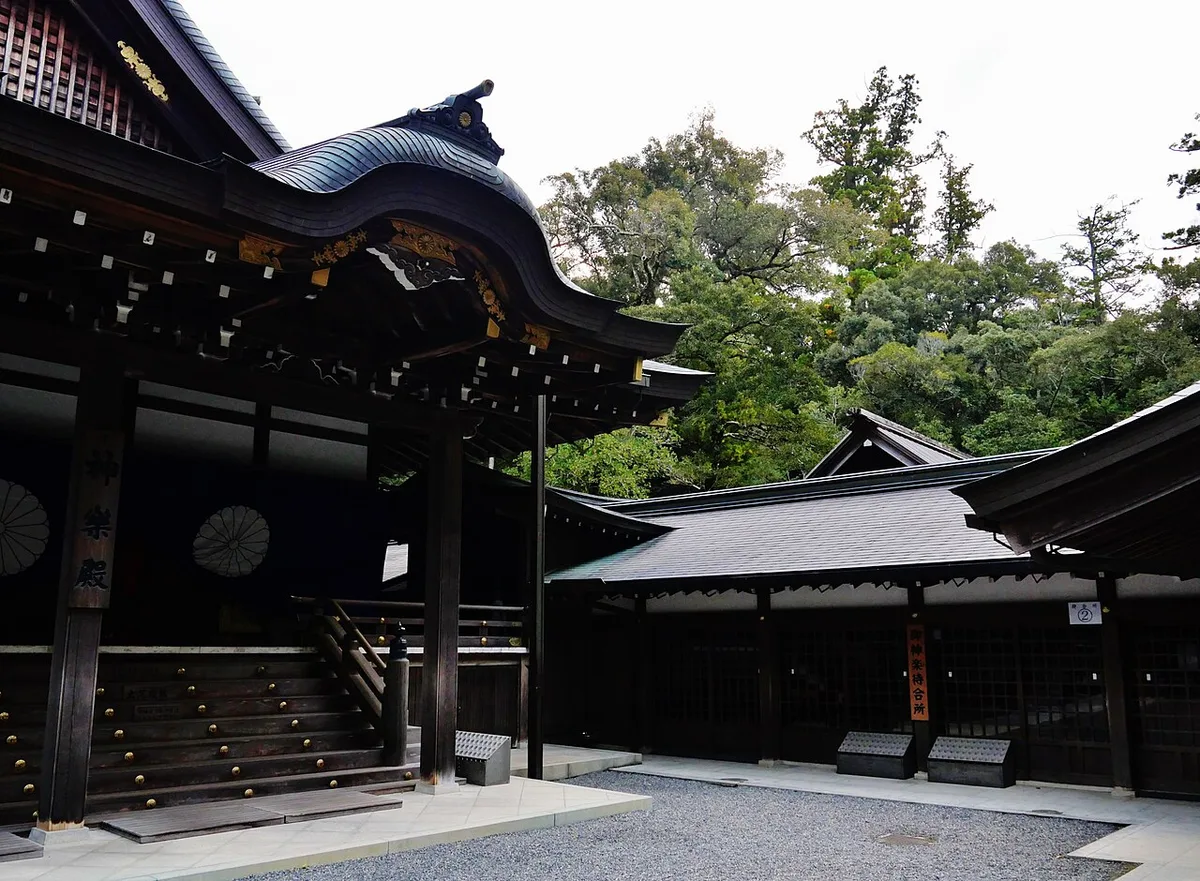
Ise Jingu hosts around 1,500 ceremonies each year, most of them internal rituals not visible to the public. The most accessible event for visitors is the Kannamesai in mid-October, a first-fruits offering to Amaterasu when priests in ancient court dress process through the outer precincts — not a ticketed spectacle, but quietly memorable if you happen to be there that morning.
Every visit to Ise in 2026 is shaped by the Shikinen Sengu cycle. Every 20 years, all 125 of Ise Jingu's shrines are ritually dismantled and rebuilt on adjacent plots — structures, sacred objects, and tools are all renewed. The last Sengu was completed in 2013; the next begins in 2033. In 2026, new sanctuaries stand alongside the cleared predecessor plots, marked by simple torii gates on bare ground. This coexistence of fresh timber and empty earth is unique to Ise and gives the site a dimension no other shrine in Japan replicates.
Frequently Asked Questions
What is the best time to visit Ise Jingu?
October and November are the best months overall — mild temperatures (16–22 °C), autumn foliage on the Naiku cedar approach, and manageable crowds. May and June are a strong alternative if your priority is combining a shrine visit with the Meoto Iwa sunrise window. Avoid January 1–3 unless you specifically want the hatsumode experience, and avoid August for heat and typhoon risk.
When is the best time to see the Meoto Iwa sunrise?
The sunrise aligns between the two Wedded Rocks from roughly May through July. During these months the rising sun passes through the gap when viewed from Futaminoura beach at Futami Okitama Shrine, about 15 minutes by JR from Ise-shi Station. Arrive at dawn and walk 15 minutes from Futaminoura Station to reach the beach. Entry to the shrine area is free. Check local sunrise times by month before you go, as the precise alignment window shifts slightly week to week.
How crowded is Ise Jingu at New Year?
Ise Jingu draws approximately three million worshippers on January 1–3, making it one of the most visited hatsumode sites in Japan. Queues for the main sanctuaries at Naiku can last hours, and Kintetsu Limited Express trains sell out days in advance. If you want a quiet pilgrimage, December or late January (after the rush subsides) are far more peaceful alternatives.
Is Ise worth visiting in summer?
Summer is manageable with an early start — Naiku opens at 5:00 AM in summer and the cedar forest provides shade. However, July and August regularly exceed 32 °C with high humidity, and typhoons can disrupt the coastal Meoto Iwa site in August and September. June is the best summer-adjacent month: it retains the Meoto Iwa sunrise window before the worst heat and typhoon risk arrive. For a full look at the site lineup across all seasons, see our Ise attractions guide.
The best time to visit Ise in 2026 comes down to your priority. For Naiku at dawn, Oharaimachi mochi, and autumn foliage, October and November deliver the most. For the Meoto Iwa sunrise, target May or June. Hatsumode on January 1–3 is extraordinary but demanding — factor crowd scale into your decision honestly. Use our Ise itinerary for a day-by-day plan once you have picked your month, and see our guide to getting to Ise for Kintetsu and JR options from Nagoya, Osaka, and Kyoto.
Free guide: Japan's Hidden Gems
12 under-the-radar places beyond Tokyo & Kyoto — with the best season to visit each and a local tip you won't find in the guidebooks.
You might also like


Continue reading
More guides you'll find useful


