
How to Get to Ise from Nagoya, Osaka & Kyoto (2026)
Complete 2026 transport guide: how to get to Ise from Nagoya, Osaka and Kyoto by Kintetsu and JR, with station tips and local buses to Naiku.
On this page
Getting to Ise from Nagoya, Osaka, or Kyoto is straightforward once you know which train operator and which station to use. Ise's position on the Kintetsu Yamada Line puts it within 90 minutes of Nagoya and just under two hours from Kyoto, making it one of the most accessible pilgrimage sites in central Japan. Our Ise attractions guide covers everything waiting for you on arrival — the Grand Shrine complex, Oharaimachi's Edo-period lane, and the sacred Meoto Iwa rocks at Futami.
This page focuses on the journey in: train options, fares, rail pass value, the two main stations, and the bus connection to Naiku. For a complete day-by-day plan built around these trains, our Ise day trip from Nagoya guide lays out recommended timings. Last updated June 2026.
Key Takeaways
- The Kintetsu Limited Express from Kintetsu Nagoya Station is the fastest route — 80 to 90 minutes direct, reserved seat around ¥2,810.
- JR Pass holders can ride the JR Rapid Mie from JR Nagoya Station to Ise-shi in ~90 minutes (change at Tsu) at no extra cost.
- From Osaka-Namba, Kintetsu runs a direct limited express in ~105 minutes; from Kyoto, allow about 2 hours with one Kintetsu transfer.
- Mie Kotsu CAN Bus Route 51 links both stations to Naiku in 15–20 minutes for ¥270; a ¥1,000 day pass pays off if you visit Geku, Naiku, and Futami in one day.
From Nagoya to Ise
Nagoya is the most common gateway to Ise, served by two operators on parallel routes. Your choice depends on whether you hold a JR Pass.
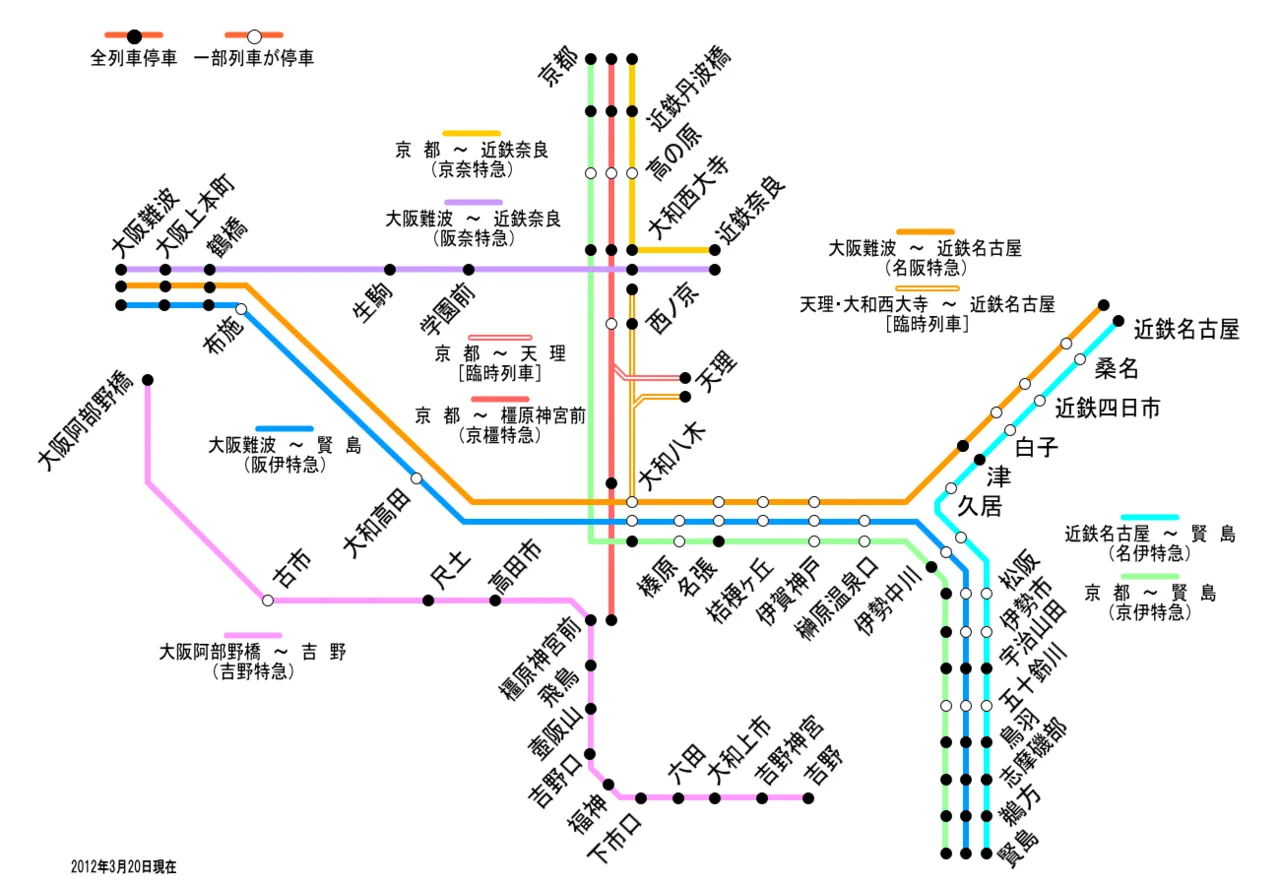
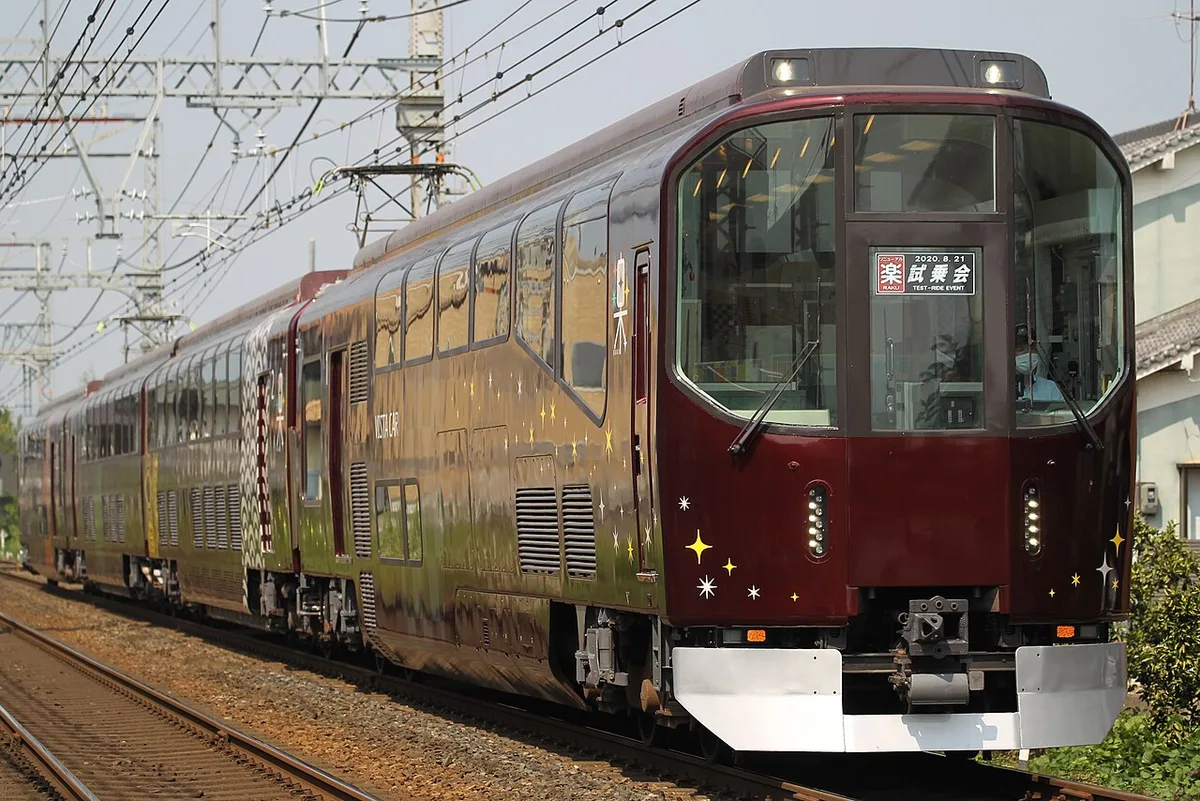
Kintetsu Limited Express (recommended for most visitors): Kintetsu's Iseshi Limited Express departs Kintetsu Nagoya Station — a five-minute underground walk from JR Nagoya — and runs directly to Ise-shi and Ujiyamada in 80 to 90 minutes. The fare including the limited express surcharge is around ¥2,810 for a reserved seat one way. Trains run roughly every 30 to 60 minutes. No transfers are needed, and reservations are strongly advised on weekends and Golden Week.
JR Rapid Mie (best for JR Pass holders): From JR Nagoya Station, the JR Rapid Mie reaches Ise-shi in approximately 90 minutes with a change at Tsu. It runs roughly hourly and is fully covered by the standard JR Pass — effectively free if you already hold one. Without a pass, the lower unreserved fare is offset by the transfer and less predictable schedule, so Kintetsu is still the better pick for most travellers.
Kintetsu Nagoya Station is separate from JR Nagoya — it occupies the basement level of the Meitetsu-Kintetsu building, accessible via an underground passage from the JR concourse. Allow at least 10 minutes for the connection if you arrive on the Shinkansen.
From Osaka and Kyoto to Ise
From Osaka-Namba: Kintetsu is the only practical option from Osaka. The Kintetsu Limited Express departs Osaka-Namba (Kintetsu Osaka-Namba Station, directly connected to the Namba subway station) and runs direct to Ise-shi in approximately 105 minutes. Fares run roughly ¥3,100 to ¥3,500 including the limited express surcharge — check the official Kintetsu site for current pricing. There is no direct JR service from Osaka to Ise; JR connections require multiple changes and are significantly slower.
From Kyoto: Board the Kintetsu Kyoto Line from Kintetsu-Kyoto Station (beneath JR Kyoto Station) and transfer at Yamato-Yagi to a service toward Ise — around 2 hours total, fares in the same ¥3,100 to ¥3,500 range. JR Pass holders can take the Hikari Shinkansen from Kyoto to Nagoya (35 minutes) then the JR Rapid Mie, arriving in about 2.5 hours with reserved seating. Our Ise and Shima itinerary maps the most efficient multi-day routing from Kansai.
From Tokyo to Ise
The standard route from Tokyo is the Tokaido Shinkansen to Nagoya (around 100 minutes on the Nozomi, approximately ¥10,560 to ¥11,090 depending on seat class), then either the Kintetsu Limited Express or JR Rapid Mie from Nagoya. Door-to-door from central Tokyo to Ise-shi runs around 3 to 3.5 hours. JR Pass holders must use the Hikari rather than the Nozomi — the standard JR Pass excludes Nozomi and Mizuho services — giving a Hikari-plus-Rapid Mie total of roughly 3.5 hours at no marginal cost.
Standard JR Passes do not cover Nozomi or Mizuho Shinkansen services. From Tokyo, JR Pass holders should use the Hikari (approx. 110–120 min to Nagoya). Buying a Nozomi ticket when you already hold a pass defeats the point of the pass.
Ise's Two Stations: Ise-shi vs. Ujiyamada
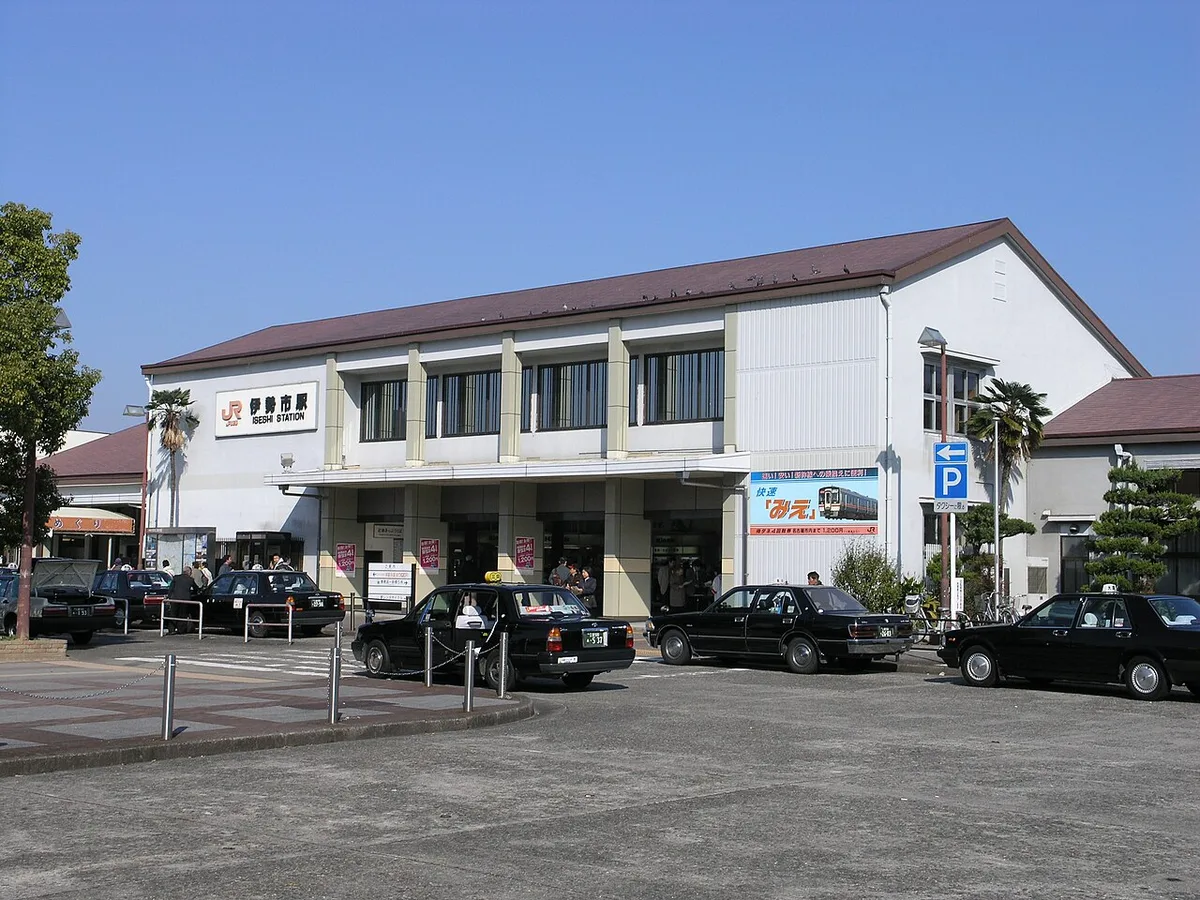
Ise-shi Station is the default arrival for most visitors. Both JR (Sangu Line) and Kintetsu (Yamada Line) stop here. It sits about 600 metres from Geku (Outer Shrine) — a flat, signposted 8-to-10-minute walk through the covered shopping arcade toward the first torii gate. If your JR Rapid Mie or Kintetsu service continues past Ujiyamada, this is where you disembark.
Ujiyamada Station is Kintetsu only, slightly north of Ise-shi. Some Kintetsu limited express services terminate here — check the destination board before settling in. Ujiyamada is marginally closer to the Naiku-bound CAN Bus stop and is itself worth a glance: the 1931 Showa-era station building is one of the most elegant on the Kintetsu network. Both stations have coin lockers (large units around ¥600–¥700) — store luggage before entering the shrine complex. The two are about 7 minutes apart on foot if you need to walk between them.
Getting from the Station to Naiku by Bus
Naiku (the Inner Shrine) sits roughly 5 kilometres from Ise-shi Station — too far to walk comfortably in summer heat. Custom at the Ise Grand Shrine (Geku then Naiku) is to visit Geku first, which is a 10-minute walk from Ise-shi Station. After Geku, the bus handles the remaining kilometres to Naiku.
Mie Kotsu CAN Bus Route 51 runs a circuit linking Ise-shi Station, Ujiyamada Station, Geku, Naiku, Oharaimachi, and Futami (Meoto Iwa). Buses run every 10 to 20 minutes during peak hours from around 7:00 AM to 6:00 PM. The single adult fare from Ise-shi Station to Naiku is ¥270; the ride takes 15 to 20 minutes. A CAN Bus 1-Day Pass (¥1,000 adults) pays off if you visit Geku, Naiku, and Futami on the same day — three single fares already total ¥810. Passes are sold at Ise-shi Station tourist information and on the bus.
Is the Kintetsu Rail Pass Worth It?
The Ise-Shima 2-Day Pass (around ¥3,000 to ¥4,000 — verify on the Kintetsu English site) covers unlimited rides within the Ise-Shima zone, including segments to Toba and Kashikojima, but not the long-haul limited express leg from Nagoya or Osaka. For a single-day trip from Nagoya, a standard round-trip limited express ticket (around ¥5,620) is often cheaper. The pass earns clear value on a two-day circuit extending to Toba and the Shima Peninsula, where four or more Kintetsu legs break even easily. For overnight options near Naiku and Ujiyamada, see our where to stay in Ise guide.
Frequently Asked Questions
What is the fastest way to get to Ise from Nagoya?
The Kintetsu Limited Express from Kintetsu Nagoya Station is the fastest option, reaching Ise-shi in 80 to 90 minutes for around ¥2,810 (reserved seat, no transfers). Trains run roughly every 30 to 60 minutes; reservations are recommended on weekends and public holidays.
Can I use a JR Pass to get to Ise?
Yes. The JR Rapid Mie from JR Nagoya Station is fully covered by the standard JR Pass, reaching Ise-shi in about 90 minutes with one change at Tsu. From Tokyo, combine the Hikari Shinkansen to Nagoya with the Rapid Mie for around 3.5 hours total at no additional fare.
Which station should I arrive at — Ise-shi or Ujiyamada?
Ise-shi Station is the more practical arrival — it is served by both JR and Kintetsu, within a 10-minute walk of Geku, and has easy CAN Bus access to Naiku. Ujiyamada (Kintetsu only) is the right stop if your specific service terminates there; both stations are about seven minutes apart on foot.
How do I get from Ise Station to Naiku (Inner Shrine)?
Take Mie Kotsu CAN Bus Route 51 from Ise-shi Station or Ujiyamada Station — 15 to 20 minutes for ¥270. A ¥1,000 day pass is good value if you visit Geku, Naiku, and Futami (Meoto Iwa) on the same day, as three individual fares already total ¥810.
How long does it take to get to Ise from Kyoto?
Allow around 2 hours by Kintetsu from Kyoto, with a change at Yamato-Yagi. Alternatively, the Hikari Shinkansen from Kyoto to Nagoya (about 35 minutes) plus the Kintetsu Limited Express totals around 2.5 hours with fully reserved seating throughout.
Whether you arrive by Kintetsu Limited Express from Nagoya, on the JR Rapid Mie with a pass, or on a Kintetsu service from Osaka or Kyoto, Ise-shi Station puts you within walking distance of Geku and a CAN Bus ride from Naiku. Going early — on the first bus run before tour groups arrive — makes the inner path feel as sacred as it should. Nagoya pairs naturally as an urban base, with trains running often enough to combine the two cities in a single day.
Free guide: Japan's Hidden Gems
12 under-the-radar places beyond Tokyo & Kyoto — with the best season to visit each and a local tip you won't find in the guidebooks.
You might also like


Continue reading
More guides you'll find useful


