
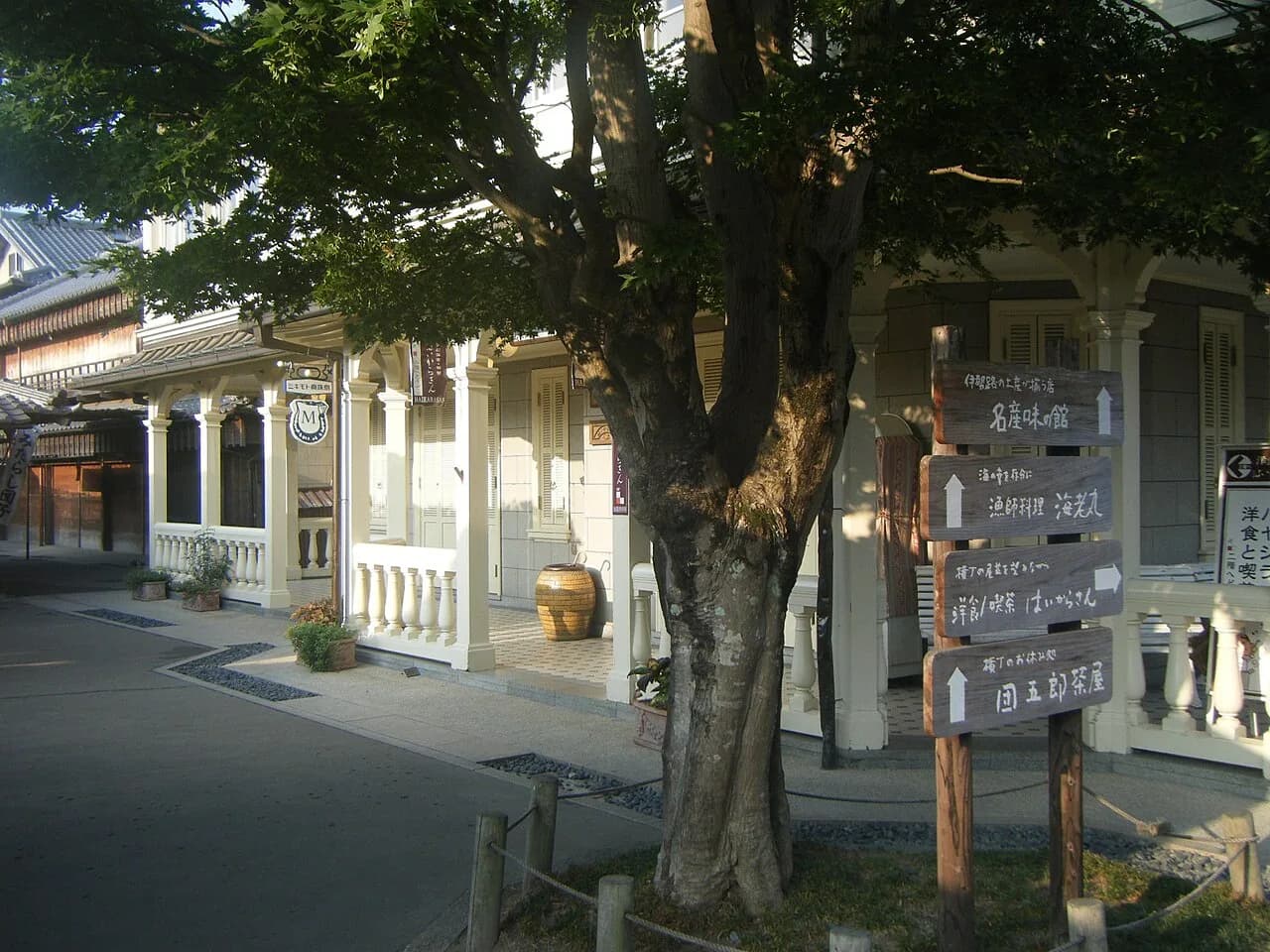
Okage Yokocho is one of Japan's most atmospheric living heritage streetscapes, recreating the energy of Edo and Meiji-period pilgrimage culture right in the heart of Ise.
Tucked within the Oharaimachi approach road near Ise Grand Shrine's Inner Shrine, this free-entry quarter delights visitors with traditional timber facades, artisan food stalls, and spontaneous folk performances.
Whether you are a first-time visitor or a seasoned Japan traveler, Okage Yokocho offers an immersive taste of the atmosphere that greeted millions of Edo-era pilgrims on their way to Naiku.
This comprehensive 2026 guide covers everything you need to know: history, access, food, practical tips, and the best seasons to visit.
Why Visit Okage Yokocho? A Living Slice of Pilgrimage Japan
Okage Yokocho earns a place on any Ise itinerary because it does something most heritage reconstructions fail to achieve: it feels genuinely alive.
The street buzzes with the scent of freshly grilled skewers, the sound of shamisen strings drifting from performance corners, and the sight of shop assistants dressed in period-appropriate happi coats.
Entry to the streetscape is completely free, making it one of Ise's most accessible attractions for travelers on any budget.
The quarter captures the spirit of okage-mairi, the mass Edo-period pilgrimage phenomenon when people from across Japan flocked to Ise Grand Shrine, often traveling entirely on foot and sustained by the generosity of strangers along the road.
Visiting Okage Yokocho is a direct connection to that centuries-old pilgrimage culture, and its proximity to Ise Grand Shrine Naiku makes pairing the two an obvious and deeply rewarding choice.
History and Significance: Akafuku and the Okage-mairi Tradition
Okage Yokocho was opened in 1993 as part of a broader revitalisation of the Oharaimachi district, which had fallen into decline during the postwar decades as modern shopping centres drew visitors away from the historic approach road.
The project was spearheaded by Akafuku, the confectionery company whose signature mochi — a soft rice cake topped with sweet red bean paste — has been made at the same spot in Oharaimachi since 1707.
The name "Okage" refers to the okage-mairi pilgrimages, and "yokocho" simply means a small side street or alley, evoking the narrow lanes that branched off Edo-period thoroughfares and offered pilgrims lodging, food, and entertainment.
The approximately 4,000-square-metre quarter was designed to recreate the architectural character of the late Edo and early Meiji periods, with merchants' houses, storehouses, and communal gathering spaces rendered in authentic timber and plaster materials.
Today the street is managed by Akafuku and draws millions of visitors annually, firmly establishing itself as one of Mie Prefecture's most beloved destinations.
The revival of Oharaimachi and Okage Yokocho became a widely cited model for heritage-led urban regeneration in Japan and continues to influence how historic districts across the country are managed and presented to the public.
Getting to Okage Yokocho: Access from Ise Stations and by Car
Reaching Okage Yokocho is straightforward whether you arrive by train, bus, or car.
From Ise-shi Station or Ujiyamada Station, take the Mie Kotsu bus bound for Naiku (Inner Shrine); the journey takes approximately 15 to 20 minutes and the stop is a short walk from the entrance of Oharaimachi.
Alternatively, a taxi from Ise-shi Station reaches the area in around 10 minutes.
Drivers can use the large Naiku parking areas, though these fill quickly on weekends and national holidays; arriving before 9:30 helps secure a space.
Okage Yokocho sits roughly 300 metres inside Oharaimachi, the ~800-metre stone-paved shopping street that leads to the Uji Bridge entrance of Naiku.
Most visitors stroll through Oharaimachi first and enter the Okage Yokocho quarter on the left before reaching the shrine gate — though many prefer to visit the shrine first and browse on the way back, giving themselves more energy for the food stops.
The entire Ise inner-shrine area, including Oharaimachi and Okage Yokocho, is compact and easy to explore on foot once you arrive.
Highlights of Okage Yokocho: Food, Shops, and Performances
Food is the undisputed star of Okage Yokocho, and arriving on an empty stomach is the right strategy.
Akafuku mochi is the non-negotiable taste — soft, handmade rice cakes with sweet red bean paste served in small portions fresh from the counter, best eaten on a street bench while still warm.
Beyond mochi, vendors offer a rich cross-section of Ise and Mie food culture: butadon (pork rice bowls), tekone-zushi (bonito hand-pressed sushi), Ise udon (thick, soft noodles in a sweet soy broth), akadashi miso soup, and a variety of pickled vegetables and regional sweets.
Souvenir shops carry locally made ceramics, hand-dyed textiles, lacquerware, and Akafuku-branded confectionery for gifting to family and colleagues back home.
Performances are a distinctive element of the street experience: traditional music, folk entertainment, and occasionally themed theatrical events take place at covered performance spaces within the quarter.
There is no fixed schedule for street performances — they appear organically and are part of what gives Okage Yokocho its spontaneous, festival-like atmosphere that rewards unhurried exploration.
The architecture itself is worth studying: exposed timber beams, noren curtains in doorways, and hand-painted signboards give each storefront a distinct character rooted in period craftsmanship that feels far removed from generic tourist areas.
Planning Your Visit: Hours, Practical Tips, and Accessibility
Entry to the Okage Yokocho street is free at all times, and the outdoor areas remain open throughout the day.
Individual shops and food stalls generally operate from around 9:30 to 17:30, though hours vary by vendor and season — plan to arrive by 17:00 if you want to find most of the shops still open and serving fresh food.
A half-hour to an hour is enough for a casual stroll and a snack stop; allow two hours or more if you intend to eat a full meal, browse shops at leisure, and catch any performances that happen to be running.
The street is fully paved and largely flat, making it accessible for strollers and wheelchair users; a few individual shop entrances may have shallow steps, so check in advance if specific accessibility requirements apply to your group.
Coin lockers are available near Ujiyamada Station and at the Naiku parking complex, useful for storing luggage before exploring the shrine and shopping street.
Weekday mornings between 9:30 and 11:00 offer the quietest experience; peak crowds arrive after noon on weekends and during the Golden Week holiday (late April to early May) and New Year's season.
Always check the official Okage Yokocho website for current shop hours before your visit, as seasonal events and individual vendor schedules can change.
Best Time to Visit Okage Yokocho Through the Seasons
Okage Yokocho rewards visitors in every season, though each period brings a different mood and crowd level.
Spring (March to May) is arguably the most photogenic time, with cherry blossoms framing the wooden storefronts and the Ise area drawing large numbers of domestic visitors celebrating the new school and fiscal year.
Summer (June to August) is warm and humid, but the street's covered performance areas and shaded lanes keep it comfortable; early morning visits before 10:00 avoid the worst of the heat and the day-trip tour groups.
Autumn (September to November) brings cooler temperatures, lower humidity, and the warm tones of momiji foliage on the hills surrounding the Naiku precinct, making the walk from Okage Yokocho to the shrine particularly scenic and pleasant.
Winter (December to February) sees fewer international visitors, and the quieter pace allows for a more contemplative experience of the street's heritage architecture.
New Year's is an exception: Ise Grand Shrine is one of Japan's most popular hatsumode (first shrine visit of the year) destinations, drawing enormous crowds in the first days of January — plan well ahead if visiting at that time.
For a balance of good weather, manageable crowds, and seasonal colour, late March and mid-November are generally the most rewarding months to visit.
Nearby Attractions and Experiences in Ise
Okage Yokocho sits within one of Japan's richest heritage corridors, and combining it with nearby sites makes for an exceptionally full day out.
The most natural pairing is with Ise Grand Shrine Naiku — Japan's holiest Shinto shrine, enshrining the sun goddess Amaterasu-Omikami — located just beyond Oharaimachi's end at the Uji Bridge over the Isuzu River.
Allow at least 60 to 90 minutes for the inner shrine precincts, crossing the iconic wooden bridge and walking the forested gravel paths past the ceremonial buildings.
The full stone-paved length of Oharaimachi is worth exploring in its own right: stretching roughly 800 metres, it is lined with machiya townhouses converted into boutique shops and cafes that offer their own character beyond what Okage Yokocho concentrates.
For visitors spending more than a day in the region, the wider Ise area also offers the Outer Shrine (Geku), Sarutahiko Shrine between Geku and Naiku, and the Meoto-Iwa Wedded Rocks at Futami — each reachable by bus or a short train ride.
The coastal resort of Toba, with its aquarium and Mikimoto Pearl Island, lies only 15 minutes south by train on the Kintetsu Toba Line and pairs naturally with an Ise day for an extended two-day itinerary.
Frequently Asked Questions
Is Okage Yokocho free to enter?
Yes. Entry to the Okage Yokocho street and all its outdoor areas is completely free. Individual shops and food stalls charge for their products — Akafuku mochi, Ise udon, and other snacks are available at modest prices — but there is no admission gate or entry fee to simply browse the street.
What are the opening hours for Okage Yokocho?
The outdoor street is accessible at all hours. Most individual shops and food stalls open from around 9:30 and close by 17:30, though hours vary by vendor and season. Plan to arrive by 17:00 to find the majority of shops still open and serving. Always check the official website for the most current 2026 hours before your visit.
What food should I try at Okage Yokocho?
Akafuku mochi is the must-try: a soft handmade rice cake topped with sweet red bean paste, made at the same spot since 1707. Other highlights include Ise udon (thick noodles in sweet soy broth), tekone-zushi (bonito hand-pressed sushi), butadon (pork rice bowl), akadashi miso soup, and regional pickles and sweets. Eating as you walk is part of the street's charm.
How do I get to Okage Yokocho from Ise Station?
Take a Mie Kotsu bus from Ise-shi Station or Ujiyamada Station towards Naiku (Inner Shrine), a journey of roughly 15 to 20 minutes. Alight at the Naiku-mae stop and walk into Oharaimachi; Okage Yokocho is approximately 300 metres along on the left. A taxi from Ise-shi Station reaches the area in around 10 minutes.
Can I combine Okage Yokocho with a visit to Ise Grand Shrine?
Absolutely — combining the two is the standard and recommended approach. Okage Yokocho sits within Oharaimachi, the historic approach street leading directly to Ise Grand Shrine's Inner Shrine (Naiku). Most visitors walk through Oharaimachi and Okage Yokocho either before entering the shrine precincts or after leaving, making a seamless half-day cultural circuit.
Okage Yokocho offers something rare in modern heritage tourism: a recreated historic street that earns its crowds through genuine quality of experience rather than novelty alone.
Free to enter, rich in regional food culture, and steeped in Japan's most enduring pilgrimage tradition, it is an essential stop on any visit to Ise and a highlight of any trip to the wider Mie region.
For more inspiration on what to see and do in the area, explore our Ise attractions guide and read our dedicated Oharaimachi and Okage Yokocho blog guide for an even deeper look at the streetscape's history and best food stops.