
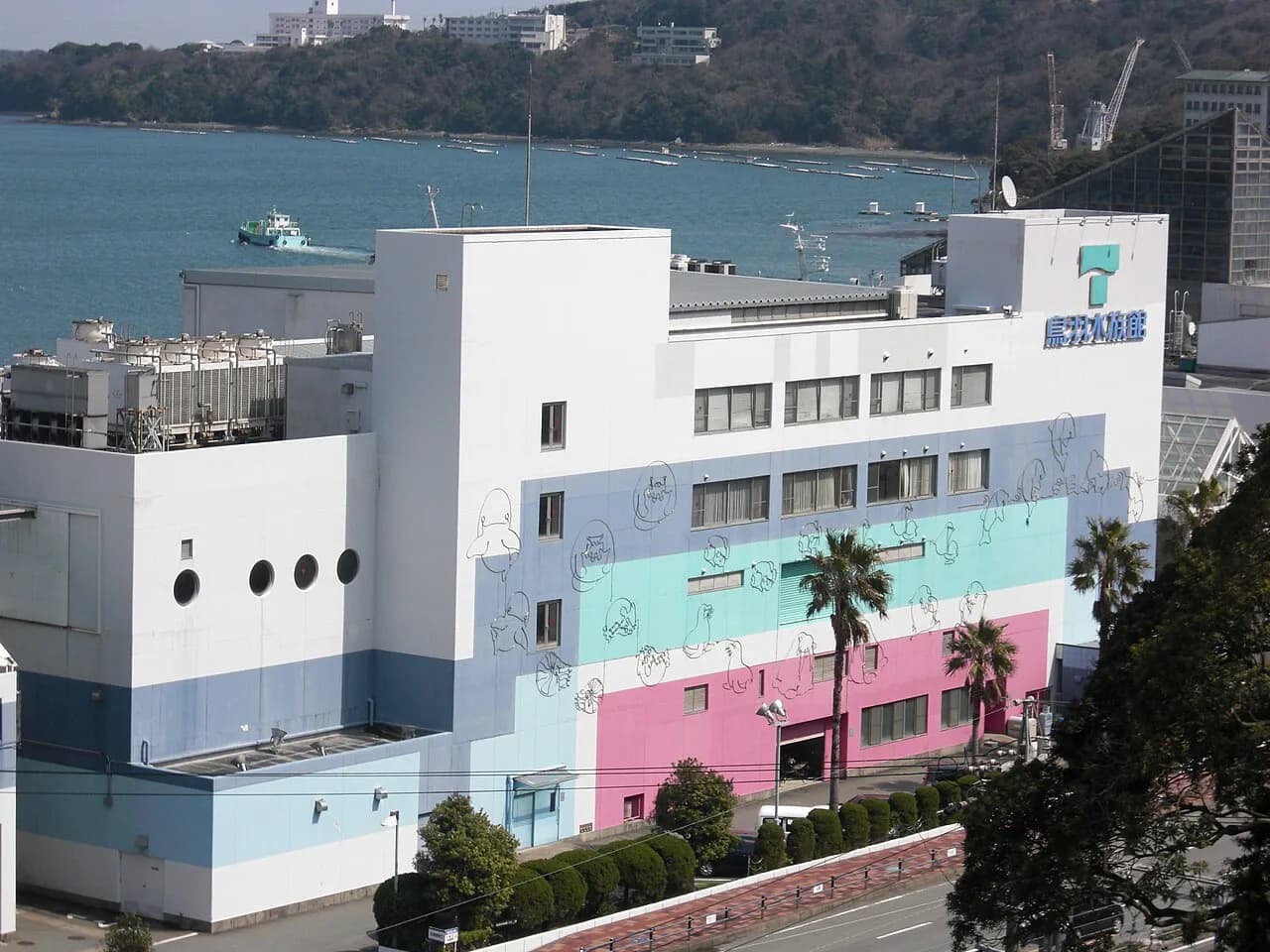
Toba Aquarium is one of the most remarkable marine attractions in all of Japan, housing approximately 1,200 species — the highest number of any aquarium in the country.
Its greatest star is a rare dugong, a gentle sea mammal almost never seen in Japanese public facilities.
Set right on Toba Bay in Mie Prefecture, the aquarium sits a short walk from Toba Station, making it an easy centrepiece for any visit to the Ise-Shima region.
This guide covers everything you need to plan a smooth, rewarding trip in 2026.
Why Visit Toba Aquarium? Japan's Species Record-Holder
Toba Aquarium has held its status as the Japanese aquarium with the greatest number of species on display for decades, and the 2026 collection still stands at around 1,200 species.
That breadth alone sets it apart from facilities in Tokyo or Osaka.
The dugong on display here is one of the very few of its kind in captivity anywhere in the world and easily the most talked-about animal in the building.
Dugongs are close relatives of the manatee and graze on seagrass; seeing one up close is genuinely rare even for experienced travellers.
Beyond the headline animal, Toba Aquarium stages live performances featuring sea lions and walruses — animals that require sustained expertise to keep and train, signalling the quality of the facility's animal care.
The aquarium's position on the Toba waterfront, with the Ise-Shima National Park as a backdrop, adds natural scenery that turns a half-day outing into a full sensory experience.
Getting to Toba Aquarium: Access & Transport Options
Toba Aquarium occupies a prime position on the seafront in central Toba city, just a few minutes on foot from Toba Station.
From Nagoya, take the Kintetsu Limited Express on the Kintetsu Nagoya Line directly to Toba Station — the journey takes around 1 hour 50 minutes without transfers and is the most comfortable option for day-trippers.
From Ise-shi Station (for those combining the trip with Toba attractions and a morning at the Ise Shrines), the Kintetsu or JR Sangu Line runs to Toba in about 20–25 minutes.
Once at Toba Station, follow the bayside promenade south for roughly five minutes and the aquarium entrance appears on your left facing the water.
Drivers can use the aquarium's paid car park directly adjacent to the building.
If you are combining the aquarium with Mikimoto Pearl Island, note that the island entrance is just five minutes further along the same promenade — both sights can be done in a single morning-to-afternoon loop.
Highlights of Toba Aquarium: Zones, Shows & Animals
The aquarium is divided into 12 themed zones, and unusually there is no fixed visitor route — you move freely between them in any order.
This layout means families with young children can spend extra time at the performing-animal stages without holding back more independent visitors.
The dugong tank is typically the first stop most visitors make, and rightly so.
The animal is given a spacious enclosure with strong lighting so you can observe its slow, deliberate grazing behaviour; information boards explain the species' vulnerable status and the aquarium's role in studying it.
The sea-lion and walrus shows take place in an outdoor stadium overlooking the bay.
Performances usually run several times daily; check the schedule board at the entrance on arrival as times shift seasonally.
Other zones cover Pacific pelagic fish, deep-sea creatures, tropical reef tanks, Japanese river species, and a section dedicated to the local pearl-diving Ama culture of Toba — a thematic bridge to the Ama pearl-diving tradition you can explore further nearby.
Touch pools where children can handle starfish and small rays are located in the shallower, family-oriented zone.
Planning Your Visit: Tickets, Hours & Practical Tips
Toba Aquarium is open from approximately 9:00 to 17:00 daily, with extended hours to around 17:30 during peak holiday periods.
Always confirm current hours on the official Toba Aquarium website before travelling, as seasonal adjustments do occur.
The adult admission fee in 2026 is approximately ¥2,800; reduced rates apply for children and school groups.
Tickets can be purchased at the gate or online in advance — buying ahead is useful on Golden Week (late April–early May) and Obon (mid-August) when queues at the booth can be substantial.
The aquarium is largely accessible for wheelchair users and pram-pushers; the free-route layout means you can skip any congested zones.
Allow at least two and a half to three hours for a comfortable visit that takes in the main tanks, a show, and a circuit of the 12 zones.
A gift shop near the exit stocks dugong-themed souvenirs that are difficult to find elsewhere in Japan.
Best Time to Visit Toba Aquarium: Seasons & Crowds
Toba Aquarium is an indoor attraction, so it remains enjoyable regardless of weather — a useful quality in a region where spring rain and summer typhoon season can disrupt outdoor plans.
That said, timing still matters for crowd levels.
Weekday visits between mid-September and late November offer the most relaxed experience: the summer holiday crush has subsided, temperatures are pleasant for the outdoor sea-lion stadium, and the surrounding Toba Bay area has a beautiful autumn feel.
Spring — particularly late March and April — sees moderate visitor numbers and mild weather, making it ideal for pairing the aquarium with a walk along the Toba waterfront or a trip to the pearl island.
Summer (July–August) is the busiest period, driven by Japan's school holidays and Golden Week spilling into early May.
If you visit in summer, arrive at opening time (9:00) to see the dugong tank before crowds build and to secure seats at the first sea-lion performance of the day.
Winter is the quietest season and entry queues are minimal, though the outdoor show area can feel cold.
Nearby Attractions: Combining Toba Aquarium with Other Sights
Toba's compact waterfront makes it easy to combine the aquarium with other highlights on the same day.
The most natural pairing is Mikimoto Pearl Island, where Kokichi Mikimoto produced the world's first cultured pearl in 1893.
The island, reached by a short footbridge from the mainland, hosts the Pearl Museum and live Ama diver demonstrations — a vivid complement to the aquarium's own Ama culture exhibit.
A five-minute walk inland from the aquarium brings you to the base of the hill where Toba Castle once stood.
Toba Castle was built around 1594 by the naval commander Kuki Yoshitaka, and today the hilltop Shiroyama Park offers fine panoramic views of the bay — a free and relaxing detour.
For a longer day trip, the full Toba Aquarium guide on our blog covers a recommended half-day walking route linking the aquarium, pearl island, and castle ruins.
Those with a full day can extend the visit into the Ise-Toba corridor, catching a morning at the Ise Grand Shrine before arriving in Toba by early afternoon.
Frequently Asked Questions
Does Toba Aquarium really have a dugong?
Yes. Toba Aquarium is home to one of the very few dugongs held in any public aquarium in the world. Dugongs are endangered marine mammals closely related to manatees; seeing one in person is a rare opportunity that draws visitors from across Japan and abroad. Check the aquarium's website for any temporary gallery closures before visiting.
How much does it cost to enter Toba Aquarium?
The adult admission fee is approximately ¥2,800 in 2026. Discounted tickets are available for children, elementary-school pupils, and groups. Tickets can be purchased at the gate or online in advance; buying ahead saves time during busy periods such as Golden Week and Obon. Confirm the latest pricing on the official website at aquarium.co.jp/en/.
What are Toba Aquarium's opening hours?
Standard opening hours are approximately 9:00 to 17:00, with extended hours to around 17:30 during peak holiday seasons. The aquarium is open daily throughout the year. Always check the official Toba Aquarium website before your visit as hours are subject to seasonal adjustment.
How long should I spend at Toba Aquarium?
Allow at least two and a half to three hours to cover the 12 themed zones at a relaxed pace and watch one of the sea-lion or walrus performances. Families with young children who want to linger at the touch pools or catch a second show may need three to four hours. The free-route layout lets you move at your own speed.
How do I get to Toba Aquarium from Nagoya or Ise?
From Nagoya, take the Kintetsu Limited Express directly to Toba Station (around 1 hour 50 minutes). From Ise-shi Station, the Kintetsu or JR Sangu Line reaches Toba in about 20–25 minutes. The aquarium is a five-minute walk south along the waterfront from Toba Station's main exit. Drivers can use the paid car park adjacent to the building.
Toba Aquarium earns its reputation as one of Japan's finest marine facilities through sheer diversity — roughly 1,200 species under one roof, a world-rare dugong, and live performances that entertain visitors of every age.
Its walkable waterfront location makes it a natural anchor for a day in Toba, easy to combine with a stroll to Mikimoto Pearl Island or up to the castle ruins before taking the train back to Ise or Nagoya.
With a little planning, the aquarium slots seamlessly into a wider Ise-Shima itinerary.
Ready to explore more of Toba? See our things to do in Toba guide and our dedicated Toba Aquarium blog guide for the full itinerary.