

Vegetarian and Non-Seafood Food in Toba: Where to Eat in 2026
A 2026 guide to vegetarian and non-seafood food in Toba: safe cuisines, the dashi trap, hours, and where to eat near Toba Station and Ise.
On this page
Last updated August 2026, this guide covers vegetarian and non-seafood food in Toba, a town built around Ise-ebi lobster, oysters, and Ama diver seafood culture. Meat and plant-based meals exist near Toba Station and inside Toba Ichibangai, though they take more searching than in Tokyo or Kyoto. The sections below cover safer cuisines, the dashi trap inside many plant-labeled dishes, and a neighborhood plan for finding meals that fit.
What to Expect: Vegetarian and Non-Seafood Food in Toba
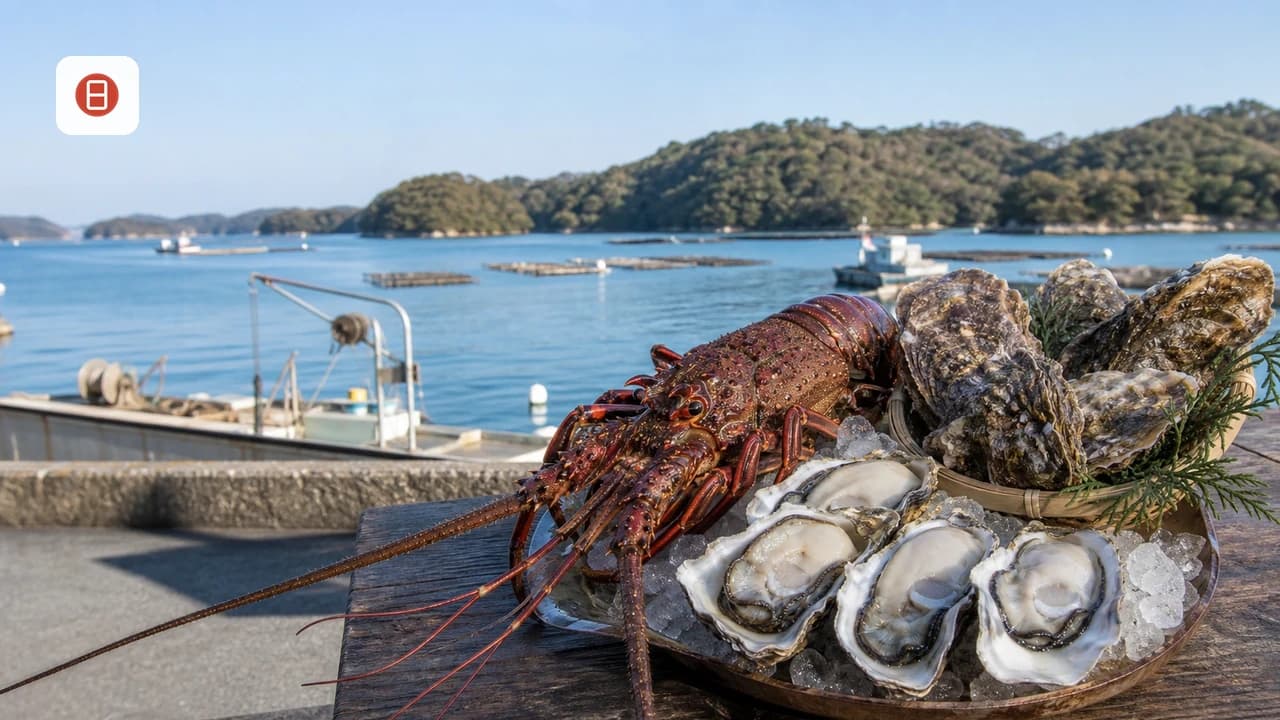
Toba built its food identity on the sea. Ise-ebi spiny lobster, oysters, and dishes tied to the Ama free-diving tradition dominate local menus. The city's own seafood dining guide covers that seafood-first identity in full. The Ise-ebi and oyster season guide explains why lobster and oysters anchor so many menus. For travelers who skip seafood, that concentration can feel limiting. It is not impossible to work around. Curry shops, pizza and pasta spots, yakiniku grills, and a few tofu-focused kitchens operate within walking distance of Toba Station. More options sit inside the Toba Ichibangai shopping complex next to the station. Non-seafood choices cluster around transit hubs and major attractions rather than the harbor district, so plan meals around Toba Station, the aquarium area, or Mikimoto Pearl Island rather than the fishing docks.
Non-Seafood Cuisines Worth Seeking Out
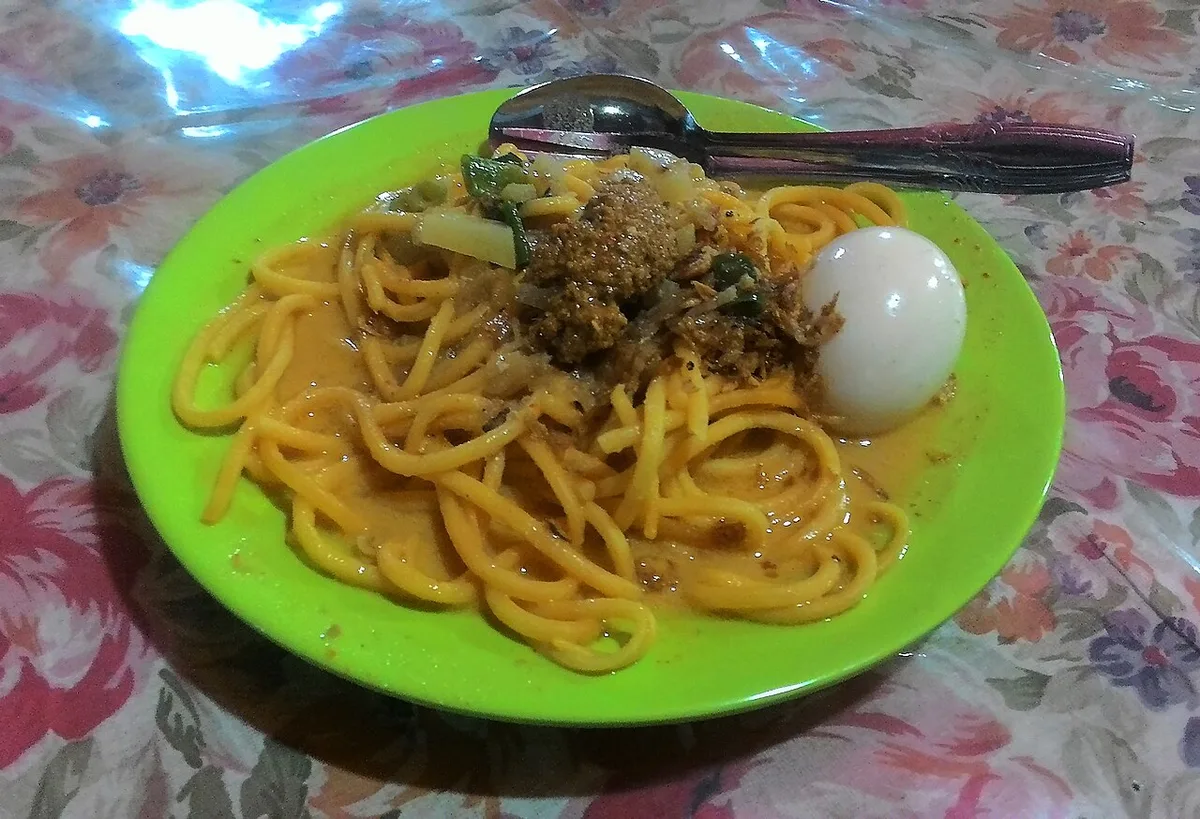
Five cuisine types offer the most reliable non-seafood meals in Toba. Each swaps the fish-forward menu for something more familiar, though a couple still need a quick dashi check. At a food hall like Toba Ichibangai, scan for these five categories first before defaulting to a seafood counter.

- Japanese curry (kare raisu): a mild, stewed sauce over rice, usually built from beef, pork, or vegetables rather than fish. It is widely treated as a safe default across Japan.
- Italian and pizza kitchens: pasta and pizza rank among the safest non-seafood defaults in Mie Prefecture, since most versions use tomato, cheese, or meat sauce rather than dashi.
- Yakiniku (grilled meat): a route to Matsusaka beef, the wagyu raised locally in Mie Prefecture, as a high-end non-seafood alternative to a lobster or oyster dinner.
- Tofu and shojin ryori (Buddhist vegetarian cooking): plant-based sets built around tofu, seasonal vegetables, and rice, most likely near temples and shrines rather than the harbor.
- Ramen: tonkotsu (pork bone) and shoyu (soy sauce) styles are usually meat-based, but many shops still add a fish-based topping or dashi blend, so ask before ordering.
Tofu, Udon, and Vegetable Sets for Vegetarians
Udon noodles and vegetable teishoku (set meals) are the most common vegetarian-leaning options on a standard Toba menu. Confirm the broth before ordering, since the noodles themselves are plain wheat. Tofu usually appears as hiyayakko (chilled tofu with toppings) or in simmered vegetable dishes. Vegetable sets built around rice, pickles, and one simmered or grilled vegetable carry the least risk of a hidden seafood ingredient. Onigiri (rice balls) sold at bakeries and convenience counters offer another low-risk option, since fillings like pickled plum, kelp, or seasoned egg contain no dashi. Ask for the filling list if it is not posted in English. Travelers who need egg-free meals as well should double-check tamagoyaki (sweet rolled omelet) and any dish simply listed as vegetable rather than vegetarian, since Japanese menus do not always separate the two categories.
The Hidden Dashi Problem
Japan's most common soup stock, dashi, usually comes from katsuobushi (dried bonito flakes) or dried fish. It turns up in dishes labeled vegetarian far more often than travelers expect. Miso soup, the sauce poured over tempura, and the broth under a bowl of udon can all carry dashi. This holds true even when a dish looks otherwise plant-based. Vegetable tempura is a common trap. It is not automatically vegetarian. Kitchens often fry it in oil shared with seafood, or serve it with a dashi-based dipping sauce. Kombu (kelp) dashi is a plant-based alternative, but it shows up mainly in dedicated vegetarian or shojin ryori kitchens rather than standard menus. Menu photographs help too, since a dish that looks plant-based can still arrive with a dashi-based sauce poured over it at the table.
Ordering Confidence: Phrases and Communication Tools
Most Toba restaurant staff are used to serving Ama hut seafood tourists, so a short prepared phrase saves time at a counter with limited English. 'Sakana wa tabemasen' tells a server you do not eat fish. 'Dashi nuki de onegaishimasu' asks for a dish without dashi stock. Writing both phrases on a phone screen or notecard before arriving speeds up ordering. A printed no-fish communication card, the kind produced by vegetarian and vegan travel groups in Japan, works well when a spoken phrase does not land. Staff at curry shops, pizza kitchens, and yakiniku grills near Toba Station generally handle these requests more smoothly than seafood-only harborside spots, since their menus already separate meat, vegetable, and sauce options.
Costs, Hours, and Booking Non-Seafood Meals Ahead
Non-seafood dishes such as curry, pasta, or a tofu set generally cost less than a seafood-centered set meal. That is because they skip the premium built into fresh oysters or Ise-ebi lobster. Lunch sets, including non-seafood options, typically cost less than the same restaurant's dinner menu, a pattern that holds across most of Ise-Shima. Hours run shorter than in a big city. Many Toba eateries that are not izakayas close by 5:00 or 6:00 pm. An early dinner reservation matters more here than in Ise or Nagoya. Ryokan kaiseki dinners carry the biggest planning risk. Most are built entirely around seafood courses. Swapping in a non-seafood or vegetarian kaiseki typically needs 3 or more days' notice before check-in. Check meal-inclusion terms directly with the property. The ryokan kaiseki dinner guide lays out what a standard seafood-based menu includes before you request a change.
Where to Eat: A Neighborhood Guide
Toba splits into a few practical zones for non-seafood dining. Ease of finding a meal, and how much English support to expect, shift block by block, so use the table below as a starting filter.
Since most Toba eateries close by 5:00 or 6:00 pm, a full afternoon of sightseeing can crowd out dinner in town; Ise, about 15 minutes away and with far broader restaurant options, makes a practical fallback when time presses.
| Neighborhood | Ease of Finding Non-Seafood | Notes |
|---|---|---|
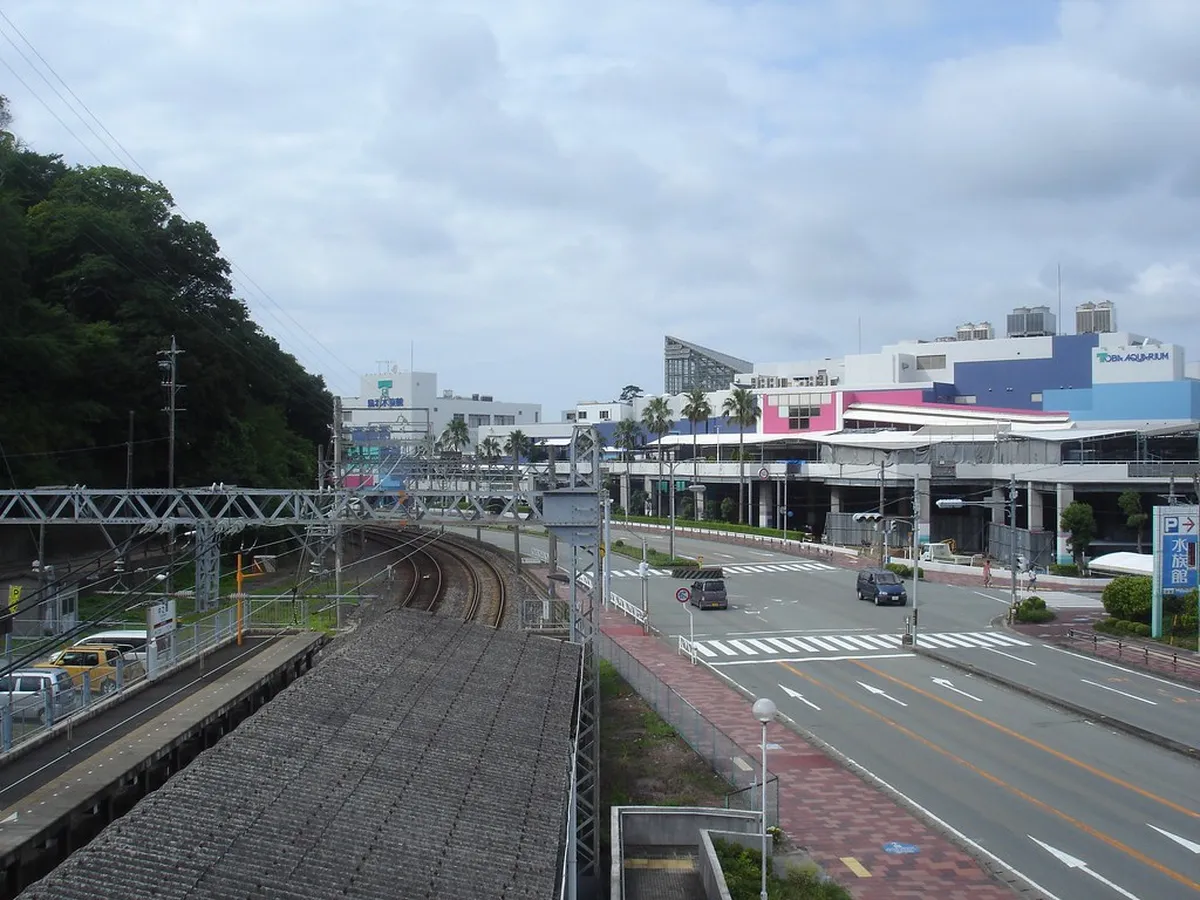
| Toba Station area | Highest | Widest mix of curry, pizza, and casual chain-style options within walking distance. |
| Toba Ichibangai (station shopping complex) | Moderate | Look specifically for Italian counters or crepe and dessert stalls among the seafood stands. |
| Near Toba Aquarium and Mikimoto Pearl Island | Moderate | Casual cafes cluster near both attractions. Confirm dashi before ordering a set meal. See the Toba attractions guide for what else sits nearby. |
| Ise city, about 15 minutes away | Highest (as a backup) | A larger dining base with more Italian, curry, and vegetarian-labeled options than Toba itself. |
Convenience Store and Quick Backup Options
When a sit-down search runs long, convenience stores near Toba Station cover the gap. Onigiri fillings such as pickled plum, kelp, and seasoned egg are reliably non-seafood, while tuna and salmon fillings are easy to spot and skip. Pre-packaged salads, sandwiches, and bakery items round out a quick lunch without any dashi guesswork. Larger supermarkets near the station also stock bento boxes labeled by main ingredient, useful for spotting a chicken, pork, or vegetable box at a glance. Vending machines throughout the station area sell drinks and light snacks, useful for bridging the gap between an early dinner close and a later appetite.
Mixed Groups, Kids, and a Sample Day
Traveling with companions who want the seafood experience does not rule out a shared meal. Toba Ichibangai's food-hall layout lets seafood-eaters and non-seafood-eaters order from different counters and sit together. At a yakiniku grill, the table format itself works for mixed groups, since meat, vegetable, and often seafood cuts can be ordered side by side and grilled individually. For a party set on a full seafood course, the tekone zushi guide covers the region's signature rice dish for that half of the group. Children generally do best with curry rice, plain udon, or a tofu and vegetable set. All three are easy to find without a dedicated kids' menu. A simple non-seafood day might run like this: a bakery or convenience-store breakfast near Toba Station, a curry or pasta lunch inside Toba Ichibangai, and an early yakiniku or tofu-set dinner booked before the 5:00 or 6:00 pm cutoff many kitchens use. Building the day around Toba Station keeps walking distances short and backup options within reach if a first choice is fully booked.
Mistakes to Avoid When Eating Non-Seafood in Toba
A few recurring mistakes catch non-seafood travelers off guard in Toba. Treat Ise as a backup base rather than a first stop, since Toba's own harbor-district restaurants stay almost entirely seafood-focused. Ise, home to Ise Grand Shrine, also carries a deeper bench of temple-adjacent shojin ryori cuisine than Toba does.
- Do not assume vegetable tempura is vegetarian. Check the frying oil and the dipping sauce before ordering.
- Avoid walking into an Ama hut (Hachiman-kamado style) meal without a pre-arranged non-seafood menu, since these experiences default to diver-caught seafood.
- Check last-order times before finishing a sightseeing loop, since many kitchens stop taking orders well before closing.
- Confirm a ryokan's ability to swap a seafood kaiseki when booking, not on arrival, given the 3-plus days' notice most properties need.
- Do not rely on a menu photo alone. Ask about dashi even when a dish looks plant-based.
- Do not skip reading posted allergy or ingredient charts, since some Toba shops post them only in Japanese near the register.
Frequently Asked Questions
Is dashi always made from fish in Toba restaurants?
Most dashi in Toba is fish-based, usually bonito flakes or dried fish. It shows up in miso soup, tempura sauce, and udon broth. Kombu (kelp) dashi exists and is plant-based, but it is less common outside dedicated vegetarian or shojin ryori kitchens. Confirm before ordering.
What is the easiest non-seafood meal to order in Toba?
Japanese curry rice is generally the safest, most familiar order. Most versions use beef, pork, or vegetables rather than fish, and the sauce rarely relies on dashi.
Can vegetarians eat at a Toba ryokan?
Yes, with planning. Most ryokan dinners in Toba are built around seafood-heavy kaiseki courses. A non-seafood or vegetarian substitute typically needs 3 or more days' notice, so contact the property when booking rather than after arrival.
Is Ise a better base than Toba for non-seafood dining?
Ise sits about 15 minutes from Toba and offers a wider range of curry, Italian, and vegetarian-labeled restaurants. Basing dinners there while day-tripping into Toba works well for a mixed or non-seafood group.
Are there dedicated vegetarian or vegan restaurants in Toba?
Dedicated vegetarian and vegan restaurants are limited in Toba itself. Vegetarian-focused listing platforms are worth checking before travel, since availability changes. Toba Station and Toba Ichibangai remain the most reliable areas to search first.
What should egg-free or allergy-sensitive travelers watch for in Toba?
Tamagoyaki (sweet rolled omelet) and dishes simply labeled vegetable, rather than vegetarian, are the main risk points for egg-free travelers. Japanese menus do not always separate egg-free from vegetarian categories, so ask about egg and dashi together.
Free guide: Japan's Hidden Gems
12 under-the-radar places beyond Tokyo & Kyoto — with the best season to visit each and a local tip you won't find in the guidebooks.
You might also like


Continue reading
More guides you'll find useful


