Shojin Ryori Guide: Japan's Buddhist Vegetarian Cuisine
Discover the history, philosophy, and best places to eat shojin ryori in Japan. From ancient temple stays to modern Michelin-starred dining experiences.
On this page
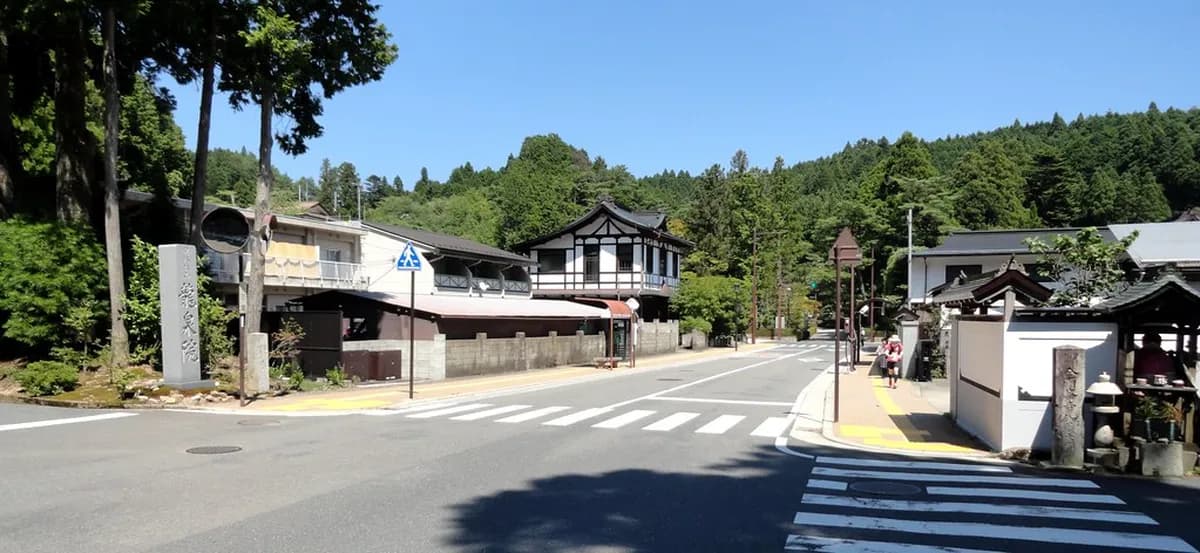
Shojin ryori represents the profound intersection of spiritual discipline and culinary artistry in Japan. This ancient Buddhist vegetarian cuisine focuses on simplicity, seasonal harmony, and the core principle of non-violence. Travelers visiting the misty peaks of Koyasan often encounter these elegant meals during a traditional temple stay. Understanding the philosophy behind each dish transforms a simple meal into a meditative experience.
What is Shojin Ryori? (The Spirit of Buddhist Cuisine)
At its heart, shojin ryori is a plant-based culinary tradition rooted in the teachings of Zen Buddhism. The term "shojin" translates to devotion or spiritual purification, while "ryori" simply means cooking or cuisine. Together the phrase is often rendered as "devotion cuisine" — food prepared as an act of practice, not just sustenance. Every ingredient is chosen to be non-detrimental to the animal's well-being and the environment.
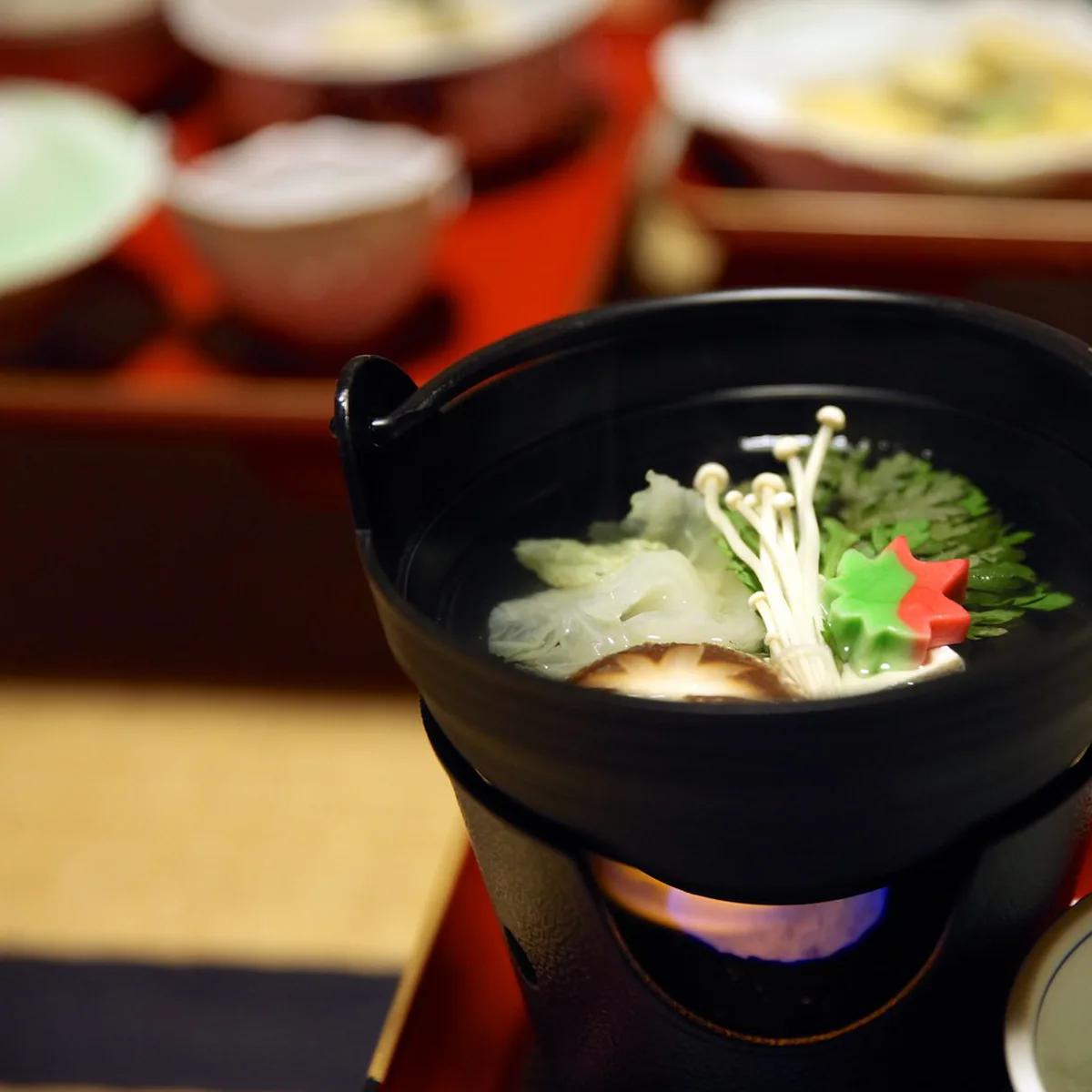
This commitment to ahimsa, or non-violence, ensures that no living creature is harmed in the production of the meal. Unlike modern veganism, which typically centers on dietary health or ethics, shojin ryori is a form of active meditation for monks. The preparation process demands deep mindfulness and zero waste in the kitchen. Even vegetable scraps are treated with respect, often simmered into delicate broths rather than discarded.
A key distinction: shojin ryori is not always strictly vegan in every modern interpretation. Historically, no animal byproducts were used, but some contemporary monks consider eggs and dairy acceptable when sourced without harming the animal. At traditional temple stays in Koyasan, the meals you receive remain purely plant-based in the classical sense.
The History and Religious Roots of Shojin Ryori
The origins of this cuisine trace back to the 6th century, when Buddhism first arrived in Japan from China via Korea. A pivotal moment occurred in 675 AD when Emperor Tenmu issued a formal decree banning the consumption of meat. This royal mandate helped solidify vegetarianism as the standard for the Japanese elite and religious orders. Over centuries, these restrictions evolved into the sophisticated washoku traditions recognized today by UNESCO.
Zen Buddhism further refined the practice during the Kamakura period (1185–1333) as monks traveled between China and Japan. The monk Dogen, founder of the Soto Zen school, wrote extensively about the spiritual importance of cooking, elevating the role of the temple cook to that of a meditation master. Temples in Kyoto and the mountain retreat of Koyasan became centers for culinary innovation and preservation. These sacred spaces have kept the original recipes alive for over a thousand years.
Planning our Koyasan itinerary usually includes time to explore these historic monastic kitchens. The cuisine remained largely hidden from secular Japan until the Meiji era, when temple restaurants began opening their doors to paying guests. Today it sits at the intersection of spiritual heritage and global plant-based dining trends.
Key Characteristics: Ingredients and the Five-Rule Framework
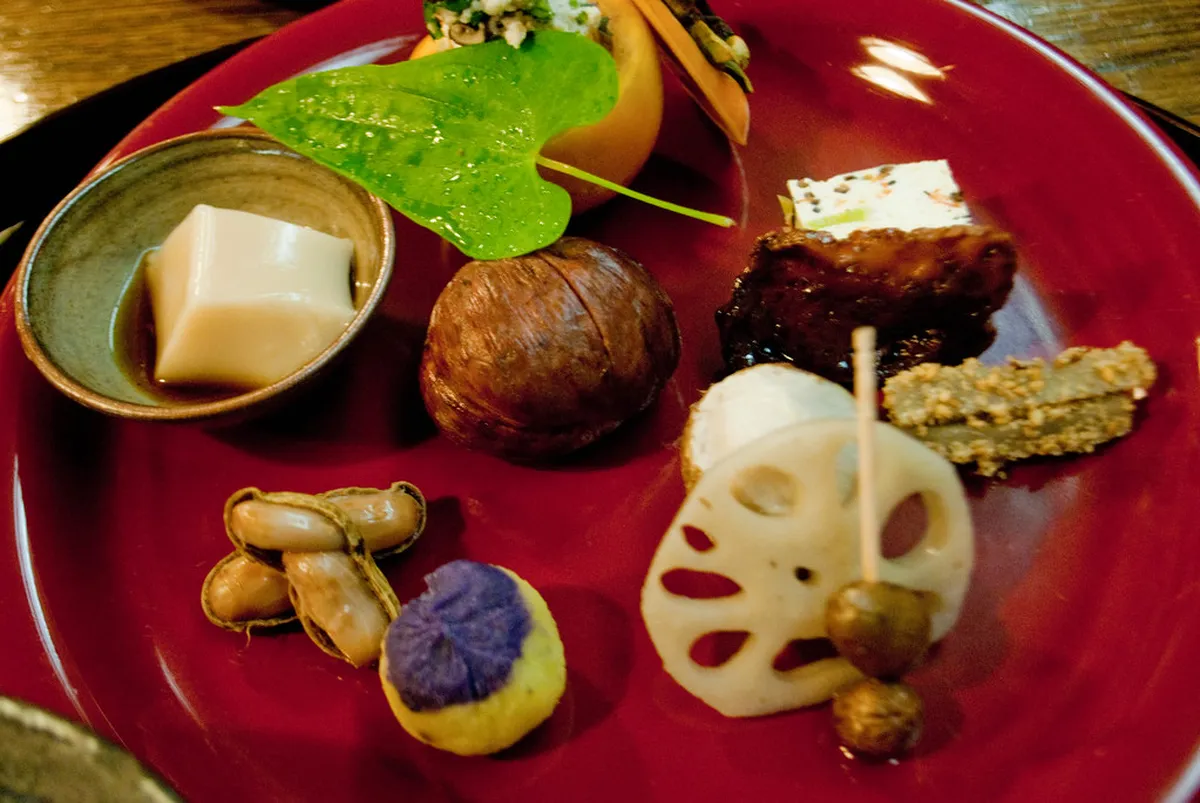
Balance is the organizing principle of shojin ryori, achieved through a strict framework drawing on the Chinese philosophy of wuxing. This framework applies the "rule of five" to three dimensions of every meal: Goshiki (five colors), Gomi (five tastes), and Goho (five cooking methods). A correctly assembled tray must include white, black, red, yellow, and green ingredients to ensure nutritional breadth. Chefs also balance five tastes — sweet, sour, salty, bitter, and umami — while using five techniques: simmered, fried, raw, steamed, and grilled.
Certain ingredients are strictly avoided. The "gokun," or five pungent roots — garlic, onions, Welsh onions, Chinese chives, and asafoetida — are forbidden because monks believe these strong flavors overstimulate the senses and disturb the stillness required for meditation. Instead, cooks rely on seasonal mountain vegetables (sansai), delicate yuba (tofu skin), konnyaku, and the ancient favorite of sesame tofu known as goma-dofu.
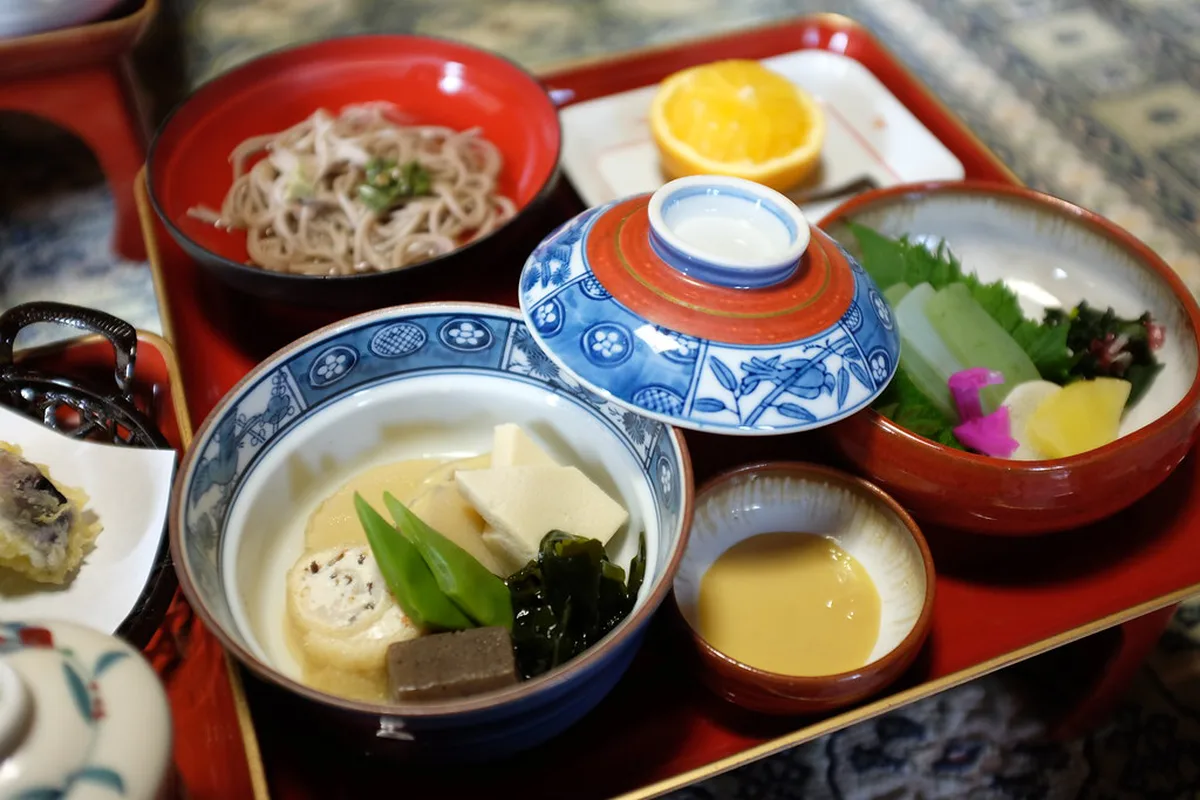
Koyasan has one additional specialty that sets its shojin meals apart from those found elsewhere in Japan: koya-dofu. This freeze-dried tofu — developed by monks on the mountain centuries ago as a way to preserve tofu through the cold winters — has a spongy, chewy texture that soaks up dashi (vegetable stock) beautifully. You will not find it prepared quite the same way anywhere else. Simmered in a light konbu broth and served warm, it is one of the most distinctively Koyasan bites you can eat during a temple stay.
Goma-dofu vs. Koya-dofu: While goma-dofu (sesame tofu) appears on shojin menus across Japan for its creamy, umami-rich depth, koya-dofu is unique to Koyasan and the surrounding region. Koya-dofu's spongy texture absorbs subtle broths and soy-free seasonings in ways that goma-dofu cannot. If you're planning a Koyasan stay specifically to try the signature dishes, koya-dofu should be your priority.
| Signature Dish | What It Is | Note |
|---|---|---|
| Goma-dofu | Sesame-based tofu with a smooth, creamy texture | Appears across all shojin menus; earthy umami flavor pairs with light dashi or eaten cold |
| Koya-dofu | Freeze-dried tofu with a spongy, chewy texture unique to Koyasan | Developed by monks centuries ago; soaks up vegetable broths beautifully and is the signature Koyasan dish |
| Yuba | Delicate tofu skin (the film formed on soy milk) | Often served fresh or simmered; prized for its subtle flavor and silky texture |
| Sansai (Mountain vegetables) | Seasonal wild plants foraged from surrounding forests | Changes with the season; represents the philosophy of eating what nature provides |
| Konnyaku | Translucent jelly made from konnyaku potato starch | Low-calorie, high-fiber; often simmered with vegetables |
Booking lead time & temple etiquette: Shukubo reservations fill 2–3 months in advance for weekends and 4–6 months for autumn foliage season. Most temples require email or phone confirmation in Japanese or English. When dining at a shukubo, remember that silence is respected during meals, and finishing all food on your tray is a mark of gratitude. Do not assume dashi is vegetable-based—confirm in advance that no fish stock (katsuobushi) is used, especially at casual restaurants claiming to serve "shojin-inspired" dishes.
Where to Experience Shojin Ryori: From Temples to Modern Restaurants
The most authentic way to try this cuisine is through the shukubo temple stay at a local shukubo (temple lodging). Guests receive their meals in private tatami rooms, served on low red lacquer tables with multiple small dishes arranged around a bowl of rice and miso soup. The quiet temple atmosphere amplifies the subtle flavors of the seasonal vegetables. Most stays include both dinner and breakfast as part of the overnight package, with rates typically running between 12,000 and 20,000 yen per person per night.
The dinner and breakfast at a shukubo differ meaningfully. Dinner is the more elaborate affair, featuring eight to twelve small dishes following the Goshiki-Gomi-Goho framework. Breakfast is simpler: okayu (rice porridge), pickled vegetables, miso soup, sesame tofu, and one or two simmered dishes. Breakfast is served around 07:00, often following an invitation to attend the morning fire ritual (goma) in the temple's main hall.
For those visiting Kyoto, several high-end restaurants specialize in shojin kaiseki. Shigetsu, located within the Tenryu-ji temple grounds in Arashiyama, is among the most accessible, with lunch sets starting around 5,000 yen. Toba Jin near Fushimi-Inari offers dinner from roughly 12,000 yen. These urban settings present more elaborate plating than standard monastic fare but preserve the same prohibition on meat, fish, and pungent roots. A comparison of the two main experiences:
- Temple shukubo in Koyasan: communal silence, tatami rooms, meals included in overnight rate, seasonal menus set by the head monk, no substitutions.
- Dedicated restaurant in Kyoto or Tokyo: reservations required, a la carte or set-course pricing (5,000–20,000 yen), more flexible atmosphere, often possible to visit without an overnight stay.
Modern Innovations: Shojin Kaiseki and Alcohol Pairings
Contemporary chefs are pushing the boundaries of what Buddhist cuisine can represent in the 21st century. Chef Daisuke Nomura — who grew up in the family behind Daigo, Tokyo's two-Michelin-starred shojin restaurant — launched Sougo in Roppongi in 2015 with an explicit mission to evolve the tradition. His menu offers two types of shojin kaiseki: the Hasu course (aperitif, 9 dishes, 2 desserts) and the Zen course (7 dishes, 1 dessert). Unlike traditional temple service, dishes arrive one after another in kaiseki style rather than all at once.
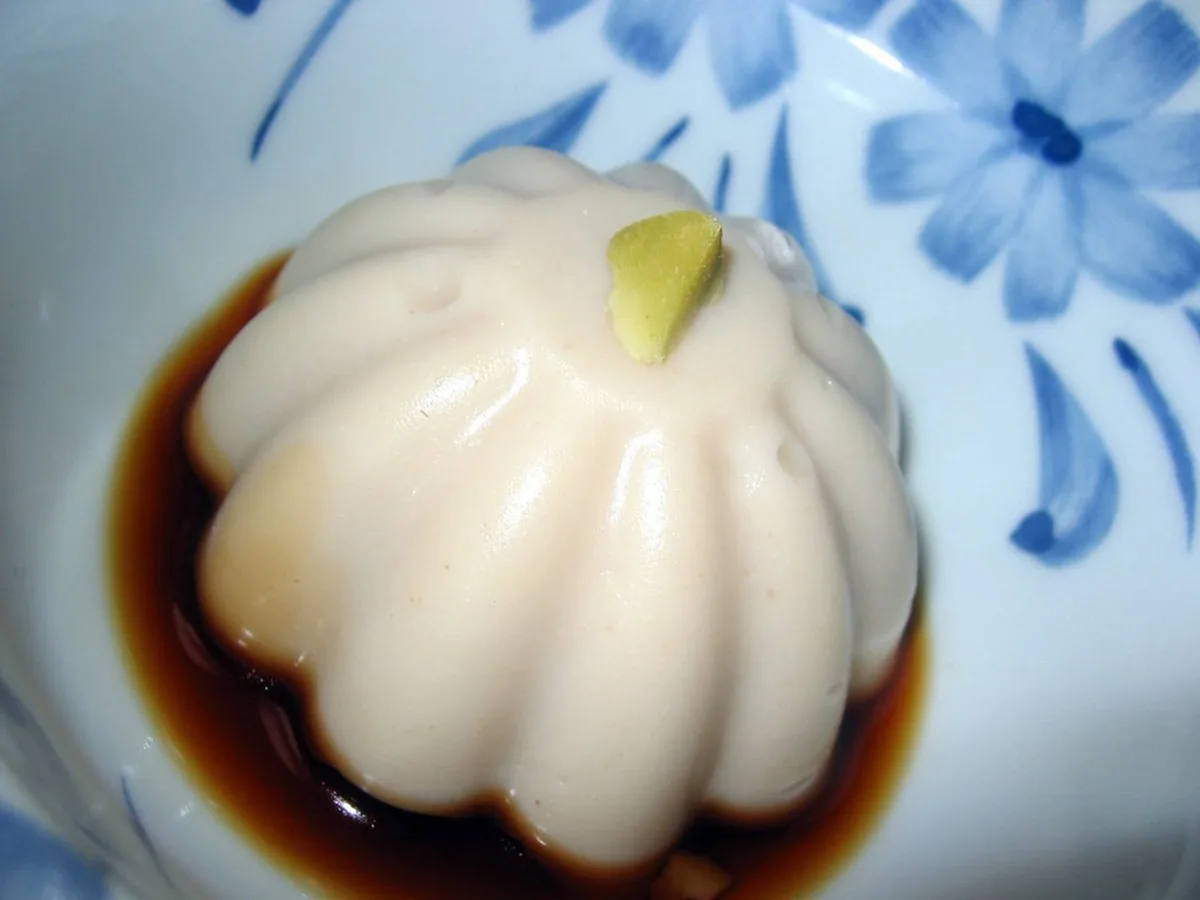
Nomura has earned a spot on the Plant Forward Global 50, a group of leading plant-based chefs worldwide. His signature move with sesame tofu demonstrates his approach: "Cold, it's quite limited, but when fried it opens up so many options — I've served it with umami sauce, even mashed potato." The restaurant holds a Google rating of 4.3 for Sougo from a broad international audience.
One of the most discussed innovations at Sougo is the optional alcohol pairing — sake and domestic Japanese wines matched to each course. While traditional monks observe a strict prohibition on intoxicants, secular restaurants treat the pairing as a way to highlight the complexity of the vegetables. A crisp junmai sake, for example, elevates the creamy texture of handmade goma-dofu, while a light Hokkaido chardonnay complements simmered Kyoto daikon. If you want this pairing at Sougo, it must be booked in advance through the Wabunka platform — it is not available on the restaurant's standard menu.
Practical Tips: Etiquette, Booking, and What to Expect
Dining in a temple requires a different posture than eating in an izakaya. Before the meal begins, monks and guests recite a brief gratitude verse called gochisoosama to acknowledge the lives of the plants given for the meal. The expected etiquette during the meal itself:
- Silence or quiet conversation is the norm — loud talk disrupts the meditative atmosphere.
- Finish everything on your tray. Leaving food, especially rice, is considered disrespectful of the preparation effort.
- Do not pour soy sauce over dishes unless a monk indicates it is appropriate — the seasoning is already calibrated.
- Hold your rice bowl with both hands when the monk places it before you.
- At breakfast, the invitation to attend goma (morning fire ceremony) is optional but strongly recommended for first-time visitors.
Booking a meal at a popular shukubo in 2026 requires advance planning. For a Koyasan day trip, restaurants near the Danjo Garan complex area serve simplified shojin sets without requiring an overnight stay — Hanabishi and Maruman are two long-running options within walking distance of the main temple precinct. For shukubo reservations, the Koyasan Tourist Association website (koyasan.or.jp) lists all 52 shukubo with direct booking links; most temples also accept email reservations in English. Book at least two to three months ahead for weekend nights, and four to six months ahead for autumn foliage season (mid-October to mid-November).
On cost: a simple shojin lunch at a day-visitor restaurant runs 2,000 to 4,000 yen. A full overnight shukubo package including dinner and breakfast is typically 12,000 to 20,000 yen per person. Kaiseki-style shojin at a destination restaurant in Kyoto or Tokyo ranges from 8,000 to 30,000 yen depending on the number of courses. Vegetarians and vegans should confirm in advance that no dashi made from fish stock (katsuobushi) is used — some casual restaurants calling themselves "shojin-inspired" do use fish-based broths.
Frequently Asked Questions
What is the difference between shojin ryori and standard veganism?
Shojin ryori is a spiritual practice rooted in Zen Buddhism, focusing on mindfulness and non-violence. While it is plant-based, it also excludes 'gokun' (pungent roots like garlic). Standard veganism is typically a dietary or ethical choice that does not involve these specific religious restrictions or preparation rules.
Why does shojin ryori avoid garlic and onions?
Buddhist monks believe that pungent vegetables like garlic, onions, and leeks overstimulate the senses. These 'gokun' are thought to hinder meditation by creating anger or sexual desire. By removing them, the cuisine remains pure and conducive to the calm mental state required for monastic life.
Where is the best place to try shojin ryori in Kyoto?
The Arashiyama district is home to several famous spots, including Shigetsu located within the Tenryu-ji temple grounds. Many travelers also enjoy the traditional atmosphere of Daitoku-ji's sub-temples. For more options, check our guide on vegetarian and vegan restaurants in Kyoto for updated 2026 recommendations.
Is shojin ryori expensive compared to other Japanese cuisines?
Prices vary significantly depending on the setting. A simple temple lunch may cost 3,000 yen, while a full kaiseki dinner at a Michelin-starred restaurant can exceed 20,000 yen. The cost reflects the labor-intensive techniques and high-quality seasonal ingredients used by the chefs.
Exploring shojin ryori offers a unique window into the soul of Japanese culture and Buddhist philosophy. Whether you dine in a silent temple in Koyasan or a modern bistro in Tokyo, the experience remains unforgettable. The focus on seasonal ingredients and mindful preparation provides a refreshing contrast to the fast-paced modern world. Take the time to savor each bite and appreciate the ancient traditions that continue to thrive today.
Free: The Mount Kōya Essentials guide
Top things to do, where to stay, a perfect day plan, getting around, and the best time to go — a Mount Kōya mini-guide you can take offline.
You might also like

Continue reading
More guides you'll find useful