

Koyasan Temple Stay Guide: 8 Things to Know Before You Book
Plan your Koyasan temple stay with our guide to the best shukubo, booking tips for instant confirmation, and what to expect from a monk's vegetarian meal.
On this page
High atop the forested peaks of Wakayama Prefecture, Mount Koya is the spiritual heart of Shingon Buddhism — a UNESCO World Heritage site established by Kobo Daishi in 816. A Koyasan temple stay, known as shukubo, lets you sleep inside a working monastery, join morning prayer, and eat the same vegetarian food the monks have prepared for centuries. No other overnight experience in Japan comes close to it. This guide covers everything you need to plan, book, and make the most of your 2026 visit.
What is a Koyasan Temple Stay (Shukubo)?
Shukubo means "lodging at a place of practice." These temple guesthouses originally housed pilgrims walking the mountain's sacred routes, and more than 50 of Koyasan's 117 temples now accept paying guests. You are not staying at a museum recreation — monks perform their daily rituals around you, the incense is real, and the 6:00 AM bell is your actual alarm clock.
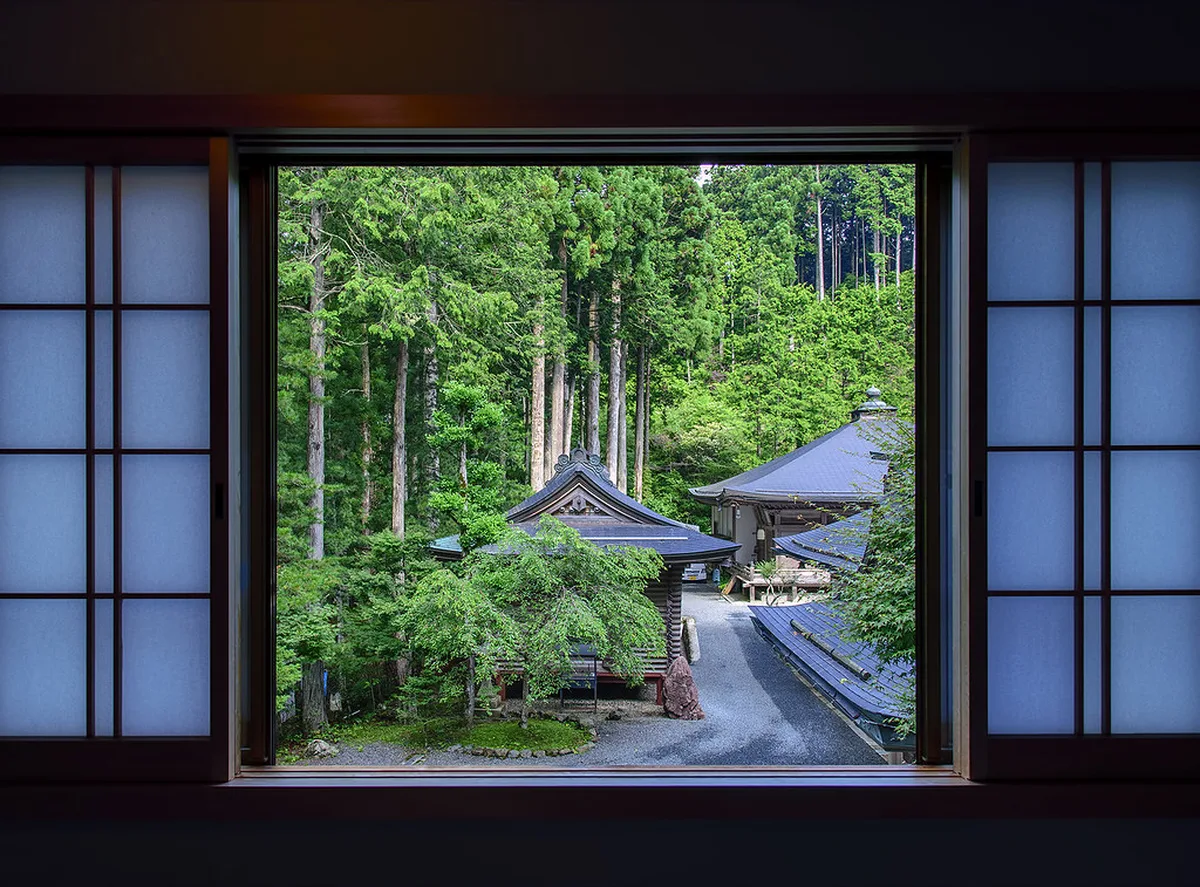
Rooms are traditional Japanese: tatami mats, futons unrolled by staff each evening, and paper sliding doors (fusuma). Most shukubo provide yukata robes for wearing in the corridors and to dinner. Facilities range from shared bathrooms in older temples to private en-suite rooms in more recently renovated ones. There are no TVs, and Wi-Fi is basic at most properties — which is partly the point.
The atmosphere is unlike a ryokan or capsule hotel. You are living inside a Shingon Buddhist monastery where Kobo Daishi's teachings shape every detail, from the food to the timing of your bath. Guests of all religions and nationalities are welcome; participation in ceremonies is encouraged but never compelled. For many travelers it becomes the single most memorable night of their Japan trip.
How to Select and Book Your Temple Stay
The Koyasan Shukubo Association is the official central booking body for all 50-plus member temples. Their website offers two distinct reservation tracks, and understanding the difference will save you frustration. The first is a "Booking Request" service: you submit your dates and preferences, the association matches you with an available temple, and confirms within 24–48 hours. This covers the majority of temples but requires advance planning.
The second track is instant booking, available at six temples only: Hojo-in, Kodai-in, Fugen-in, Daien-in, Fudo-in, and Eko-in. These six show live availability and confirm immediately — ideal if you are building a flexible itinerary or booking close to your travel date. Prices run from around 12,000 yen per person per night at the lower end to 30,000 yen at premium rooms with private facilities. All prices include the two-meal plan (dinner and breakfast); booking without meals is possible but rarely worth it.
A practical warning: most Koyasan temples are cash-only. Bring enough yen to cover your room and any amulets or incense you buy at temple shops. Major travel platforms like Booking.com also list a handful of shukubo if you prefer a familiar interface, though the Association's own site typically has the widest inventory. Book at least four to six weeks ahead during peak season (October foliage, spring cherry blossom, and Golden Week).
How to Get to Your Koyasan Temple
Getting to Mount Koya is a journey in itself. From Namba Station in Osaka, take the Nankai Koya Line to Gokurakubashi at the base of the mountain — the Limited Express "Koya" service is the fastest and most comfortable option. Total rail time from Namba is about 80 minutes, and trains run throughout the day. From Kyoto, the most practical route is to travel to Namba first and then catch the Nankai Line.
At Gokurakubashi you board the Koyasan Cable Car for a steep five-minute ride up through cedar forest. This cable car is the only way up; walking is prohibited on the mountain road. At the top, a local bus network covers the entire town. The bus from the cable car station to Okunoin cemetery Cemetery takes around 20 minutes and costs 410 yen. Your temple's address will tell you which stop to use — most guesthouses will send directions on booking confirmation.
A Japan Rail Pass covers JR trains but does not cover the Nankai Railway. You can use the pass as far as Hashimoto on the JR Wakayama Line, but the final stretch to Gokurakubashi requires a separate Nankai ticket. The "Koyasan World Heritage Ticket" (available at Namba Station) bundles the round-trip Nankai fare and unlimited local buses for one price and often works out cheaper than buying segments individually. Check the route from Osaka for current timetables and fare details.
The Shojoshin-in Temple Experience
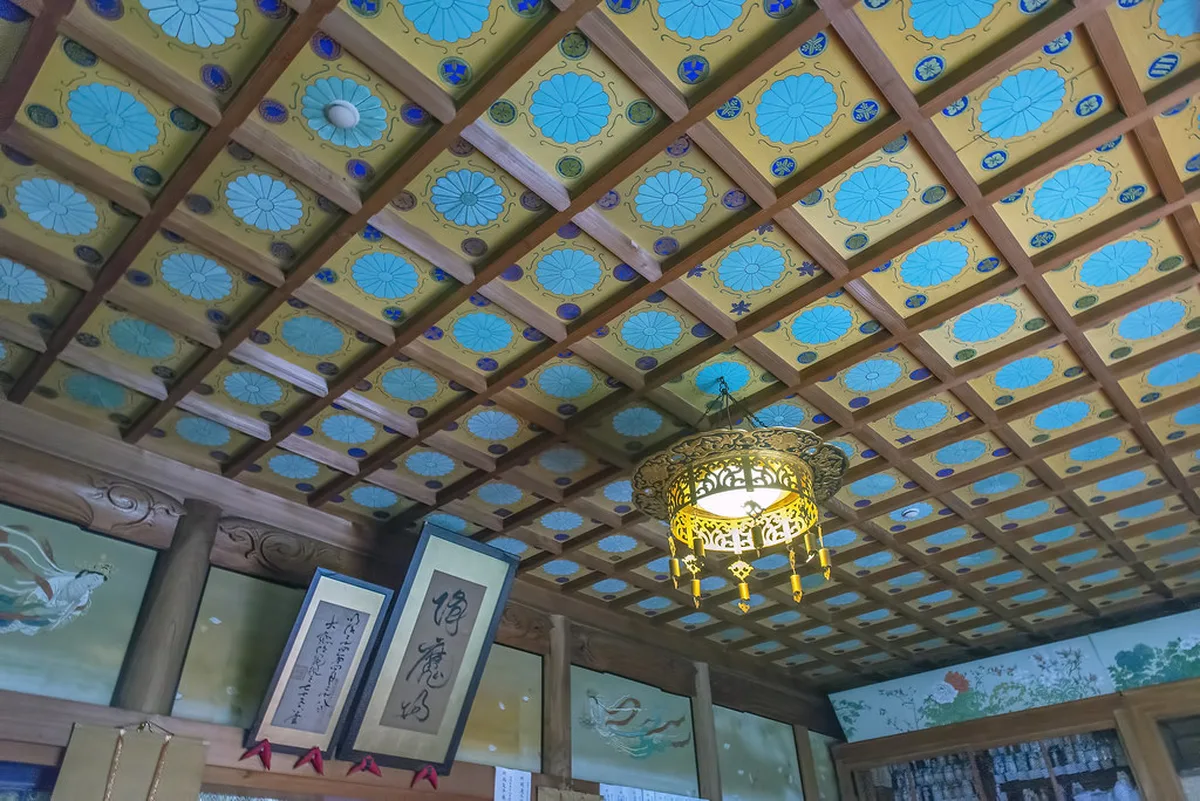
Shojoshin-in sits at the entrance to Okunoin Cemetery, making it the most convenient base for an early-morning or night walk through the memorial forest. The temple dates to the Edo period and its massive wooden gate and carved transoms are worth examining closely before you even check in. At reception, you kneel on cushions and pay a monk directly — there are no room keys, because this is a temple, not a hotel.
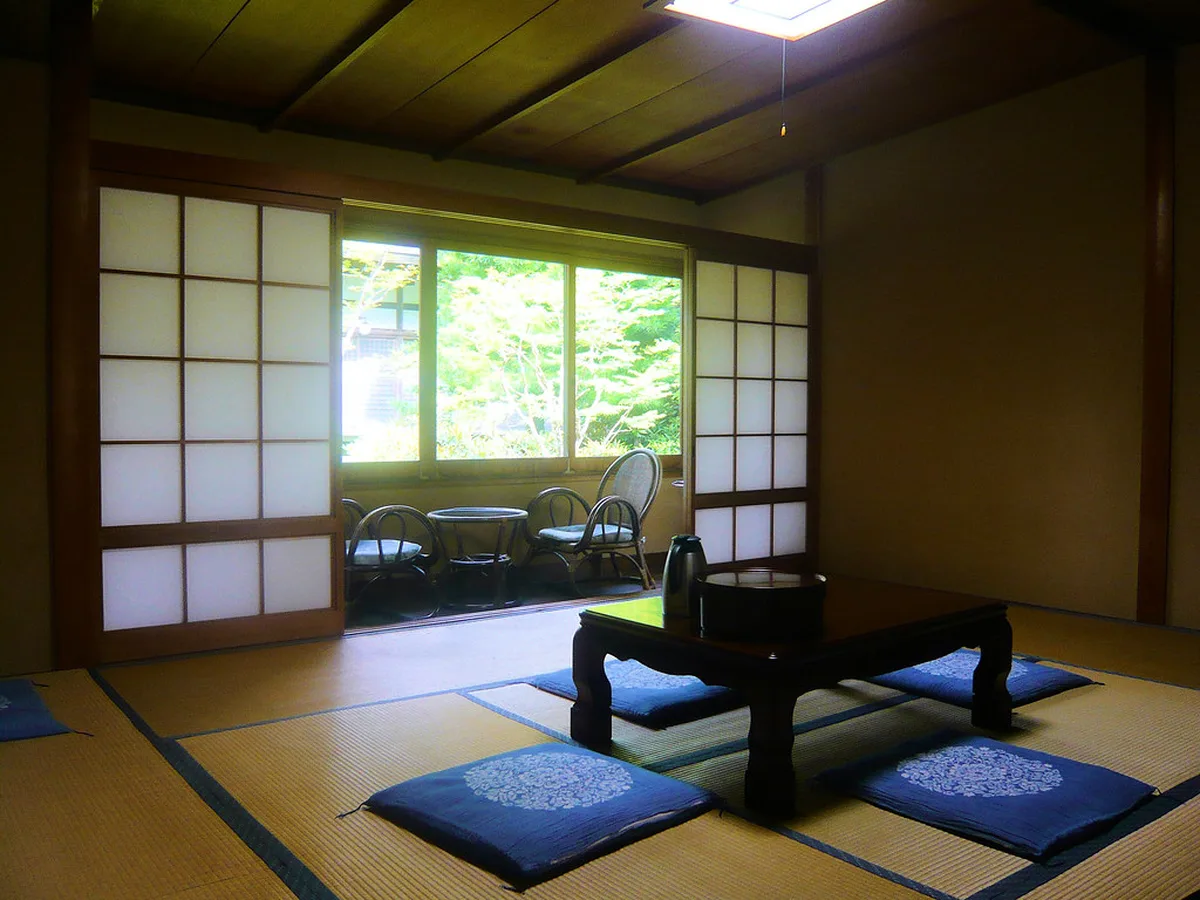
Morning prayer begins at 6:00 AM and attendance is expected, not optional. Guests sit in the main hall as monks perform rhythmic sutra chanting and ritual offerings. The 45-minute service ends with guests receiving a small herbal tea. Afterward, breakfast is laid out in your room or the communal dining hall around 7:00 AM. The temple also performs a Goma fire ceremony on certain mornings — a separate, visually striking Shingon ritual where wooden sticks inscribed with prayers are burned in a central hearth to purify obstacles. It is distinct from the sutra service and worth catching if your stay aligns with the schedule.
Rooms face interior gardens that change with each season: blazing maples in October, snow-dusted stone lanterns in January, moss carpets in June. In winter, rooms are equipped with space heaters, but the hallways and communal baths remain genuinely cold. The temple offers gender-segregated communal baths, which monks also use. Check-in is typically 15:00, and the main gate closes around 21:00 — plan your Okunoin walk accordingly.
Eat Like a Monk: Multi-Course Shojin Ryori
Shojin Ryori is the formal vegetarian cuisine of Shingon Buddhism and one of the most underrated dining experiences in Japan. Every dish follows the "Rule of Five": five colors (white, black, red, green, yellow), five flavors (sweet, sour, salty, bitter, umami), and five cooking methods within a single meal. No meat, fish, eggs, or pungent aromatics like garlic and onion are used — their stimulating properties are considered incompatible with meditation.
The centerpiece of most Koyasan dinners is Goma-dofu, a dish unlike anything called tofu elsewhere. It is made by grinding roasted sesame seeds into a paste, combining that paste with kuzu starch, and then slowly stirring the mixture over heat until it sets into a dense, creamy block. The result is rich, faintly nutty, and served chilled with a dab of wasabi and soy sauce. Other typical items include tempura-fried seasonal vegetables, tofu dengaku (grilled with sweet miso), simmered mountain vegetables (sansai), pickled daikon, and clear dashi broth made from kombu seaweed.
Dinner is served early, usually between 17:30 and 18:00, in your room on lacquerware trays. Some temples serve guests communally. Breakfast follows the morning service and mirrors the same vegetarian principles: rice porridge (kayu), miso soup, pickled vegetables, and small preserved side dishes. A typical shojin ryori dinner involves ten to fifteen small dishes — the variety compensates for what it lacks in calories. Most guests are surprised by how satisfying it is.
Exploring Okunoin Cemetery
Okunoin is Japan's largest and oldest cemetery, stretching two kilometers through towering cedar trees and housing over 200,000 stone monuments. The path leads from the first bridge (Ichi-no-hashi) to the Torodo Hall, where thousands of lanterns are said to have burned continuously for more than 1,000 years. Behind the hall is Gobyonoma, the innermost precinct where Kobo Daishi is believed to be in eternal meditation. Photography and loud conversation are strictly prohibited beyond the Gobyonoma torii.
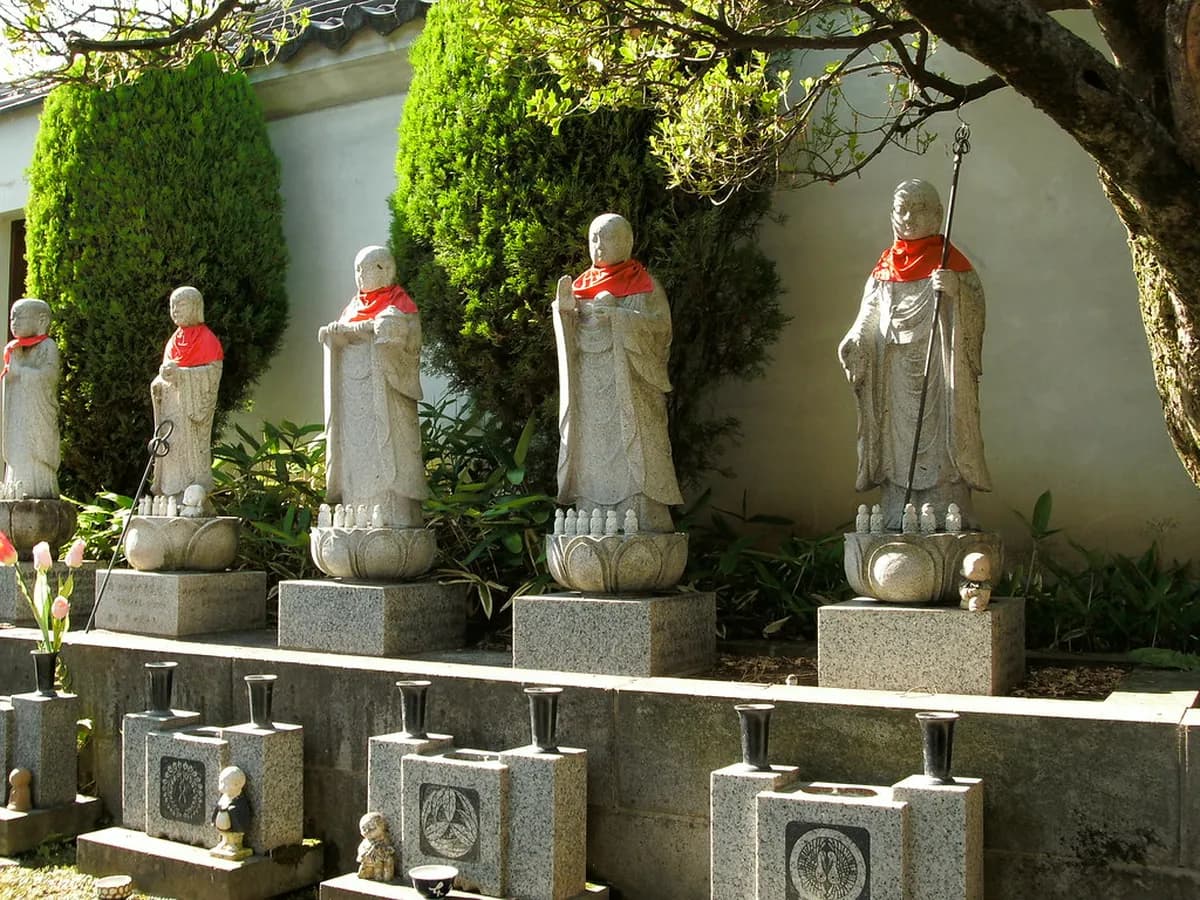
Walking the route at night is a completely different experience from daytime. Stone lanterns cast long shadows across moss-covered stupas, and the cedar canopy blocks almost all ambient light. You can book a monk-led night tour at tourist information desks in town or online for around 1,800 yen — the English-speaking monks explain the significance of the Jizo Bosatsu figurines dressed in children's red clothing scattered throughout the cemetery, and share stories about the more unusual monuments, including one erected by a pesticide company for the insects it exterminated. A self-guided walk is free and equally atmospheric, though you lose the cultural commentary.
Daytime visits reveal details the night hides: grave markers for samurai clans, corporate memorials from companies including Nissan and UCC Coffee, and the twice-daily ritual of monks carrying lacquered meal boxes to Kobo Daishi's mausoleum. Okunoin is free to enter at any hour. Plan at least 90 minutes for a one-way walk to Torodo Hall and back.
Essential Etiquette for Temple Guests
Shukubo are active monasteries first and guesthouses second. Noise curfew is typically 21:00, when the main gates close. Speak quietly in corridors, especially in the early morning before services. Remove outdoor shoes at the entrance and change into the provided hallway slippers. Those slippers come off again before stepping onto tatami mats, and separate toilet slippers exist solely for the bathroom — confusing them is the most common mistake first-time guests make.
Communal baths follow the standard Japanese protocol: wash and rinse completely at the individual shower stations before entering the soaking tub. Baths are scheduled in time windows (women's and men's hours are posted at reception). Guests with large tattoos should check each temple's policy in advance; some maintain traditional rules while others have relaxed them for international travelers. If in doubt, email the temple before booking.
Bring cash. Most shukubo do not accept credit cards, and the few ATMs on the mountain are at convenience stores near the Senjuinbashi bus stop. Budget an extra few thousand yen beyond your room rate for amulets, incense, and any optional guided tours.
Money, Connectivity, and Getting Around Koyasan Town
Koyasan's town center is compact enough to cover on foot: most temples, the Danjo Garan complex, and the entrance to Okunoin sit within a 20-minute walk of each other, and the tourist information office near Senjuinbashi bus stop rents bicycles for travelers who want to cover the outer edges faster.
Cash remains essential inside the temples themselves, but you are not stranded without a bank on the mountain — the Japan Post Bank ATM near Senjuinbashi and the ATM inside the local convenience store both accept foreign cards, and most restaurants and souvenir shops, unlike the shukubo, do take credit cards. Mobile signal from major Japanese carriers covers the town center reasonably well but drops out inside stone-walled temple compounds and along stretches of the Okunoin path, so download offline maps before setting out.
If you are continuing on to Kyoto or Osaka the next morning, the bus office at Koyasan Station can forward your main luggage ahead by takkyubin courier for around 2,000 yen per bag, typically arriving at your next hotel the following afternoon. This is worth arranging the evening before if you want to walk Okunoin at night unencumbered rather than hauling a suitcase up the mountain first. Travelers arriving via the Kyoto route often use the same counter in reverse when heading back down.
Best Temples for Instant Booking
As of 2026, exactly six temples on the official Koyasan Shukubo Association platform offer instant confirmation. All six are suitable for first-time visitors and have English-language booking flows. The remaining 45-plus temples use the request system, which takes 24–48 hours and requires more flexibility on dates.
| Temple | Best for | Approx price/person | Notes |
|---|---|---|---|
| Eko-in | First-time visitors, English tours | ¥22,000+ | Most popular with international guests; organizes English Okunoin night tour and Goma ceremony |
| Fudo-in | Food enthusiasts | ¥22,000 | Shojin ryori considered finest on the mountain |
| Hojo-in | Garden lovers, quieter setting | ¥15,000 | Western position near Danjo Garan complex; strong seasonal garden views |
| Kodai-in | History and central location | ¥14,000 | Founded 1125 by imperial priest; central, bus-accessible |
| Fugen-in | Literary travelers, town center | ¥13,000 | Favorite haiku retreat of Matsuo Basho; near center of town |
| Daien-in | Geographic center, access | ¥15,000 | Head temple of Koyasan, founded early 9th century; short walk to multiple bus stops |
Eko-in is consistently the most popular choice for international travelers. It is one of the few temples that organizes an English-language Okunoin night tour and a morning Goma fire ceremony specifically timed for guests. Fudo-in draws visitors who prioritize food quality — its shojin ryori is considered among the finest on the mountain. Hojo-in occupies a quieter western position near the Danjo Garan temple complex, with strong garden views. Kodai-in was founded in 1125 by an imperial priest and blends historical depth with a central, bus-accessible location. Fugen-in sits near the center of town and was a favorite haiku retreat for poets including Matsuo Basho. Daien-in is the head temple of Koyasan, founded in the early 9th century, and sits in the geographic center of town within a short walk of multiple bus stops.
For any temple outside these six, submit a booking request through the Association at least three weeks before your visit. Provide your preferred dates, party size, dietary restrictions, and whether you need an English-speaking contact. The Association will confirm availability and price before charging you anything.
What to Pack for a Koyasan Temple Stay
Koyasan sits at 900 meters above sea level. Even in May and October, temperatures after dark drop to 10°C or below. In January and February they can reach -5°C, and snow is common. Temples heat individual rooms but corridors, bathrooms, and the outdoor walkways to the main hall are unheated. Pack thermal underlayers even on a summer visit — mornings at 6:00 AM feel colder than the daytime forecast suggests.
A few items that most travel guides skip: bring your own indoor slippers or thick socks, since temple-provided slippers are often thin and sized for smaller feet. Carry a small flashlight or use your phone torch for the Okunoin night walk — the path between stone markers is uneven in places. Pack a small envelope of cash specifically for buying omamori (protective amulets) at temple shops, since card machines are rare and the amulets make meaningful souvenirs. If you plan to attend the Goma fire ceremony, sit near the front so the incense and chanting fully envelop you — the rows at the back lose much of the atmosphere.
Leave valuables and unnecessary electronics at your Osaka or Kyoto base. The simplicity of the mountain is most enjoyable when you are not managing devices. Most shukubo have no in-room safes, and the unlocked-room culture relies on mutual trust — the same trust that makes the experience feel so distinct from modern hotel stays.
Six temples offer instant booking confirmation: Eko-in, Fudo-in, Hojo-in, Kodai-in, Fugen-in, and Daien-in. You can secure a room the same day or with just a few days' notice through the Koyasan Shukubo Association website — perfect if you're building a flexible itinerary around your Japan trip.
Rooms at Koyasan temples are genuinely unheated in common areas. Even in summer, the mornings reach 10°C or below at 900 meters elevation. Pack thermal underlayers, thick socks, and a warm layer even for May visits — the 6:00 AM bell and meditation hall will feel significantly colder than your daytime wandering around town.
A Koyasan temple stay is more than a night's lodging — it is a structured encounter with a 1,200-year-old living tradition. The logistics are manageable once you understand the two-tier booking system, the Nankai Railway route, and the cash-only reality on the mountain. The experience itself — from the 6:00 AM chanting to a ten-course Goma-dofu dinner by lantern light — rewards the planning involved. Check the best season to visit to match your stay to the season, and browse the full Koyasan attractions guide to build a complete itinerary around your shukubo night.
Best Time to Visit Koyasan by Season
Mount Koya sits at roughly 900 meters elevation, so its climate runs several degrees cooler than Osaka or Kyoto in every season — the packing list above assumes this year-round chill rather than the forecast for the lowlands.
Spring, from late March through mid-April, brings cherry blossoms around the Danjo Garan complex and mild days near 12–18°C, though mornings still call for a jacket. June and early July are Japan's rainy season; expect frequent showers and thick mist drifting through Okunoin's cedar forest, which many visitors consider one of the most atmospheric times to walk the cemetery despite the wet.
Midsummer, late July through August, is Koyasan's busiest escape-the-heat season: daytime highs hover around 25°C while Osaka swelters near 35°C, so the four-to-six-week booking window mentioned earlier becomes non-negotiable. Autumn color builds through October and typically peaks in the final two weeks of the month into early November, matching the foliage rush the booking section warns about — reserve as early as possible if these dates matter for your trip.
Winter turns Koyasan genuinely cold, with overnight temperatures regularly below freezing from December through February and occasional snow that settles on temple roofs for days. Full winter logistics, including which temples handle snow best, are covered separately — but expect thinner crowds and a starkly quiet Okunoin in exchange for the cold.
Frequently Asked Questions
How much does a temple stay in Koyasan cost?
A typical stay costs between 12,000 and 25,000 yen per person per night. This price includes a traditional vegetarian dinner and breakfast. Some premium temples with private facilities may charge more. It is best to check the official association site for current rates.
What should I wear for a temple stay in winter?
Koyasan is much colder than Osaka or Kyoto, especially during the winter months. Pack heavy thermal layers, wool socks, and a warm jacket for the morning prayers. Temples provide space heaters, but the hallways and bathrooms remain quite chilly. Bringing your own slippers can also add extra comfort.
Is the Okunoin Cemetery night tour worth it?
Many travelers consider the night tour a highlight of their trip to Japan. Walking through the cemetery with a monk provides cultural context you might miss alone. The lanterns create a mystical atmosphere that is entirely different from the daytime. It is a memorable way to experience the spiritual side of the mountain.
Free: The Mount Kōya Essentials guide
Top things to do, where to stay, a perfect day plan, getting around, and the best time to go — a Mount Kōya mini-guide you can take offline.
You might also like


Continue reading
More guides you'll find useful

