Koyasan From Osaka: 9 Essential Tips and Itinerary Steps
Plan your trip from Osaka to Koyasan with our detailed 1-day itinerary, transport guide from Namba or KIX, and tips on the Nankai World Heritage Pass.
On this page
Koyasan (Mount Koya) sits less than two hours from Osaka by train, yet it feels completely removed from the city. The sacred mountain holds over 100 Buddhist temples, a vast cedar-lined cemetery, and a spiritual atmosphere that most visitors describe as unlike anywhere else in Japan. This guide covers every step of the journey in 2026 — trains, passes, timing, and what to do once you arrive.
Before choosing the mountain drive, compare Osaka–Koyasan by car and train with your party size, tolls, parking, luggage and pickup time included.
Why Visit Koyasan?
Koyasan is the world headquarters of the Koyasan Shingon sect of Buddhism, established in the early 9th century by the monk Kobo Daishi (Kukai). The entire mountain settlement was designated a UNESCO World Heritage Site in 2004. It sits at roughly 800 metres above sea level on a plateau shaped by eight peaks, which Shingon tradition holds to represent a lotus blossom.
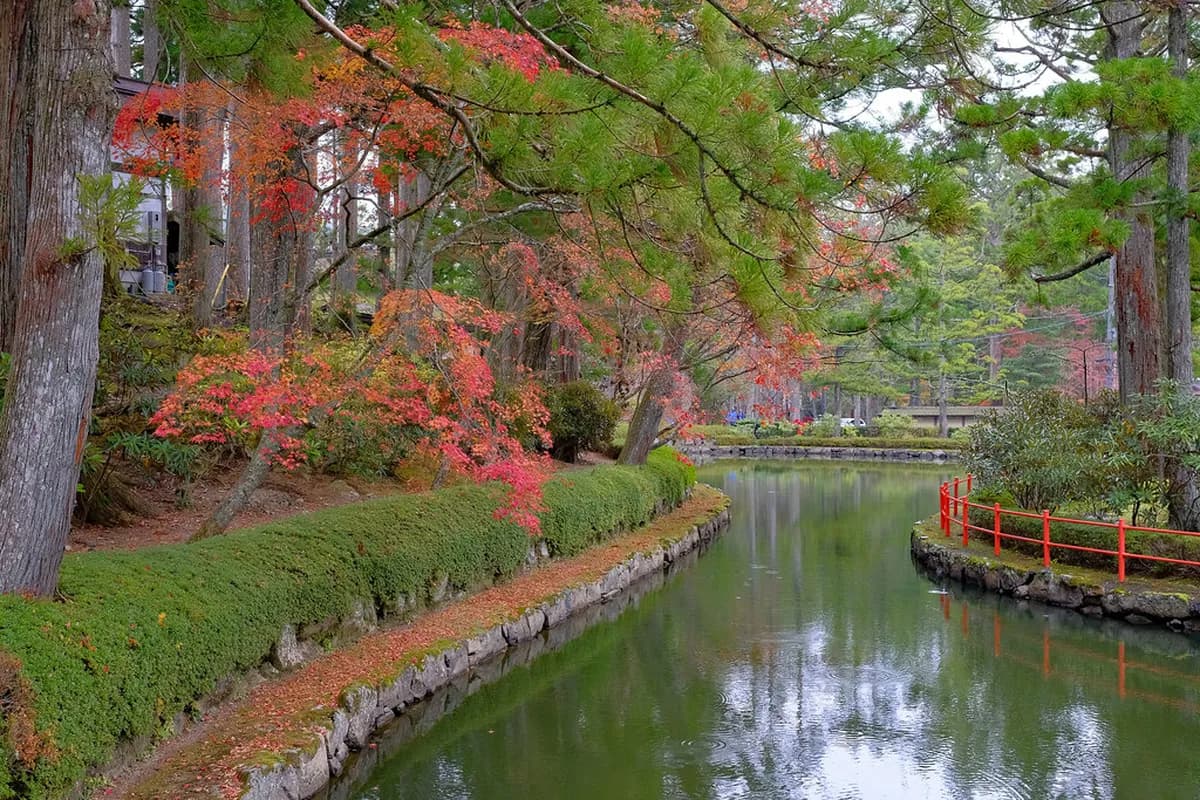
For day-trippers from Osaka, the appeal is the contrast. You leave Dotonbori or Namba and arrive within 90 minutes at a mountain village where monks still conduct fire rituals at dawn. Okunoin cemetery Cemetery alone — over 200,000 tombstones beneath ancient cedar trees — is one of the most atmospheric places in Japan. October and November add autumn foliage, which turns the cedar groves from deep green to gold and red.
Getting from Osaka to Koyasan: Transport Options
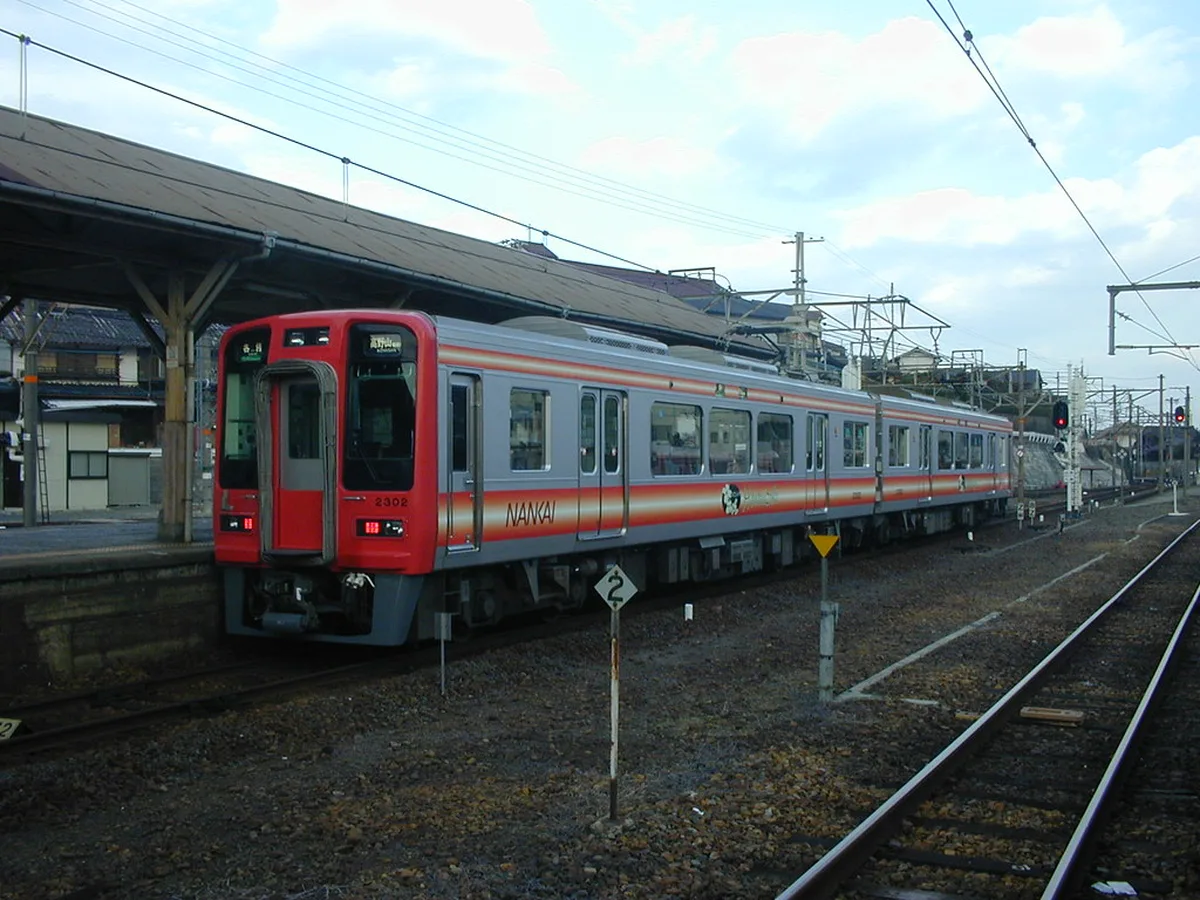
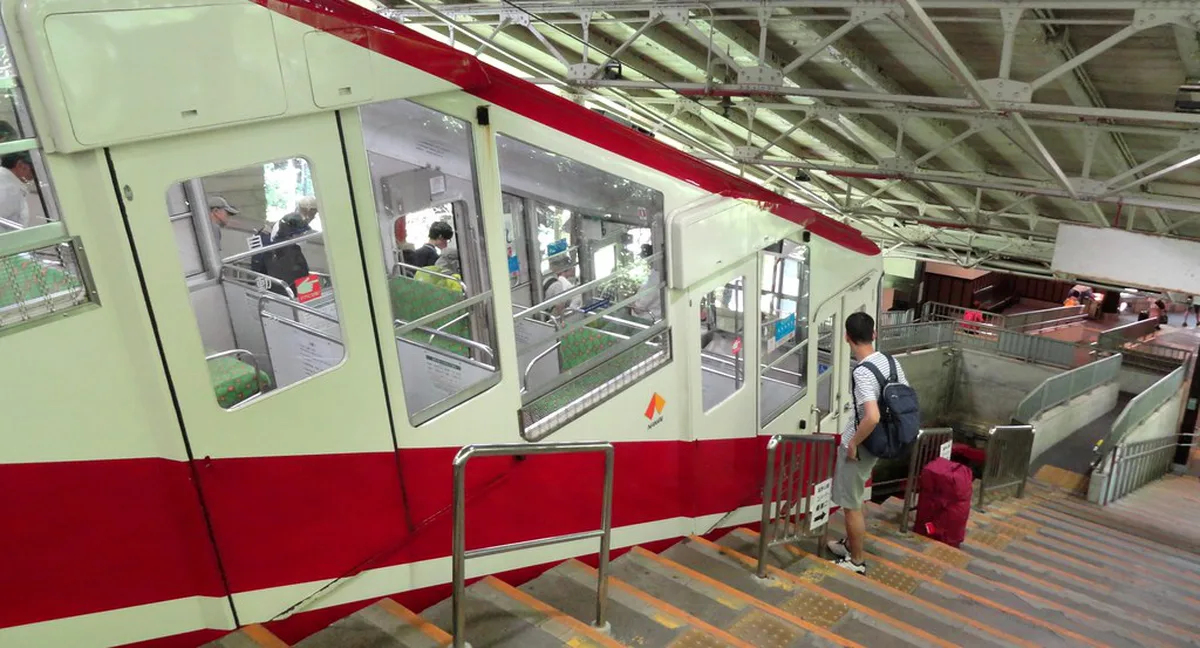
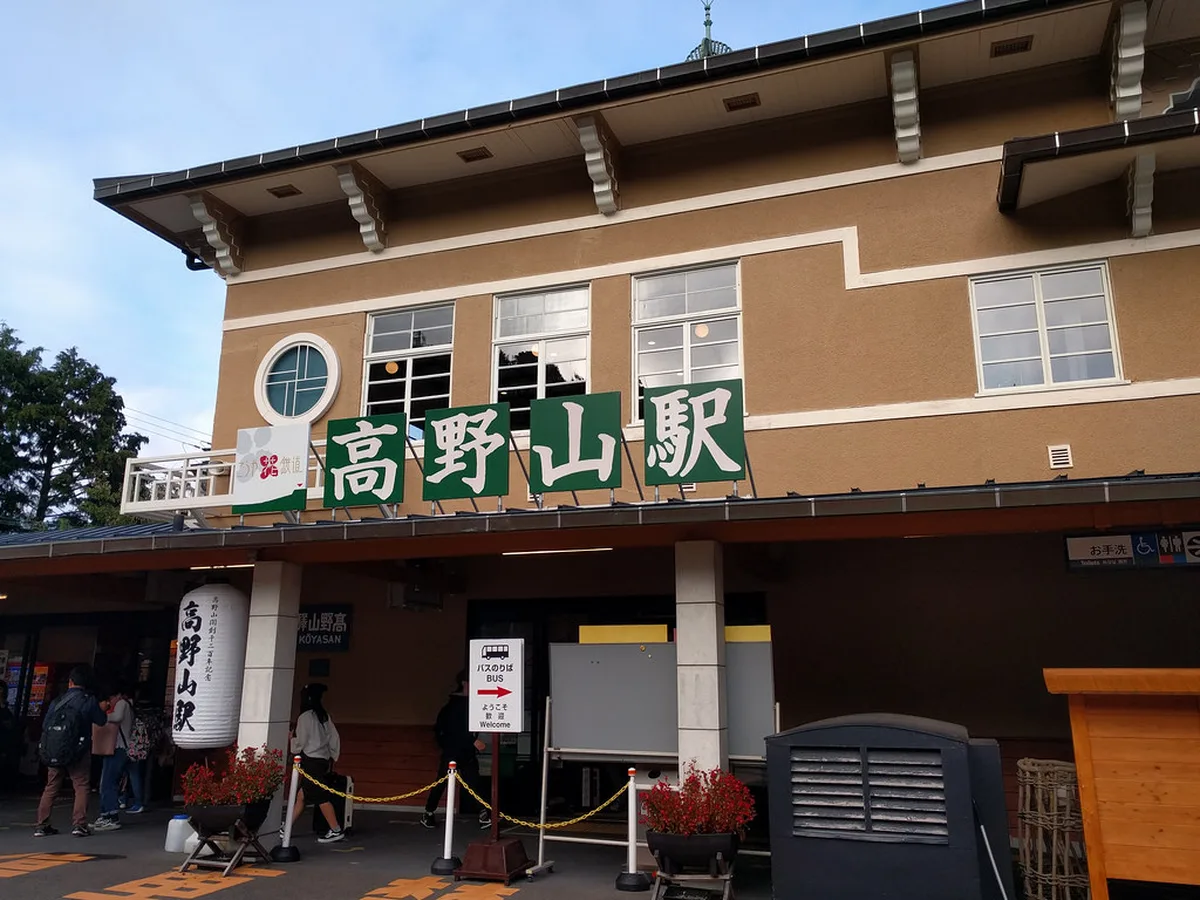
The standard route starts at Nankai Namba Station on the Nankai Koya Line. Take the Limited Express Koya directly to Gokurakubashi Station — journey time is approximately 90 minutes, and this train requires a reserved seat and a separate limited express surcharge (¥790 each way on top of the base fare). If you prefer to save money, express trains run to Hashimoto Station where you transfer to a local train to Gokurakubashi; this takes around 1 hour 55 minutes but avoids the surcharge. At Gokurakubashi, the Koyasan Cable Car climbs the final steep section to Koyasan Station in about 5 minutes, with departures every 20–30 minutes. From the station, buses connect to all major sites in the village.
You can also board at Shin-Imamiya Station (one stop before Namba on the Nankai line), which is useful if you are staying in the Tennoji area. The journey time and cost are nearly identical to departing from Namba.
Driving is possible — parking is available near major temples — but the mountain roads are narrow and winding. For most visitors, the train and cable car combination is the faster, simpler option.
The Nankai Koyasan World Heritage Ticket saves ¥500–¥600 compared to buying all components separately. At ¥3,140 per ticket, it covers the round-trip Nankai Koya Line fare, cable car, unlimited mountain bus rides, and museum discounts. The pass is valid for 2 days, so overnight visitors benefit from the same price.
If you take the Limited Express Koya train, you must reserve a seat and pay an additional ¥790 surcharge each way on top of the base fare. Standard express or local trains do not require a reservation but take roughly 25 minutes longer — the Nankai World Heritage Ticket does not cover the Limited Express surcharge.
| Option | Duration | Approx Fare | Notes |
|---|---|---|---|
| Limited Express Koya (Namba to Gokurakubashi) | ~90 minutes | ¥1,860 + ¥790 surcharge | Reserved seat required; fastest option; surcharge NOT included in World Heritage Pass |
| Express or Local Train (Namba to Hashimoto) | ~1 hour 55 minutes | ~¥1,070 | No surcharge; longer journey with transfer at Hashimoto; covered by World Heritage Pass |
| Departing from Shin-Imamiya Station | ~90 minutes (LE) or ~1h 55m (local) | Similar to Namba fares | One stop before Namba on the Nankai line; useful if staying in Tennoji area |
| Koyasan Cable Car (Gokurakubashi to Koyasan Station) | ~5 minutes | Included in World Heritage Pass | Departs every 20–30 minutes; final ascent to the mountain |
JR Pass Holders: The Hashimoto Transfer Reality
The JR Pass does not cover the Nankai Koya Line. However, JR rails do reach Hashimoto, which is a stop on the Nankai Koya Line roughly halfway to the mountain. Some JR Pass holders assume it is worth taking JR to Hashimoto and then buying only the Nankai segment onward. The maths make this look appealing but it rarely saves money. The JR Osaka Loop to Tennoji then the JR Wakayama Line to Hashimoto costs roughly ¥580 on top of your pass fare, while the Nankai Hashimoto to Gokurakubashi segment costs around ¥680 — a combined out-of-pocket spend of approximately ¥1,260. Starting from Namba on the Nankai line all the way to Gokurakubashi costs around ¥1,070. The Hashimoto transfer adds two platform changes, around 25 extra minutes, and ends up costing more. Unless you are already in the Hashimoto area, start from Namba.
The Nankai Koyasan World Heritage Pass: Is it Worth It?
The Koyasan World Heritage Ticket (Official Nankai) covers the round-trip Nankai Koya Line fare from Osaka, the Koyasan Cable Car, unlimited mountain bus rides, and discounts at key attractions including a 20% reduction at the Koyasan Reihokan Museum. The standard adult pass costs ¥3,140 in 2026. Buying all components separately for a day trip costs roughly ¥3,600–¥3,700 when you include several bus journeys, so the pass saves around ¥500–¥600.
The key constraint: the base pass does not cover the Limited Express Koya surcharge. If you want the faster reserved-seat train, add ¥790 each way. For travellers using local or express trains, the pass is the best all-in-one option. The pass is valid for 2 days, which means overnight visitors also benefit — you pay the same ¥3,140 whether you use it for one day or two. The pass is available as an e-ticket, activated via a link, so you do not need to visit a ticket office before travel.
Check the Koyasan day trip guide for a broader breakdown of what the pass covers across different visitor profiles.
Perfect One-Day Koyasan Itinerary from Osaka
Leave Namba no later than 08:00 to reach Koyasan before 10:00. This lets you visit Okunoin in the quieter morning hours before tour groups arrive. The mountain temperature is typically 8 degrees Celsius cooler than central Osaka, so pack a layer even in summer.
- 08:00 — Depart Nankai Namba Station on the Limited Express Koya or express to Hashimoto
- 09:25–09:30 — Arrive Gokurakubashi, board cable car to Koyasan Station
- 09:45 — Board bus toward Okunoin-mae Bus Stop
- 10:00–12:00 — Walk the 2 km Okunoin cemetery path from Ichinohashi Bridge to the inner sanctuary
- 12:30–13:30 — Lunch in Koya Village (see below)
- 14:00–15:00 — Kongobuji Temple and the Banryutei rock garden
- 15:00–16:30 — Danjo Garan complex complex and Konpon Daito pagoda
- 16:30–17:00 — Reihokan Museum if time allows (closes 17:30 May–Oct, 17:00 Nov–Apr)
- 17:30 — Bus back to Koyasan Station, cable car to Gokurakubashi, Limited Express to Namba
- 19:00–19:30 — Back in Osaka
This schedule gives you a full six hours on the mountain. Start at Okunoin rather than the village centre — you approach the cemetery in the morning calm and walk back toward the restaurants and temples as the day warms up.
Must-See Attractions: Okunoin to Danjo Garan
Okunoin is the most visited site on the mountain and the most spiritually significant. The main approach runs 2 km from Ichinohashi Bridge to the mausoleum of Kobo Daishi, flanked by over 200,000 tombstones beneath cedar trees that block out the sky. The Gobyo Bridge near the end marks the transition into the innermost sacred area — photography is not permitted beyond this point. Allocate at least 1.5 to 2 hours.
Kongobuji Temple was founded in 1593 by warlord Toyotomi Hideyoshi and serves today as the head temple of Shingon Buddhism. Entry costs ¥1,000 for adults. The Banryutei rock garden inside the complex is Japan's largest rock garden, composed of 140 granite boulders representing two dragons emerging from clouds. The fusuma painted screens inside the main hall are also worth a slow look.
The Danjo Garan is a five-minute walk from Kongobuji. This ritual complex was one of the first structures built by Kobo Daishi on the summit. Its centrepiece is the Konpon Daito — a 48-metre bright-red pagoda that appears abruptly through the trees and is visible from much of the village. The complex includes the Fudo-do Hall (Koyasan's oldest surviving building, 12th century) and the Kondo Hall, still used for regular ceremonies. Entry to the grounds is free; the Konpon Daito interior costs ¥200.
The Reihokan Museum houses over 50,000 Buddhist artefacts — mandalas, statues, painted scrolls, and ritual objects, some dating back more than 1,000 years. The collection is one of the best introductions to Shingon Buddhist art in Japan. Holders of the Nankai World Heritage Pass receive a 20% entry discount.
Where to Eat: Lunch in Koya Village
The local culinary tradition is shojin ryori — Buddhist vegetarian cuisine developed by monks to avoid meat, fish, onions, and garlic. Standard set meals in the village cost between ¥1,500 and ¥3,000. Most restaurants are concentrated in the central area between Okunoin-mae and the Danjo Garan complex.
Chuo Shokudo is the most accessible option for day-trippers, with reliable vegetarian and tofu-based sets at mid-range prices and English menus. Tempu Terrace takes a more refined approach with locally sourced ingredients and a lunch course around ¥4,300; they also serve non-alcoholic specialty drinks. Both restaurants are within a short walk of Kongobuji Temple, making either a natural midday stop between the morning cemetery walk and the afternoon temple circuit.
If you are on a tighter schedule or budget, several small shops near the tourist information centre (open 09:00–17:00) sell packaged koya-dofu (freeze-dried tofu) and snacks. The tourist centre is also useful for current bus times and any map updates.
Staying Overnight: Shukubo (Temple Lodging) vs. Osaka
Choosing to stay on the mountain changes the visit entirely. The last cable car from Gokurakubashi to Koyasan typically operates until around 21:00, and once day-trippers leave, the atmosphere shifts noticeably. Staying overnight means access to Okunoin at night — the lantern-lit path through the cemetery after dark is a completely different experience from the daytime walk.
Temple stays (shukubo) include dinner and breakfast, both in shojin ryori tradition, and participation in morning rituals. Most temples hold the Goma fire ceremony or morning prayers at 06:00. Guests are expected to be present and punctual — this is a working monastery, not a hotel. Popular options include Ekoin and Fudoin, both known for warm hospitality. Rates run from ¥12,000 to ¥25,000 per person per night with meals. Book through the Koyasan Shukubo Association, ideally 2–3 months ahead for peak autumn dates. Confirm any dietary restrictions during booking.
Budget travellers returning to Osaka will find accommodation at a fraction of the cost, and Osaka's food and nightlife are compelling reasons to return. The tradeoff is a 17:00–18:00 departure from the mountain to catch comfortable trains back. If you are primarily interested in the main temples and cemetery, a day trip covers everything. If the monastic ritual experience is the point, one night is worth the premium.
Essential Travel Tips for Mount Koya
Temperature and clothing: Koyasan sits at 800 metres and is typically 8 degrees Celsius cooler than central Osaka. Even on warm Osaka days, carry a light jacket or layer. In winter (December to February), the mountain receives snow, and paths can be icy — bring waterproof shoes and check the Nankai website for any cable car disruptions. The snowy landscape around the temples is striking for photography, but travel is slower and some bus routes reduce frequency.
Luggage: If you are travelling with large bags, Nankai Namba Station has coin lockers at the B1 level near the Nankai concourse entrance. Lockers cost ¥400–¥900 depending on size. Leaving bags here before the trip is much easier than bringing them up the mountain, where there is limited storage at temples and the cable car is crowded at peak times. Koyasan Station also has a small left-luggage service, but capacity is limited.
Seasonal timing: Autumn foliage (late October to mid-November) is peak season — the cemetery and Garan complex are genuinely spectacular, but weekends are crowded and Limited Express trains sell out. Spring (late April to May) is less crowded and still pleasant. Summer is cool compared to Osaka and a good escape from city heat. The Aoba Matsuri festival in mid-June marks the anniversary of Kobo Daishi's birth and features processions through the temple complex — a less-known seasonal event with far smaller crowds than autumn.
Photography: Much of Okunoin is open to photography. The inner sanctuary beyond Gobyo Bridge is strictly off-limits for cameras. At Kongobuji, interior photography is prohibited. Respect these rules — they are enforced and are not merely suggestions.
Frequently Asked Questions
Does the JR Pass cover the train to Koyasan?
No, the JR Pass only covers travel to Hashimoto Station. You must pay roughly ¥450 for the Nankai line from Hashimoto to Gokurakubashi. The cable car and mountain buses also require separate payment.
Is a day trip to Koyasan from Osaka worth it?
Yes, a day trip is highly rewarding if you start before 8:00 AM. You can see the main cemetery and the central temple complex within six hours. It is the best option for travelers with limited time.
Koyasan from Osaka is one of the most logistically accessible major spiritual sites in Japan. The Nankai Koya Line, cable car, and village bus network form a clear path from the city to the mountain with no difficult transfers if you start from Namba. Plan around the itinerary above, buy the World Heritage Pass, and leave early — the morning hours on the mountain are the best.
For the wider context, see our complete Koyasan attractions guide.
Free: The Mount Kōya Essentials guide
Top things to do, where to stay, a perfect day plan, getting around, and the best time to go — a Mount Kōya mini-guide you can take offline.
You might also like


Continue reading
More guides you'll find useful