
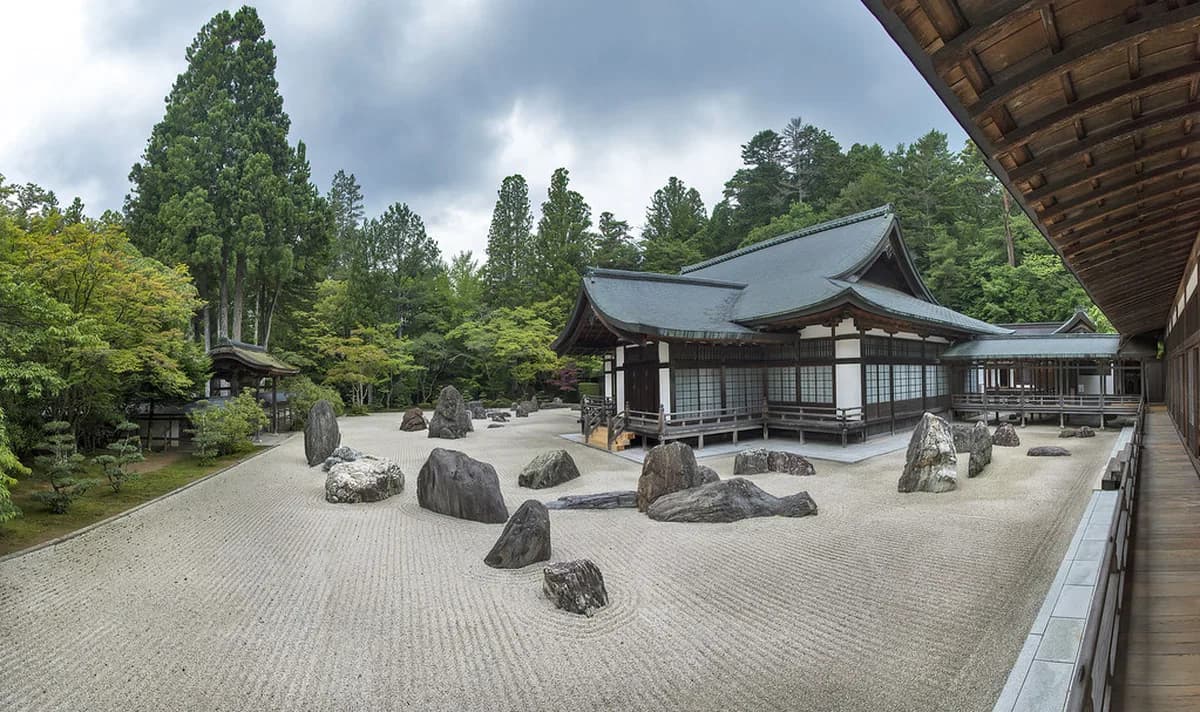
Stepping into the sacred grounds of Kongobu-ji offers a profound look into the heart of Japanese spirituality. This temple serves as the administrative headquarters for the Shingon sect of Buddhism, which oversees thousands of temples across the country.
Visitors often find peace within the sprawling complex, which features stunning art and the largest rock garden in Japan. This kongobu-ji visitor guide will help you navigate the rich history and practical logistics of this UNESCO World Heritage site.
Mount Koya remains a top destination for those seeking a deeper connection to traditional Japanese culture. Understanding the etiquette and highlights of the main temple ensures a respectful and rewarding journey through this mountain sanctuary.
The History and Significance of Kongobu-ji
The origins of this site date back to the 9th century when Kobo Daishi founded the monastic center on Mount Koya. While the current buildings were reconstructed in the 19th century, the spiritual lineage remains unbroken for over a millennium.
Toyotomi Hideyoshi, a famous unifier of Japan, played a major role in the temple's history by building a precursor here to honor his mother. This connection to powerful samurai leaders helped solidify the temple's status as a center of both religious and political influence.
Today, the complex functions as the primary residence for the head abbot of the Shingon sect. Exploring the Koyasan region often begins here because it anchors the religious life of the entire mountain community.
Preserving the ancient traditions of Shingon Buddhism is the core mission of this sacred institution. The temple walls protect priceless artifacts and architectural styles that have influenced Japanese design for centuries.
Must-See Highlights: Banryutei Rock Garden and Ohiroma
The Banryutei Rock Garden stands as the most impressive feature of the temple grounds. Spanning 2,340 square meters, it uses granite from Shikoku and white sand from Kyoto to represent a pair of dragons emerging from a sea of clouds.
Inside the main building, the Ohiroma hall showcases exquisite painted sliding doors known as fusuma-e. These artworks depict the seasons and the life of Kobo Daishi, providing a visual narrative of the temple's spiritual journey.
Keep an eye out for the Koya-maki, or umbrella pine, which is a sacred tree species unique to this region. These trees are often used as floral offerings and represent the enduring nature of the surrounding forest.
The ancient kitchen area offers a fascinating look at how monks prepared meals for hundreds of residents in centuries past. Massive rice cauldrons and traditional hearths highlight the scale of daily life in a major monastic center.
- Banryutei Rock Garden Key Facts
- Size: 2,340 square meters
- Symbolism: Two guardian dragons
- Materials: Shikoku granite rocks
- Best View: Covered walkway
- Artistic Features of Ohiroma
- Type: Fusuma-e sliding doors
- Artist: Kano School painters
- Themes: Seasonal landscapes
- Access: Included in ticket
Practical Visitor Information: Fees, Hours, and Etiquette
Planning your arrival requires knowing the standard operating hours, which typically run from 8:30 AM to 5:00 PM daily. Final entry usually occurs thirty minutes before closing, so arrive by 4:00 PM to see everything without rushing.
Admission costs for adults generally hover around 1,000 yen, which includes access to the rock garden and the tea hall. You can verify the most current pricing on the Official Koyasan Tourism Association website before your trip.
Respectful behavior is mandatory, and you must remove your shoes at the entrance and carry them in provided bags. Photography is strictly prohibited inside the rooms with painted doors, though you may take photos of the outdoor rock garden.
After walking through the halls, visitors are often invited to the Shin-shoden hall for tea and a small sweet. This space provides a quiet moment to reflect on the temple's beauty while resting your feet.
- Temple Etiquette Checklist
- Shoes: Remove at entrance
- Photos: Prohibited in art rooms
- Voice: Keep volume low
- Food: No outside snacks
How to Get to Kongobu-ji in Koyasan
Most travelers arrive from Osaka via the Nankai Railway from Namba Station to Gokurakubashi Station. From there, the Koyasan Cable Car ascends the steep mountain slope in about five minutes.
Once you reach the top, a dedicated bus system transports visitors from the cable car station into the town center. Get off at the Kongobuji-mae bus stop, which sits directly in front of the temple's main gate.
Walking from other major sites like the Danjo Garan complex takes only about five to ten minutes. The town is highly walkable, and clear English signage directs you toward the main administrative buildings.
Using a Koyasan Heritage pass can save money if you plan to visit multiple sites and use the bus frequently. This pass covers the cable car and provides discounts for several temple entrance fees.
Staying at a Temple (Shukubo) Near Kongobu-ji
For a truly immersive experience, consider booking a shukubo, or temple stay, within walking distance of Kongobu-ji. These lodgings allow you to live like a monk for a night, complete with traditional tatami rooms.
Guests are encouraged to attend the morning prayer ceremony, which usually begins around 6:00 AM. This ritual offers a rare glimpse into the chanting and fire ceremonies that define Shingon practice.
Meals served at these temples consist of shojin ryori, a sophisticated form of Buddhist vegetarian cuisine. These dishes focus on seasonal vegetables, tofu, and grains, prepared with meticulous attention to color and flavor.
Many popular shukubo are located near the Daimon Gate and other historic landmarks. Booking in advance is essential, especially during the peak autumn and spring travel seasons.
Best Time to Visit and Seasonal Tips
Autumn remains the most popular season as the maple trees surrounding the rock garden turn vibrant shades of red. This transformation typically peaks in late October or early November, depending on the mountain temperatures.
Winter offers a serene atmosphere when snow blankets the temple roofs and the rock garden's white sand. While the mountain gets quite cold, the lack of crowds provides a more contemplative environment for exploration.
Spring brings cherry blossoms to the lower elevations, though the mountain air keeps the flowers blooming later than in Osaka. May is particularly pleasant for walking between sites like the Okunoin Cemetery and the main temple.
Summer provides a cool escape from the humidity of the Japanese lowlands. The mountain air stays several degrees cooler, making it an ideal time for hiking the ancient pilgrimage trails.
Frequently Asked Questions
Is Kongobu-ji worth visiting on a day trip from Osaka?
Yes, a day trip is possible if you start early, but an overnight stay is better. You can reach the temple in about two hours from Namba. Staying overnight allows you to experience the morning prayers and the quiet evening atmosphere of the Koyasan mountain retreat.
Can you take photos inside Kongobu-ji?
Photography is allowed in the outdoor rock garden and common hallways. However, you cannot take pictures of the painted sliding doors or the inner sanctums. Always look for signs indicating restricted areas to respect the temple's sacred art and religious protocols.
How much does it cost to enter Kongobu-ji?
The standard adult admission fee is 1,000 yen as of 2026. This price includes access to the Banryutei Rock Garden and the tea service hall. You can check for any seasonal price adjustments at the Koyasan Reihokan Museum nearby, which often lists local site fees.
Do I need to take my shoes off at Kongobu-ji?
Yes, you must remove your shoes before entering the main wooden buildings of the temple. Most visitors carry their shoes in a plastic bag provided at the entrance. Wearing clean socks is recommended as the wooden floors can be quite cold during the winter months.
A visit to Kongobu-ji is a highlight of any trip to Mount Koya, offering a perfect blend of art and history. From the massive stone dragons of the rock garden to the quiet tea halls, the temple provides a unique window into Shingon Buddhism.
Following this guide ensures you arrive prepared for the logistics and etiquette required for such a sacred site. Whether you come for the autumn colors or the spiritual connection, the temple leaves a lasting impression on every traveler.
Take your time to wander the halls and appreciate the craftsmanship of the ancient artisans. Your journey through this mountain sanctuary will be a memory you cherish for years to come.
For the latest official information, see the Kongobu-ji on Wikipedia.
Browse every attraction in our Koyasan attractions hub.
For more Koyasan planning, see things to do in Koyasan, our Koyasan itinerary, and the shukubo temple stay.