Hiraizumi Day Trip From Morioka and Sendai: The Complete Itinerary
Plan the perfect Hiraizumi day trip from Morioka or Sendai. Includes train logistics, UNESCO temple guides, Geibikei Gorge tips, and local food recommendations.
On this page
Hiraizumi is a quiet town in Iwate Prefecture with a rich history. It served as the seat of the Northern Fujiwara clan during the 12th century. We believe it is the perfect day trip for first-timers in Tohoku. Last updated June 2026.
Visitors can easily reach this Hiraizumi UNESCO Site from nearby major cities. The town offers a unique look at Pure Land Buddhist architecture and gardens. We recommend starting your journey early to see every major landmark. This guide covers everything you need for a smooth and memorable visit.
Useful resources: Wikipedia's Hiraizumi overview and Wikivoyage's Hiraizumi travel guide have up-to-date access and background details.
At a Glance: 1-Day Hiraizumi Itinerary
Our recommended schedule focuses on the most significant historical and natural sites. We suggest prioritizing the golden hall in the morning to avoid large crowds. The afternoon allows for a slower pace through peaceful temple gardens. You will finish the day with a scenic boat ride through a limestone gorge.
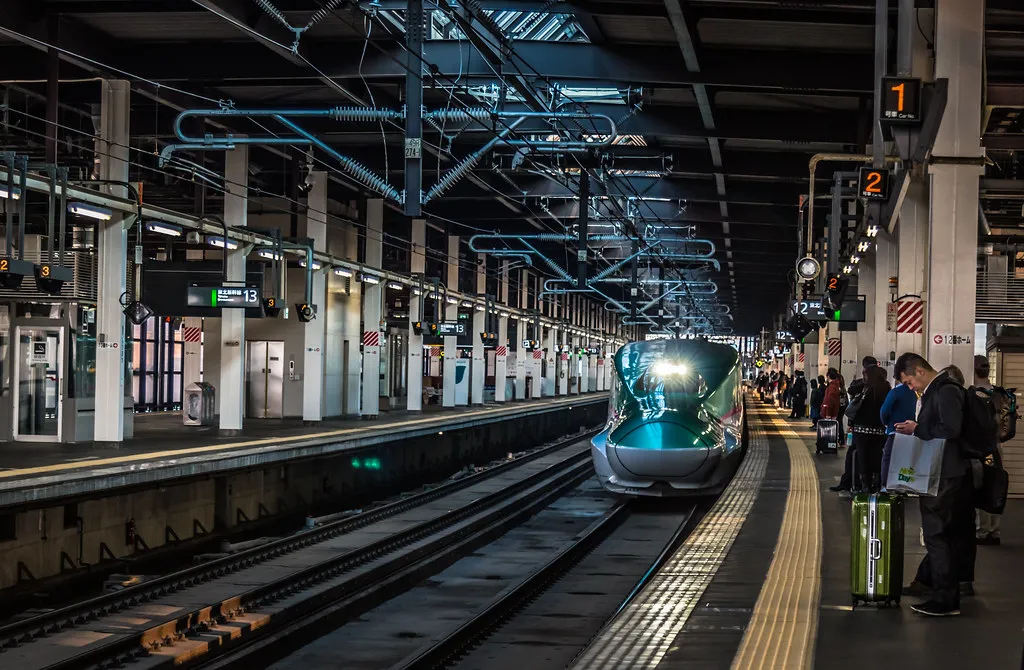
Most travelers find that one full day is sufficient for the main highlights. We have designed this plan to minimize backtracking between the different areas. Walking is possible but using the local loop bus saves significant time. Be sure to check the seasonal bus schedule before you arrive at the station.
The following list provides a high-level view of your upcoming adventure. Each stop is chosen for its cultural value and ease of access. We have included a mix of indoor treasures and outdoor landscapes. This balance ensures a varied experience throughout your entire day trip.
- Day 1: Ancient UNESCO wonders and golden temples
- Morning: Chuson-ji temple's Konjikido Temple and Konjikido Hall.
- Afternoon: Motsu-ji's Pure Land garden Garden and the Takkoku-no-Iwaya cliff temple.
- Evening: Geibikei Gorge and return travel.
Detailed Hiraizumi Day Trip From Morioka and Sendai Itinerary
This One Day In Hiraizumi Itinerary begins with a train arrival at the central station. We recommend catching the first possible Shinkansen from either Morioka or Sendai. Early arrival ensures you reach the temples before the peak tour bus hours. Most visitors find the 11am queue at the Konjikido forms by 10:15am.
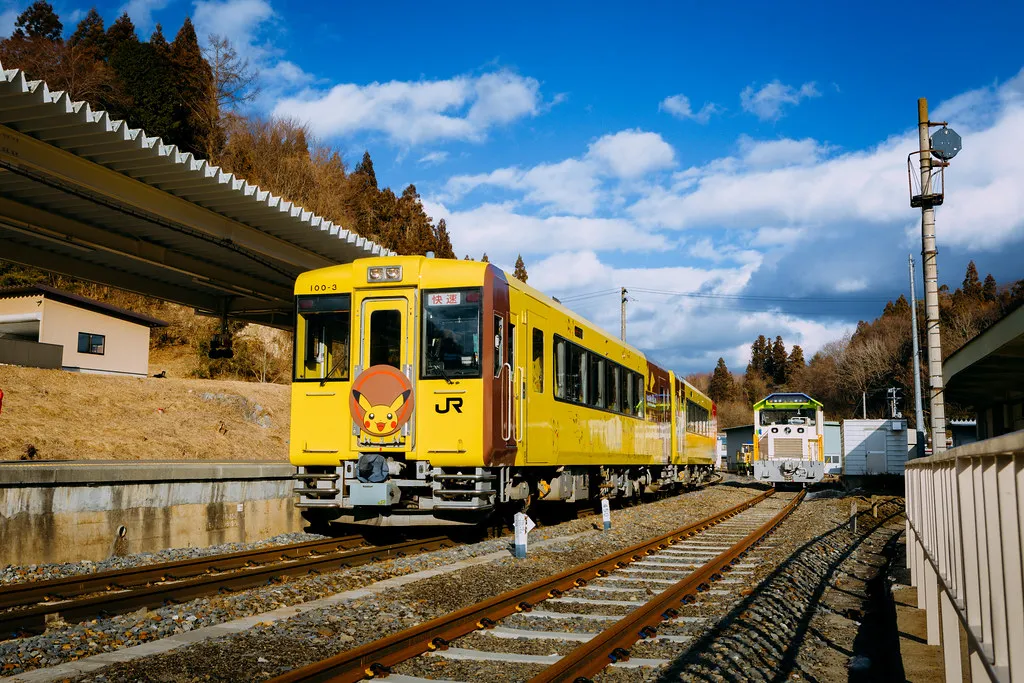
You will spend your morning walking through the towering cedar trees of Chuson-ji. The path is uphill but paved and manageable for most fitness levels. After lunch, the terrain becomes much flatter as you explore the town center. We suggest using the 'Run Run' loop bus for the longer afternoon stretches.
The final part of your day takes you slightly outside the main town. A short local train ride leads to the stunning limestone cliffs of Geibikei. We believe the traditional boat cruise is the best way to end the trip. It offers a peaceful atmosphere that contrasts well with the busy morning temples.
- Day 1: Ancient UNESCO wonders and golden temples
- Morning: Visit Chuson-ji and Konjikido Hall.
- Afternoon: Explore Motsu-ji Pure Land Garden.
- Evening: Ride Geibikei Gorge boat cruise.
- Time: 8:00 AM to 6:00 PM.
- Logistics: Use Shinkansen and JR Tohoku Line.
- Optional: See the Takkoku-no-Iwaya cave temple.
Transport Logistics: Getting to Hiraizumi via Ichinoseki
Getting to Hiraizumi requires a transfer at Ichinoseki Station for most travelers. The Shinkansen from Sendai to Ichinoseki takes roughly 35 minutes on faster trains. From Morioka, the journey is even shorter at about 15 minutes by bullet train. We suggest checking the JR Tohoku Line schedule for the final 7-minute leg.
The transfer at Ichinoseki is usually quick but requires a platform change. We recommend allowing at least 10 minutes to navigate between the Shinkansen and local gates. If you miss the connection, local trains usually run every 30 to 60 minutes. Individual tickets cost about 200 yen if you are not using a JR Pass.
Once you arrive at Hiraizumi Station, the 'Run Run' Loop Bus is very convenient. A single ride costs 160 yen, while a day pass is 450 yen. The bus departs every 15 to 30 minutes during the peak tourist season. We find that walking to Motsu-ji is easy, but Chuson-ji requires the bus.
Morning: Chuson-ji Temple and the Konjikido
Chuson-ji is the most famous of the 2-Day Things To Do In Hiraizumi for good reason. It houses the Chuson-ji and the Konjikido, a hall completely covered in gold leaf. The hall was built in 1124 and remains a masterpiece of medieval art. Admission to the golden hall and museum is 800 yen per adult.
The temple grounds are open daily from 8:30 AM to 5:00 PM. We suggest arriving right at opening to enjoy the silence of the forest. The main path, Tsukizaka, is lined with ancient trees that are centuries old. You should also visit the Sankozo Museum to see the clan's preserved treasures.
Expect to spend about two hours exploring the various halls and shrines here. The site is quite large and spread across a forested hillside. We recommend wearing comfortable walking shoes for the gravel and paved paths. Most visitors find the view from the upper observatory worth the extra steps.
Lunch: Local Soba and Sake Brewery Seki no Ichi
Hiraizumi is famous for its 'Wanko Soba' and variety of mochi dishes. We recommend dining at Sake Brewery Seki no Ichi near the bus stop. This historic building offers a traditional atmosphere and high-quality local ingredients. The restaurant is open from 11:00 AM to 2:00 PM for lunch service.
You can try a sampler of different mochi flavors including walnut and black sesame. The brewery also produces excellent craft beer and traditional Japanese sake. Expect to pay between 1,500 and 2,500 yen for a full lunch set. We suggest making a quick stop at their museum if you have extra time.
If the brewery is full, several smaller soba shops line the main road. Most local eateries accept cash only, so keep some yen on hand. We find that the service is generally fast to accommodate day-trip travelers. Lunch is the perfect time to rest before heading to the afternoon gardens.
Afternoon: Motsu-ji Temple and the Pure Land Garden
The Motsu-ji Garden is a rare example of Pure Land Buddhist design. It features a large central pond designed to represent the Buddhist paradise. While the original buildings were destroyed, the garden remains remarkably intact. Admission to this UNESCO World Heritage site is 700 yen.
We recommend walking the circular path around Oizumi-ga-ike Pond for the best views. The garden is open daily from 8:30 AM to 5:00 PM throughout the year. It is particularly beautiful during the iris festival in late June. You can also see the remains of the massive prayer halls marked by stones.
If you have energy left, consider a quick trip to Takkoku-no-Iwaya Bishamon-do. This temple is built directly into a cliff face about ten minutes away by bus. It is a unique architectural sight that many travelers unfortunately skip. The entry fee is 500 yen and it offers great photo opportunities.
Beyond the Temples: Geibikei and Genbikei Gorges
Many travelers confuse Geibikei and Genbikei, but they offer very different experiences. We recommend Geibikei Gorge Boat Ride for its peaceful, hand-punted boat cruises. The ride takes about 90 minutes and costs 1,800 yen for a round trip. Check the Geibikei Gorge Official Info for the last boat departure time.
Genbikei Gorge is better for those who prefer walking and unique snacks. It is famous for 'Flying Dango' which are sent across the river in baskets. You place your money in the basket and wait for the treats to fly back. We suggest Genbikei if you have less than an hour of daylight left.
Geibikei requires a 30-minute train ride from Hiraizumi on the Ofunato Line. The boatmen often sing traditional songs as they navigate the tall limestone cliffs. We believe this is one of the most scenic spots in all of Iwate. Be sure to try the stone-throwing luck test at the halfway point.
Book in Advance: Planning Your Hiraizumi Visit
Most sites in Hiraizumi do not require formal reservations months in advance. However, we recommend checking the Geibikei boat schedule at least one day ahead. Boats depart hourly, and the last one usually leaves around 3:00 PM or 4:00 PM. Arriving 20 minutes before your desired departure time is usually sufficient.
For the Chuson-ji Konjikido, there is no timed entry system currently in place. We suggest buying your tickets at the gate 30 minutes before opening if visiting in autumn. The peak fall foliage season brings large crowds that can lead to long wait times. Having your JR Pass validated before reaching Ichinoseki will also save you time.
If you plan to eat at Sake Brewery Seki no Ichi, consider calling ahead. They occasionally host large tour groups which can close the dining room to publics. We find that a quick check on their website can confirm any private events. Planning these small details ensures your day trip remains stress-free.
Add an Extra Day: Exploring Beyond Hiraizumi
If you have more time, we recommend spending a full day in Morioka city. Morioka is famous for its three types of noodles and historic ironware shops. You can visit the castle ruins and the Rock-Breaking Cherry Tree in the center. The city is only a short Shinkansen ride away from your Hiraizumi base.
Another great option is a trip to Matsushima Bay near Sendai city. It is ranked as one of Japan's three most scenic views for its pine-covered islands. You can take a bay cruise and visit the ancient Zuigan-ji Temple. This extension pairs perfectly with the historical theme of your Hiraizumi visit.
Travelers often enjoy staying overnight in Ichinoseki to explore the nearby caves. The area has many hidden natural wonders that are difficult to fit into one day. We believe adding a second day allows for a much deeper cultural experience. Consider this if you are a fan of traditional Japanese landscapes and history.
Is Hiraizumi Worth a Day Trip From Sendai?
We believe Hiraizumi is absolutely worth the trip for anyone staying in Sendai. The travel time is short enough to allow for a full day of sightseeing. It offers a calm atmosphere that is very different from the busy Sendai streets. The UNESCO status reflects the high quality of the preserved historical sites.
You will see some of the finest gold work and garden design in the country. The history of the Northern Fujiwara clan is fascinating and well-presented at the museums. We find that the convenience of the Shinkansen makes this an easy choice. It is one of the most accessible world-class sites in northern Japan.
Budget-conscious travelers can also use local trains to keep costs very low. Even without a JR Pass, the total transport cost is relatively affordable. We recommend this trip to anyone interested in Japanese Buddhism or medieval history. It remains a highlight for most visitors exploring the Tohoku region.
Frequently Asked Questions
How much time do you need at Chuson-ji?
Most visitors spend about two hours at Chuson-ji. This allows time to walk the main path and see the Konjikido. We recommend arriving early to avoid the midday crowds.
Can you do Geibikei Gorge and Hiraizumi in one day?
Yes, you can visit both in a single day trip. You should start at the temples in the morning. Then, take the afternoon train to Geibikei for the boat cruise.
What is the best way to get around Hiraizumi?
The 'Run Run' Loop Bus is the most efficient transport method. It connects the station to all major UNESCO sites. Walking is also possible for shorter distances between temples.
Hiraizumi offers a beautiful mix of golden history and natural beauty. We recommend this day trip for its ease of access and cultural depth. Whether you start from Morioka or Sendai, the journey is simple and rewarding. Enjoy the peaceful gardens and the stunning golden hall on your next visit.
Free: The Sendai Essentials guide
Top things to do, where to stay, a perfect day plan, getting around, and the best time to go — a Sendai mini-guide you can take offline.
You might also like


Continue reading
More guides you'll find useful