Shimonoseki Tonchan Nabe Guide: Green Mall's Beef Offal Hot Pot (2026)
Shimonoseki tonchan nabe explained: the Green Mall beef offal hot pot, its Little Busan roots, where to eat it, and 2026 prices and etiquette tips.
On this page
Last updated August 2026, this guide breaks down Shimonoseki tonchan nabe, the beef offal hot pot locals eat far more often than fugu. Beyond the pufferfish, Shimonoseki's everyday comfort food simmers in Green Mall, the Little Busan Korean-Japanese arcade near JR Shimonoseki Station. This guide also covers where to order it, current 2026 prices, and how to avoid rookie mistakes at the table.
What Is Shimonoseki Tonchan Nabe?
Tonchan nabe is a hot pot of grilled beef offal, cabbage, and soybean sprouts, simmered in a sauce that blends Japanese miso with Korean gochujang. Restaurants grill the offal, called tonchan, without oil, then let it stew in the moisture the vegetables release rather than added stock or water. That no-added-water method keeps the dish light despite the rich sauce. It belongs to a genre Japanese diners call B-kyu gurume, or B-grade gourmet: cheap, filling food that locals eat weekly rather than save for special occasions. Guidebooks tend to focus on fugu, but the wider Shimonoseki food scene runs on everyday dishes like this one. For visitors who want what residents actually eat, tonchan nabe is the better choice on an ordinary night.
Green Mall and Shimonoseki's Little Busan Roots
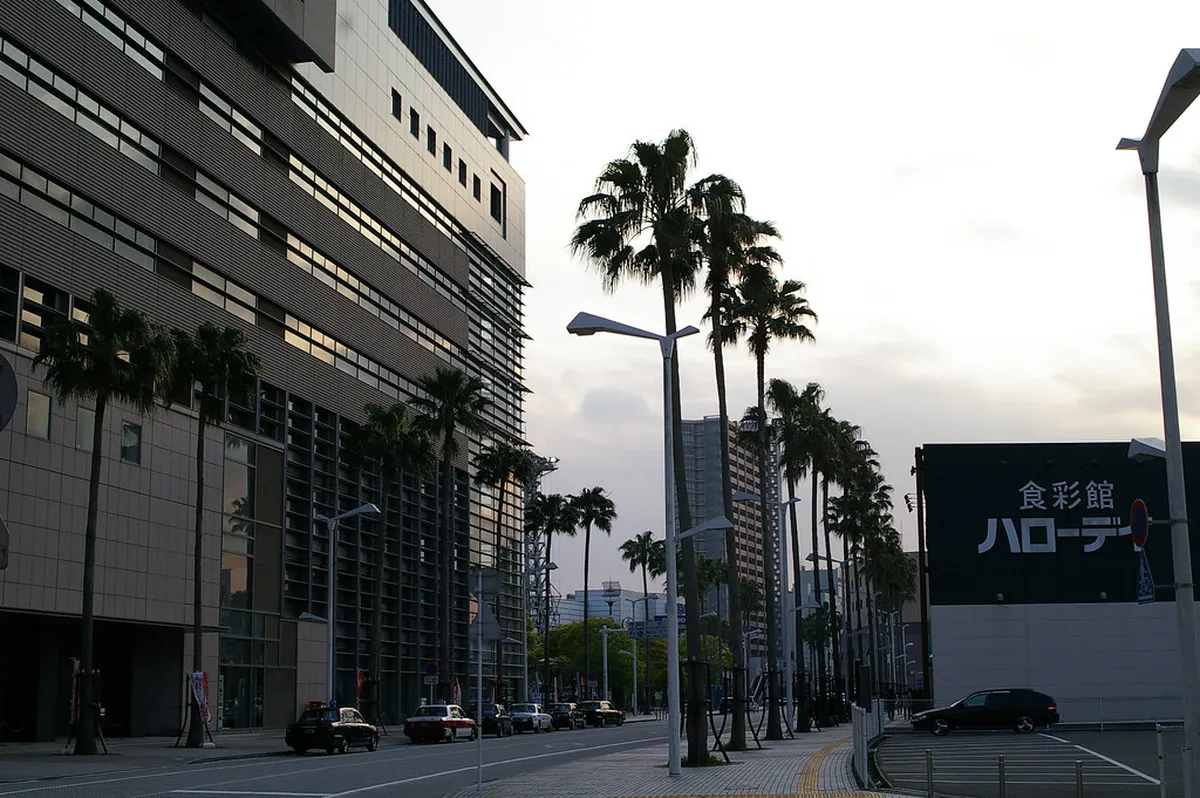
Green Mall, known locally as Little Busan, is the shopping arcade that sits in front of JR Shimonoseki Station. Korean residents built the area's yakiniku counters, grocers, and food stalls after World War Two. The tonchan nabe hot pot emerged there as a Korean-Japanese fusion dish, popular since the postwar years. It later spread back to Korea as well. The connection is still marked each November at the Little Busan Festival, when the arcade fills with Korean food stalls and performances. On a weekday evening, the smell of offal grilling outside Green Mall's yakiniku shops points you toward the restaurants that serve tonchan nabe.
What Makes Tonchan Nabe Different From Motsunabe
Fukuoka's motsunabe is Japan's better-known offal hot pot, built on a stock added at the start of cooking. Shimonoseki's tonchan nabe skips that added liquid, relies on moisture the vegetables release as they cook, and uses a miso-gochujang blend instead of a plain broth. That combination creates what's often described as a sweet-and-hot harmony, closer to a Korean stew than a typical Japanese nabe. Before the broth starts, restaurants pile the pot high with shredded cabbage and soybean sprouts, stacked well above the rim. The vegetables wilt down fast once the burner starts, releasing the liquid that cooks the offal underneath. Diners then add the grilled tonchan, which has a springy, chewy texture that holds up against the sauce's spice. Once the meat and vegetables are gone, most tables order the shime, or finish. Cooks ladle in ramen noodles or rice to soak up the leftover miso-gochujang sauce. Regulars treat that final course as the best part of the meal, not an afterthought. Groups can order multiple portions to share one large pot, a common approach at Japanese hot pot counters. That lets everyone customize how much broth or meat they add as the meal goes.
- Tonchan: grilled beef offal, cooked without oil before it stews
- Cabbage: piled high above the pot's rim before it wilts down
- Soybean sprouts: added for crunch and volume
- Miso-gochujang sauce: the Japanese-Korean base behind the dish's sweet-hot flavor
- Shime finish: ramen noodles or rice stirred into the leftover sauce
Where to Eat Tonchan Nabe in Shimonoseki
Most tonchan nabe restaurants cluster inside or right around Green Mall, so plan to eat where the dish was invented. Karato Market sits a separate walk away and suits a seafood morning better than a tonchan nabe dinner. Yasumori Honten has run its Green Mall counter for 75 years. Its yakiniku sommelier still selects a five-cut Kuroge Wagyu platter alongside the house tonchan nabe. Yakiniku Soul, also inside Green Mall on Takesaki-cho, runs a lunch set built around offal cuts like minō, or tripe. Its dinner menu features tonchan nabe as well. Ajiichi's station-side counter inside JR Shimonoseki Station suits a fast meal before a train. Its soba-and-udon menu means you should confirm tonchan nabe availability before counting on it. One name worth a note: Shinzan, near Shimonoseki Station, is listed on Tabelog under chanko-nabe, the sumo-wrestler hot pot, not tonchan nabe. It's a fine backup if Green Mall's yakiniku counters are full, but it won't serve the Korean-Japanese dish this guide covers. Beyond these four names, Green Mall has other yakiniku counters worth checking if your first choice has a wait. The arcade's Korean-Japanese food identity runs through most of its restaurants, not just one or two flagship shops. Groups larger than four should call ahead where possible, since Green Mall's counters are small and seating fills fast on weekend evenings. Hours, menus, and reservation policies change often at small, family-run shops. Confirm details directly with each restaurant, or check current listings on Gurunavi or Tabelog before visiting.
Yasumori Honten's 75 years of operation connect the restaurant to tonchan nabe's postwar origins and Green Mall's ongoing status as a living Korean-Japanese community hub.
| Restaurant | Location | Good to Know |
|---|---|---|
| Yasumori Honten | Green Mall, Takesaki-cho | 75-year yakiniku restaurant; five-cut Kuroge Wagyu platter plus tonchan nabe |
| Yakiniku Soul | Green Mall, Takesaki-cho | Yakiniku counter with lunch sets; known for minō (tripe) and other offal cuts |
| Ajiichi (Shimonoseki Station Store) | Inside JR Shimonoseki Station | Soba, udon, and bento counter for a fast meal; confirm tonchan nabe availability |
| Shinzan | Near Shimonoseki Station (about 2,188 m) | Chanko-nabe (sumo-style) specialist per Tabelog, not a tonchan nabe restaurant |
Budget, Timing, and Access from JR Shimonoseki Station
Budget roughly ¥1,500 to ¥3,000 per person for a tonchan nabe set, in line with Shimonoseki's other B-kyu gurume dishes. Most Green Mall restaurants serve tonchan nabe as a dinner order. A few, including Yakiniku Soul, also run lunch sets built around the same offal cuts. Unlike fugu, which peaks from October to April, tonchan nabe runs year-round, so summer visitors don't need to time a trip around it. Shimonoseki sits at the southwestern tip of Honshu, facing Kitakyushu across the Kanmon Straits, and JR Shimonoseki Station sits on the Sanyo Main Line. Green Mall's arcade starts right in front of the station. The walk from the station to Green Mall doesn't require any transfers or backtracking, making it an easy add-on to a station stopover. The route also works as a same-day stop before or after other 10 Best Things to Do in Shimonoseki: A Local Travel Guide. Peak dinner hours fill the small counters fast, so arriving early in the evening improves your odds of a seat without a wait. Plan for close to an hour at the table since the shime finish is worth the wait, especially if you're sharing one pot among several people. Most Green Mall shops are small, family-run counters without English menus, so a translation app or a photo of the menu board helps when ordering. Pointing at another table's pot works too, since tonchan nabe is usually the only hot pot bubbling in view.
At ¥1,500 to ¥3,000 per person, tonchan nabe exemplifies B-kyu gurume—casual, affordable food that locals order weekly rather than save for special occasions like fugu.
Tonchan Nabe vs Kawara Soba vs Fugu: Which to Choose
Shimonoseki gives visitors three very different regional specialties, and each fits a different kind of meal. Tonchan nabe, kawara soba, and fugu overlap by geography but not by flavor, price, or setting. Choose tonchan nabe when you want a filling, casual dinner among locals rather than a formal seafood meal. If a lighter, noodle-based dish sounds better, the kawara soba guide covers where to find Shimonoseki's other signature dish. For a special-occasion splurge built around the city's namesake catch, the fugu dining guide has details on where and when to book. Visitors staying two or more nights in Shimonoseki can reasonably fit all three dishes into one trip:
| Dish | Flavor Profile | Setting | Best For |
|---|---|---|---|
| Tonchan Nabe | Miso-gochujang, spicy-sweet, beef offal | Smoky yakiniku counters in Green Mall | Budget-minded, casual dinners, any season |
| Kawara Soba | Savory dipping sauce, grilled tea soba, crisp edges | Sit-down soba houses | A lighter, noodle-based meal |
| Fugu | Delicate pufferfish, sashimi or hot pot styles | Formal dining rooms | A special-occasion splurge, October to April |
- Fugu for a formal, special-occasion dinner
- Kawara soba for a lighter, casual lunch
- Tonchan nabe for a second, low-key dinner in Green Mall
Ordering Tonchan Nabe as a First-Time Visitor
Tonchan nabe usually arrives as a shared pot for the table, following the same format as most Japanese nabe dishes rather than an individual bowl. Staff bring the raw tonchan and vegetables to the table, then light a portable burner so the pot cooks in front of you instead of arriving pre-made from a kitchen. Ladle the broth and toppings into a small bowl as it cooks, the same way you would with any shared hot pot in Japan. Small, family-run counters in Green Mall may be cash-only, so carrying yen is a safer bet than assuming every counter takes cards. Japan has no tipping culture, so the listed menu price is the full price, with no service charge to add on top. Green Mall remains an active Korean-Japanese community hub today, not just a historical stop, and its restaurants, grocers, and festival keep that identity visible for visitors passing through. Because Green Mall is a living Korean-Japanese neighborhood rather than a themed attraction, treating the visit like a normal meal out fits the setting better than treating it as a photo stop.
Mistakes to Avoid at a Tonchan Nabe Restaurant
A few small missteps separate a smooth first visit from a confusing one.
- Don't expect pork: despite the name, this is a beef offal dish in Shimonoseki
- Don't wear clothes you want to keep smoke-free; grilling happens tableside
- Don't skip the shime; the noodle or rice finish is the part regulars order it for
- Don't assume every nearby nabe restaurant serves tonchan; Shinzan, for instance, specializes in chanko-nabe instead
- Don't expect an English menu at every counter; a translation app smooths ordering
Frequently Asked Questions
What is tonchan nabe made of?
Tonchan nabe combines grilled beef offal with cabbage and soybean sprouts, cooked in a sauce that blends Japanese miso with Korean gochujang. Cooks skip added stock, letting the vegetables release their own liquid as the base.
Is tonchan nabe pork or beef?
Despite the name, Shimonoseki's tonchan nabe is made with beef offal, not pork. The confusion comes from the word's similarity to ton, the Japanese word for pork.
Where is the best place to eat tonchan nabe in Shimonoseki?
Green Mall, the Little Busan arcade in front of JR Shimonoseki Station, has the highest concentration of tonchan nabe restaurants. Yasumori Honten and Yakiniku Soul both serve it there, alongside other yakiniku counters worth checking on arrival.
How much does tonchan nabe cost?
Expect to pay roughly ¥1,500 to ¥3,000 per person for a tonchan nabe set at a Green Mall restaurant. That range is in line with Shimonoseki's other casual B-kyu gurume dishes.
Is tonchan nabe available year-round?
Yes. Unlike fugu, which peaks from October to April, tonchan nabe is served year-round, so summer visitors can order it without waiting for a particular season.
What's the difference between tonchan nabe and motsunabe?
Motsunabe, Fukuoka's better-known offal hot pot, is typically built on an added stock. Tonchan nabe skips that added liquid and uses a miso-gochujang sauce instead, giving it a spicier, sweeter profile.
Do I need a reservation for tonchan nabe in Shimonoseki?
Most Green Mall counters don't take online reservations, though shops such as Yasumori Honten can be called directly for larger groups. Walking in on a weeknight usually works for two or three people without booking ahead.
Can vegetarians eat at a tonchan nabe restaurant?
Tonchan nabe itself centers on beef offal, so it isn't a vegetarian dish. Most Green Mall yakiniku counters also serve grilled vegetables and rice sides separately, though a plant-based version of the hot pot itself isn't standard on regional menus.
Free guide: Japan's Hidden Gems
12 under-the-radar places beyond Tokyo & Kyoto — with the best season to visit each and a local tip you won't find in the guidebooks.
You might also like
Continue reading
More guides you'll find useful