Wakayama Mikan, Ume, and Umeshu: The Complete Tasting Guide (2026)
A 2026 guide to Wakayama mikan, ume, and umeshu — Nanko-ume orchards, Arida mikan, mikan umeshu picks, and Kainan/Tanabe tasting rooms.
On this page
Last updated August 2026, this guide covers Wakayama mikan, ume, and umeshu: what to taste, what to buy, and which towns to visit. Wakayama Prefecture grows most of Japan's ume and much of its prized Arida mikan, and city shops sell the finished juice, sweets, and umeshu year-round. Working orchards, breweries, and tasting rooms sit outside Wakayama City, mostly around Kainan and Tanabe.
Wakayama Mikan, Ume, and Umeshu: Inside Japan's Fruit Kingdom
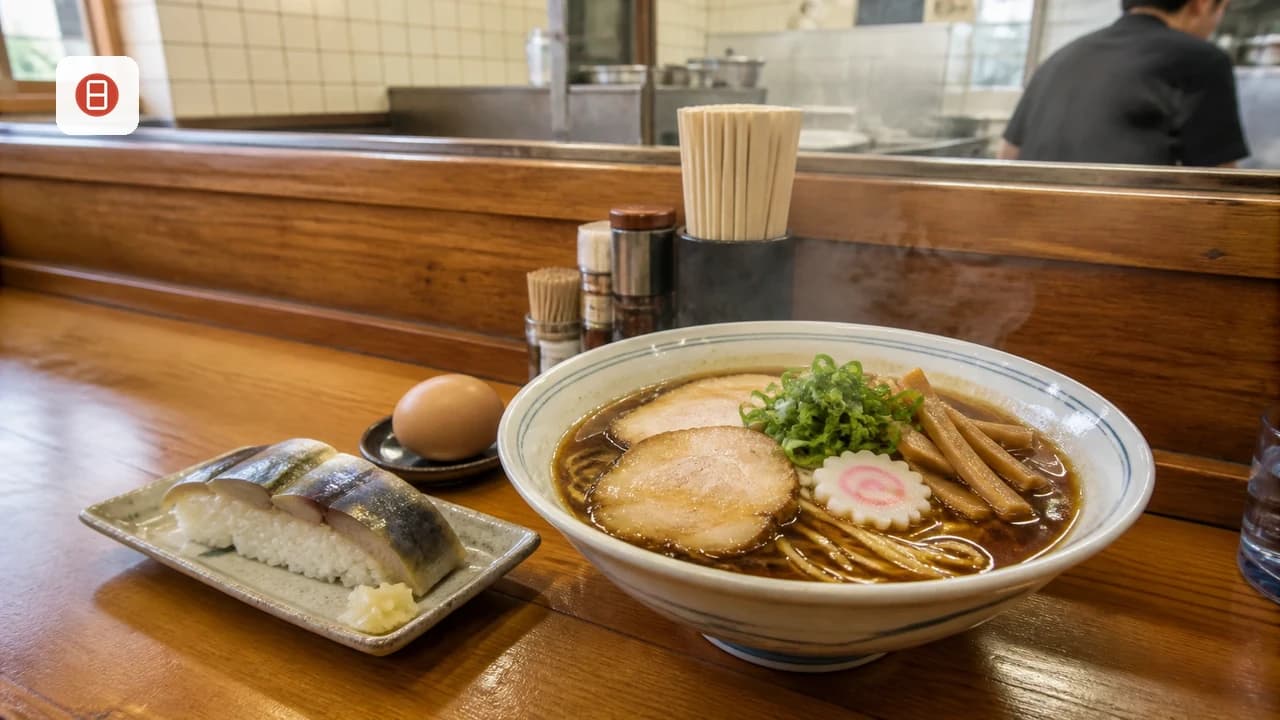
Wakayama Prefecture is Japan's largest ume producer, supplying roughly 64% of the country's plum crop, more than 40,000 tons a year. Nearby Arida district anchors the prefecture's mikan side, and both fruits carry the Kishu name, the historical term for this part of the Kii Peninsula. Kishu Nanko-ume and Kishu mikan mark origin rather than a single company, and the label appears on umeboshi jars, umeshu bottles, and mikan sweets prefecture-wide. Wakayama's mild coastal climate supports both crops, one reason the prefecture leads national production of each fruit. For the savory side of the local menu, the Wakayama Ramen and Hayazushi: The Complete 2026 Guide covers what pairs well alongside all this fruit.
Nanko-Ume: The Plum Behind Every Umeboshi and Umeshu Bottle
Nanko-ume is the ume variety most associated with Kishu products, grown widely around Minabe and Tanabe. Thin skin and thick flesh set it apart from other ume varieties, leaving more usable fruit for both pickling and liqueur-making. Growers handle the same crop two different ways depending on ripeness. Picked green and firm in early June, the fruit gets soaked whole in alcohol and sugar to become umeshu. Left to ripen and drop naturally through June and July, it gets salted and dried into umeboshi instead. Culinary professionals increasingly treat ume as a functional ingredient beyond the souvenir shelf, using its concentrated acidity as a seasoning or a balancing element in savory dishes.
Arida Mikan: The Citrus Standard Behind Wakayama's Sweets and Juice
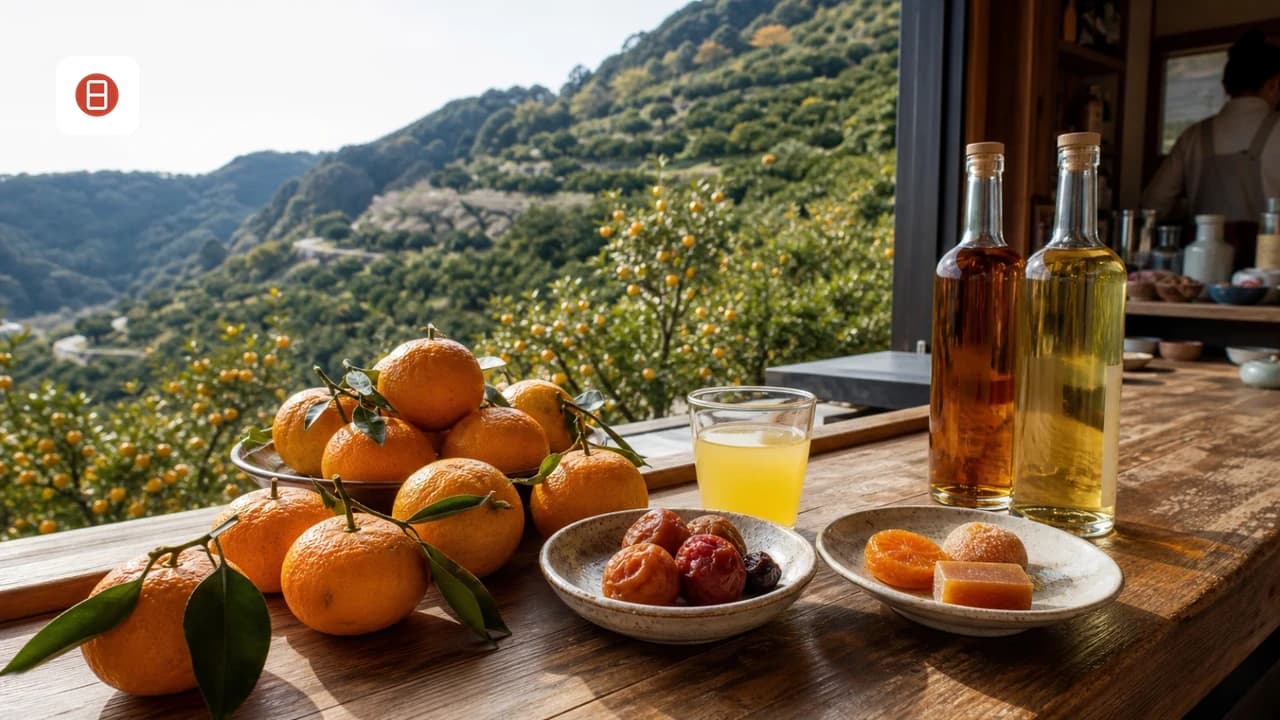
Arida district, on the coast between Wakayama City and Tanabe, produces the prefecture's benchmark citrus, Arida mikan. Local producers standardize on juice with a minimum sugar content of 11%, often marketed under the name ajimaroshibori. Once fresh mikan season ends, the city shifts toward processed forms: juice, candied peel, and dessert applications. Kinokawa, north of Wakayama City, grows hassaku, a tarter citrus used in its own line of baked goods rather than juice. City confectioners have built full product lines around the fruit, worth seeking out before heading south toward the orchards themselves.
- Mikancier from Le Patissier Miki: an Arida mandarin financier made with white bean paste instead of almond paste, paired with green or matcha tea.
- Hassaku Pulo from Amity: a baked cake kneaded with Kinokawa hassaku powder, topped with dried hassaku slices for a bittersweet finish.
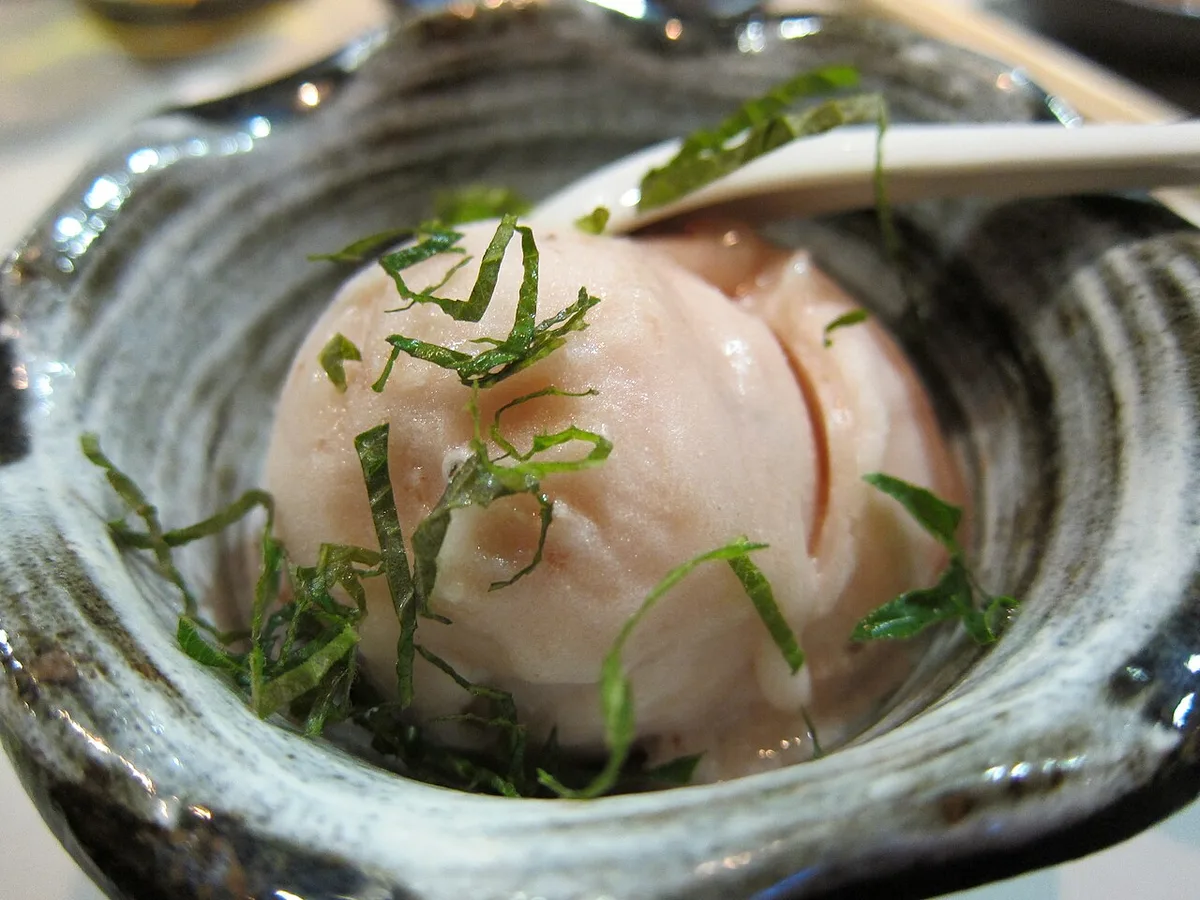
- Mikan soft-serve: mandarin soft-serve ice cream sold at cafes and rest stops around the prefecture, tart and sweet rather than purely sugary.
Mikan Umeshu: Where Ume Meets Citrus
Sowa Fruit Farm in Arida City supplies mikan juice to more than one Wakayama umeshu maker, so its name shows up across several bottles. Nakano BC blends this juice into two related products aimed at different occasions. Tsuruume Kanjuku Nigori takes a different route: a cloudy, pulp-style umeshu built for texture rather than clarity, part of the recent nigori umeshu trend in the region. Expect a thicker mouthfeel and more visible fruit sediment than in the filtered bottles above.
| Product | Producer | Fruit Blend | ABV & Bottle Sizes |
|---|---|---|---|
| Kishu Mandarin Orange Umeshu | Nakano BC | Nanko-ume blended with 100% Arida mikan juice from Sowa Fruit Farm | 12% ABV; 720ml or 1800ml |
| Nadeshiko "Temari" Mikan Umeshu | Nakano BC | Nanko-ume with Sowa Fruit Farm Arida mikan juice (ajimaroshibori, 11%+ sugar) | 180ml or 500ml, gift-oriented |
Where to Taste It: Kainan and Tanabe
Tasting rooms cluster in two areas: Kainan City, a short trip from Wakayama City, and the Tanabe and Minabe area farther south, which has more ume orchards than anywhere else in Japan. Both work as day visits, though Tanabe needs more planning. Bring ID: Japan's legal drinking age is 20, and showrooms check it before pouring alcoholic tastings. Hamada Farms' non-alcoholic pour is worth noting for drivers or younger travelers, alongside the budget and vegetarian food guide for other non-drinking options around the city.
- Heiwa Shuzo (Kainan City): a brewery along the Kishi River, founded in 1928 as Taniguchi Shuzo. It now makes sake, fruit sakes, umeshu, and beer. A short add-on to a Wakayama Ramen and Local Food Guide (2026) day, since Kainan sits just outside the city.
- Hamada Farms (Kamihaya district, Tanabe): a single-origin orchard. Ume ripen and drop naturally onto blue tarps under the trees, then get soaked into umeshu the same day. Pours one-, three-, and five-year umeshu, plus a non-alcoholic option.
- Nakata Foods (Tanabe): a processor founded in 1897. A factory walkway lets visitors watch umeboshi and umeshu production, and a large showroom offers tastings. A hired taxi is recommended for the trip out.
- Kishu Umeshu de Kampai (near Kii-Tanabe Station): a showroom stocking multiple local umeshu brands for tasting. Tax-free shopping is available for visitors from overseas.
Timing a Visit: Blossoms, Harvest, and the Umeshu Kampai Ordinance
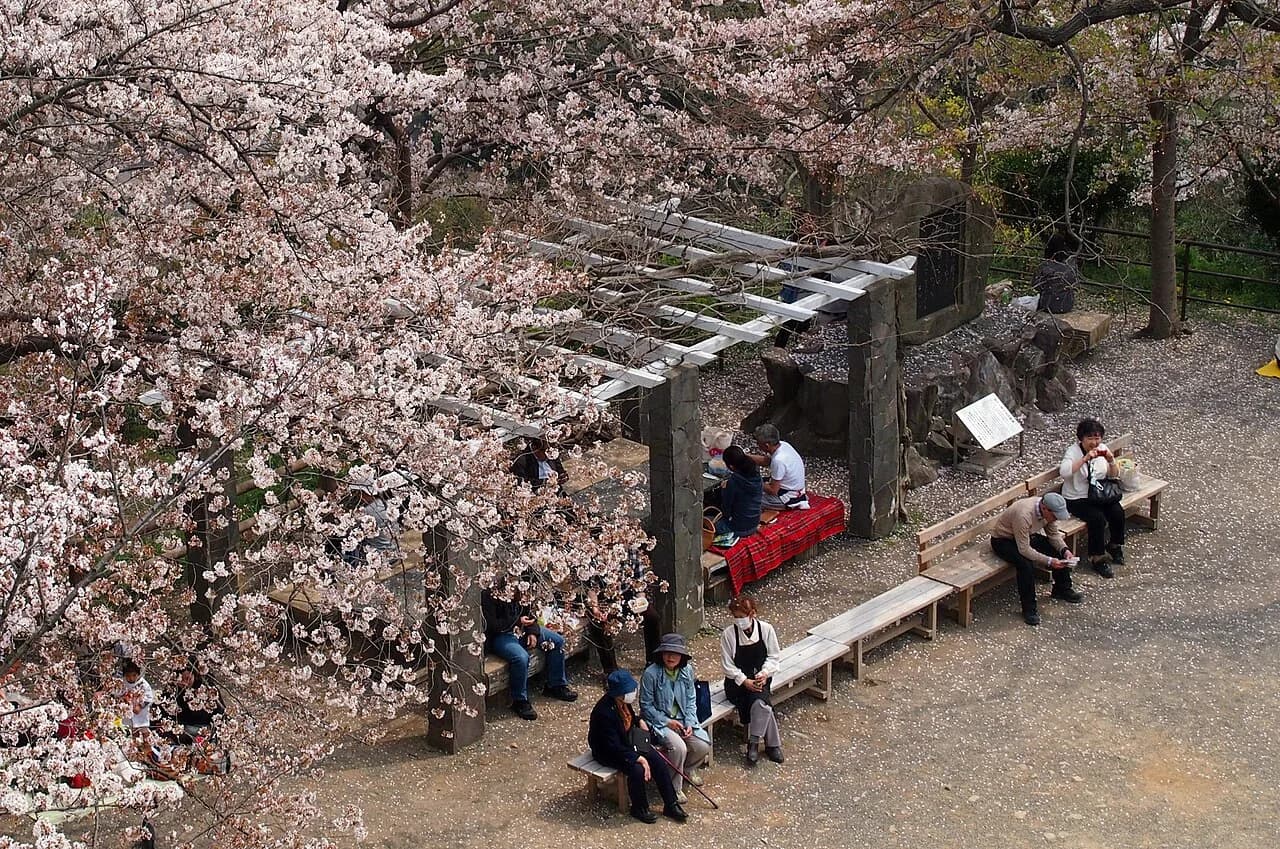
Ume season moves through the calendar in stages, and each stage looks different in the orchards. Tanabe formalized its umeshu culture into local law in 2014 with the Umeshu Kampai Ordinance, which requires the first toast at official city events to be made with umeshu rather than beer or sake. The rule inspired a mass toast at Ogigahama Beach with 866 participants, a gathering that entered the Guinness World Records book. It is a useful reminder that umeshu here functions as regional identity, not just a souvenir category.
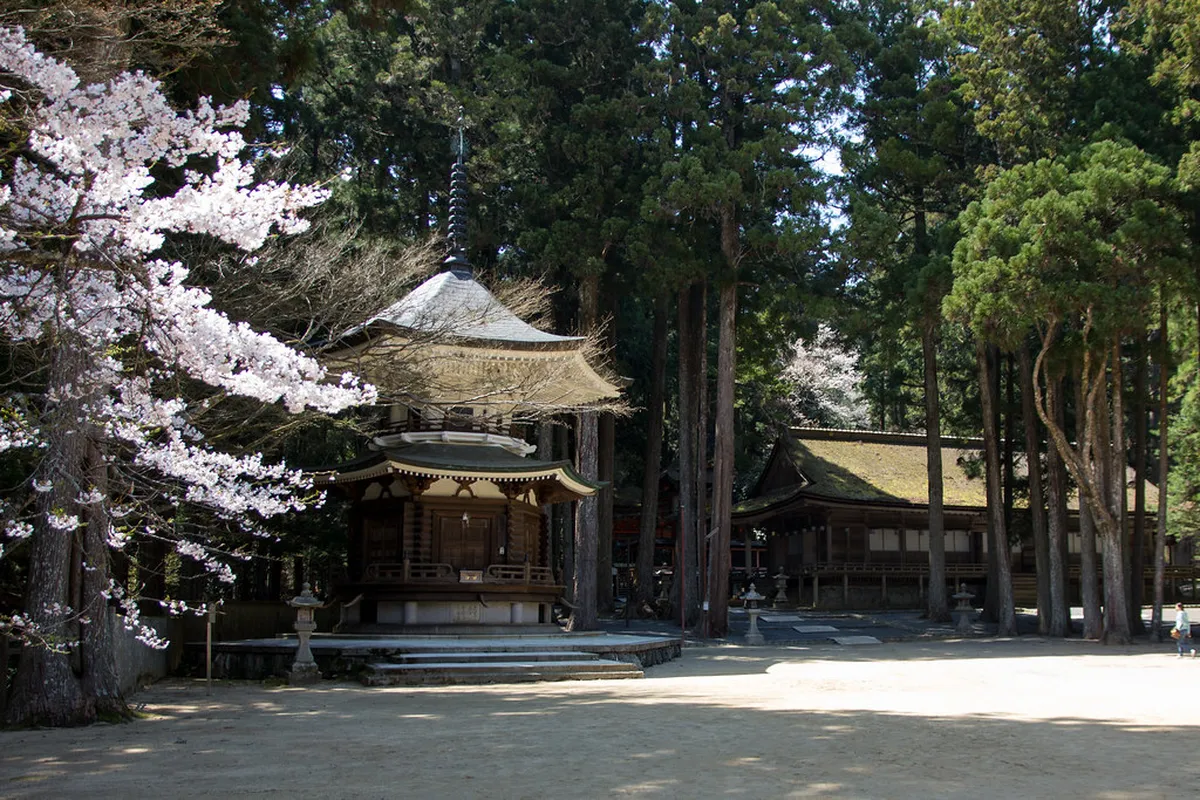
- Late January to early March: plum blossoms bloom across Minabe and Tanabe orchards, with pollination handled by honeybees in February and March.
- Early June: the green ume (ao-ume) harvest begins, supplying the fruit used for umeshu.
- June to July: fully ripe ume drop naturally from the trees and are gathered for umeboshi.
- August to September: umeboshi processing, salting and drying, continues at local producers.
Getting to the Orchards: JR Kuroshio vs Local Taxi
Kii-Tanabe Station is the practical gateway to ume country, reached by JR Kuroshio limited express trains from Kyoto, Shin-Osaka, and Tennoji. The Tanabe Tourism Office sits next to the station and can arrange a charter or jumbo taxi out to the Ishigami orchards and Nakata Foods. A taxi is worth the extra cost once tastings are on the plan, since driving after several pours of umeshu is not an option. Rent a car instead if you plan to skip the alcohol and stick to orchard views, farm shops, and photo stops. Kansai International Airport is the closest international gateway, roughly an hour's drive north of Wakayama City, and most orchard trips start from either the city or Kii-Tanabe Station. Spend your first day around Kainan and Wakayama City, tasting umeshu and browsing the 10 Best Things to Do in Wakayama City (2026) near the castle. Then ride the JR Kuroshio south to Kii-Tanabe for orchard tastings the next morning. Shirahama Onsen sits close enough to fold in as an overnight stop. Its seafood scene pairs naturally with a day built around citrus and plum. The seafood restaurants and fishing ports guide covers where to eat there. The Kumano Kodo pilgrimage trails also start along this stretch of coast, for anyone extending beyond a 48-hour trip.
A 48-hour trip balances Kainan's tasting rooms with Tanabe's factory visits, though Japan's legal drinking age of 20 means organizing transportation and non-alcoholic options alongside umeshu tastings.
Choosing a Bottle: Base Alcohol, Sweetness, and What to Skip
Kishu Umeshu is a Geographical Indication designated product, tied to regional identity and production standards rather than a marketing name. Cheaper ume-flavored liqueurs sold nationwide skip the whole-fruit maceration process and rely on flavoring instead. Check labels for Nanko-ume or Kishu Umeshu wording before assuming a bottle is the real thing. Most labels also list a base alcohol, an ABV, and a bottle size, plus a sweetness-acidity-texture guide similar to a wine chart. Nakano BC's Kishu Mandarin Orange Umeshu uses a brewers'-alcohol base at 12% ABV in 720ml or 1800ml bottles. Producers who slow-age their umeshu instead, such as Nakano BC's Chokyu line, recommend drinking it straight in a wine glass or on the rocks, closer to how a whiskey drinker would treat it. A different bottled product, HAMADA Umeshu with Gold Leaf from producer Ishigamimura, has won the Monde Selection top gold medal five consecutive years running. It uses Nanko plums grown through aromatic loam cultivation and comes in one-, three-, and five-year matured versions. Despite the similar name, it is a separate product from the Hamada Farms tastings covered earlier. None of the official product pages list retail prices. Confirm current pricing directly at Kishu Umeshu de Kampai or a producer's own site before budgeting bottles as gifts. As a size guide, a standard 720ml bottle costs more than a 180ml gift-sized Temari bottle, simply due to volume. Kuroshio Market, home to the region's well-known tuna cutting show, also stocks umeshu and ume souvenirs near the seafood counters. Wakayama's official tourism guide lists it alongside Toretore Market as the two standout souvenir stops in the prefecture. For getting bottles home, plan on checked luggage rather than a carry-on, since glass and cabin liquid limits do not mix well together.
Wakayama's 64% national production share supports diverse aging programs and base-alcohol styles—shochu-base emphasizes plum fruit, while brandy-base develops deeper, oak-like richness, giving tasting rooms multiple aged expressions to compare.
How to Drink Wakayama Umeshu
Producers publish recommended serving styles right on the label, and most bottles support more than one approach depending on the season. Beyond the glass, ume's concentrated acidity works as a seasoning or a balancing element in savory cooking, a use increasingly noted by chefs sourcing ingredients in the region. Treat a bottle of Kishu Umeshu as both a drink and a pantry item worth experimenting with once it gets home.
- Straight, at room temperature or lightly chilled, to taste the umeshu without dilution.
- On the rocks, the most common pour in Wakayama's tasting rooms.
- With cold water, which softens the sweetness for daytime tastings.
- With hot water, a common winter serving style.
- With soda, for a lighter, more carbonated pour in warm weather.
How Base Alcohol Changes a Bottle of Umeshu
The base alcohol matters as much as the ume variety. It shapes the finished bottle’s aroma, body, and sweetness. Check the Japanese back label or ask staff at Kishu Umeshu de Kampai before choosing a souvenir.
- Shochu-base: usually the most neutral option. It lets Nanko-ume fruit lead and suits drinkers who prefer a clean, direct plum flavor.
- Sake-base: brings a softer texture and rice-derived aroma. It is a natural choice with gentle Japanese dishes or for serving lightly chilled.
- Brandy-base: tends to feel fuller and richer, with dried-fruit and oak-like notes. Try it straight or over one large ice cube.
For mikan umeshu, citrus juice adds brightness regardless of the base. A soda split works well when a bottle tastes especially sweet. Ask for a tasting comparison if available, then buy the style you would enjoy finishing at home.
Frequently Asked Questions
Can you buy Wakayama mikan umeshu inside Wakayama City, or do you have to travel to the orchards?
City shops, department stores, and Kuroshio Market carry finished bottles of Kishu Umeshu and mikan umeshu year-round. If you want the working orchards, breweries, and tasting showrooms, head to Kainan and Tanabe, outside the city itself. Look for Heiwa Shuzo, Hamada Farms, and Nakata Foods there.
What is the difference between umeboshi and umeshu?
Umeboshi is salted, dried pickled plum made from fully ripe ume. Umeshu is a liqueur made by soaking whole green ume in alcohol and sugar. Both start from the same fruit, picked at different stages of ripeness.
What is Nanko-ume, and how is it different from other ume?
Nanko-ume is a specific cultivar grown mainly around Minabe and Tanabe. Its thin skin and thick flesh give it more usable fruit than other ume varieties. Most Kishu umeboshi and Kishu Umeshu are made from this variety.
When is the best time to see plum blossoms or fresh ume in Wakayama?
Plum blossoms bloom from late January through early March, depending on the orchard. Green ume for umeshu is harvested from early June. Fully ripe fruit for umeboshi continues dropping through July.
Do you need a car to visit the ume orchards and breweries?
A car or a charter taxi from Kii-Tanabe Station makes the orchards far easier to reach than public transit alone. Choose a taxi once tastings are part of your plan, since driving afterward is not an option.
Is umeshu tasting available for travelers who do not drink alcohol?
Some producers, including Hamada Farms, bottle a non-alcoholic umeshu alongside their standard line. Japan's legal drinking age is 20, and showrooms check ID before pouring alcoholic tastings.
What does Kishu mean on ume and mikan labels?
Kishu is the historical name for the Wakayama area of the Kii Peninsula. It shows up on Nanko-ume and Arida mikan products as a regional mark, not a single producer's brand.
What should you visit if you only have time for one umeshu tasting stop?
Kishu Umeshu de Kampai, near Kii-Tanabe Station, packs a wide single-stop selection into a short walk from the train. That makes it an efficient choice for travelers on a tight schedule.
Free guide: Japan's Hidden Gems
12 under-the-radar places beyond Tokyo & Kyoto — with the best season to visit each and a local tip you won't find in the guidebooks.
You might also like

Continue reading
More guides you'll find useful