Cheap and Vegetarian Food in Wakayama City: A 2026 Budget Guide
Cheap and vegetarian food in Wakayama City: ¥1,000 shojin ryori lunch sets, chagayu, mehari-zushi, and budget-friendly cafes near the station, updated for 2026.
On this page
Last updated August 2026, this guide breaks down cheap and vegetarian food in Wakayama City for travelers using the town as a base before Koyasan. Expect ¥800 to ¥1,200 for a vegetarian lunch and ¥1,500 to ¥2,500 for dinner at the city's budget-friendly cafes. Three local staples are naturally meat-free: chagayu tea porridge, mehari-zushi rice balls, and Kinzanji miso.
Cheap and Vegetarian Food in Wakayama City: The Quick Answer
Wakayama City sits outside Japan's well-known vegan-restaurant circuit. Its food culture still makes budget vegetarian eating realistic, despite the city's ramen-heavy reputation. Much of that comes from Buddhist temple cooking traditions centered on nearby Koyasan, plus a farming economy built on mikan, ume, and fermented miso. The Wakayama Ramen and Local Food Guide (2026) covers the full dining scene. This page narrows in on what's affordable and meat-free. Budget-conscious solo travelers, couples, and vegetarians frustrated by hidden meat broths all fit this guide, especially anyone using Wakayama City as a stop before Koyasan. Lunch at a budget cafe runs ¥800 to ¥1,200. Dinner typically runs ¥1,500 to ¥2,500. Three dishes anchor the cheap vegetarian scene: chagayu tea porridge, mehari-zushi pickled-leaf rice balls, and Kinzanji miso, a fermented condiment from nearby Yuasa. None of the three require a dedicated vegetarian restaurant to find, and all three show up on menus that also serve meat and fish.
Wakayama City Vegetarian Food Budget at a Glance
Cheap and mid-range mean different things depending on the meal and the restaurant. In this guide, cheap means a full meal under ¥1,500. Mid-range starts around ¥2,000, typically at dinner or for a fuller course. These figures come from the vegetarian and vegan-friendly cafes covered in this guide, not from Wakayama's tonkotsu ramen shops, where a bowl alone often costs close to the citywide dinner baseline. The table below lines up the main options.
| Option | Typical price | Notes |
|---|---|---|
| Budget vegetarian lunch set (Shojin Cafe-Foi, Ren) | ¥1,000 | Set menu, weekday lunch |
| Cheapest single item (Shojin Cafe-Foi Shintoori) | ¥500 | Smallest budget option near Wakayama Station |
| Citywide dinner baseline | ¥1,500–¥2,500 | Typical evening spend at a budget-friendly restaurant |
| Cafe Bonheur casual set | ¥1,000 | Split lunch and dinner sittings |
| Full shojin ryori kaiseki (Koyasan-style) | ¥3,000–¥10,000 | Multi-course ceremonial meal, book ahead |
| Premium fruit parfait (mikan or peach) | ¥800 | Seasonal dessert splurge |
Naturally Vegetarian Local Specialties
These three dishes carry Wakayama's identity without needing a vegetarian restaurant. Each is rooted in local agriculture or the Buddhist temple town of Koyasan, not a modern vegan trend. All three predate the current vegan-restaurant trend by centuries, tied to temple cooking and farmhouse preservation rather than a specific vegetarian movement. Wakayama's own tourism board catalogs all three among its wider lineup of traditional dishes and specialty products, alongside soy sauce and umeboshi.
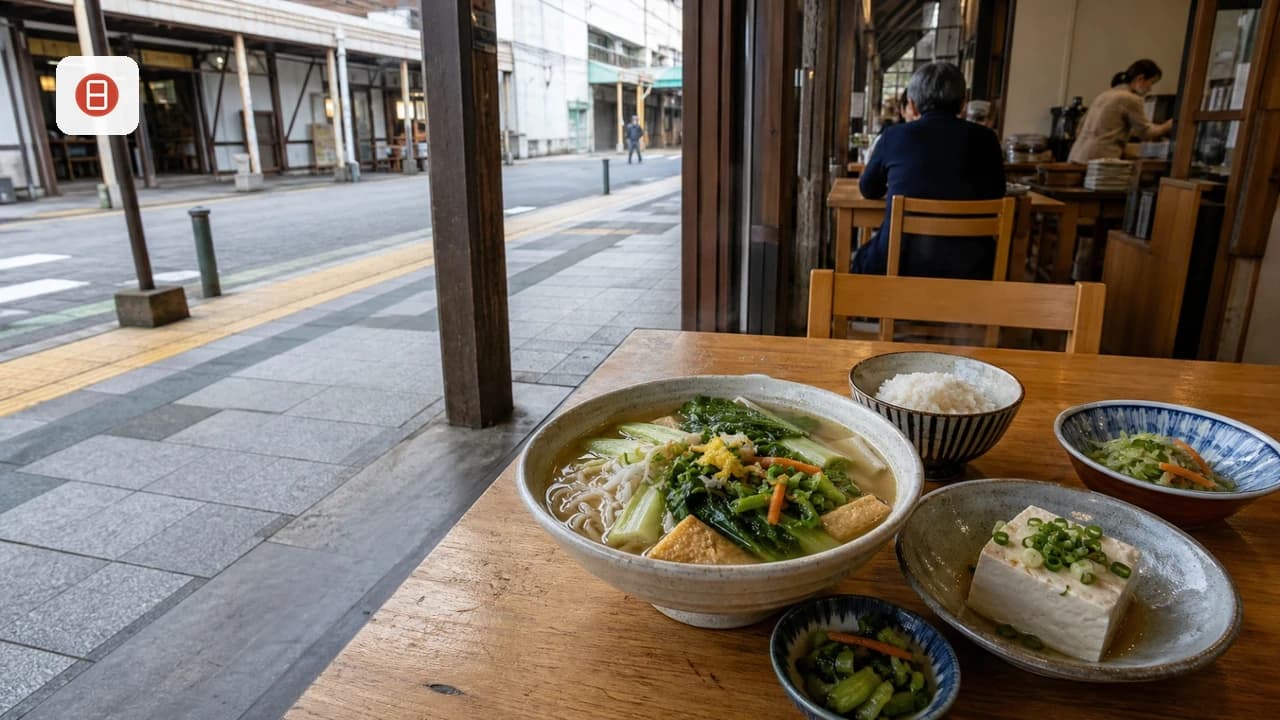
- Chagayu (tea porridge): rice steamed with roasted green tea, plated with pickles and umeboshi. Jun Kissa Lierre serves a six-side-dish teishoku set from 10am to 2pm, inside a 130-year-old kominka house.
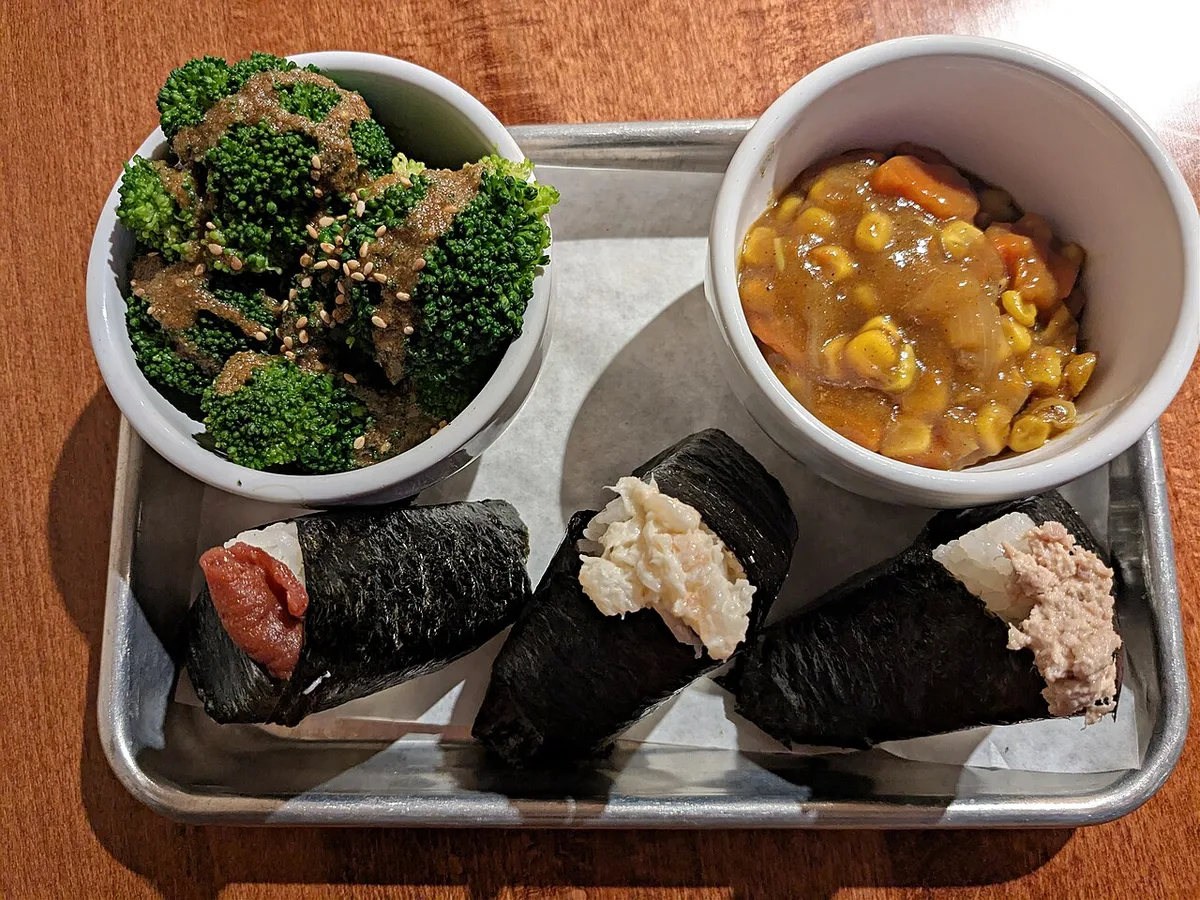
- Mehari-zushi: a rice ball wrapped in salt-pickled takana mustard leaf. The name comes from meharu, the wide-open eyes needed to bite into it, a habit from Kumano-region forestry workers who packed bento-box-sized versions. The traditional version is rice and pickled leaf only, naturally vegetarian. Many shops now stuff the rice with other fillings, so confirm there's no dashi or bonito flakes before ordering.
- Kinzanji miso: a fermented paste of soybean, wheat, and vegetables such as eggplant, made in the Yuasa district. Yuasa is also said to be the birthplace of Japanese soy sauce, discovered as a liquid byproduct of Kinzanji miso fermentation at Kokokuji Temple. It's a vegetarian-safe topping for rice or a snack with tea, sold at specialty miso shops rather than restaurants.
Budget-Friendly Vegetarian Cafes in Wakayama City
Four spots make up the core budget vegetarian circuit inside Wakayama City. All keep a shojin-influenced or vegetarian set menu priced near ¥1,000 for lunch.
Shojin-style sets at Shojin Cafe-Foi cost around ¥1,000. Full shojin ryori kaiseki costs ¥3,000 to ¥10,000 at Koyasan, making Wakayama City dining far more accessible for traditional temple cuisine.
- Shojin Cafe-Foi Jyouhoku: shojin ryori sets from around ¥1,000. Near Wakayamashi Station on the Nankai Main Line. Open 11am to 9pm, closed Thursdays.
- Shojin Cafe-Foi Shintoori: the cheaper of the two locations, with items from around ¥500. Near Wakayama Station on the JR Wakayama Line. Closed Tuesdays.
- Ren: a shojin-style vegetarian menu near Musota Station on the JR Hanwa Line. Sets run about ¥1,000. Open 11am to 4pm, closed Mondays.
- Cafe Bonheur: a casual vegetarian set around ¥1,000, posted alongside the regular menu, which keeps the table workable for a family with mixed diets. Open 11am to 3pm and again 5pm to 6:30pm, closed Wednesdays.
- Two more budget options sit at Koyasan, useful if the same trip continues up the mountain before or after Wakayama City. Tempu Terrace serves an organic, vegan, and gluten-free menu near Koyasan Station on the Nankai Koya Line, open 11am to 4pm, closed Tuesdays. BON ON ShyA international CAFÉ serves natural foods and cake near Shimohyogo-Kofuku Station on the Koyasan cable line, open from 10am until sunset, closed Mondays and Tuesdays. Hours around both shift on public holidays, so a quick call ahead avoids a wasted walk.
How to Keep Costs Down in Wakayama City
Lunch sets are the cheapest way to eat vegetarian in Wakayama City. Many cafes price a lunch set near ¥1,000, then raise the same style of dishes toward ¥2,000 once dinner service starts. Booking lunch, not dinner, is the simplest budget move.
Several budget cafes close by 4pm or operate split hours. This limited availability makes lunch sets near ¥1,000 the practical choice over dinner, when prices climb to ¥1,500 to ¥2,500.
- Department store basement food halls (depachika) near JR Wakayama Station stock prepared vegetable sides, pickles, and rice dishes that skip meat and fish. They work well for building a picnic-style meal to eat on a bench or back at a hotel room.
- Convenience stores such as 7-Eleven and Lawson sell rice balls that are vegetarian-safe by default, including inari-zushi (fried tofu pocket) and ume onigiri (pickled plum). Both make a reliable backup for a late return, after cafe kitchens have already closed.
- Kuroshio Market's tuna cutting show draws the crowds, but its attached shops sell packaged Fukuhobai umeboshi and other Wakayama specialty souvenirs. They're a vegetarian-safe stop for snacks to carry onward, even outside the show's schedule.
Navigating Wakayama Ramen and Seafood Menus as a Vegetarian
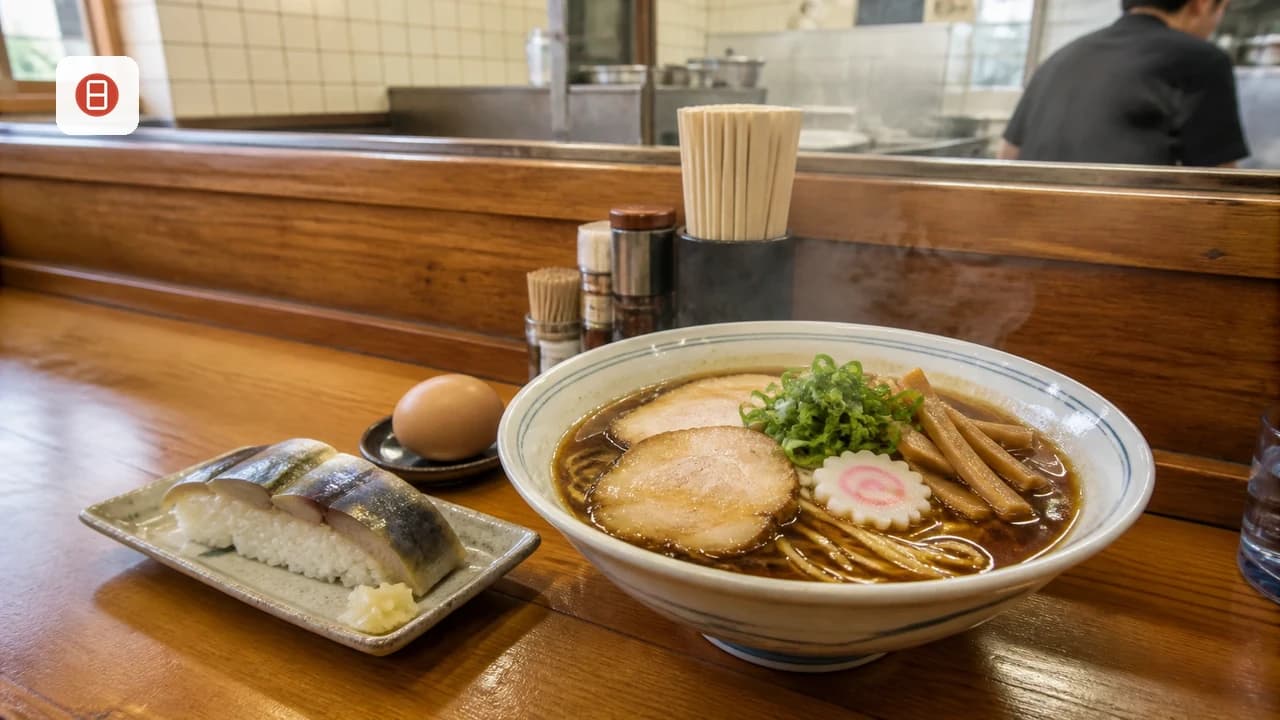
Wakayama's signature ramen is not a fallback for a vegetarian budget. The dish traces back to yatai stalls that once lined a tram garage exit, giving the light, clear style its name: shakomae-kei. The richer, milky ide-kei style developed alongside it. Both are simmered from chicken or pork bone broth. Two of the city's best-known shops, Honke Arochi Marutaka Chuka Soba and Ide Shoten, represent the two respective styles, and both build their broth from animal bones rather than dashi alone. Wakayama ramen and hayazushi explains the two broths and the honor-system payment used at most stalls, where diners tally their own bowl and side dishes at the end. Hayazushi, the pressed vinegared-fish sushi often served alongside ramen, is not vegetarian either. Narezushi, a fermented mackerel sushi wrapped in reed leaves, and kaki-no-ha-zushi, mackerel pressed under persimmon leaves, are two more Wakayama specialties built entirely around fish. Seafood is the other pillar of Wakayama dining. Wakayama's seafood restaurants and fishing ports covers that side of the city's food scene, useful when only part of a group eats vegetarian.
When to Splurge: Shojin Ryori, Sesame Tofu, and Fruit Desserts
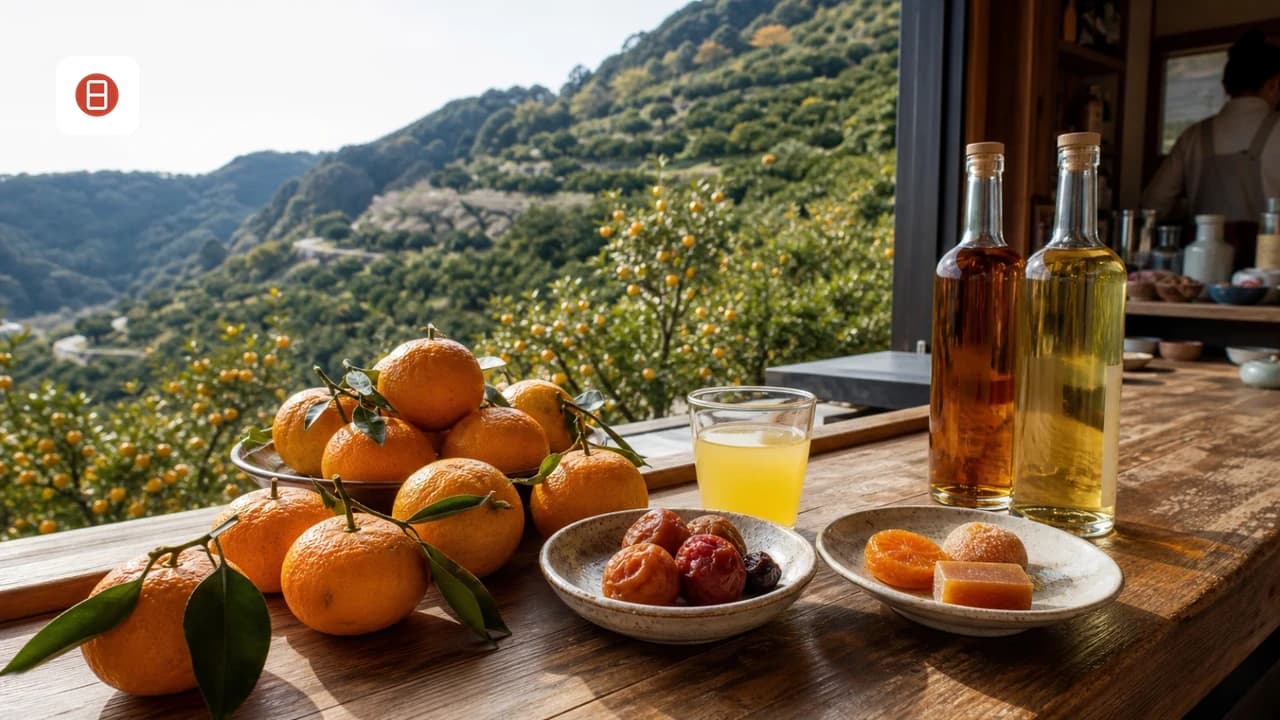
A full shojin ryori kaiseki course, the ceremonial multi-dish version served at Koyasan, costs ¥3,000 to ¥10,000. Hanabishi, a long-running Koyasan cuisine restaurant, follows the shojin ryori 'rule of fives': five cooking methods, five tastes, and five colors. It sits a 10-minute bus ride from Koyasan Cable Koyasan Station, alighting at the Senjuin-bashi stop, and it requires booking ahead. For a cheaper taste of the same tradition, Kadohama Gomatofu Sohonpo Honten sells fresh sesame tofu, or goma-dofu, that typically sells out by evening. It's a quick vegetarian snack rather than a sit-down meal. Staying inside Wakayama City and choosing one of the ¥1,000 shojin-influenced lunch sets covers similar cooking for a fraction of the Koyasan price. Dessert is the other reasonable splurge. Wakayama markets itself heavily on orchard fruit, and a premium mikan or peach parfait runs about ¥800. Mikan season runs through the cooler months, while the parfait format itself is available at cafes and dessert counters year-round using whichever Wakayama fruit is in season. Wakayama's mikan, ume, and umeshu guide covers the fruit and plum side of the region in more depth, including umeshu made from the same Nanko plums used in umeboshi.
Getting There and Practical Tips
Local buses connect JR Wakayama Station and Wakayamashi Station to the castle area, where several cafes and shops cluster. Confirm current bus schedules and fares at either station, since routes can shift year to year. Wakayama's attractions guide covers what's within walking distance of the castle, useful for pairing a meal with a stop there.
- Short hours: Ren closes at 4pm, Tempu Terrace closes at 4pm, and Cafe Bonheur splits its day into an 11am to 3pm sitting and a 5pm to 6:30pm sitting.
- Order-stop (O.S.) times: some restaurants stop taking orders before the room closes. Creative Restaurant Mobo in Tanabe, for instance, cuts off lunch orders at 1:30pm despite staying open until 3pm. Call ahead if arriving close to a listed closing time.
- Language: state clearly that the order needs no dashi (fish stock) and no meat. Staff at vegetarian-labeled cafes are used to the question. At a general ramen shop or izakaya, confirm before ordering.
- Payment: some budget spots, including Wakayama ramen stalls, still run on an honor system where diners report their own order at the register. Vegetarian cafes typically use a standard till instead.
- Mixed-diet groups can lean on Ren or Cafe Bonheur, where a vegetarian set sits on the same menu as standard dishes, or fall back on a depachika food hall where each person picks separately.
Japanese Phrases for Ordering Vegetarian Food
Menus in Wakayama may describe a dish as vegetable-based while still using dashi, bonito flakes, or fish sauce. Show staff a short written request when needed, especially at ordinary cafes, supermarkets, and izakaya.
- Watashi wa bejitarian desu.(私はベジタリアンです。)— I am vegetarian.
- Niku to sakana wa taberaremasen.(肉と魚は食べられません。)— I cannot eat meat or fish.
- Dashi wa haitte imasu ka?(だしは入っていますか?)— Does this contain stock?
- Katsuobushi wa nashi de onegaishimasu.(かつお節はなしでお願いします。)— Please make it without bonito flakes.
For vegan meals, add tamago mo nyuseihin mo taberaremasen(卵も乳製品も食べられません), meaning you cannot eat eggs or dairy products. Ask before ordering mehari-zushi, miso-based dishes, and prepared deli foods. Their visible ingredients can look suitable, while the seasoning may contain fish-derived stock.
Frequently Asked Questions
Are there dedicated vegan restaurants in Wakayama City?
A handful of cafes post vegan options alongside a vegetarian set, including both Shojin Cafe-Foi locations and Ren. None specializes exclusively in vegan cooking. Confirming dairy-free and egg-free specifics with staff is still worth doing before ordering.
How much does a budget shojin ryori meal cost in Wakayama City?
A shojin-influenced lunch set at a city cafe such as Shojin Cafe-Foi Jyouhoku or Ren runs about ¥1,000. A full ceremonial shojin ryori kaiseki, the kind served at Koyasan, costs ¥3,000 to ¥10,000.
Is mehari-zushi vegetarian?
The traditional version is rice wrapped in salt-pickled takana mustard leaf, with no meat or fish, and it is naturally vegetarian. Some shops now stuff the rice with other fillings or season it with dashi. Confirm the recipe before ordering if the meal needs to stay strictly meat-free.
Is gluten-free food available alongside vegetarian options in Wakayama City?
Selection is limited inside Wakayama City itself. A few cafes in the wider area, including Tempu Terrace near Koyasan, post a gluten-free tag alongside vegan and vegetarian menus. Mention any allergy to staff before ordering, since shared kitchen equipment can still be a concern.
What should vegetarians avoid ordering by default in Wakayama City?
Skip Wakayama ramen and hayazushi by default, since both typically use animal-based broth or vinegared fish. Wakayama's ramen and hayazushi guide explains both dishes, useful if part of the group still wants to order them.
What's a realistic daily food budget for a vegetarian traveler in Wakayama City?
Two vegetarian meals a day, one lunch set near ¥1,000 and one dinner around ¥2,000, plus a konbini snack or two, lands close to ¥3,000 to ¥3,500 total. Adding a splurge like a shojin ryori kaiseki or a fruit parfait pushes that higher on a given day.
Free guide: Japan's Hidden Gems
12 under-the-radar places beyond Tokyo & Kyoto — with the best season to visit each and a local tip you won't find in the guidebooks.
You might also like

Continue reading
More guides you'll find useful