Wakayama Ramen and Hayazushi: The Complete 2026 Guide
Wakayama ramen and hayazushi explained: shakomae-kei vs ide-kei broths, the honor-system side dishes, and where to eat in 2026.
On this page
Last updated August 2026, this guide breaks down Wakayama ramen and hayazushi, the paired dishes that define the city's downtown ramen counters. Local menus split into two broths: a soy-forward shakomae-kei and a rich, pork-heavy ide-kei. Diners help themselves to hayazushi and boiled eggs from the table, then declare the count at checkout.
Wakayama Ramen and Hayazushi: An Inseparable Pairing
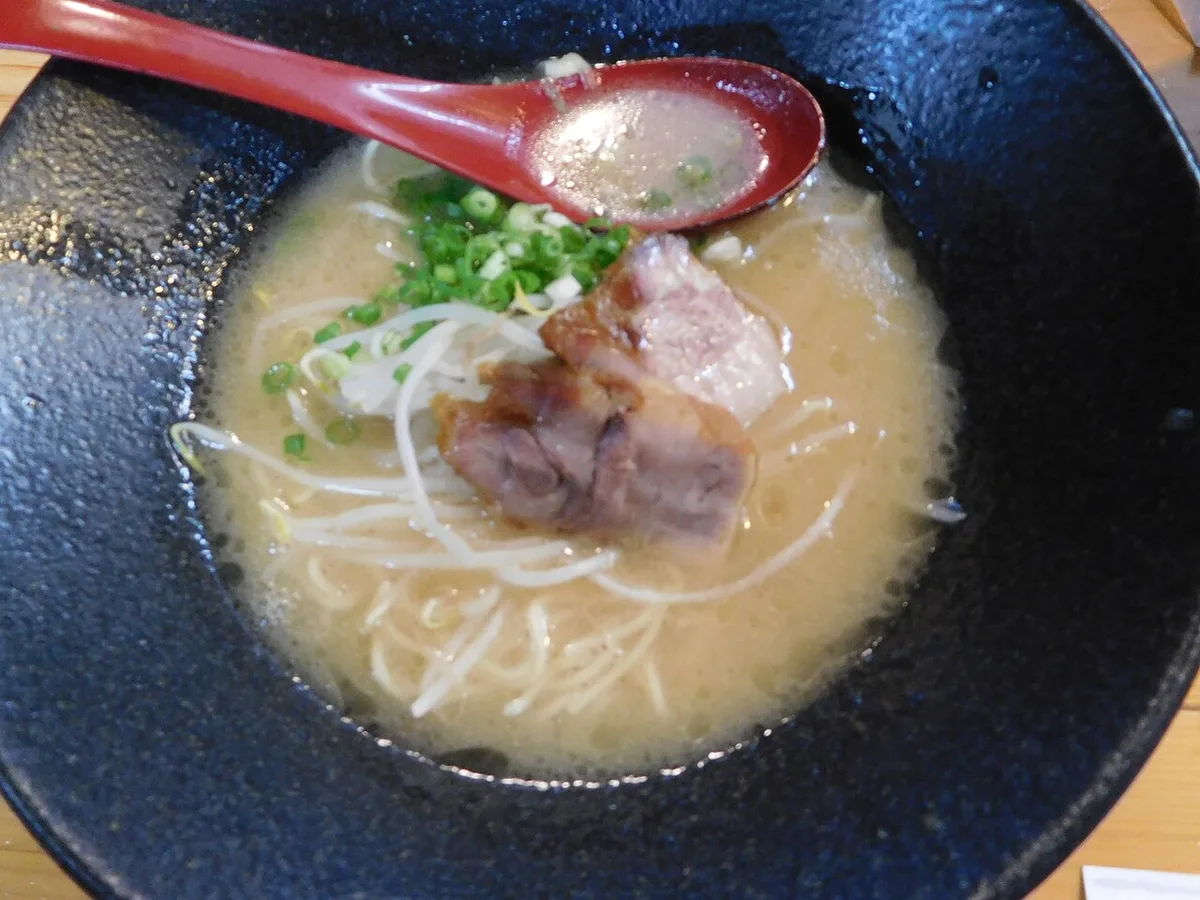
Locals call the dish chuka soba, meaning Chinese noodles, not ramen. Its broth mixes pork and soy sauce, with thin, straight noodles that stay firm rather than curling into ropey curls. Compared with Hakata tonkotsu or a Tokyo shoyu bowl, the broth reads darker and saltier at first sip. It carries a deep pork funk without the strong animal odor found in some tonkotsu styles. Two broth families exist side by side. The official Visit Wakayama gourmet guide describes a light, clear shakomae-kei and a richer, milky ide-kei. Every counter also sets out hayazushi and boiled eggs, so the ramen never arrives alone. Both broth styles lean on a soy sauce tradition that runs deep in this prefecture; Yuasa, elsewhere in Wakayama, is considered the birthplace of Japanese soy sauce production. That history, along with the rest of the prefecture's food culture, gets fuller treatment in the Wakayama Ramen and Local Food Guide (2026).
Shakomae-kei vs Ide-kei: Two Broth Styles Compared
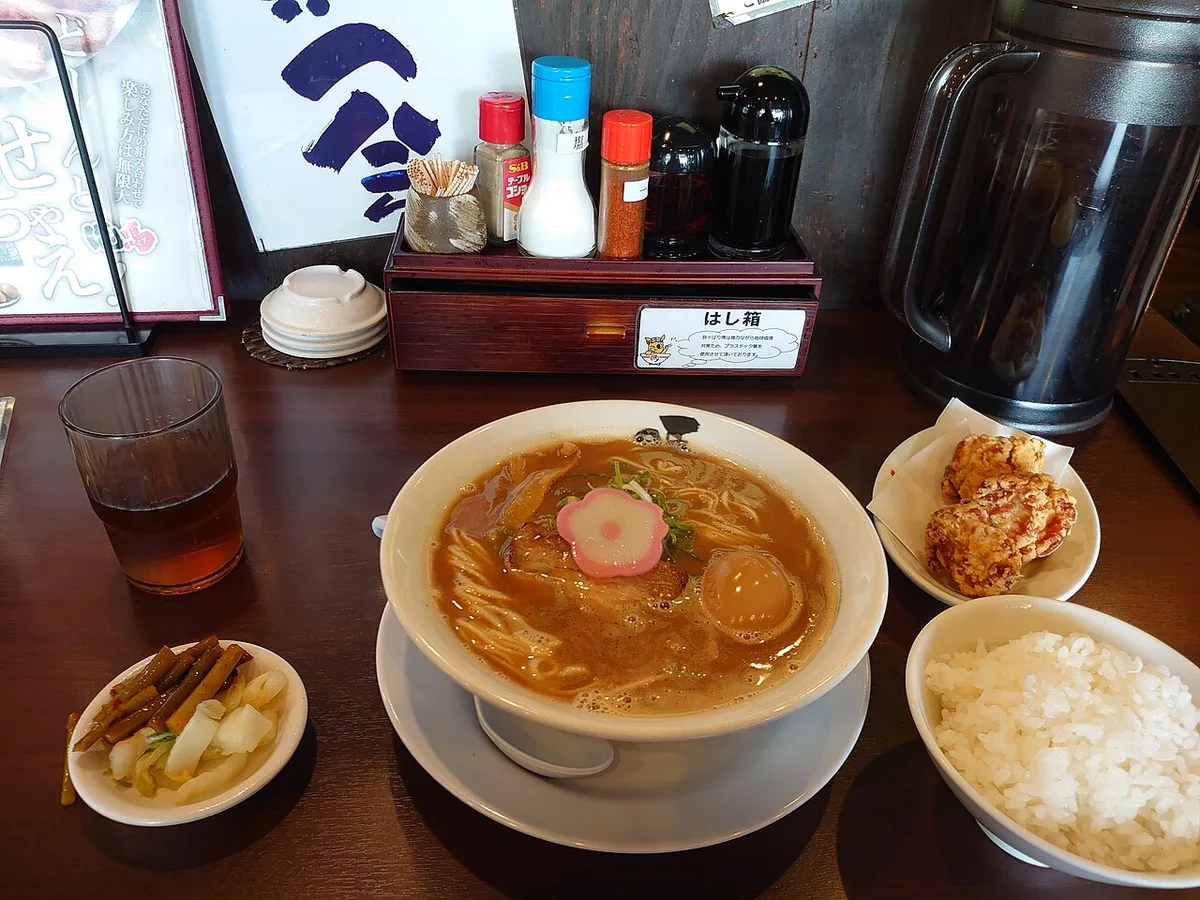
Shakomae-kei takes its name from shakomae, the area outside the old tram garage where ramen stalls once lined the street. Honke Arochi Marutaka traces back to a 1940 stall and still makes fresh noodles daily, according to the official Visit Wakayama gourmet guide. Ide-kei broth is thicker and more pork-forward. Ide Shoten is the shop credited with popularizing the style nationwide. Its tonkotsu-soy soup pairs with thin noodles that have not changed since the shop opened. First-timers unsure which to order can just ask staff for a recommendation. Most shop names hint at the broth family before you even sit down.
| Style | Broth base | Flavor profile | Noodle | Best for |
|---|---|---|---|---|
| Shakomae-kei | Chicken or pork stock with clear soy sauce | Light, aromatic, nostalgic | Fresh, house-made | A lighter, traditional bowl |
| Ide-kei | Pork bone (tonkotsu) emulsified with soy sauce | Rich, thick, deeply savory | Thin and straight | A heavier, kotteri-style broth |
Choosing Your First Bowl
Broth preference matters more than ranking when picking a first bowl. Match a broth style and shop to available time and appetite.
- Want the richest, most iconic bowl - Ide Shoten, but budget extra time for the line.
- Want the lighter, original recipe - Honke Arochi Marutaka, close to downtown and usually faster.
- Want a topping-forward bowl - Ramen Marui, for the signature green onion pile.
- Want a budget-friendly local favorite - Green Corner, for Tenkake-ramen and a lower price point.
Hayazushi, Boiled Eggs, and the Honor System
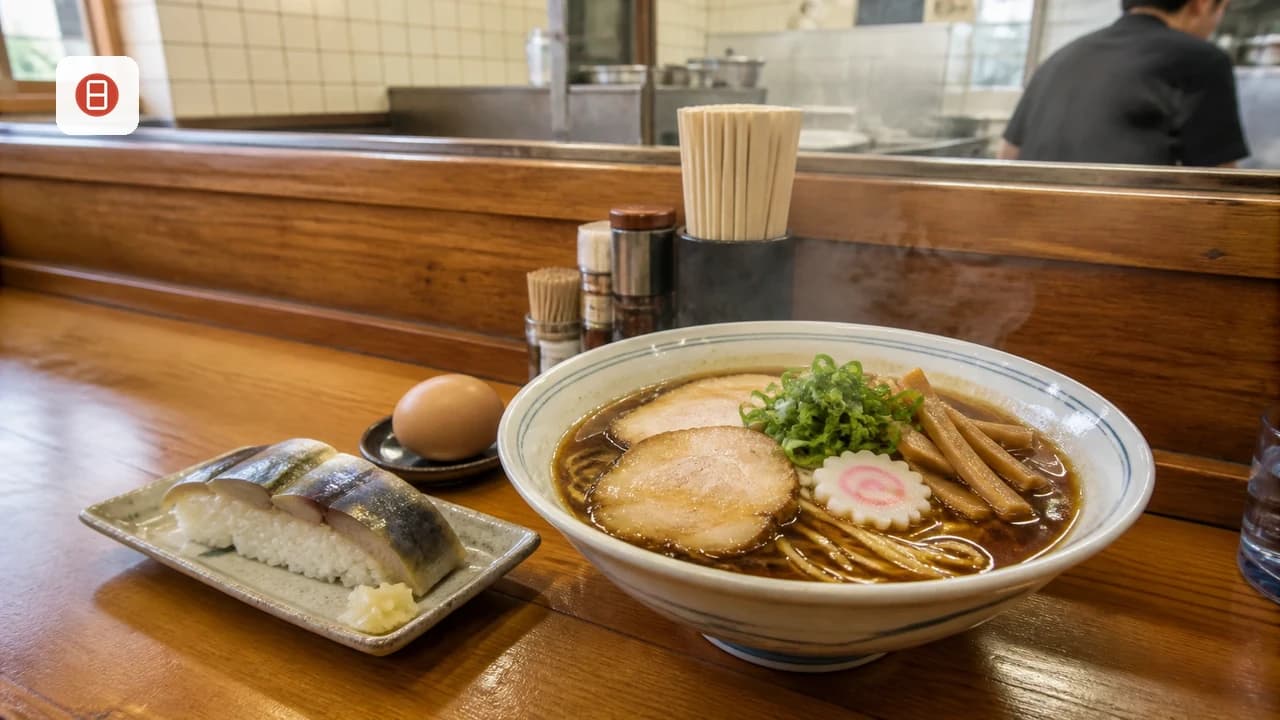
Hayazushi is pressed sushi made with vinegared mackerel over vinegared rice, sometimes wrapped in bamboo leaves with a trace of red ginger. Every shop places a tray of it on the counter along with hard-boiled eggs. Look for a small stack of wrapped parcels on the counter; that is the hayazushi tray, distinct from the plainer, unwrapped eggs beside it. Diners serve themselves while the ramen cooks. Acidity from the vinegared fish cuts through the richness of the pork broth, which is why the pairing became standard rather than optional. Payment works on trust. Visit Wakayama's official tourism site confirms diners pay for hayazushi and eggs under an honor system, reporting the count at the register once the bill comes. Do not confuse hayazushi with narezushi. Narezushi is a separate, more strongly fermented mackerel sushi wrapped in giant reed leaves, sold on its own rather than served as a ramen side.
Where to Eat: Five Shops Worth the Trip
Five shops anchor most ramen itineraries in Wakayama City, each with a distinct queue, price point, and specialty. Ide Shoten draws the longest wait, since visitors travel from across Japan for its ide-kei bowl. Shops closer to residential neighborhoods, like Honke Arochi Marutaka and Ramen Marui, tend to move faster and skew more local. Most of these five sit within a compact downtown radius, so a single afternoon can realistically cover two or three.
- Ide Shoten - credited with popularizing ide-kei ramen nationwide. Thin noodles sit in a tonkotsu-soy broth that has not changed since the shop opened, and lunch or dinner peaks routinely bring a line outside the door.
- Honke Arochi Marutaka - the shakomae-kei original, tracing back to a 1940 street stall at 2-50 Tomoda-cho, about 15 minutes on foot from JR Wakayama Station. Fresh house-made noodles and a winter oden menu round out the counter.
- Ramen Marui - broth simmered over two days, topped with a heap of same-morning green onions from local farmers. Ask for less negi if a milder bowl is preferred.
- Chuka-Soba Marutaya - opened by a cook who trained three years at Ide Shoten. Pair the ramen with a shirasu rice bowl or the homemade chashu for a fuller meal.
- Green Corner - home of Tenkake-ramen, a lighter bowl topped with crunchy tenkasu and red ginger, run by the tea shop Gyokurin-en. Several locations also sell a green tea soft-serve dessert in the same spirit as the flavors in the Wakayama mikan, ume, and umeshu guide.
Other Ramen Shops Worth Knowing About
Beyond the five best-known counters, a handful of other shops round out a longer ramen crawl. Yamatame Shokudo has operated for more than 50 years from a cafeteria-style dining room. Its slow-simmered pork broth pairs with medium-thickness noodles and thick, juicy chashu. Wa Dining Seino Honten holds a Michelin Bib Gourmand listing and uses Ibubiton, a wild boar and pig cross, in its thick kotteri broth. A lighter Kadocho Shoyu Takumi option is also on the menu. Raguman serves a white soy-based broth loaded with Chinese cabbage, plus creative variations like cheese-topped or spicy ramen inside a log-cabin-style dining room.
Planning a Ramen Visit: Timing, Costs, and Getting Around
Lunch service tends to move quickly, while many shops stay open into the evening for a post-work or post-drinking crowd. Arochi Marutaka in particular sits in the downtown core and draws an after-work crowd looking for a bite or a drink nearby. Menus rarely list prices online. Budget the same as a standard bowl of ramen elsewhere in Japan. Hayazushi and boiled eggs are added on top at checkout, under the honor system. Travelers watching spend can compare citywide options in the Wakayama budget and vegetarian food guide. Honke Arochi Marutaka sits about 15 minutes on foot from JR Wakayama Station, and most of the other counters cluster within a similar radius downtown. Rental bicycles are a popular way to string together two or three shops in one afternoon. Local buses also connect JR Wakayama Station to the downtown ramen district, though bicycles remain faster for hopping between multiple shops. Wakayama City Tourist Association, reachable at 073-433-8118, can confirm current hours before a special trip to any one shop. Pair the ramen crawl with nearby stops from the Wakayama attractions guide, since most counters sit within walking distance of downtown landmarks.
Honke Arochi Marutaka sits about 15 minutes on foot from JR Wakayama Station, making it a practical backup when Ide Shoten's line peaks. The original shakomae-kei counter moves faster and sits closer to transit than its pork-heavier rival.
Mistakes to Avoid at the Ramen Counter
A few habits separate a smooth ramen stop from a wasted one. Most of these mistakes are easy to avoid once you know the local rules.
Shops post irregular closed days. Before a special trip to Ide Shoten, call Wakayama City Tourist Association at 073-433-8118 to confirm current hours and avoid a wasted visit.
- Queuing at Ide Shoten without checking the day - shops post irregular closed days, and a long wait can end at a shuttered door.
- Skipping the declaration at checkout - the honor system depends on diners reporting every piece of hayazushi and every egg taken from the table.
- Mixing up hayazushi and narezushi - narezushi is a separate, far more pungently fermented mackerel sushi sold on its own, not a ramen counter side.
- Arriving during the peak lunch or post-work window at Ide Shoten with no backup plan - Honke Arochi Marutaka and Ramen Marui usually move faster.
- Assuming every shop takes cards - many small ramen counters in Japan skew cash-only, so carrying yen avoids a last-minute scramble.
- Expecting a Chinese-style dish - chuka soba is just the local name for ramen, and the bowl itself is a Japanese pork-and-soy noodle soup.
Beyond Ramen: Other Wakayama Sushi Styles to Try
Hayazushi is not the only pressed sushi worth trying in Wakayama. Mehari-zushi wraps a rice ball in pickled takana mustard leaf, a dish that started as a portable lunch for forestry workers. Kaki-no-ha-zushi presses vinegared rice and salted mackerel inside a persimmon leaf. Visit Wakayama's official gourmet guide traces the dish to the inland Kinokawa River valley, far from fresh seafood. Both mehari-zushi and kaki-no-ha-zushi travel well, making them easier take-home souvenirs than hayazushi, which is best eaten fresh at the counter. Kinzanji miso, a savory preserved condiment, shows up as a souvenir alongside these sushi styles in many of the same gift shops. For a different kind of food theater, the Kuroshio Market Tuna-Cutting Show: 2026 Guide features whole-tuna butchery demonstrations at the market. It is a contrast to the counter-service ramen shops downtown, and a reminder of how much Wakayama's food identity extends past the ramen counter itself.
Frequently Asked Questions
What is the difference between shakomae-kei and ide-kei ramen?
Shakomae-kei is a lighter, clear soy-based broth from the stalls that once stood outside Wakayama's old tram garage. Ide-kei is thicker and pork-forward, built on an emulsified tonkotsu-soy base popularized by Ide Shoten. Pick shakomae-kei for a nostalgic, lighter bowl. Pick ide-kei for a heavier, richer soup.
How does the Wakayama ramen honor system work?
Hayazushi and boiled eggs sit on the counter or table, and diners take what they want while the ramen cooks. Nobody records what is taken as it happens. At checkout, diners tell staff how many pieces of hayazushi and how many eggs they ate, and the bill reflects that count.
Is hayazushi the same as narezushi?
No. Hayazushi is a quick, vinegared mackerel sushi meant to be eaten fresh alongside ramen. Narezushi is a separate dish, fermented for a much longer period and wrapped in giant reed leaves, with a far stronger aroma and flavor.
Which Wakayama ramen shop has the shortest wait?
Ide Shoten typically draws the longest line, since it attracts visitors from across Japan as well as locals. Honke Arochi Marutaka and Ramen Marui tend to move faster and skew more toward neighborhood regulars. Checking a shop's posted hours before joining any queue helps avoid a wasted wait.
What is Tenkake-ramen at Green Corner?
Tenkake-ramen is a lighter bowl topped with crunchy tenkasu and red ginger, served at Green Corner, which is run by the tea shop Gyokurin-en. It works as a local comfort-food alternative to the richer downtown shops, and several locations also sell a green tea soft-serve dessert.
What does chuka soba mean in Wakayama?
Chuka soba literally translates to Chinese noodles, but locally it simply means ramen. The dish itself is a Japanese pork-and-soy bowl, not a Chinese recipe, and the name is used interchangeably with ramen throughout Wakayama City.
What should travelers order alongside Wakayama ramen and hayazushi?
Boiled eggs are the standard second side, taken from the same table as the hayazushi. Some shops, like Chuka-Soba Marutaya, also serve a shirasu rice bowl or egg rice as an add-on. Reporting every item at checkout keeps the honor system working for the next diner too.
Free guide: Japan's Hidden Gems
12 under-the-radar places beyond Tokyo & Kyoto — with the best season to visit each and a local tip you won't find in the guidebooks.
You might also like

Continue reading
More guides you'll find useful