Yufuin Bungo Beef and Yufu Mabushi Guide: What to Order at Yufu Mabushi Shin
A practical guide to Yufuin Bungo beef and Yufu mabushi: what to order at Yufu Mabushi Shin, the three-step eating method, branch picks, and 2026 prices.
On this page
Last updated August 2026. Yufuin Bungo beef and Yufu mabushi anchor the town's most-searched restaurant, Yufu Mabushi Shin, which runs two branches near Yufuin Station and Lake Kinrin. This guide covers the three-step eating method, the Ekimae versus Kinrinko Honten choice, and the queue timing that decides whether lunch runs 30 minutes or a full hour.
What Is Bungo Beef? Oita's Answer to Kobe Beef
Bungo beef is Oita Prefecture's signature wagyu, typically graded A4 or A5 on Japan's beef grading scale. That scale combines a yield grade with a marbling score, and A4 or A5 marks the higher end of both. The name traces back to Bungo, the historical province that once covered much of modern Oita. Oita Prefecture sits roughly two hours from central Fukuoka, which is why many Kyushu itineraries pair a Fukuoka arrival with a Yufuin food stop. Its fat carries a high concentration of oleic acid, the same compound prized in olive oil. That gives the meat a soft, buttery melt at body temperature rather than a heavy, greasy finish. Marbling runs through thin slices in visible streaks, and the aroma turns noticeably sweeter once the beef hits a hot grill or claypot. Wagyu in Japan comes from a small number of native cattle breeds, and Bungo beef shares that lineage with Kobe beef and Matsusaka beef, without the same international name recognition. In Yufuin, the most direct way to taste it is inside a bowl of Yufu mabushi rather than as a standalone steak course.
A4 or A5 graded Bungo beef carries high oleic acid that creates a buttery melt, requiring yuzu kosho—a fermented Kyushu paste—to cut through the fat more sharply than wasabi alone.
Yufuin Bungo Beef and Yufu Mabushi: Inside the Claypot Set
Yufu mabushi means rice cooked to order in a traditional claypot, or donabe, with the protein layered on top before it goes over the heat. Rice at the bottom of the pot browns and crisps as it cooks, forming a layer called okage. That crispy rice is a texture highlight, not a flaw, so scrape a spoonful of it into every bowl you fill. Yufu Mabushi Shin builds its menu around three proteins: Bungo beef, Jidori local chicken, and Hitsumabushi eel. Each set arrives with a full spread built around the claypot, not just the rice and meat alone. Portion sizing runs generous by design. A single claypot has held enough rice and topping for roughly two people when appetites are moderate, so two diners sharing one order is common practice. Diners who want more protein than the set portion provides can order an appetizer-style side of extra beef, chicken, or eel from the same menu, priced separately from the mabushi sets. Recent visitor menus have listed the Bungo Beef Mabushi around ¥2,850, with the wider Yufu mabushi lineup running roughly ¥2,500 to ¥3,500 depending on protein and portion. Extra roasted Bungo beef ordered as a side has run closer to ¥3,200. Set pricing covers the full appetizer spread, pickles, and soup, not the claypot alone. Skipping straight to the beef and ignoring the rest of the tray leaves part of what you paid for on the table.
- A rice claypot topped with grilled Bungo beef, Jidori chicken, or eel, cooked to order
- An appetizer platter that has included taro balls, a rolled tamagoyaki omelet, and a rotation of seasonal pickled vegetables
- A bowl of red miso soup
- A tray of condiments for the seasoning stage, including yuzu kosho, wasabi, and spicy miso paste
- A pot of hot dashi broth for the closing ochazuke stage
The Three-Step Ritual: How to Eat Yufu Mabushi
Yufu Mabushi Shin serves the claypot with a suggested three-step method, and following it changes how the meal tastes from bite to bite. Skipping straight to mixing everything together misses most of the point. Yuzu kosho deserves its own mention. It is a Kyushu specialty paste made from fermented yuzu peel and green or red chile. It cuts through the fat of Bungo beef more sharply than plain wasabi does. A small amount goes a long way, so start with less than feels necessary and add more only if needed.
- Step 1, pure flavor: scoop a portion into your small bowl and taste the beef and rice on their own before adding anything.
- Step 2, seasoning: add condiments such as yuzu kosho, wasabi, or spicy miso. A few pickles on the side sharpen the contrast against the fat.
- Step 3, ochazuke: pour the hot dashi broth over the last of the rice and the crispy okage. It turns the remainder into a savory tea-rice soup.
Ekimae vs Kinrinko Honten: Which Yufu Mabushi Shin Branch to Choose
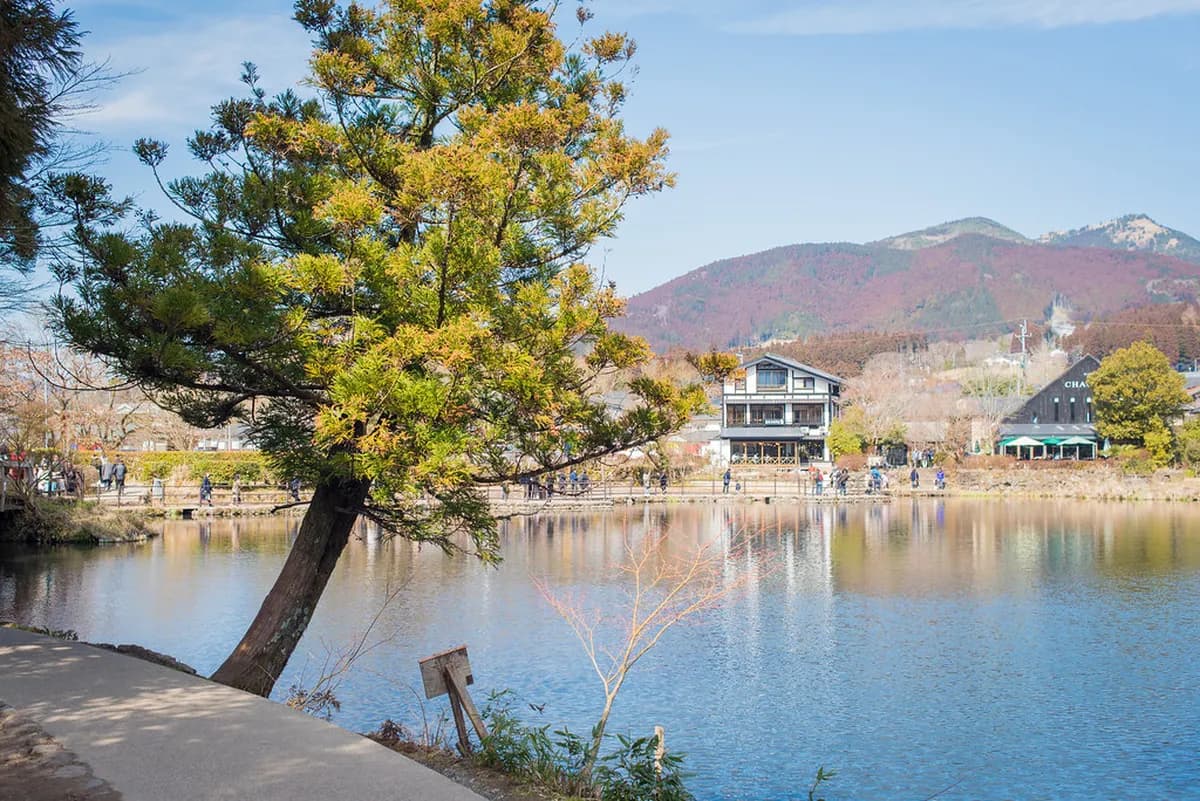
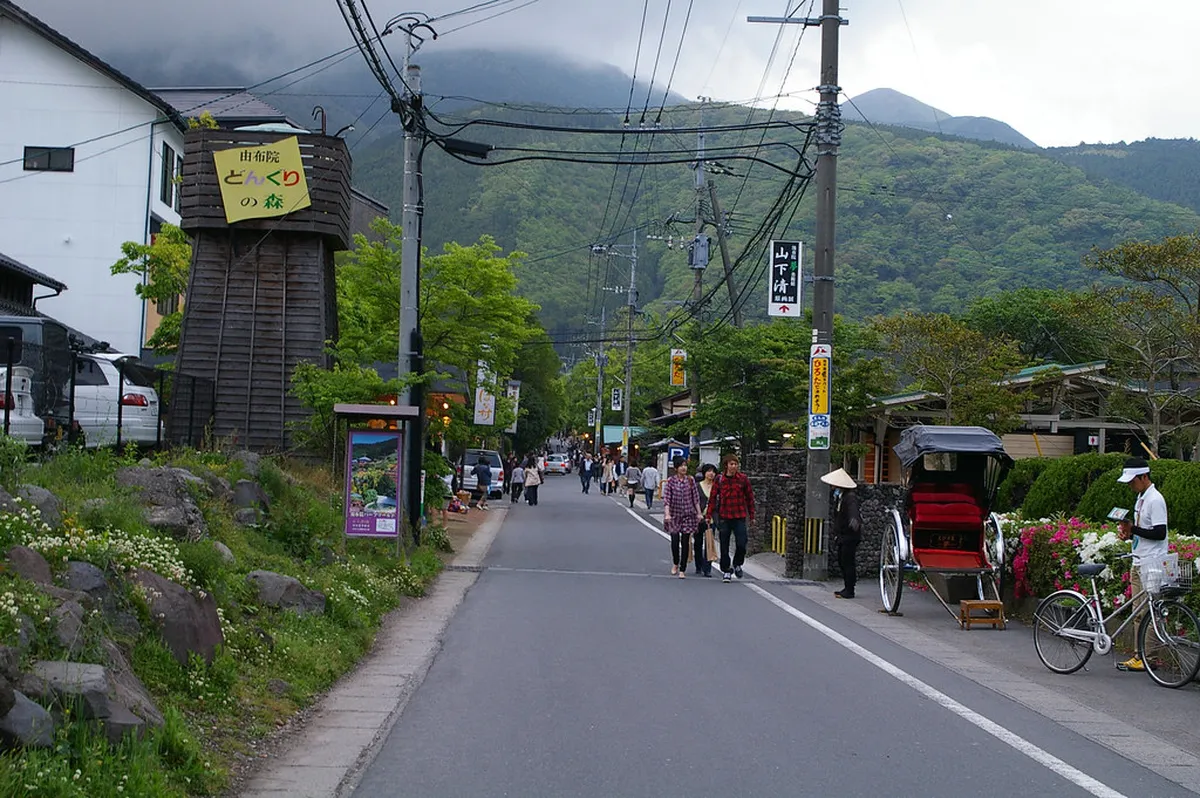
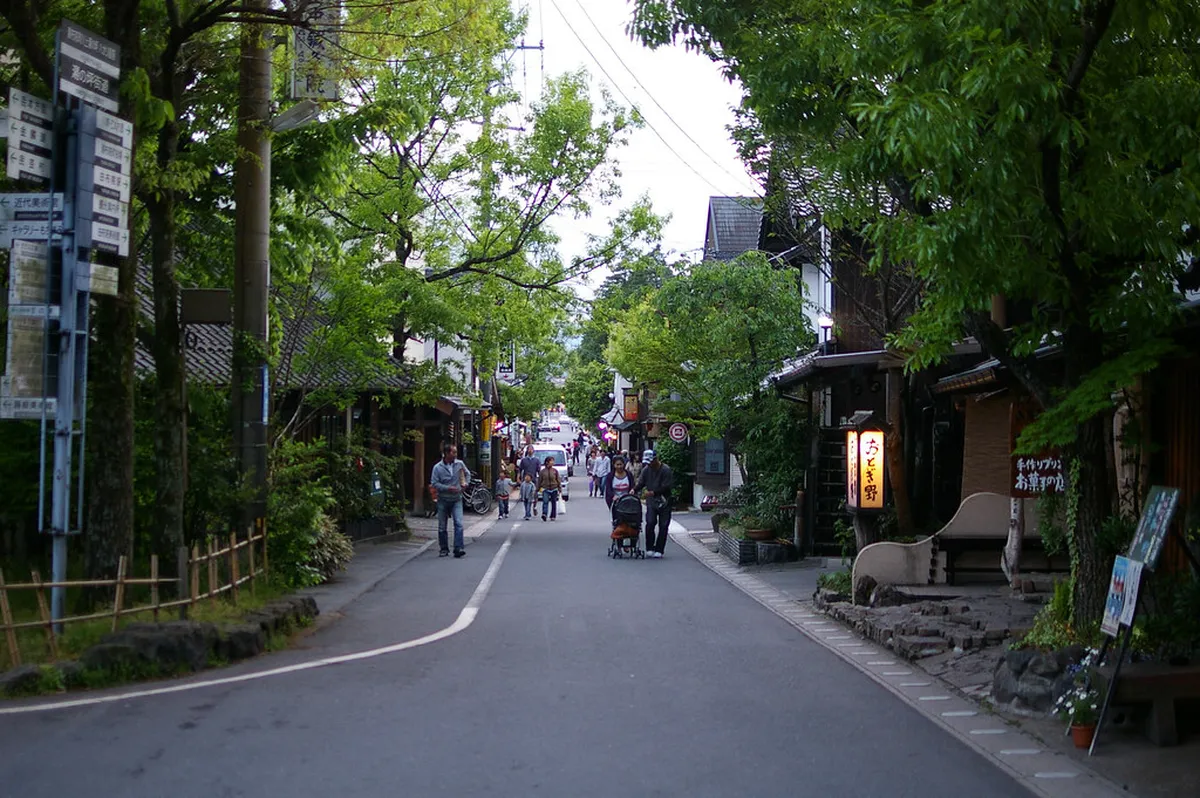
Yufu Mabushi Shin operates two branches in Yufuin, and picking the right one depends on the rest of the day's plan. Ekimae branch sits near Yufuin Station, making it the practical choice right after arrival or right before a departing train. Kinrinko Honten sits near Lake Kinrin, on Yunotsubo Kaido, the town's main shopping street. That makes it an easy pairing with a lake stroll or a walk down the Yunotsubo Kaido shopping street. Both branches run an open kitchen, and dozens of claypots cook at once on a single stovetop, a sight worth watching while you wait for your own order. Both branches serve the identical menu and the same three-step ritual, so the choice comes down to geography rather than food quality. Many visitors staying in a ryokan near the lake default to Kinrinko Honten simply because it sits closest to where they are already walking.
Both Ekimae and Kinrinko Honten serve identical menus, making branch choice less significant than timing. The 60-minute wait common at peak lunch hours is avoidable by arriving early instead of choosing based on location.
| Branch | Location | Best For |
|---|---|---|
| Ekimae Branch | Near Yufuin Station | Travelers watching a train schedule |
| Kinrinko Honten | Near Lake Kinrin, on Yunotsubo Kaido | Travelers already sightseeing around the lake |
Planning Your Visit: Timing, Reservations, and Takeout
Lunch service is the busiest window at both Yufu Mabushi Shin locations, and arrival timing matters more than which branch you pick. Queues typically start forming by 11:00 AM, and a 60-minute wait is common once the lunch rush peaks. Arriving by 10:30 AM, close to opening, is the most reliable way to beat the first wave. Many day-trippers arrive on the limited express Yufu service from Hakata or on the Yufuin no Mori sightseeing train. Factoring that arrival time into a queue strategy matters as much as the restaurant's own hours. Because both branches sit within walking distance of central Yufuin, most travelers combine the meal with a broader loop through town rather than a dedicated special trip.
- Reservations: phone reservations are possible at Yufu Mabushi Shin. During a peak-hour rush they are not always honored, so call ahead but still expect to queue.
- Payment: Yufu Mabushi Shin has historically operated cash-only. Carry enough yen for the set plus any extra roasted beef or chicken.
- Takeout: Bungo beef, eel, and local chicken bento boxes are available for anyone who cannot commit to a 60-minute wait.
- Hours: both locations have opened around 10:30 AM, with last orders typically around 5:30 PM.
- Address: Kinrinko Honten is located at 1492-1 Yufuincho Kawakami, Yufu City, with phone reservations going through 0977-85-7880.
Beyond the Beef: Other Yufuin Food to Pair With Your Meal
Bungo beef is not the only protein on the menu. Jidori mabushi uses local chicken, sometimes listed as Toyo no Shamo or herb-raised chicken from Oita. It is a lighter, less expensive alternative to the beef set. Hitsumabushi swaps in grilled Kyushu eel, finished with the same charcoal aroma that defines the beef version. Both alternative sets include the same appetizer platter, pickles, and soup as the beef option, so overall value stays consistent across proteins. A high-end ryokan stay often serves Bungo beef as part of its dinner course. That mabushi claypot style stays specific to this restaurant, though, so plan a separate lunch stop for it. For wider trip context, including where to stay and what else to see nearby, the Yufuin attractions guide rounds out the planning. Between meals, the Yufuin street snacks guide covers lighter options for the rest of the day. After the claypot, the Yufuin roll cake guide lists the town's dessert shops. Budget-conscious travelers can compare prices in the budget soba lunch guide. Near the Kinrinko branch, the Lake Kinrinko cafes guide lists spots to sit down afterward.
Common Mistakes to Avoid at Yufu Mabushi Shin
A few avoidable mistakes turn a good meal into a frustrating one, and most come down to timing or cash rather than the food itself.
- Arriving without cash: Yufu Mabushi Shin has historically operated cash-only, and a card at the register can mean walking away hungry.
- Arriving at 12:30 PM expecting a fast table: midday is peak lunch, and the wait only gets longer as the hour passes.
- Skipping the appetizer platter: it is included in the set price. Taro, tamagoyaki, and pickles are part of the meal, not a side dish to bypass.
- Eating straight from the claypot: scoop a portion into your small bowl first. That keeps the rest of the pot warm through the three-step method.
Frequently Asked Questions
What is Bungo beef?
Bungo beef is Oita Prefecture's wagyu, typically graded A4 or A5. Its high oleic acid content gives the fat a soft, aromatic melt. It stays less internationally known than Kobe beef, though it comes from the same wagyu tradition.
How much does Yufu mabushi cost?
Expect roughly ¥2,500 to ¥3,500 per set, depending on the protein and portion. Recent menus have listed the Bungo Beef Mabushi around ¥2,850, with extra roasted beef closer to ¥3,200. That price covers the claypot, appetizer platter, pickles, and soup, not just the rice.
Do you need a reservation at Yufu Mabushi Shin?
Phone reservations are possible at Yufu Mabushi Shin. During peak lunch hours they are not always honored, so plan to queue regardless. Arriving by 10:30 AM, close to opening, is the most reliable way to shorten the wait.
Is Yufu Mabushi Shin cash-only?
Yufu Mabushi Shin has historically operated on a cash-only basis. Carry enough yen for the set plus any extra roasted beef or chicken. Check current signage at the register, since payment policies can shift over time.
Which branch should you choose, Ekimae or Kinrinko Honten?
Choose Ekimae branch if the schedule centers on Yufuin Station, since it sits closest to arrivals and departures. Choose Kinrinko Honten if the day already includes Lake Kinrin or Yunotsubo Kaido. Both branches serve the same three proteins and the same three-step ritual.
How long is the wait at Yufu Mabushi Shin?
Queues typically start forming by 11:00 AM. A 60-minute wait is common once the lunch rush peaks between noon and early afternoon. Arriving close to the 10:30 AM opening cuts that wait significantly.
Free guide: Japan's Hidden Gems
12 under-the-radar places beyond Tokyo & Kyoto — with the best season to visit each and a local tip you won't find in the guidebooks.
You might also like


Continue reading
More guides you'll find useful