Asahikawa Sake Breweries and Tasting: Otokoyama vs Takasago (2026 Guide)
Compare Asahikawa's Otokoyama and Takasago sake breweries for 2026: tasting hours, tour booking, winter brewing season, transport, and bottle buying.
On this page
Last updated August 2026. Asahikawa sake breweries and tasting center on two historic producers: Otokoyama Sake Brewery Museum and Takasago Sake Brewery, both built on Daisetsuzan mountain water and Hokkaido rice. Otokoyama offers a free three-floor museum with walk-in tastings, while Takasago runs a bookable production tour a 15-minute walk from JR Asahikawa Station.
Why Asahikawa Is Hokkaido's Sake Country
Asahikawa sits in the Kamikawa Basin, ringed by the Daisetsuzan Mountains. Snowmelt filters through the Chubetsu River basin into soft, pure groundwater, the base ingredient every local brewery depends on. Brewers pair that water with cold-hardy Hokkaido rice varieties bred for the region's winters, including Ginpu and Suisei. Results range from crisp, dry sake to fragrant, full-bodied styles. For the most active atmosphere, visit during the winter brewing season, from late November to March. You can watch steaming rice, hear craftsmen at work, and sometimes taste sake pressed that same day. Two producers anchor the local scene: Otokoyama Sake Brewery Museum and Takasago Sake Brewery, each with a different visitor experience. Sake production is one pillar of Asahikawa's food scene. Pair a brewery visit with a wider day of Asahikawa sightseeing.
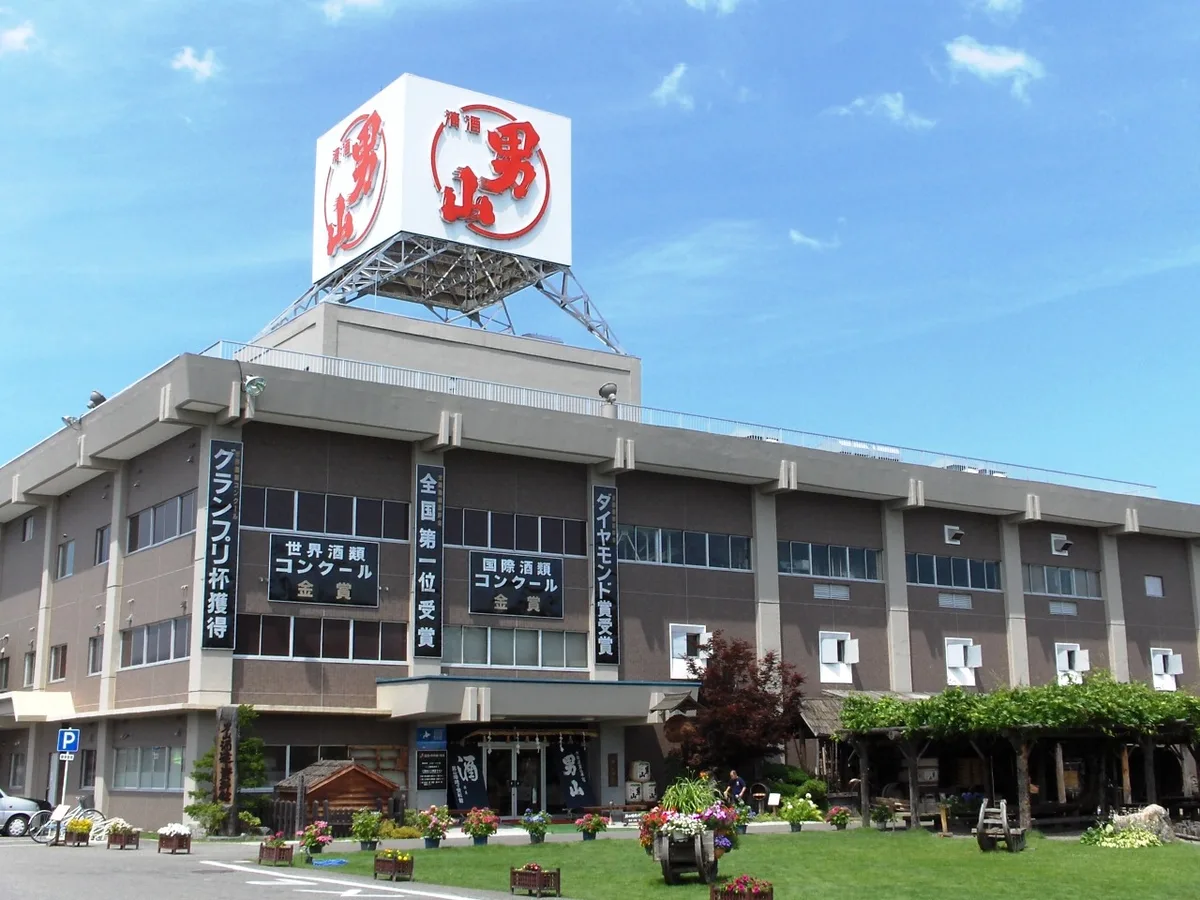
Asahikawa Sake Breweries and Tasting: Otokoyama vs Takasago at a Glance
Asahikawa's two flagship breweries reward different priorities. Otokoyama suits history buffs, families, and travelers who want a quick, free tasting. Takasago suits process-focused visitors and anyone touring during the winter brewing season, when active production is visible. Neither charges admission; budget only for tasting sets, bottles, or a guided tour. Practical differences appear in the table below.
| Feature | Otokoyama Sake Brewery Museum | Takasago Sake Brewery |
|---|---|---|
| Best for | History buffs, families, quick tastings | Process-focused visitors, winter brewing season |
| Location | About 15 minutes by taxi or bus from Asahikawa Station | About 15 minutes on foot from Asahikawa Station |
| Key draw | Three-floor museum and the Water of Longevity | Active brewery tours and ice-aged sake |
| Cost | Free entry; paid tasting sets | Free entry; tours require booking |
| Booking | Not required for the museum or tasting | Advance reservation needed for tours |
Otokoyama Sake Brewery Museum: History, Tastings, and the Water of Longevity
Otokoyama traces its brewing history back roughly 350 years, and its museum documents that history across three floors. Old brewing tools, including wooden tubs, fill the third floor, alongside a sake-making video shown in five languages. Edo-period materials tied to the brewery's origins occupy the second floor, including ukiyo-e prints by artists such as Kitagawa Utamaro and Utagawa Kuniyoshi. Tasting and shop space originally sat on the first floor. Otokoyama has since moved that tasting and retail area into a new building next door, branded Otokoyama Sake Park. Check the official site for current floor access before visiting. Entry is free, but the brewery declines to serve tastings to drivers or anyone under Japan's drinking age of 20. Visitors can also pose for photos in a traditional happi coat near the tasting area, a popular stop before or after sampling.
Otokoyama's Water of Longevity—18 liters per person, available 9:00 to 17:00—draws from the same soft pure groundwater filtered through the Chubetsu River basin that underpins all local brewing.
- Water of Longevity: free public collection of brewing water, limited to 18 liters per person, available 9:00 to 17:00.
- Ochoco Square: the former Japanese garden is now a children's play area, with seasonal flowers still on the grounds from spring through autumn.
- Museum-exclusive bottles: seasonal labels sold only at the Otokoyama shop, worth checking on each visit.
- Annual visitors: official site figures put attendance at roughly 200,000 people a year, alongside Furano, Biei, and Asahiyama Zoo as regional draws.
Takasago Sake Brewery: Active Tours and Ice-Aged Sake
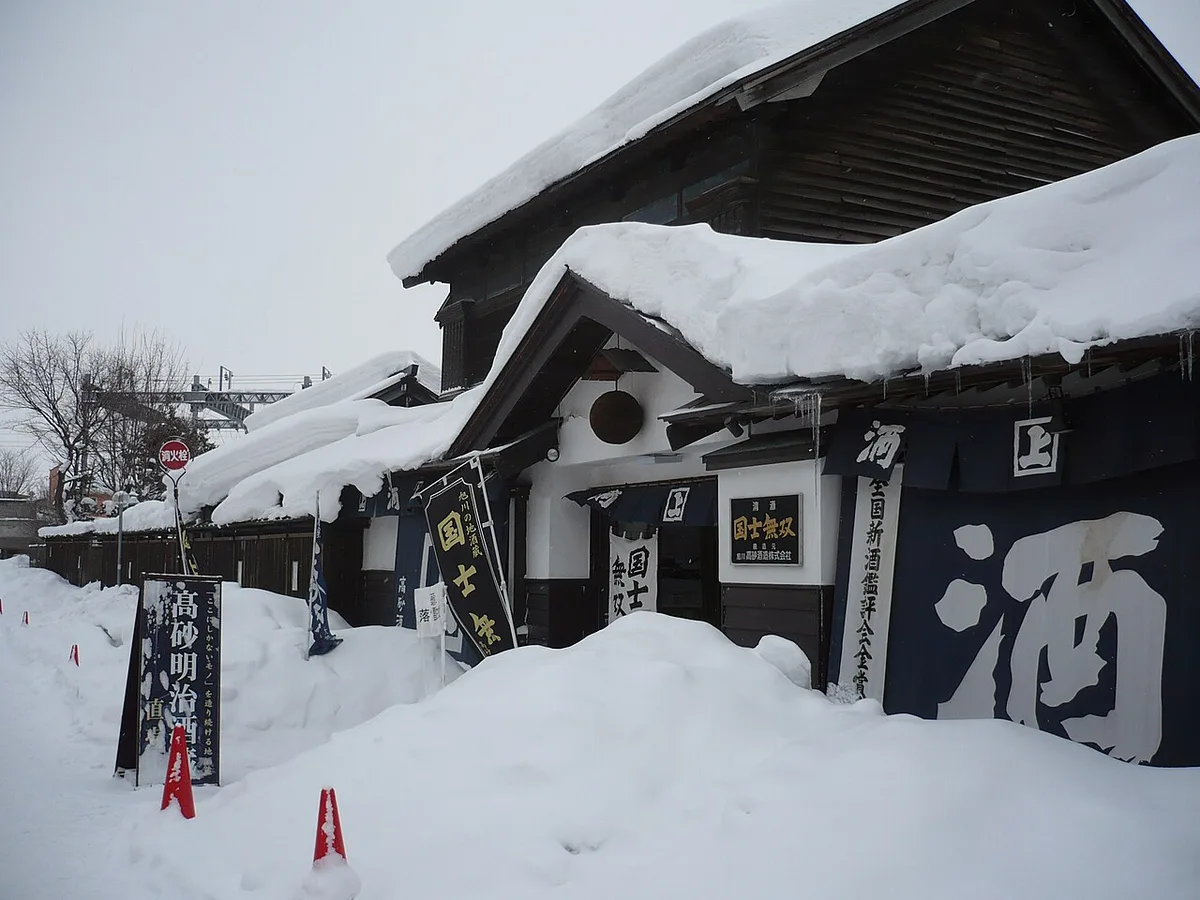
Takasago was founded in 1899 by Tetsusaburo Kohiyama and originally traded as Kohiyama Sake Brewery. It merged with Ishizaki Sake Brewery in 1965 to form the company known today as Takasago Sake Brewery Co., Ltd. Kokushi Muso is the brewery's flagship label. Hokkaido rice makes up about 80 percent of production, including the Ginpu and Suisei varieties. A community project with rice farmers in Enbetsu, Japan's northernmost rice-growing area, produces a glutinous rice called Hakuchomochi for the Junmai sake, Kitafubuki. Since 1990, Takasago has aged some tanks using Hokkaido's cold climate instead of mechanical refrigeration. Workers store select batches in snow, using methods known locally as hyousetsu-gakoi and sekicchu-chozou, to hold the sake at a steady low temperature. Ichiya Shizuku, the resulting label, is drained from the mash using a bag-pressing method called fukuro-shibori inside a snow storage room, or yukimuro. Takasago itself sits about a 15-minute walk from JR Asahikawa Station, the most convenient option for train travelers. Free parking covers 15 vehicles, hours run 9:00 to 17:00, and the brewery closes for the year-end and New Year holidays.
Winter brewing season, late November to March, shows the most active production—visit the 10:00 morning tour at Takasago, but bring layers even in mild outdoor weather, as production rooms stay well below room temperature.
- Tour times: 10:00 and 15:00, each combining a brewery walk-through with a tasting.
- Booking: reserve three to five days ahead; slots are capped at the first 10 people to arrive.
- Best viewing: the morning tour during the winter brewing season shows the most active production.
- Language: tour signage and explanations are in Japanese only.
Premium Guided Tastings: When to Book a Private Experience
A private guided option pairs a brewery tour with a multi-course dinner. One operator, Deeper Japan, lists a four-hour private experience from $620 for two guests, with solo travelers charged the two-person rate. Itinerary stops include a brewery tour, a shop visit, a break, then a 2.5-hour dinner at a nearby restaurant. Dinner opens with a sake set of about five types, explained by a brewery representative, before guests are left to enjoy the meal on their own. It closes with Hatsuichi, a label created for and served only at that restaurant and a sister hotel. Book at least seven days in advance, since availability runs daily except Sundays and national holidays. Children must be 7 or older, and the operator can accommodate vegetarian and vegan requests with advance notice. A private guide earns its cost mainly by interpreting Japanese-only brewery signage. Travelers comfortable navigating without translation can visit Otokoyama or Takasago independently instead.
- Brewery portion: 70 minutes, plus 20 minutes in the shop.
- Session 1: brewery 10:00 to 11:30, dinner 18:00 to 20:30.
- Session 2: brewery 15:00 to 16:30, dinner 18:00 to 20:30.
- Access: about a 15-minute taxi ride to the brewery, a 15-minute walk from the station to the restaurant, 20 minutes between the two.
Getting There, Hours, and Costs
Both breweries sit within easy reach of central Asahikawa, but by different modes. Otokoyama is about a 15-minute taxi or bus ride from JR Asahikawa Station. Takasago is about a 15-minute walk, making it the simpler stop for travelers without a car. Both operate on roughly a 9:00 to 17:00 schedule, though hours can shift around holidays, so confirm before a same-day visit. Neither museum charges admission, so the main cost is what travelers choose to drink or buy. A tasting set or a bottle of a seasonal, museum-exclusive label makes a practical souvenir. Pair a purchase with a stop at Asahikawa souvenirs and sweets for other Hokkaido gifts to bring home.
- Otokoyama: free museum and grounds entry; paid tasting sets and bottles at the shop.
- Takasago: free entry; tours require advance booking and are not walk-in.
- Takasago parking: 15 free spaces on site.
- Holiday closures: Takasago closes for the year-end and New Year period; confirm Otokoyama's schedule directly.
Etiquette and Mistakes to Avoid
A few local rules catch first-time visitors off guard. Otokoyama enforces a strict no-tasting policy for drivers and anyone under Japan's legal drinking age of 20. Expect to be asked before you're poured a sample. Takasago's factory tour is not a walk-in experience, so arriving without a reservation made three to five days ahead means missing it entirely. Slots are also capped at the first 10 people to arrive, so early booking matters more than early arrival on the day. Both breweries keep interior spaces cold to protect the sake, particularly during the winter brewing season. Dress in layers, even if the outdoor temperature feels mild, since brewing rooms stay well below room temperature. If a factory tour is fully booked, an early-morning winter visit still offers good odds of seeing active brewing on a future date.
Pairing Sake With Asahikawa Food and Sightseeing
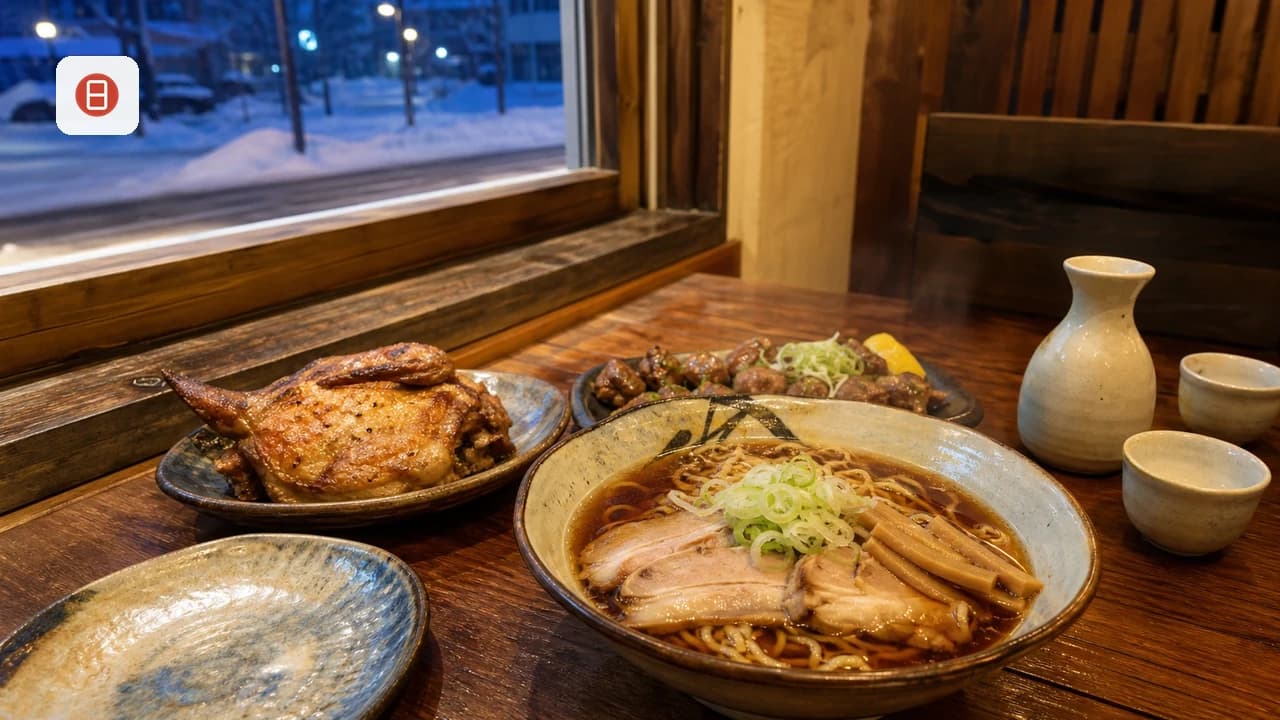
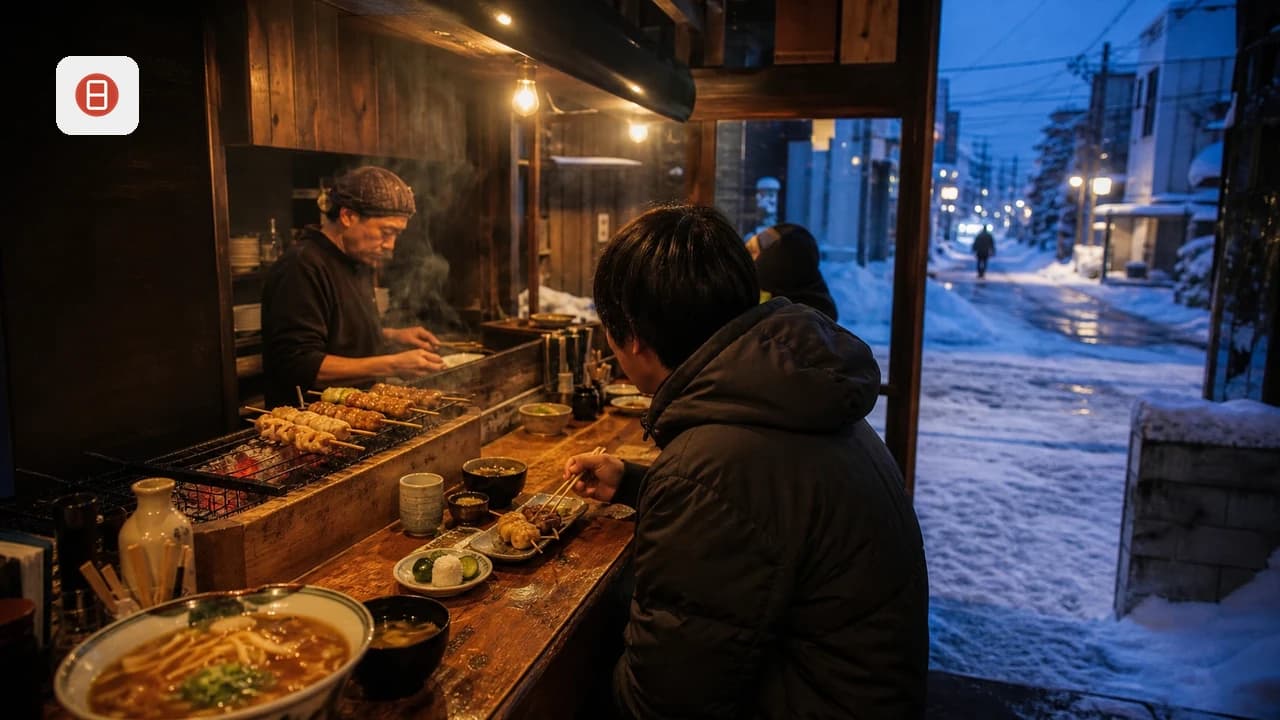
Takasago sits near the Ginza Shopping District and Kamikawa Shrine, both easy add-ons to a brewery stop. Many travelers also combine a brewery day with trips to Furano, Biei, or Asahiyama Zoo, all popular alongside Otokoyama's own draw. A classic local routine pairs sake with noodles. Follow a tasting with a bowl from Asahikawa's ramen scene. For a heartier, smokier pairing, look up shinkoyaki and shio horumon, two grilled dishes closely tied to the city. Travelers keeping costs down after a brewery visit can find budget-friendly plates among cheap izakaya eats.
Frequently Asked Questions
Do you need a reservation to visit Otokoyama Sake Brewery Museum?
No. Museum floors and the Water of Longevity collection point stay open without booking, generally 9:00 to 17:00. Only tastings are restricted to guests who are not driving and are 20 or older, Japan's legal drinking age.
Do you need a reservation for Takasago Sake Brewery?
Shop and tasting room welcome walk-ins. Only the guided factory tour requires advance booking, three to five days ahead, with the first 10 arrivals filling each 10:00 or 15:00 slot.
Which brewery is closer to Asahikawa Station?
Takasago is closer, about a 15-minute walk from JR Asahikawa Station. By comparison, Otokoyama is farther out, roughly a 15-minute taxi or bus ride.
When is the best time to see active sake brewing in Asahikawa?
Visit during the winter brewing season, from late November to March. At Takasago, book the 10:00 morning tour, since afternoon and off-season visits show less live production.
Can travelers collect the Water of Longevity at Otokoyama?
Yes. Brewing water is free to collect in front of the main building, limited to 18 liters per person, available 9:00 to 17:00.
Is a private guided tour worth the cost?
It depends on how much interpretation is worth to you. Deeper Japan's four-hour private experience, from $620 for two guests, adds an English-speaking guide who explains Japanese-only brewery signage, plus a paired dinner. Travelers comfortable without translation can visit Otokoyama or Takasago independently for less.
What sake bottles make good souvenirs from Asahikawa?
Otokoyama sells seasonal, museum-exclusive labels only at its shop. Takasago's flagship is Kokushi Muso, and its nigori, or cloudy, sake called Mofu, marked with a blue bear cloud on the label, is worth seeking out too.
Free guide: Japan's Hidden Gems
12 under-the-radar places beyond Tokyo & Kyoto — with the best season to visit each and a local tip you won't find in the guidebooks.
You might also like

Continue reading
More guides you'll find useful