Asahikawa Sweets, Dairy, and Food Souvenirs: What to Buy in 2026
A guide to Asahikawa sweets, dairy, and food souvenirs: Kihana, Kura-nama, local cheese, ramen kits, prices, shelf life, and where to buy each one.
On this page
Last updated August 2026, this guide breaks down Asahikawa sweets, dairy, and food souvenirs by what's actually made in the city versus what you can buy at any Hokkaido airport. Asahikawa sits near Daisetsuzan's dairy farms and mountain water, which is why local bakeries built a confectionery scene around galette cookies, raw sablé, and fresh milk treats. Use the shelf-life notes below to sort what survives a long flight home from what needs eating on the spot.
Asahikawa Sweets, Dairy, and Food Souvenirs: Why the City Stands Apart
Ramen and grilled meat only cover part of Asahikawa's food identity. Asahikawa's broader food scene draws on dairy farms near Daisetsuzan and the clean mountain water that flows through town. That combination built a serious confectionery trade almost by accident. A handful of local makers, including Tsuboya, The Sun Kurando, and Takahashi Confectionery, turned that water and milk into cookies, sablés, and castella that most Hokkaido visitors have never heard of outside Asahikawa. Meanwhile, sweets sold at nearly every Sapporo souvenir counter or New Chitose Airport shop were never made in this city at all. Shiroi Koibito is the clearest example, on shelves for more than 40 years without any Asahikawa connection. Sorting the two apart, plus tracking which items travel well, is what this guide covers next.
The Iconic Three: Asahikawa's Signature Sweets
Three products anchor most souvenir shopping lists in Asahikawa, and all three are made by companies based in the city rather than shipped in from Sapporo or Tokachi. This guide treats anything with a shelf life of 30 days or longer as travel-friendly, and anything shorter, or anything needing refrigeration, as an eat-now item best saved for the same trip. Each of the three below pairs a distinct texture with a shelf life long enough to plan around.

- Kihana (Tsuboya Sohonten) pairs a crisp almond galette with smooth white chocolate. The name comes from kiribana, a local word for diamond dust, and the contrast between the crunchy galette and the melting chocolate is the point. A box of 6 pieces costs about ¥1,000, and the maker lists a 60-day shelf life. Find it at Tsuboya's own Kihana no Mori shop, at Sapporo Station, and at New Chitose Airport.
- Kura-nama (The Sun Kurando) is a moist raw sablé cookie filled with nama chocolate, baked at a dedicated facility rather than mass-produced. It comes in milk chocolate and white chocolate versions, a newer almond flavor, and rotating seasonal flavors such as haskap or matcha. A box of 4 pieces costs about ¥540, and the maker lists a shelf life of roughly 90 days. It is sold at Asahikawa Airport, New Chitose Airport, Hakodate Airport, and JR Asahikawa Station.
- Vitamin Castella (Takahashi Confectionery) is a plain sponge cake that has been part of everyday Asahikawa snacking since the shop opened in 1917. It is priced for daily eating rather than boxed gifting, closer to a supermarket treat than a souvenir-counter item. Check current stock at Asahikawa supermarkets and convenience stores before building a shopping list around it, since small local product lines shift over time.
Fresh Dairy and Cheese Souvenirs
Asahikawa's dairy angle gets less attention than its cookies, but it rewards a stop for anyone serious about Hokkaido milk products. Small local producers sell cheese under names such as Asahikawa Hareta Cheese. Other dairy goods arrive from nearby Biei and Furano farms and are stocked in city shops. These items need refrigeration and carry a much shorter shelf life than boxed cookies, so treat dairy as a same-trip purchase rather than a mail-home gift. Insulated cool bags, sold at Asahikawa Station, make a same-day cheese purchase workable even on a train connection. Buy dairy items on the last full day in Asahikawa, and keep them in a cool bag until reaching a refrigerator or a cooler at the next stop. Ask shop staff which cheeses are meant for same-day eating versus which hold up for a day or two in transit. Labeling on small-batch dairy products varies, so it pays to double check.
Where Kihana offers a 60-day shelf life suitable for mailing home, local dairy requires same-day purchasing and refrigeration, making cheese a must-eat souvenir rather than a gift to ship later.
Traditional Wagashi and Other Local Finds
Beyond the top three, several smaller Asahikawa makers cover both traditional wagashi and modern fried snacks, and two of them come with hours worth planning around.
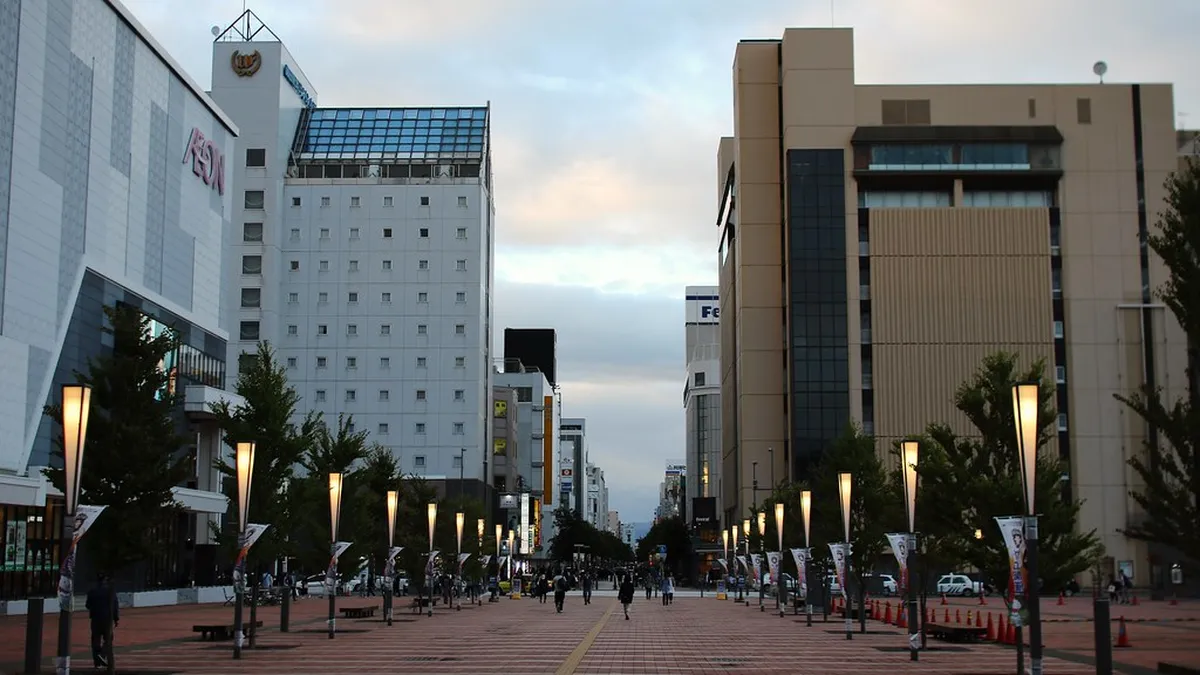
- Yokan Roll (Ogino) wraps a sponge cake around emerald-green bean paste, blending wagashi technique with a Western roll-cake format. The shop sits at 4-19 Kamekichi 2-jo 1-chome and opens 10:00 to 18:00, closed Sundays. It travels reasonably well for a fresh cake, but is still best eaten within a few days rather than packed for a long flight.
- Fried Manju (Fuku Fuku Manju Honpo Katoya) is fried to order, with a crisp shell around sweet red bean filling. It does not keep, so plan to eat it the same day. The shop, at 1975-3, 24-chome, Minami 6-jo-dori, opens 9:00 to 18:00 on Saturdays and Sundays only, so a weekday visit will come up empty.
- Karinto (Kitakari) comes from a Hokkaido fried-dough snack shop running since 1931. The lineup includes more than 20 flavors, including brown sugar, milk, vegetable, and a savory soy sauce version meant to pair with beer. Its Asahikawa main store, in Nagayama 3-jo, opens 10:00 to 19:00 and also runs karinto-making demonstrations and sells soft-serve ice cream on site, which makes it a natural family stop rather than just a souvenir errand. Kitakari also sells a boxed chocolate sandwich cookie called Yukimachibito at Asahikawa Station and the airport, priced around ¥648 for 8 pieces with a shelf life near 120 days.
Savory Food Souvenirs Beyond the Sweets Aisle
Not every Asahikawa souvenir is built on sugar. The city's ramen and grilled-meat culture travels well in vacuum-sealed and instant formats, and local sake makes a food-adjacent gift for anyone who cooked with regional ingredients during the trip.
- Ramen kits built around Asahikawa's shoyu ramen let you recreate the city's broth style at home. Look for them at station shops and supermarkets, usually shelved near the confectionery counters.
- Vacuum-sealed packs of shio horumon and shinkoyaki bring the city's grilled offal and chicken dishes home without needing refrigeration until opened. Check the package for a specific storage window before packing these in checked luggage.
- Bottles from Asahikawa breweries such as Otokoyama or Takasago pair well with the savory souvenirs above and make a heavier, higher-price gift. Read more about the city's sake breweries before choosing a bottle, since options and pricing vary by label.
- Anyone stocking up on savory souvenirs might also want a last meal at one of the city's izakaya and cheap-eats spots before heading to the station or airport.
Where to Shop: Station, Factory Shop, or Airport
Where to buy in Asahikawa matters almost as much as what to buy, since each location trades convenience against experience. Souvenir shopping also pairs naturally with a day built around the city's other sightseeing stops.
Kura-nama's 90 days shelf life supports multi-airport stocking, making quick airport purchases viable, whereas Kihana's factory requires a 10-minute detour but rewards a visit with onsite gift wrapping.
- Asahikawa Station (AEON Mall and Kita Kitchen) is the fastest one-stop option, with ROYCE' chocolate, Rokkatei's Marusei Butter Sandwich, Ryugetsu's Sanporoku, and the curated Hokkaido pantry shop Kita Kitchen all under one roof. It works well for last-minute variety without needing a taxi.
- Kihana no Mori (19 Minami 6-jo-dori) is Tsuboya's own shop, about a 10-minute drive from JR Asahikawa Station, open 9:30 to 18:00 daily. CAFE Bunroo inside the shop runs 10:00 to 17:00, with lunch service 11:00 to 14:00, though the café closes on weekends and holidays even though the main shop stays open. Gift wrapping is available on-site, making this the pick for a slower, factory-shop-style visit rather than a quick grab.
- Asahikawa Airport is the last-minute option for heavy or bulky boxes better left off the train into the city. Several of the city's core sweets, including Kura-nama, are stocked here in airport-specific packaging alongside the standard boxes.
Shelf Life and Portability at a Glance
Use this table to decide what goes in checked luggage, what goes in a cool bag, and what gets eaten before leaving Asahikawa.
| Souvenir | Type | Shelf Life | Portability | Best For |
|---|---|---|---|---|
| Kihana (Tsuboya) | Sweet | About 60 days | High, boxed | General gifts, coworkers |
| Kura-nama (The Sun Kurando) | Sweet | About 90 days | High | Friends and family |
| Vitamin Castella (Takahashi) | Sweet | Long-dated, packaged | High | Everyday, budget gift |
| Yukimachibito (Kitakari) | Snack | About 120 days | High | Coffee or beer pairing gift |
| Fried Manju (Katoya) | Snack | Same day only | Low | Eating on the spot, weekends only |
| Local cheese and dairy | Dairy | Short, needs refrigeration | Medium, use a cool bag | Foodies, self-treat |
Mistakes to Avoid When Buying Asahikawa Souvenirs
A few planning mistakes come up again and again among visitors shopping for Asahikawa sweets, dairy, and food souvenirs.
- Buying only Hokkaido-wide staples like Shiroi Koibito is an easy trap. They are stocked at nearly every airport and station shelf across Hokkaido, so they say less about Asahikawa specifically than a box of Kihana or Kura-nama does.
- Ignoring a refrigeration-required label before a long flight causes problems fast. Local cheese and other dairy items need a cool bag and a same-day plan, not a spot in checked luggage next to boxed cookies.
- Assuming Asahikawa shops keep Sapporo-style late hours leads to locked doors. Takahashi Confectionery's own storefront closes at 16:00 and is shut on weekends. Several other makers close by 18:00 or 19:00, well before an evening stroll.
- Showing up on a weekday expecting fried manju from Katoya will disappoint. The shop only opens Saturdays and Sundays, so build it into a weekend leg of the trip rather than a passing weekday stop.
- Expecting CAFE Bunroo to be open during a Saturday visit to Kihana no Mori is another common miss. CAFE Bunroo itself closes on weekends and holidays, even though the main shop stays open daily.
Frequently Asked Questions
What is the most iconic Asahikawa souvenir?
Kihana from Tsuboya Sohonten is the sweet most associated with the city, an almond galette cookie filled with white chocolate. A 6-piece box costs about ¥1,000, and the maker lists a 60-day shelf life, which makes it easy to carry home.
Which Asahikawa sweets are not available across the rest of Hokkaido?
Kihana, Kura-nama, and Vitamin Castella are made by Asahikawa companies and stay harder to find outside the city, unlike Hokkaido-wide staples such as Shiroi Koibito. Kura-nama in particular is sold mainly at a short list of Hokkaido airports and JR Asahikawa Station. That makes it far from a guaranteed find outside the region.
How should you pack dairy souvenirs for a flight home?
Buy cheese and other refrigerated dairy on the last full day in Asahikawa, not earlier. Use the insulated cool bags sold at Asahikawa Station to keep items cold until reaching a refrigerator or a checked cooler.
Is it better to shop at Asahikawa Station, Kihana no Mori, or the airport?
Asahikawa Station's AEON Mall and Kita Kitchen give the widest single-stop selection, including ROYCE', Rokkatei, and Ryugetsu. Kihana no Mori works better for gift wrapping and a slower factory-shop visit. Save the airport for heavy boxes better left off the train.
What time do Asahikawa souvenir shops close?
Most close between 18:00 and 19:00, earlier than many Sapporo shops. Takahashi Confectionery's storefront closes at 16:00 and is shut on weekends, so plan sweet-shop stops for daytime hours rather than after dinner.
How many pieces should a group gift include?
Kihana and Kura-nama both come in small boxes, 6 pieces for Kihana and 4 pieces for Kura-nama, which suit individual coworkers better than one large shared box. Buy several small boxes rather than one large box when a gift needs to be split among multiple people.
Free guide: Japan's Hidden Gems
12 under-the-radar places beyond Tokyo & Kyoto — with the best season to visit each and a local tip you won't find in the guidebooks.
You might also like


Continue reading
More guides you'll find useful