Beppu Reimen Guide: Noodles, Broth, and Where to Eat in 2026
A Beppu reimen guide to the noodles, broth, toppings, and top shops, plus 2026 hours and prices for planning a meal.
On this page
Last updated August 2026, this Beppu reimen guide breaks down the noodles, broth, and toppings behind Beppu's version of Korean naengmyeon. Reimen shops sit alongside Beppu's onsen baths and jigoku mushi steam kitchens, so a bowl fits easily into a day built around hot springs and sightseeing. The shop comparisons and timing notes below pair with the broader picks in top places to eat in Beppu for a fuller meal plan.
Beppu Reimen Guide: What Makes the Noodles, Broth, and Toppings Different
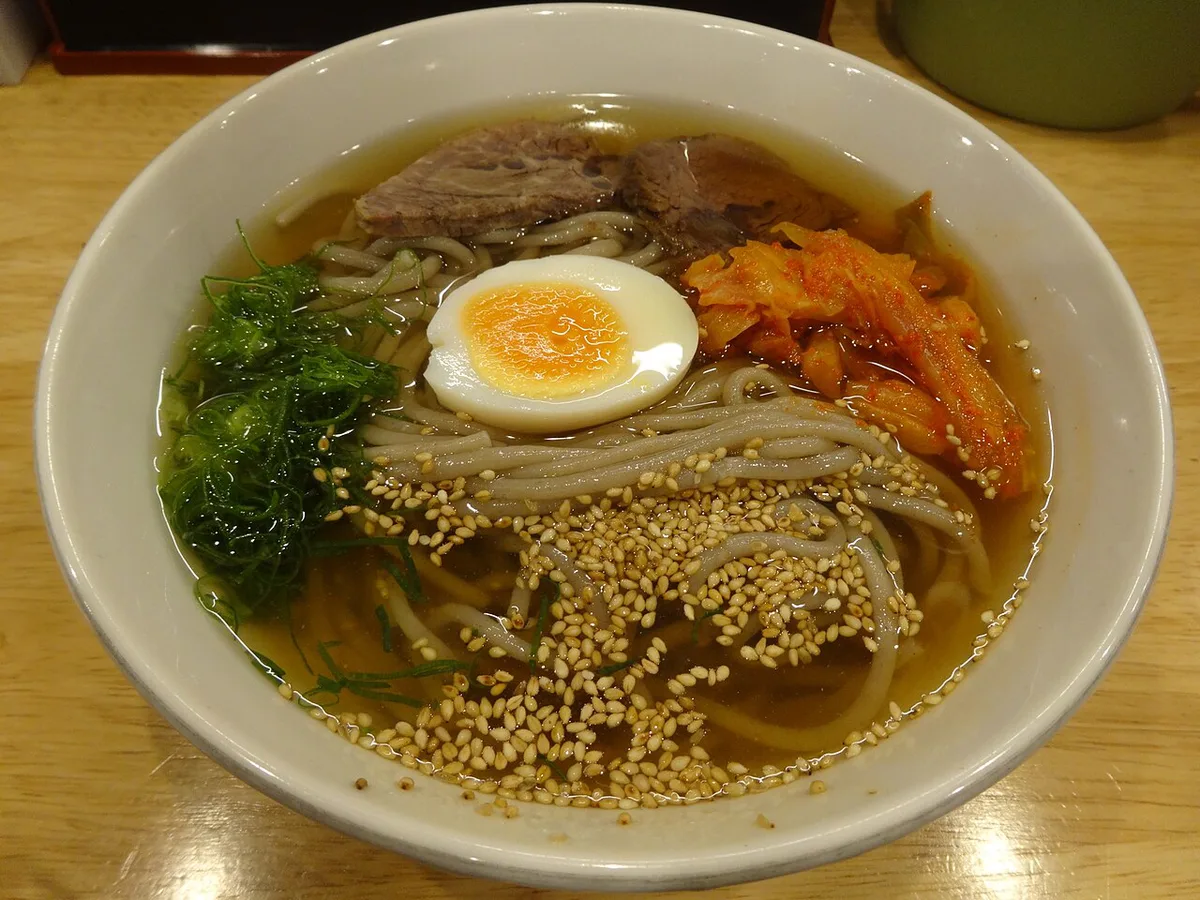
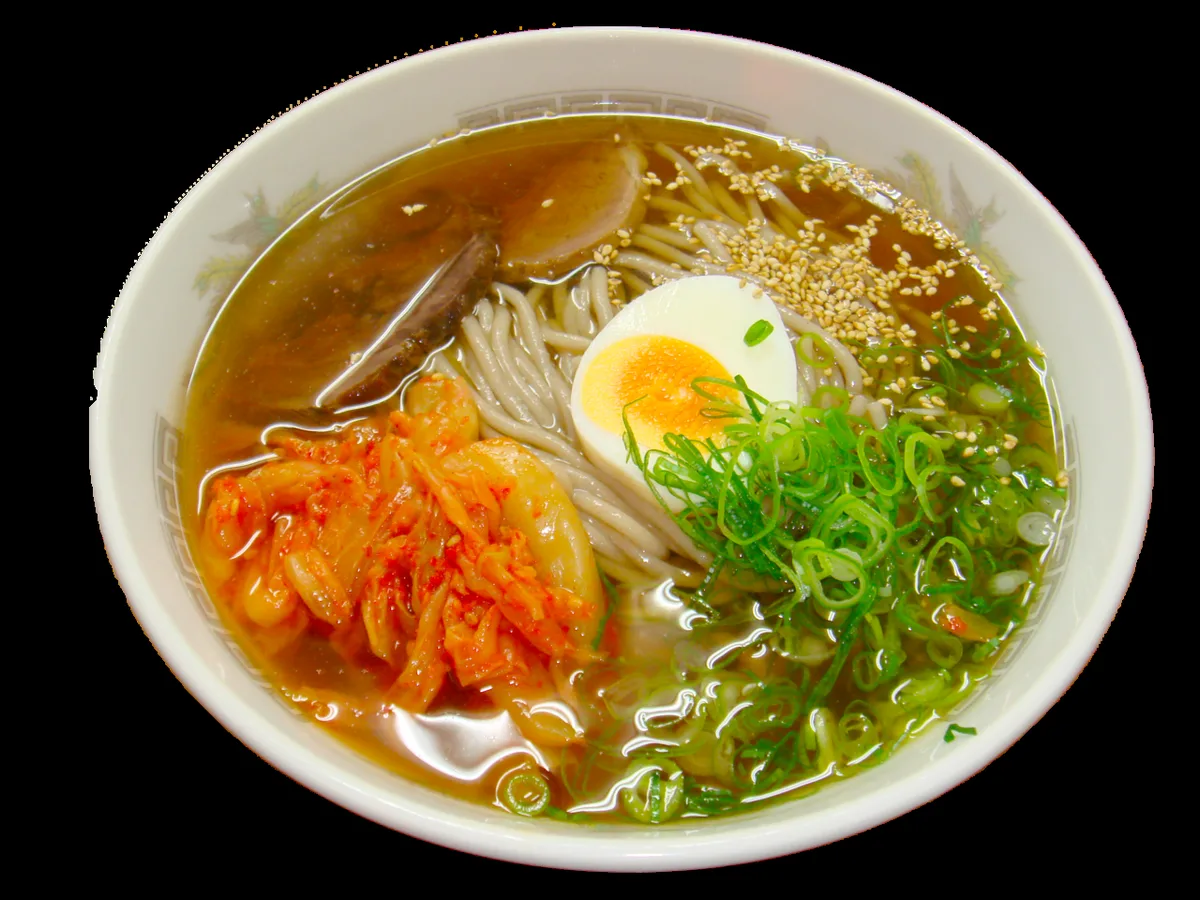
Beppu reimen is a cold noodle dish with roots in the years after World War II. Noodle makers who had returned from the Korean Peninsula opened shops in Beppu and adapted naengmyeon for local tastes. Over the following decades, the dish settled into a form distinct enough to carry Beppu's own name. The dough blends wheat flour with a higher share of starch and buckwheat than standard ramen noodles. That blend, combined with a firmer extrusion process, gives Beppu reimen its signature firm, springy bite. Locals often describe the texture as closer to a bite of al dente pasta than a typical soft ramen noodle. Broth in a classic bowl is clear, cold, and built on beef bone stock and soy sauce. Dashi made from katsuobushi or kombu rounds out the flavor, a contrast to the purely beef-based broths common in Korean naengmyeon. Served chilled, the broth works as a refreshing counterpoint after time spent in one of Beppu's hot spring baths. The dish is now closely tied to Beppu's identity as a hot spring city, appearing on menus aimed at both residents and visitors. It shows up at stand-alone noodle counters as well as inside larger restaurants that also serve other Japanese dishes. Toppings follow a fairly standard set across most shops.
- Sliced chashu, beef in some shops and pork in others, so check the menu or ask staff
- A hard-boiled egg, usually halved
- A scattering of sesame seeds
- Tangy cabbage kimchi, Beppu's signature topping in place of the radish kimchi common elsewhere
Beppu Reimen vs. Morioka Reimen and Korean Naengmyeon
Japan has more than one regional take on cold noodles descended from Korean naengmyeon. Morioka reimen, from Iwate Prefecture in northern Japan, is the best-known rival version. Morioka's noodles typically use a different starch blend and a broth that leans sweeter than Beppu's. Beppu's version favors an even firmer, chewier noodle and a broth built more heavily on dashi alongside beef stock. Korean naengmyeon itself typically relies on a purely beef-based broth, without the katsuobushi or kombu dashi found in Beppu's bowls. Cabbage kimchi is another marker of the Beppu style, standing in for the radish kimchi more common in Korean versions. Neither Morioka's nor Beppu's version is spicier than the other on its own; heat in both cases comes mainly from an optional topping rather than the broth itself. Travelers who visit both Beppu and Morioka can taste the difference directly by ordering each version back to back.
Where to Try Reimen in Beppu: Specialists, Yakiniku Hybrids, and Modern Shops
Reimen shops in Beppu generally fall into three categories, and each delivers a different bowl. Traditional specialists focus on handmade noodles and a classic firm chew. Rokusei, also known as Koganeyoshi, is often named as an example of this style, and shops like it tend to treat the noodle-making itself as the main event. Yakiniku restaurants are another common source of good reimen. Many Korean barbecue houses in Beppu serve it as a side dish or a closing course after grilled meat. Arirang is often cited as an example of this style. Ordering reimen at a yakiniku restaurant usually means sharing a table built for grilling, so it suits groups more than a quick solo lunch. Newer, modern-style shops tend toward a softer noodle and a milder broth, aimed at diners who find the classic version too firm. These shops are a reasonable starting point for a first bowl before working up to a firmer, traditional version. A few shops also offer larger or smaller noodle portions for an extra charge, though exact options vary by shop. Ask staff about portion sizes if you want more than a standard bowl. Ordering methods vary by shop. Some use a ticket vending machine, called a shokken, at the entrance, where you select and pay for your dish before sitting down. Others take orders directly at the table, so check the entrance signage or ask staff which system applies. Seating tends toward counters at the noodle specialists and tables at the yakiniku hybrids. Hours, exact addresses, and current operating status change often. Confirm details directly with each shop, or with Beppu's tourist information office, before making a special trip.
| Shop type | Example | Noodle texture (editorial assessment) | Best for |
|---|---|---|---|
| Traditional specialist | Rokusei (Koganeyoshi) | Extra firm, handmade | Diners who want the classic chew |
| Yakiniku hybrid | Arirang | Firm | Pairing reimen with a grilled-meat meal |
| Modern interpretation | Newer shops around central Beppu | Softer than the classic style | First-time tasters or a milder bowl |
Ordering and Etiquette Tips for a Reimen Meal
A few general Japan dining habits apply at any Beppu reimen shop. Tipping isn't expected or practiced; the price on the menu or ticket machine is the final price. Water or barley tea is often self-serve or provided automatically at the table, so you don't need to order a drink separately. If a shop uses a ticket machine, look for a picture or an English label under the button before selecting an unfamiliar item. Counter seating usually turns over quickly, so a short wait during peak lunch hours is normal rather than a sign of a problem. Splitting a bowl isn't common practice at noodle counters, so plan on ordering one bowl per person. Card acceptance varies by shop, so the cash backup mentioned earlier applies here as well. Staff at smaller counters may have limited English, so pointing at a picture menu or the ticket machine buttons usually works fine. None of these habits are unique to reimen, but they smooth out a first visit to any counter-style noodle shop in Beppu.
What to Expect When Your Bowl Arrives
The bowl itself is usually deep enough to hold both the noodles and the chilled broth without spilling. Expect a mound of pale, firm noodles topped with the same chashu, egg, sesame, and kimchi combination described above. The broth arrives already cold, so there's no need to wait for it to cool before the first bite. Mixing the kimchi through the broth partway through the meal changes the flavor gradually, rather than making the first bite as sharp as the last. Finishing the broth is optional. Some diners drink it directly from the bowl, while others leave it, since the dish is built around the noodles and toppings first. Portion sizes are generally filling enough as a full lunch on their own, without needing a side dish. Adding a side of toriten from the same restaurant, where available, turns the meal into a heartier combination.
Expect to spend ¥800 to ¥1,200 for a portion substantial enough to serve as a satisfying, standalone lunch without requiring any side dishes—budget accordingly.
Logistics: Timing, Location, and Price for a Reimen Meal
Reimen in Beppu is a lunch-hour specialty, and timing shapes which shop makes sense for a given day. Day-trippers heading to the Hells sightseeing circuit often stop for reimen beforehand, which pushes demand toward midday. Pair a reimen lunch with an afternoon at Beppu's sightseeing attractions before the evening crowds arrive. Many visitors then shift toward Beppu's evening nightlife scene after dinner. If dinner lands in the Kitahama area, the Kitahama nightlife walking route lines up bars within walking distance. Round out the night with a stop at one of the Beppu craft beer bars. Carry some cash as a backup, since smaller noodle shops in Japan sometimes don't accept cards. Summer heat makes reimen especially popular, since the chilled broth offers relief between stops at hot spring baths and steam-vent sightseeing. Winter travelers often lean toward wun-men instead, for the same reason they might skip a cold drink on a cold day.
- Lunch is peak; arrive before noon or right after opening to skip the wait.
- Many shops close for a break between 2:00 PM and 5:00 PM, then reopen for dinner.
- A standard bowl costs roughly ¥800 to ¥1,200, depending on portion size and toppings.
- Kitahama district shops sit within Beppu's walkable central core.
- Some well-known bowls are served at Korean barbecue restaurants farther out, near the Hells sightseeing circuit, so budget extra transit time.
- Counter seats usually free up faster than tables, so solo diners often wait less than groups do.
Wun-men: The Warm Noodle Option for Cooler Months
Not every reimen shop serves the dish cold year-round. Many kitchens also offer wun-men, a warm version of the same noodles served in hot broth. Wun-men suits Beppu's cooler months, from late autumn through winter, when a chilled bowl is less appealing right after stepping out of a hot spring bath. The noodles and toppings stay largely the same as the cold version; mainly the broth temperature changes. Some shops adjust the seasoning slightly for the warm broth, leaning less sharp than the cold version's chilled soy base. Ask staff whether wun-men is on the day's menu, since not every shop offers it every day, and it's more likely to appear on a winter menu than a summer one.
Beyond Reimen: Pairing It with Beppu's Other Food Specialties
Reimen is one part of Beppu's food identity, not the whole picture. Fried chicken tempura has its own following, covered in the Beppu toriten guide, and it makes a solid afternoon snack after a noodle lunch. Steam cooking over volcanic vents is a different local specialty entirely, built around the heat rising from Beppu's geothermal fields rather than a stovetop. The hell-steamed food in Beppu guide explains that dish in more detail. Check jigoku mushi cooking for where to book a steam basket and cook your own ingredients. A full day built around Beppu's food scene might start with a cold reimen lunch. The afternoon could add a toriten snack, and the evening could close with a jigoku mushi dinner cooked over the same geothermal steam that feeds the city's baths. Craft beer pairs surprisingly well with the sharper flavors in cabbage kimchi, if you want to extend a reimen lunch into an afternoon tasting. Rotating between a firm cold noodle, fried chicken, and steam-cooked seafood or vegetables covers most of what makes Beppu's food scene distinct from other parts of Japan. Treat reimen as the cold, chewy counterpoint to the rest of Beppu's hot, steam-driven food scene, rather than a replacement for it.
Choosing Between Beppu Station and the Hells Area
Choose your reimen stop around the sightseeing route rather than crossing Beppu solely for one bowl. Kitahama lies east of Beppu Station toward the waterfront. Its restaurants suit travelers arriving by train or staying in central Beppu.
Kannawa, home to much of the Beppu Hells circuit, is several kilometres from the station. Reimen restaurants in that direction are better paired with the hot-spring district. Use a local bus or taxi and allow extra time for the return journey.
- For a short stopover, eat near Beppu Station or Kitahama.
- For a Hells sightseeing day, choose a restaurant around Kannawa or along the bus route.
- For yakiniku and reimen together, allow longer than a quick noodle-counter lunch.
English menus are not guaranteed at smaller establishments. Save the restaurant name and address in Japanese before leaving. The characters for reimen are 冷麺, which can help when reading signs or ticket-machine buttons.
Frequently Asked Questions
Is Beppu reimen spicy?
Not inherently. The broth itself is mild and savory. Any heat comes from the cabbage kimchi topping, and you can typically ask for less kimchi if you prefer a milder bowl.
Can you get Beppu reimen year-round?
Yes. Most shops serve the cold version throughout the year. In cooler months, many also offer wun-men, a warm version of the same noodles, as an alternative to the chilled classic.
Is Beppu reimen vegetarian-friendly?
Rarely. The broth is typically built on beef bone stock, and most bowls include meat-based chashu. Ask staff directly about the broth base and any meat-free options before ordering if you keep a vegetarian diet.
How much does a bowl of Beppu reimen cost?
Expect to pay roughly ¥800 to ¥1,200 at most shops. Portion size, toppings, and whether you order it alongside grilled meat at a yakiniku restaurant all affect the final price.
Should you eat near Beppu Station or near the Hells?
Either works, depending on your day's plan. Kitahama district shops sit within Beppu's walkable central core, which suits a lunch before an afternoon of sightseeing. Shops farther out, near the Hells sightseeing circuit, suit a day built around that itinerary instead.
How is Beppu reimen different from ramen?
Reimen is served cold, while ramen is typically hot. The noodles in reimen are firmer and chewier than most ramen noodles, and the broth is clear rather than the thicker tonkotsu or miso styles common in ramen.
Do you need a reservation for reimen in Beppu?
Usually not. Most reimen shops, including the yakiniku hybrids, run on a walk-in, counter, or small-table basis. Large groups visiting a yakiniku restaurant specifically for a grilling dinner may want to call ahead, since reimen there is typically an add-on to a bigger meal.
What does Beppu reimen taste like compared to cold soba?
Cold soba is soft and delicate, served with a light dipping sauce. Beppu reimen is firmer and chewier, served fully submerged in a savory, dashi-based broth rather than dipped. Both are common lunch orders in Japan, but they solve different cravings.
What's the best time of day to try Beppu reimen?
Lunch is the most reliable window, since some shops close in the mid-afternoon before reopening for dinner. Arriving close to opening time also means a better chance of an available counter seat.
Free: The Beppu Essentials guide
Top things to do, where to stay, a perfect day plan, getting around, and the best time to go — a Beppu mini-guide you can take offline.
You might also like


Continue reading
More guides you'll find useful