Beppu Toriten Guide: Where to Eat the Original Chicken Tempura
Beppu toriten guide: eat the original chicken tempura at 1926-founded Toyoken, plus lunch sets, bus routes, hours, and prices for 2026 travel.
On this page
Last updated August 2026, this Beppu toriten guide covers the city's signature chicken tempura. Toyoken opened in 1926 and is widely credited as toriten's birthplace, serving it with ponzu sauce and karashi mustard instead of a standard tempura dip. This guide covers where to eat it in Beppu, how to reach Toyoken, and what to order for a change of pace.
The Beppu Toriten Guide: What Makes This Chicken Tempura Different
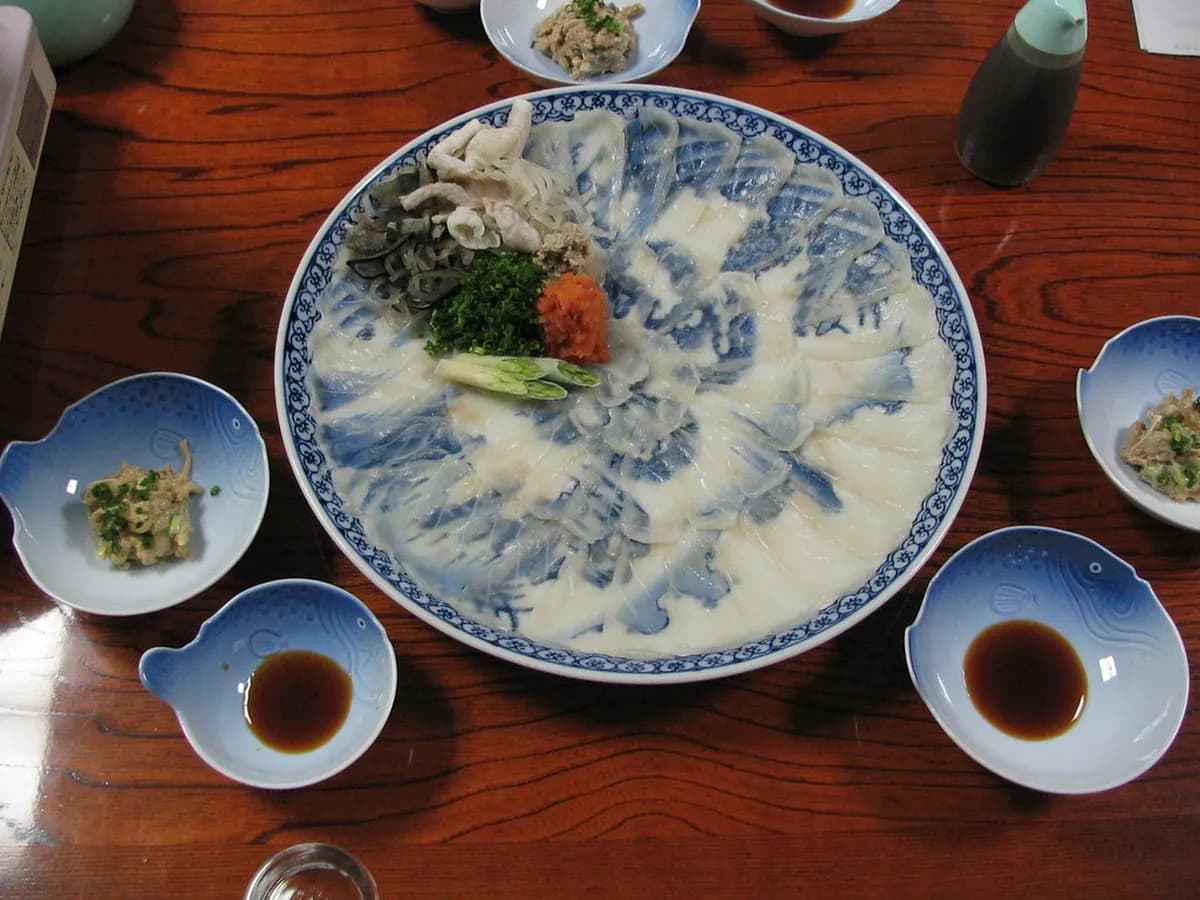
Toriten is Beppu's version of tempura, made with chicken instead of shrimp or vegetables. Cooks dip chicken breast or thigh pieces in a light tempura batter, then deep-fry them until the coating turns pale gold. That batter, rather than a flour-and-starch coating, is what separates toriten from karaage, which is marinated in soy sauce before frying. Standard tempura usually comes with a warm tsuyu dipping sauce. Toriten comes with ponzu and karashi mustard instead. The citrus acidity in the ponzu cuts through the oil. That balance is why locals can work through a full plate without the heavy, salty finish of a typical fried dish. Order it as a set, and a small dish of ponzu with a dab of karashi mustard arrives on the side for dipping. Texture matters as much as the sauce. A well-made toriten stays light and airy rather than dense, with a crisp exterior that gives way to juicy meat underneath.
Toyoken: The 1926 Birthplace of Toriten
Toyoken carries the full name Toriten Hassho no Mise Restaurant Toyoken, which translates roughly to the birthplace restaurant of toriten. It opened in 1926, founded by chef Shiro Miyamoto, who had cooked for Emperor Taisho before opening his own restaurant in Beppu. That background is part of why Toyoken's menu blends Chinese and Yoshoku, meaning Japanese-style Western cooking, alongside its chicken tempura. Official listings categorize the restaurant under all three styles: Chinese, Yoshoku, and kara-age. Two menu items carry extra weight from that history. Honke Beppu Toriten is the original recipe passed down since the restaurant opened. Yuzu Toriten adds a citrus twist to the same base dish. Toyoken also sells shelf-stable versions of its food for travelers who want to bring the flavor home, including chicken skin tempura and a kabosu vinegar soy sauce tied to Oita Prefecture's kabosu citrus tradition. A second location, the Tokiwa Beppu store, opened on September 6, 2019, giving visitors another spot to try the recipe without traveling as far from central Beppu.
Reading a Toriten Teishoku Set
Most restaurants plate toriten as a teishoku, a fixed set built around the fried chicken. A typical set pairs several pieces of toriten with steamed rice, miso soup, and a small dish of pickles. Some izakayas instead serve toriten as a shared appetizer sized for a table rather than a single diner, so portion counts vary by venue. Menus rarely separate breast and thigh cuts by name, which means checking with staff is the only reliable way to know which cut is coming. A bamboo basket or shallow tray usually holds the pieces, keeping the batter separate from the rice and pickles so it stays crisp until it reaches the table. Ponzu is typically poured into a small side dish rather than drizzled over the chicken, keeping the coating from turning soggy before the first bite.
Where to Eat Toriten in Beppu
Beppu serves toriten well beyond Toyoken, though Toyoken remains the reference point most locals mention first. Restaurant Ribbon is a local favorite for toriten lunch sets, known for a Western-style Yoshoku presentation that differs from Toyoken's Chinese-Yoshoku blend. Diners often bring it up as an easier option when Toyoken's queue runs long. Smaller drinking dens across the city plate toriten as a shared izakaya order too. Tracking down hidden Beppu izakayas is one way to find a version of the dish without the wait. Beppu Station and nearby department store basements typically stock a takeaway version as well, useful when a sit-down meal does not fit the schedule. Portion size and batter thickness vary by kitchen, so a lunch set at one restaurant will not taste identical to a shared plate at an izakaya down the street.
Toyoken Logistics: Bus Routes, Hours, and Wait Times
Toyoken's split schedule catches visitors off guard more than anything else about the restaurant. The kitchen closes between roughly 3:30 PM and 5:00 PM, so arriving at 4:00 PM means a locked door rather than a snack stop. Reaching the address also takes some planning, since it sits near Beppudaigaku Station rather than central Beppu Station.
Toyoken, founded in 1926 by a chef who previously cooked for emperors, accepts reservations only for evening course groups of four or more—solo travelers must queue instead.
| Detail | Toyoken |
|---|---|
| Address | Ishigaki Higashi 7-8-22, Beppu |
| Nearest station | Beppudaigaku Station, about 1,390 meters away |
| Bus from Beppu Station | Oita Kotsu Bus toward Ishigaki 8-chome via APU, or Kamenoi Bus Route 23 toward Beppu Medical Center, about 15 minutes. Get off at Ishigaki 8-chome and walk 6 minutes. |
| By car | About 15 minutes from Beppu IC on the Oita Expressway, with 60 parking spaces on site |
| Lunch hours | 11:00 AM to 3:30 PM, last order 3:00 PM |
| Dinner hours | 5:00 PM to 10:00 PM, last order 9:00 PM |
| Closed | Every second Tuesday of the month. Check the restaurant's site for temporary closures. |
| Set-meal pricing | Generally ¥1,000 to ¥2,999, with lunch sets closer to ¥1,000 to ¥1,999 |
| Reservations | Evening course meals from ¥5,500 per person, groups of four or more only |
| Weekend waits | Roughly 60 to 90 minutes at peak times |
- As of 2026, reservations apply only to the evening course menu, and only for groups of four or more.
- Solo travelers and pairs should plan to queue for a table at both lunch and dinner instead.
- Weekend waits stretch longest around midday, so anyone with a tight train or ferry connection should budget an extra hour or arrive right at opening.
- Published budget listings place a full Toyoken meal in the ¥1,000 to ¥2,999 range, with lunch sets typically landing near the lower end.
- The restaurant seats 100 people total, and private rooms are available for parties of four, six, or eight.
- A separate space handles private events of 20 to 50 guests.
- Toyoken accepts major credit cards and transportation IC cards like Suica, but does not accept QR code payment apps, so carrying a card or cash backup is worth doing.
Toriten vs Other Beppu Specialties: Choosing What to Eat
Toriten is one meal among several Beppu specialties worth comparing before deciding where to spend a lunch budget. Jigoku-mushi steam cooking uses natural onsen vents instead of oil, making it a lighter counterpart to toriten's fried batter. For hell-steamed vegetable baskets, look for egg, sweet potato, and dumplings cooked directly over geothermal steam vents. On hot days, a bowl of Beppu's chilled reimen noodles works as a break from fried food entirely, since the noodles are served cold rather than in hot broth. Bungo beef sits at the other end of the budget, a marbled local wagyu listed among Oita's signature local dishes. It costs more than a toriten set but suits a single splurge meal.
| Dish | Style | Best For |
|---|---|---|
| Toriten | Deep-fried chicken tempura with ponzu and karashi mustard | A budget-friendly, citrus-bright lunch |
| Jigoku-mushi | Ingredients steamed over natural onsen vents | A lighter, hands-on alternative to fried food |
| Beppu reimen | Chewy noodles served cold | A refreshing option on hot days |
| Bungo beef | Marbled local wagyu | A higher-budget splurge meal |
Mistakes to Avoid When Ordering Toriten
A few habits separate a good toriten meal from a disappointing one.
- Do not mistake toriten for karaage. Karaage is soy-marinated and coated in flour or starch, while toriten is dipped in tempura batter and stays lighter.
- Do not skip the karashi mustard. The ponzu-and-mustard combination defines the dish, and ponzu alone misses half the intended flavor.
- Do not plan a Toyoken visit around a tight weekend train or ferry schedule. A 60 to 90 minute wait can eat an entire afternoon.
- Do not assume every kitchen uses the same cut. Some restaurants fry chicken breast, which turns out drier, while others use thigh meat for a juicier bite. Ask before ordering if the cut matters.
- Do not arrive between 3:30 PM and 5:00 PM at Toyoken expecting service. That gap falls in the daily break between lunch and dinner shifts.
Pairing Toriten With the Rest of Your Beppu Day
A toriten lunch pairs naturally with the rest of a Beppu itinerary built around food and hot springs. Many travelers schedule the meal before or after touring Beppu's hell hot springs, since both sit within a short bus ride of central Beppu. Toriten also shows up as a shared izakaya order later in the evening. The Kitahama bar-hopping route passes several bars within walking distance of each other. Beer drinkers can extend the night with a stop at one of Beppu's craft beer bars. Budget-conscious travelers should check Beppu's happy-hour deals before choosing where to finish the evening. For a fuller restaurant lineup beyond toriten, see Beppu's top restaurant picks.
Planning around Toyoken's afternoon break—3:30 PM and 5:00 PM—is essential when combining the meal with other Beppu activities like the hell hot springs, both accessible by bus from central Beppu.
Frequently Asked Questions
What is toriten and how is it different from karaage?
Toriten is chicken dipped in tempura batter and deep-fried, then served with ponzu sauce and karashi mustard. Karaage uses a soy-based marinade and a flour or potato-starch coating instead, which gives it a saltier, heavier crust than toriten's light batter. The two dishes also differ in dipping style: toriten leans on citrus and mustard, while karaage is usually eaten plain or with a squeeze of lemon.
Where did toriten originate in Beppu?
Toyoken, whose full name is Toriten Hassho no Mise Restaurant Toyoken, opened in 1926 and is widely credited as the dish's birthplace. Founder Shiro Miyamoto had cooked for Emperor Taisho before opening the restaurant, which is part of why the menu still blends Chinese and Yoshoku cooking alongside the chicken tempura.
Can I make a reservation at Toyoken?
Toyoken only accepts reservations for its evening course menu, which starts at ¥5,500 per person and requires a group of four or more adults. Lunch service and standard evening seating are walk-in only, so solo travelers and small groups should plan for a possible wait rather than booking ahead.
How do you get to Toyoken from Beppu Station?
Take the Oita Kotsu Bus toward Ishigaki 8-chome via APU, or the Kamenoi Bus Route 23 toward Beppu Medical Center. Both take about 15 minutes. Get off at the Ishigaki 8-chome stop and walk 6 minutes to reach the restaurant.
Is toriten always made with the same cut of chicken?
No. Some kitchens fry chicken breast, which comes out drier, while others use thigh meat for a juicier result. Ask which cut a restaurant uses if that distinction matters for a particular meal, since menus rarely list it by name.
Free: The Beppu Essentials guide
Top things to do, where to stay, a perfect day plan, getting around, and the best time to go — a Beppu mini-guide you can take offline.
You might also like


Continue reading
More guides you'll find useful