Dotonbori Food Guide: What to Eat and Where to Queue in Osaka
A 2026 dotonbori food guide to Osaka's canal strip: where to eat takoyaki, okonomiyaki, and kushikatsu, plus timing tips to skip the longest lines.
On this page
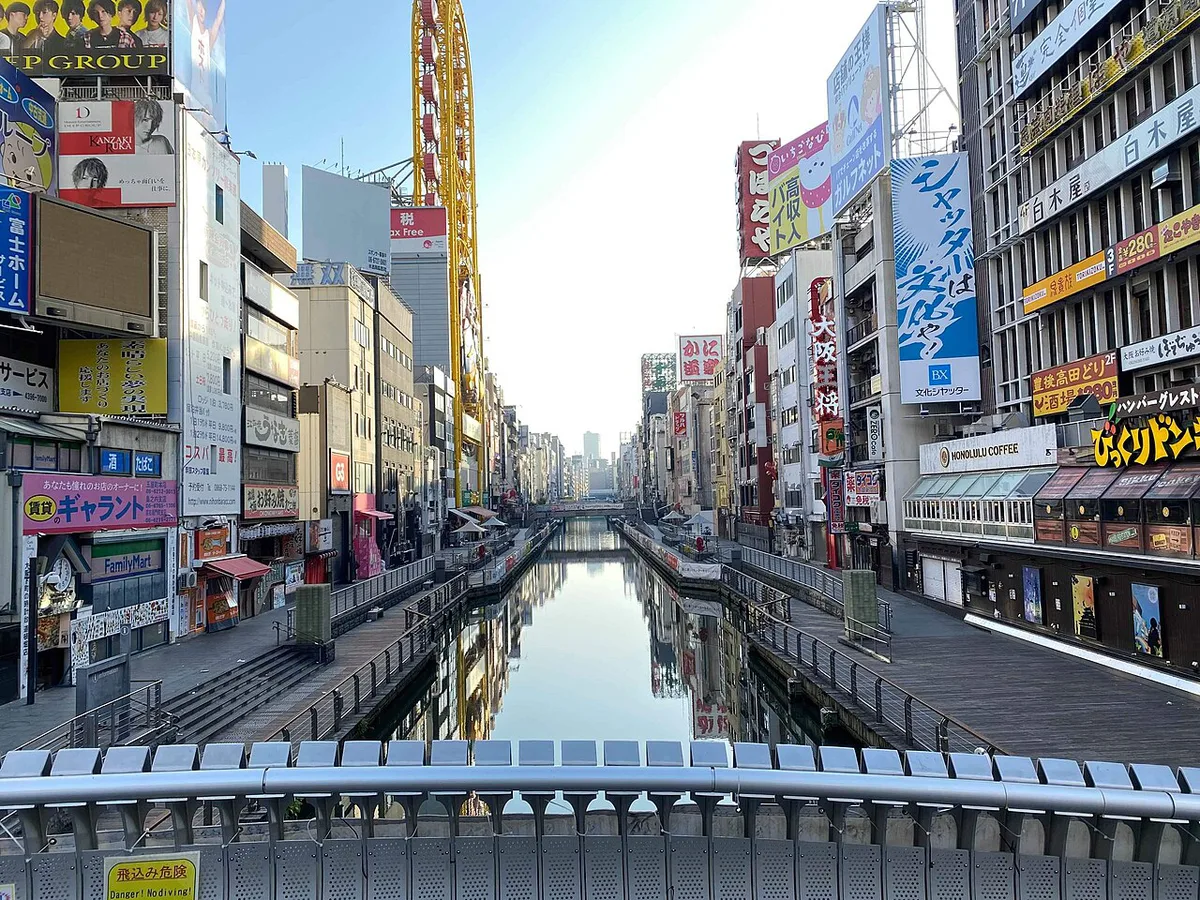
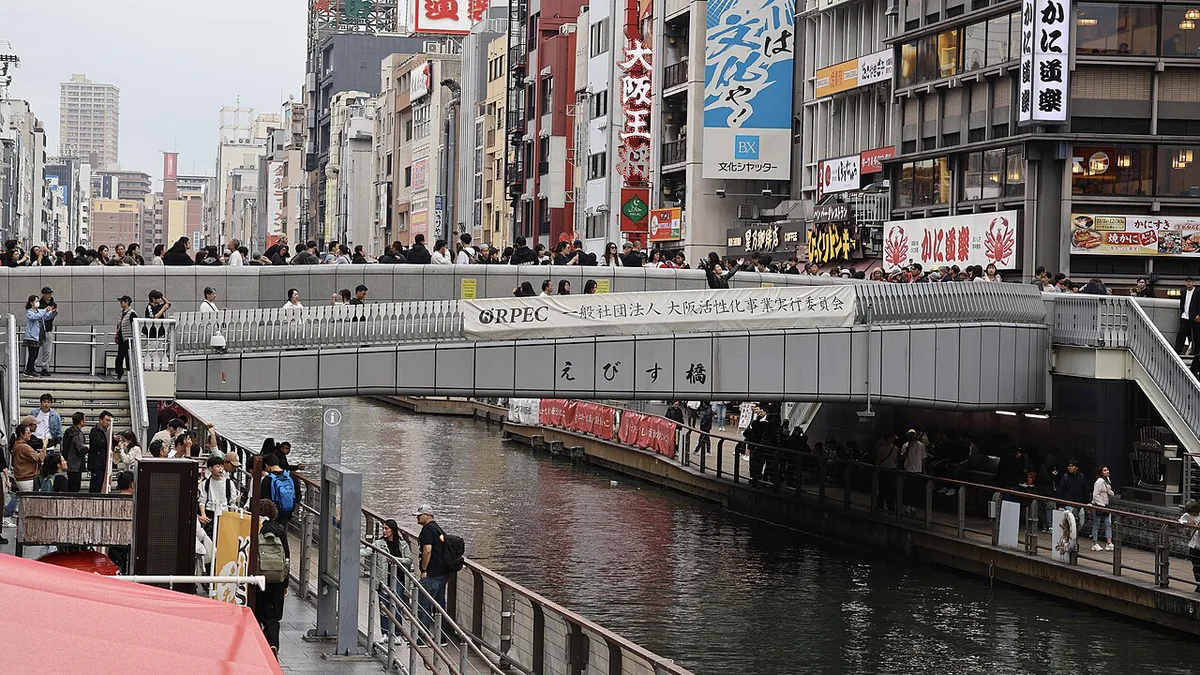
Last updated August 2026, this dotonbori food guide covers the canal strip between Ebisubashi Bridge and the Glico running-man sign. Osaka's kuidaore culture — eating until you drop — unfolds block by block here, with takoyaki, okonomiyaki, and kushikatsu shops packed within a few hundred feet of each other. For a tighter schedule, one day in Osaka shows how much of this strip actually fits into a single visit.
Finding Dotonbori: Namba Station and the Glico Sign
Namba Station is the main gateway to Dotonbori, served by the Osaka Metro Midosuji, Sennichimae, and Yotsubashi lines. The canal strip sits 3-5 minutes on foot from the station exits. JR Namba Station works too, about 8 minutes away on foot. Osaka's transit lines connect all of these stations to the rest of the city.
Namba Station sits only 3-5 minutes from the strip, making an 11:00 AM arrival realistic to beat the crowds before the 3:00 PM trap, when waiting lines peak harder than midday.
- Namba Station (Midosuji, Sennichimae, Yotsubashi lines): 3-5 minute walk to the canal
- JR Namba Station: about 8 minutes on foot
- Shinsaibashi Station and Nippombashi Station: roughly 5 minutes each
- Nankai Namba Station: about 5 minutes, arriving near the Glico sign
Timing a Visit: Avoid the 3 PM Trap
Most Dotonbori stalls open by 11:00 AM, before the day's crowds build. Lines tend to peak twice, once around midday and again after 6:00 PM as the evening rush sets in. Visitor reports at Ajinoya Honten describe a longer line at 3:00 PM than at noon, so treat mid-afternoon as the worst window to arrive. An early lunch at 11:00 AM or a late dinner after 9:00 PM usually means a shorter wait. Payment has shifted too: many stalls now take IC cards or credit, but the smallest street vendors stay cash-only.
Ajinoya Honten's Michelin reputation brings 60 minutes or more in waits any time of day, so treat it as a full sit-down dinner plan rather than a quick street-food stop between activities.
- 11:00 AM: stalls open, shortest lines of the day
- 12:00-2:00 PM: lunch rush builds
- 3:00 PM: the trap window, often longer than the noon line
- After 6:00 PM: the evening peak
- 9:00 PM onward: lines thin for a late dinner
The Dotonbori Food Guide's Big Three: Takoyaki, Okonomiyaki, Kushikatsu
Three dishes anchor any Dotonbori food guide: takoyaki, okonomiyaki, and kushikatsu. Each rewards a different kind of eater. Takoyaki suits a quick standing snack between sights. Okonomiyaki works best as a sit-down meal when hunger runs deeper. Kushikatsu fits a slower evening with beer and company. For a wider set of sit-down options across the city, citywide restaurant picks cover venues beyond this one strip.
Takoyaki: Wanaka's Crisp Shell vs Kukuru's Giant Octopus
Takoyaki Doraku Wanaka is known for a crisp outer shell and a soft center, sold as the Oonori set in four flavors. A classic sauce-and-bonito order runs ¥650, and the Dotonbori branch opens 10:30 AM to 9:00 PM. Kukuru takes a different approach, packing each ball with one large piece of octopus instead of several small ones. Its building is easy to spot by the giant 3D octopus sign mounted outside. Both are street-stall style, so plan to eat standing at the counter or in a nearby side alley.
- Takoyaki Doraku Wanaka: Oonori four-flavor set, classic sauce and bonito ¥650, open 10:30 AM-9:00 PM
- Kukuru: large single-octopus-piece style, marked by a giant 3D octopus sign
Okonomiyaki: Chibo's Speed vs Ajinoya Honten's Wait
Chibo Dotonbori is built for volume, with staff taking orders while the line outside keeps moving. Its Dotonboriyaki packs pork, shrimp, squid, cheese, and beef tendon with konjac into one pancake. A mixed okonomiyaki lists at ¥2,200, while a mentaiko mayo cheese version runs ¥1,800. Listed hours run 11:00 AM to 11:00 PM with last orders near 10:00 PM, though it's worth confirming before visiting. Ajinoya Honten trades speed for depth: it has built a reputation tied to Michelin-guide recognition, and waits can run 60 minutes or more. Because okonomiyaki batter usually contains dashi and egg, vegetarian and vegan options are the better starting point for modified orders.
Kushikatsu: Daruma, Shirotaya, and the Sauce-Dipping Rule
Kushikatsu Daruma is the strip's most recognizable kushikatsu chain, marked by a wide-eyed chef mascot above the entrance. Kushikatsu Shirotaya sits on the third floor of the Nakaza Kuidaore Building, with skewers cooked right at the counter. Both serve breaded, deep-fried skewers of meat and vegetables. The traditional rule bars redipping a bitten skewer into the shared sauce tin. Many shops, including Shirotaya, now serve sauce in individual squeeze bottles instead, with a tin available on request for an extra charge. Ask staff which system is in use before ordering. For kushikatsu away from the canal crowds, Shinsekai's kushikatsu scene is the neighborhood most associated with the dish. Local soul food beyond skewers is covered in the doteyaki and horumon spots guide.
Beyond the Big Three: Crab Buns, Ramen, and Conveyor Belt Sushi
Kani Doraku's giant moving crab sign marks its Dotonbori main branch, one of several locations across Japan. A steamed crab meat bun sold at the entrance stall is listed around ¥700 as of recent visitor reports; confirm the price on-site since snack pricing can shift. It's a low-cost way to taste crab without booking a full sit-down set meal. Kinryu Ramen is easy to spot by its green dragon statue and stays open 24 hours, making it a reliable cheap option late at night. Daiki Suisan Kaitenzushi runs conveyor belt sushi built around fresh sourcing. For a deeper seafood crawl nearby, Kuromon Ichiba's food stalls are a short walk from the canal.
Dessert Stops: Hozenji Yokocho, SUIPARA, and Melon Pan
Hozenji Yokocho is a narrow lane just off the main canal strip, home to Mizukake Fudo and its meoto zenzai, a paired red bean soup served warm in two small bowls. The alley feels quieter and more traditional than the neon-lit main strip. SUIPARA serves waffles built for walking and eating, a faster stop than a sit-down dessert course. Near the strip, one melon pan stand brands itself the "World's Second Best Freshly Baked Melon Pan Ice Cream," pairing a warm bun with soft-serve on top.
Shinsaibashi vs Dotonbori: Shopping Arcade or Canal Strip
Shinsaibashi-suji Shopping Arcade runs about 600 meters near Shinsaibashi Station on the Midosuji line, lined with retailers like Daimaru, Uniqlo, and H&M. The arcade gets packed by around midday on weekends, and walking a parallel street is a practical way around the crush. Dotonbori itself sits just past the arcade, across the canal, where the food stalls take over. Deciding where to base a stay often comes down to shopping access versus eating access. Where to stay in Osaka breaks down neighborhoods for both.
Where to Eat First: A Quick Decision Matrix
Use this table to match an appetite and a time budget to a specific stop, all within the same few blocks of the canal strip. Treat it as a starting point rather than a ranking, since the right choice depends on how much time is available and how many people are eating.
| Venue | Signature Dish | Price | Wait Time | Best For |
|---|---|---|---|---|
| Chibo Dotonbori | Dotonboriyaki | ¥2,200 | Medium-High | Sit-down dinner |
| Takoyaki Doraku Wanaka | Oonori four-flavor set | ¥650 | Low-Medium | Quick snack |
| Kushikatsu Daruma | Skewer set | Priced per skewer | Medium | Groups and beer |
| Ajinoya Honten | Okonomiyaki | Comparable to Chibo | High (60+ min) | Worth the wait |
| Kani Doraku | Kani man crab bun | ¥700 | Low | Quick luxury bite |
Fitting Dotonbori Into a Broader Osaka Trip
Dotonbori works best as one stop inside a longer Osaka itinerary rather than a single afternoon errand. Planning enough days in Osaka gives room to return to the canal strip more than once, since lines and menus shift by time of day. Pairing the food crawl with sightseeing keeps a trip balanced, and sights within Osaka sit within walking or short subway distance of Namba. For the wider citywide food picture beyond this one strip, Osaka's food scene pulls together the neighborhoods and dishes this guide only touches on.
Frequently Asked Questions
What does Kuidaore mean in Dotonbori?
Kuidaore translates roughly to eat until you drop. In Dotonbori, it means moving between takoyaki stalls, okonomiyaki counters, and kushikatsu shops along the canal strip instead of committing to one long sit-down meal.
When are the shortest lines in Dotonbori?
Most stalls open by 11:00 AM, and an early lunch around then usually beats the crowds. Avoid 3:00 PM, when lines at popular spots like Ajinoya Honten can run longer than at noon. A late dinner after 9:00 PM is another low-wait window.
Can you pay by card in Dotonbori?
Many stalls and restaurants now accept IC cards or credit cards. Smaller street vendors stay cash-only, so carry yen for quick bites like takoyaki or a crab meat bun.
How do you get to Dotonbori from Namba Station?
Namba Station serves the Osaka Metro Midosuji, Sennichimae, and Yotsubashi lines, and the canal strip is a 3-5 minute walk from the exits. JR Namba Station is about 8 minutes on foot, while Shinsaibashi and Nippombashi stations are roughly 5 minutes away.
Is the no-double-dipping kushikatsu rule still enforced?
The traditional rule bars redipping a bitten skewer into the shared sauce tin. Many shops, including Kushikatsu Shirotaya, now serve sauce in individual squeeze bottles instead. Ask staff which system is in use before ordering, since it varies by shop.
Free: The Osaka Essentials guide
Top things to do, where to stay, a perfect day plan, getting around, and the best time to go — a Osaka mini-guide you can take offline.
You might also like


Continue reading
More guides you'll find useful