Doteyaki and Horumon in Osaka: A Complete 2026 Guide
A 2026 guide to doteyaki and horumon in Osaka: what each dish is, where to eat in Shinsekai and Tsuruhashi, and how to order like a local.
On this page
Last updated August 2026, doteyaki and horumon in Osaka are the dishes locals eat far more than tourist-famous octopus balls. Doteyaki is beef tendon simmered for hours in a sweet white miso and sake broth. Horumon covers grilled and stewed offal cuts, sold in Shinsekai's alleys and in Tsuruhashi's Korean quarter.
Doteyaki and Horumon in Osaka: Where the Locals Actually Eat
Osaka's food culture runs on a simple idea, often summed up as kuidaore, roughly eating until it hurts your wallet. Dotonbori's takoyaki and okonomiyaki draw most first-time visitors, but doteyaki and horumon in Osaka are what long-time residents order first. Doteyaki is beef tendon simmered for hours until soft and glossy in a sweet miso broth. Horumon is grilled or stewed offal, sold by the skewer or the plate in standing bars thick with grill smoke. Shinsekai and Tsuruhashi are the two districts most closely tied to both dishes. Osaka's wider food scene treats these two dishes as essential B-grade gourmet, not a footnote to the tourist-famous trio.
What Is Doteyaki? Osaka's Miso-Stewed Beef Tendon
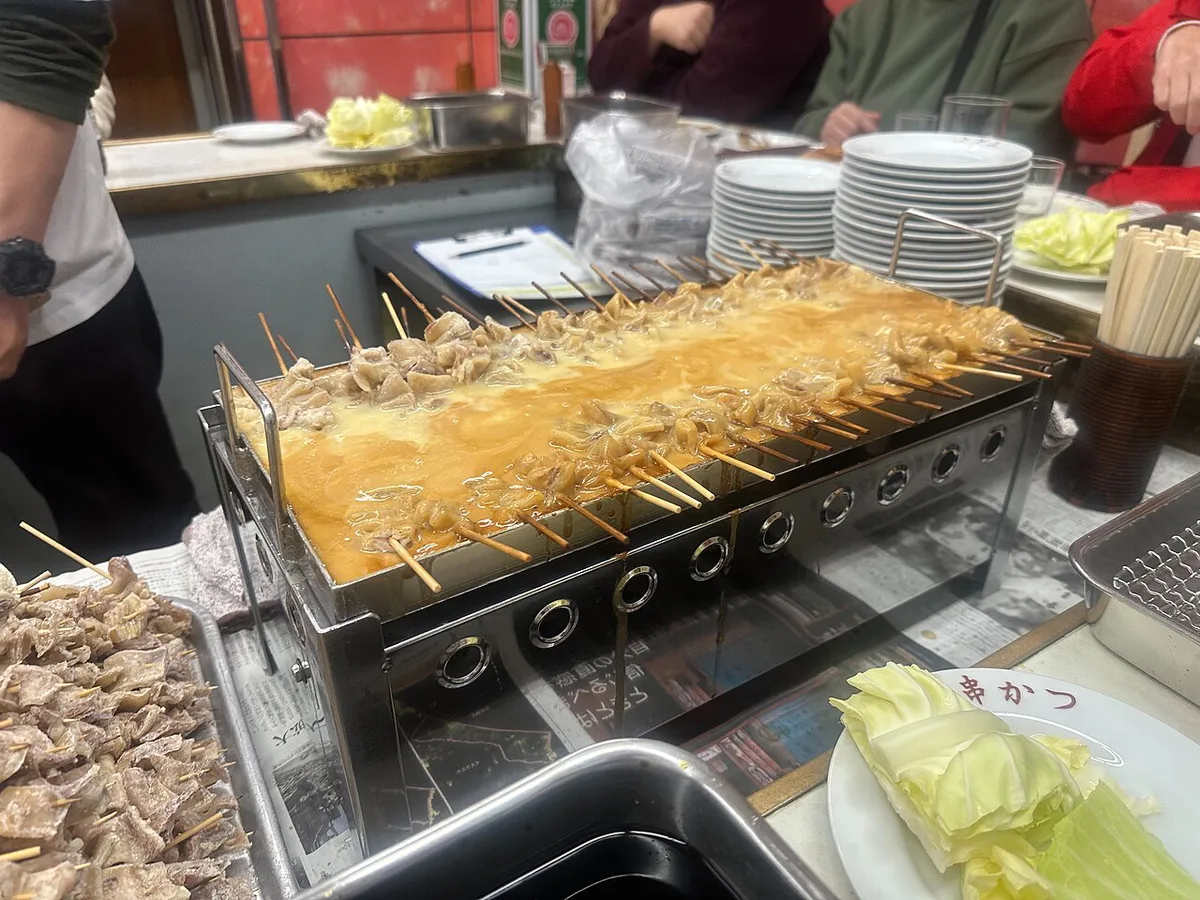
Doteyaki gets its name from dote, meaning embankment, the ring of white miso paste traditionally built up around a simmering pot. Cooks add beef tendon, sake, and mirin, then let the pot simmer for hours until the tendon turns soft. Flavor is sweet, savory, and rich, closer to a slow-cooked stew than to raw offal. Texture is soft and slightly gelatinous, without the chew associated with tripe or intestine cuts. Doteyaki suits travelers who like slow-cooked meat but feel wary about jumping straight into horumon's more assertive cuts. At Shinsekai stalls, stew bowls typically start under ¥500, served in small portions meant for eating standing at a counter.
Understanding Horumon: More Than Just Offal
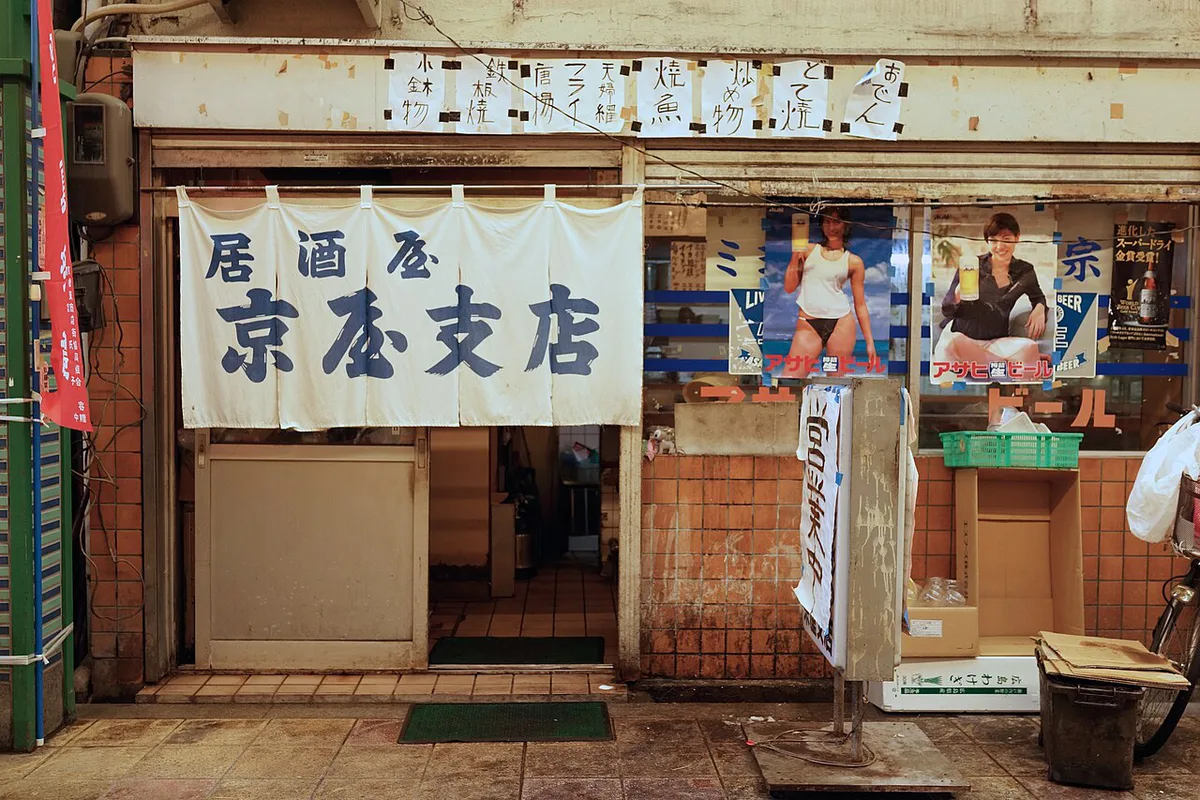
Horumon covers a range of beef and pork offal, grilled yakiniku-style, fried, or stewed depending on the shop. One common explanation traces the name to horu mono, roughly discarded pieces, cuts that were historically cheap and undervalued. Osaka's horumon culture grew alongside Korean-influenced communities in districts like Tsuruhashi, where grilling techniques and side dishes reflect that heritage. Three broad styles show up on menus. Grilled plates get cooked tableside over a small charcoal or gas grill. Deep-fried versions land closer to karaage. Slow-stewed horumon sits closer in spirit to doteyaki. Menus can look intimidating at first glance, with dozens of cuts listed by name rather than by animal part. Kuromon Ichiba's food stalls sell some of these same cuts raw or pre-marinated, a useful preview before committing to a sit-down order.
Where to Eat: Shinsekai, Tsuruhashi, Umeda, and Namba
Doteyaki and horumon show up across Osaka, but three areas cover most of what a food-focused visit needs.
- Shinsekai: widely considered the spiritual home of the doteyaki skewer, centered on the Janjan Yokocho arcade, where standing counters serve tendon stew alongside kushikatsu. The district's attractions are covered in Osaka's sightseeing highlights.
- Tsuruhashi: known locally as a horumon stronghold, shaped by the area's Korean-influenced food culture, with yakiniku counters clustered near Tsuruhashi Station on the JR Osaka Loop Line.
- Umeda and Namba: standing bars and modern izakaya serve compact doteyaki and horumon plates for a faster stop. Namba's canal-side strip is covered separately in the guide to Dotonbori's dining strip.
A Horumon Parts Cheat Sheet for First-Timers
Horumon menus list cuts by name, which can be intimidating without a reference point. This cheat sheet covers cuts most likely to appear on a Tsuruhashi or Shinsekai menu.
- Tan (tongue): lean, firm bite, mild flavor, usually grilled plain or with a squeeze of citrus.
- Hatsu (heart): dense and lean, holds its shape well on the grill.
- Mino (beef first stomach): thick and rubbery, often sliced thin and served with a citrus-pepper dip.
- Marucho (small intestine): fattier and softer, the cut most associated with classic yakiniku-style horumon.
- Shimacho (large intestine): chewier than marucho, sometimes stewed rather than grilled.
Timing, Tachinomiya Etiquette, and Getting There
Doteyaki and horumon both work well as a late-afternoon snack or as nijikai, the second stop after an earlier meal. Standing bars, known as tachinomiya, run on quick turnover rather than long seating.
Standing-bar etiquette at Shinseaki expects quick turnover at the counter, where doteyaki bowls starting under ¥500 in small portions fit the pace of nibbling between longer meals or as nijikai stops.
- Order at the counter as soon as space opens up; standing bars aren't built for lingering over a menu.
- Keep bags and jackets close; rail space is shared with other standing customers.
- Carry cash; smaller stalls and standing bars often skip card payment.
- One skewer or bowl plus a drink counts as a normal order, not a bare minimum.
Doteyaki, Horumon, and Kushikatsu: How They Fit Together
Shinsekai's standing bars rarely serve just one dish. Doteyaki, horumon, and kushikatsu usually share the same counter. Kushikatsu are breaded, deep-fried skewers, a different cooking method from doteyaki's slow simmer or horumon's direct grill. Ordering all three in one sitting is common practice, not an either-or choice. Shinsekai's kushikatsu counters cover the full skewer list, dipping-sauce etiquette, and shop-hunting tips in more depth.
Budgeting for a Doteyaki and Horumon Crawl
Both dishes sit in Osaka's B-grade gourmet category, priced for regular eating rather than special occasions.
| Item | What to expect |
|---|---|
| Doteyaki bowl (Shinsekai stalls) | Typically starts under ¥500; a rich, sweet-miso beef tendon stew often eaten standing at a counter. |
| Horumon by the skewer or small plate | Priced per cut rather than a flat rate; expect a range in the same ballpark as a doteyaki bowl or slightly above it. |
| Draft beer or highball | The standard pairing at both tachinomiya standing bars and sit-down horumon-yaki restaurants. |
| Sit-down horumon-yaki course | Costs more than a standing-bar snack, but includes seating, cabbage side dishes, and a full grill setup. |
How to Navigate Janjan Yokocho in Shinsekai
Janjan Yokocho is a narrow, covered arcade linking the Dobutsuen-mae side of Shinsekai with the streets leading toward Tsutenkaku. Its compact layout helps explain Shinsekai’s connection with doteyaki. Small counters can keep a miso pot simmering while serving fast, inexpensive portions beside kushikatsu and drinks.
Enter from Dobutsuen-mae Station or walk from nearby Shin-Imamiya Station. Check several counters before choosing one, because seating, smoke levels, and menu styles vary. A visible simmering pot often signals doteyaki, while tabletop grills indicate a horumon-focused shop.
- Choose a standing counter for one bowl, a skewer, and a quick drink.
- Pick a seated kushikatsu shop when combining doteyaki with several fried skewers.
- Visit a grill restaurant for multiple horumon cuts and a slower meal.
The arcade becomes cramped during busy meal periods. Keep luggage out of the walkway and avoid blocking entrances while reading menus. Travelers carrying large bags should use station lockers before starting a food crawl.
Frequently Asked Questions
Is horumon safe to eat for travelers with sensitive stomachs?
Horumon is cooked thoroughly at reputable grills and standing bars, so it isn't inherently riskier than other grilled meat. Fresh cuts look glossy rather than dull or discolored. Travelers who are cautious about offal in general can start with a milder cut like tan or hatsu, or try doteyaki first since it is slow-simmered rather than quickly seared.
Is doteyaki spicy?
No. Doteyaki is built on white miso, sake, and mirin, so the flavor leans sweet and savory rather than spicy. Any heat at the table usually comes from a side condiment, not the stew itself.
Can travelers find vegetarian or vegan versions of doteyaki and horumon?
Both dishes are built around meat and offal, so a true vegetarian version isn't standard at most stalls. Travelers looking for plant-based options in the same neighborhoods should check meat-free options around Osaka for workarounds elsewhere in the city.
How much should travelers budget for a doteyaki and horumon meal in Osaka?
Stew bowls typically start under ¥500 at Shinsekai stalls. Horumon is priced per cut rather than a flat rate, generally in a similar range or slightly higher. A sit-down horumon-yaki course costs more than a standing-bar snack, mainly because it adds seating and side dishes.
How many days should travelers plan for exploring Osaka's food scene?
A single day in Osaka covers the highlights, but Shinsekai and Tsuruhashi both take real time to explore properly. Travelers building a longer food-focused stay should check trip-length planning for Osaka before setting an itinerary.
Free: The Osaka Essentials guide
Top things to do, where to stay, a perfect day plan, getting around, and the best time to go — a Osaka mini-guide you can take offline.
You might also like


Continue reading
More guides you'll find useful