

8 Best Areas Where to Stay in Osaka (2026)
Discover where to stay in Osaka for first-timers, families, and foodies. Our guide covers Namba, Umeda, and Tennoji with hotel picks and local booking tips.
On this page
During my fifth trip to Japan, I realized that choosing where to stay in Osaka determines your entire daily rhythm. The city is divided into two main hubs: Kita in the north and Minami in the south. Staying near the Midosuji subway line is the single best decision you can make for easy transit.
This guide was last refreshed in October 2024 to reflect the latest hotel openings and pricing trends. Our editors have vetted each district to ensure you find the perfect match for your travel style. Whether you want neon lights or quiet streets, Osaka has a neighborhood that fits your needs.
Understanding the 12 Best Osaka Neighborhoods Guide is essential because the city's vibe changes block by block. First-time visitors often find themselves overwhelmed by the sheer scale of the train stations. I have compiled this list to simplify your booking process and avoid common tourist mistakes.
Why Your Choice of Neighborhood Matters
Osaka is a sprawling metropolis where your proximity to a major station exit can save you twenty minutes of walking. The city lacks a single central point, instead functioning around several massive commercial and transit clusters. Choosing the right base ensures you spend more time eating and less time navigating crowded subway platforms.
While some guides suggest Nishinari-ku for its low prices, I often recommend skipping the area south of Shin-Imamiya Station. The neighborhood feels significantly grittier than the rest of the city and lacks the convenience of central hubs. Stick to the established districts listed below to ensure a comfortable and safe first-time experience in Japan.
You should prioritize areas with direct access to the Getting Around Osaka: The Complete Transportation Guide transit network for maximum efficiency. The Midosuji Line connects almost every major attraction and shopping district in a straight north-south line. Staying within a ten-minute walk of this red-colored line is my top recommendation for every visitor.
8 Best Neighborhoods and Districts to Stay
The following eight areas represent the best balance of convenience, atmosphere, and value for modern travelers. I have grouped these by their primary appeal, ranging from high-energy nightlife to quiet business districts. Each selection includes practical details on what to expect regarding costs and local character.
If you are looking for luxury, the W Osaka in Shinsaibashi offers a bold and modern stay. Budget travelers might prefer the reliability of a Toyoko Inn Osaka Namba for consistent quality. Families often find the best value in the spacious Randor Suites Namba Osaka Suites near the markets.
Most central hotels in these districts offer small but efficient rooms designed for maximum utility. Expect to pay a premium for locations directly on top of the major subway stations. Booking at least four months in advance is the best way to secure the most competitive rates.
- Namba (Minami) Entertainment District
- Namba serves as the energetic heart of Osaka's southern hub and offers the city's best street food.
- Mid-range hotels in this area typically cost between $110 and $240 per night depending on the season.
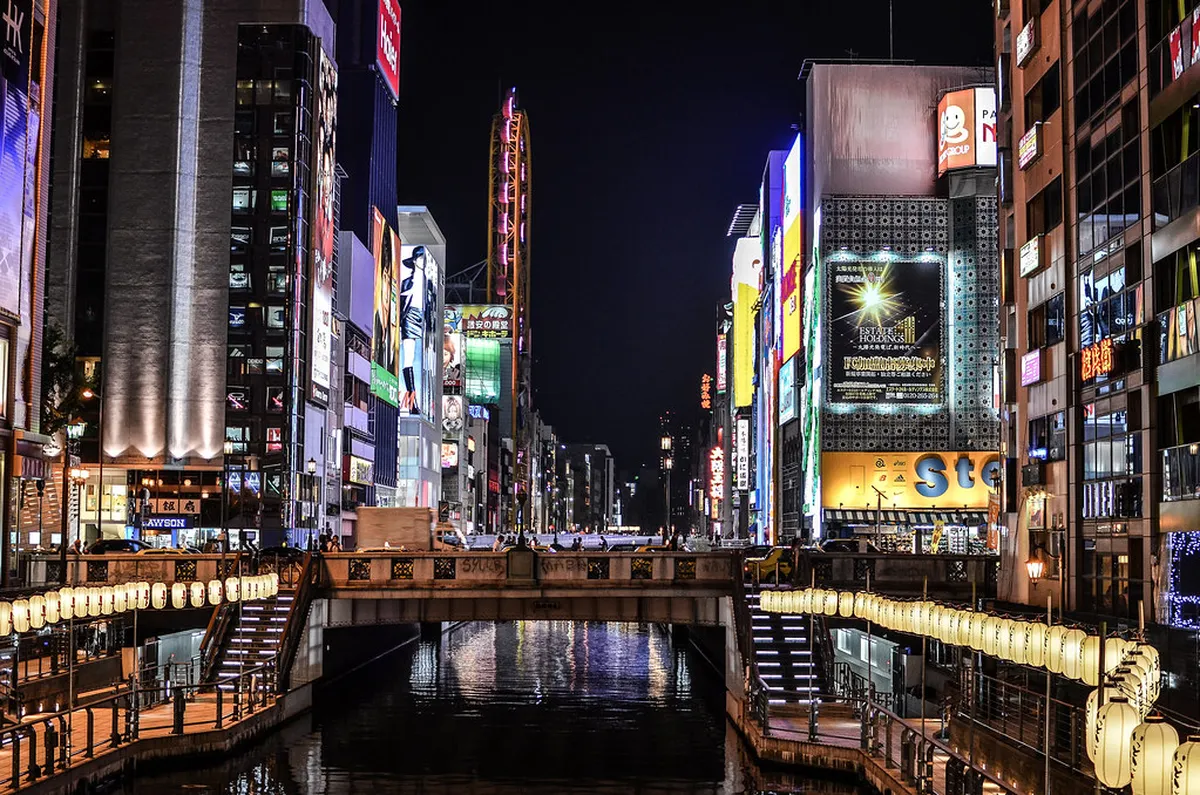
- The district is most vibrant between 6 PM and midnight when the neon signs illuminate the canals.
- Take the Nankai Rap:t train directly from Kansai Airport for a smooth forty-minute arrival at Namba Station.
- I recommend staying at the Cross Hotel Osaka for its prime location near the famous Glico Man sign.
- Umeda (Kita) Transit Hub
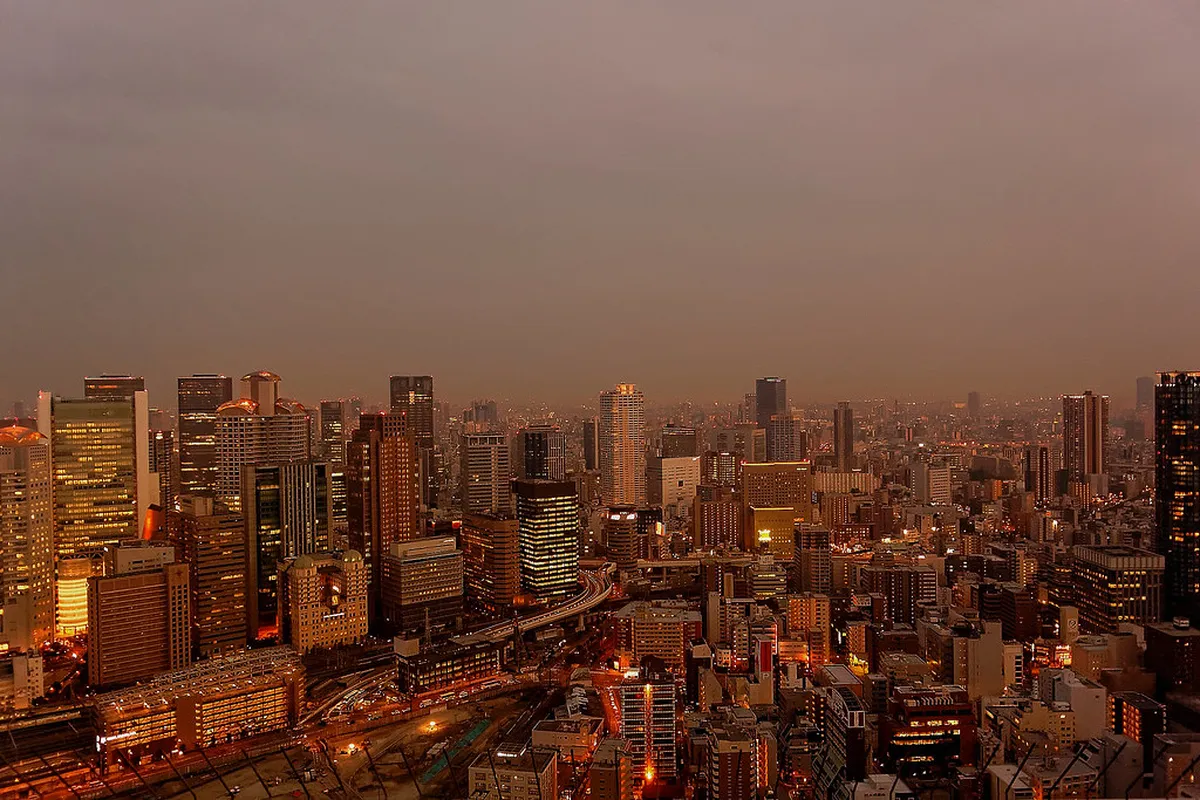
- Umeda is the northern commercial center and provides the best rail connections for regional day trips.
- Expect hotel prices to range from $130 to $350 per night for high-rise accommodations near the station.
- Most department stores and malls in this district operate daily from 10 AM until 9 PM.
- This area is the primary arrival point for travelers coming from Kyoto or Kobe via local rail.
- Families should stay here to enjoy the proximity to the Osaka With Kids Travel Guide attractions like Kids Plaza.
- Shinsaibashi Shopping Arcade
- Shinsaibashi is a fashion-forward neighborhood famous for its long covered shopping street and trendy boutiques.
- Boutique hotels here usually cost between $90 and $200 per night for standard double rooms.
- The shopping arcade is busiest during weekend afternoons but remains accessible for walking twenty-four hours a day.
- Walk five minutes south from Shinsaibashi Station to reach the Dotonbori canal and its iconic food stalls.
- Consider the Mercure Tokyu Stay Osaka Namba for a quiet retreat just steps from the action.
- Tennoji and Shinsekai Area
- Tennoji offers a mix of modern skyscrapers like Abeno Harukas and the nostalgic, retro charm of Shinsekai.
- This is one of the best areas for budget travelers with rooms often priced under $80 per night.
- The local restaurants in Shinsekai are famous for kushikatsu and usually open by 11 AM daily.
- Access this area easily via the JR Loop Line or the Midosuji Line at Tennoji Station.
- Check out the &Here Osaka Namba if you want a modern stay near this historic zone.
- Shin-Osaka Bullet Train Hub
- Shin-Osaka is the only station where the Shinkansen bullet trains stop, making it ideal for fast-paced itineraries.
- Business hotels dominate this area with prices consistently staying between $70 and $130 per night.
- The station complex features an extensive food court that stays open until 10 PM for late arrivals.
- It is located three stops north of Umeda on the Midosuji Line, roughly ten minutes away.
- Staying here is a smart move if you have a Osaka Itinerary for First-Timers that involves frequent travel to Tokyo or Hiroshima.
- Osaka Bay and Universal Studios
- Osaka Bay is the best choice for theme park enthusiasts and families visiting Universal Studios Japan.
- Themed hotels near the park entrance typically cost between $150 and $400 per night.
- Most attractions in the bay area, including the aquarium, operate from 10 AM to 8 PM.
- The JR Sakurajima Line provides the most direct access to the park from Nishikujo Station.
- Book a port-view room to see the giant ferris wheel light up after the sun sets.
- Amerikamura (American Village)
- Amerikamura is the center of youth culture and vintage shopping, often called the Harajuku of Osaka.
- Hostels and small hotels here are very affordable, ranging from $60 to $120 per night.
- The Triangle Park at the center of the district is a great spot for people-watching at any hour.
- It is located just west of the Shinsaibashi shopping district and is easily reachable on foot.
- I suggest grabbing a long soft-serve ice cream from a local vendor while exploring the street art.
- Honmachi Business District
- Honmachi is a quiet business area located halfway between Umeda and Namba on the Midosuji Line.
- This district offers excellent value for upscale hotels that cater to corporate travelers during the week.
- Typical room rates fluctuate between $100 and $180 per night depending on local event schedules.
- The area is much quieter at night compared to Namba, ensuring a better night of sleep.
- Stay here if you want to be central but prefer to avoid the constant noise of the tourist crowds.
Essential Booking Tips for Japanese Hotels
Japanese hotels often treat 'Non-Smoking' as a specific inventory category rather than a building-wide policy. If you accidentally book a smoking room, the smell is often deeply embedded in the carpets and curtains. Always double-check your booking confirmation to ensure the room is specifically labeled as non-smoking before finalizing.
Hotel buffets in Osaka typically cost around 2,500 JPY per person and offer a mix of Western and Japanese dishes. You can often find a better value by visiting local cafes for a 500 JPY morning service. Convenience stores like Lawson or 7-Eleven also provide high-quality fresh meals for a fraction of the hotel price.
Large chains like Toyoko Inn often release their room inventory only three to six months in advance. Early planners might see 'no availability' on major sites and assume the city is fully booked. I recommend checking the Holiday Inn Osaka Namba for more flexible booking windows and international standards.
Navigating the Umeda Dungeon Labyrinth
The Umeda Dungeon is a sprawling underground labyrinth that connects multiple train lines and department stores. Navigating this space requires following the color-coded floor signs rather than looking at digital maps. My first time there, I spent twenty minutes wandering in circles before realizing the exit was one level up.
Always take note of your specific exit number, such as M14 or 5-A, when leaving your hotel. Google Maps often struggles with the multi-level complexity of the underground walkways in this district. If you get lost, look for the 'Whity Umeda' or 'Hankyu Sanbangai' signs to reorient yourself.
Most of the underground passages are lined with excellent small restaurants and bakeries that open early. It is often faster to walk underground between stations than to navigate the busy street-level intersections. Keep a map of the Best Areas To Stay In Osaka Travel Guide saved on your phone for offline use.
Is Osaka or Kyoto Better for Your Base?
Choosing between Osaka and Kyoto as a base depends entirely on your preferred evening atmosphere. Osaka offers a gritty, neon-soaked nightlife and a much wider variety of late-night dining options. Kyoto provides a quieter, more traditional experience but many shops close by 8 PM.
Accommodation in Osaka is generally more affordable and the rooms are often slightly larger than those in Kyoto. The city also serves as a superior transit hub for visiting Nara, Kobe, and Himeji Castle. Deciding How Many Days in Osaka: 12 Essential Planning Tips you need will help you determine if a split stay is worth the effort.
I personally prefer staying in Osaka because the locals are incredibly friendly and the food is unmatched. The train ride between the two cities takes only thirty minutes on the rapid express lines. Basing yourself in Osaka allows you to enjoy the best of both worlds without moving your luggage.
For official trip-planning information, see Osaka's official tourism guide, and the Osaka overview on Wikipedia for background and context.
Frequently Asked Questions
Is it better to stay in Namba or Umeda?
Namba is better for travelers who want immediate access to street food and nightlife. Umeda is superior for families and those planning many day trips by train. Both areas offer excellent subway connections via the Midosuji Line.
How many days should I stay in Osaka?
Three days is the ideal amount of time to see the main city highlights and enjoy the food scene. Add extra days if you plan to use the city as a base for Nara or Kyoto. Most visitors find four nights to be a perfect balance.
What is the safest area to stay in Osaka?
Osaka is generally very safe, but Umeda and Honmachi are particularly polished and professional. Namba is safe but can feel crowded and overwhelming at night. Avoid the southern parts of Nishinari-ku if you are sensitive to grittier urban environments.
Selecting the right neighborhood is the foundation of a successful trip to Japan's kitchen. Whether you choose the neon energy of Namba or the transit efficiency of Umeda, you will be well-placed to explore. Remember to book your non-smoking room early and keep an eye on the Midosuji Line for the easiest travel.
I hope this guide helps you navigate the complex but rewarding world of Osaka's districts. The city's charm lies in its diverse neighborhoods and the incredible food found around every corner. Enjoy your stay in Osaka and make sure to try the takoyaki before you leave.
Plan the rest of your Osaka trip
For the full picture, start with our 20 Top Osaka Attractions guide, then dive into these related Osaka reads:
Free: The Osaka Essentials guide
Top things to do, where to stay, a perfect day plan, getting around, and the best time to go — a Osaka mini-guide you can take offline.
You might also like

Continue reading
More guides you'll find useful


