10 Best Unique Hell Steamed Food in Beppu (2026 Guide)
Discover the best hell steamed food in Beppu for 2026. Full restaurant breakdowns for Jigoku Mushi Kobo, Hyotan Onsen & Toyotsune plus an ingredient timing guide.
On this page
Beppu is a city famous for its steam. It rises from every street and corner. This steam is used for cooking food. Locals call this method Jigoku Mushi — beppu hell steamed food jigoku-mushi at its most authentic.
Finding unique hell steamed food in Beppu is a top activity. The volcanic heat cooks ingredients perfectly at around 98°C. It preserves vitamins and adds minerals. This creates a healthy and tasty meal unlike anything you will find at an ordinary Japanese restaurant.
If you follow a Beppu Itinerary: Plan Your Trip!, you must stop here. The flavors are unlike anything else in Japan. You can even cook the food yourself at the Jigoku Mushi Kobo workshop in Kannawa. This guide covers the best food items, a full restaurant breakdown, and an ingredient timing guide so you eat perfectly every visit.
The Tradition of Hell Steaming in Beppu
Jigoku Mushi means hell steaming in Japanese. This method uses geothermal steam from the earth. It is a traditional way to cook. People in Beppu have done this for centuries.
The steam is rich in natural minerals. These minerals add a unique flavor profile. The high heat seals in all nutrients. This makes the food very healthy to eat.
Most steaming stations are in the Kannawa area. This neighborhood has the most hot springs. You will see white steam rising everywhere. It creates a very magical local atmosphere.
You can bring your own fresh food. Some places also sell pre-packed food sets. It is a great way to save money. Pair this culinary experience with the best restaurants in Beppu for a complete food journey. You will enjoy a very authentic experience.
10 Unique Hell Steamed Food Items in Beppu
Trying unique hell steamed food in Beppu is essential. This list covers the best items to try. You can find these across the city. Many are located in the Kannawa area.
Some items are simple and quick snacks. Others are full meals for hungry travelers. You will love the natural earthy flavors. The steam preserves the original food taste.
This is a highlight when you visit Beppu hells during your trip. Each item offers a different texture. Be sure to try several different things. Most items are very affordable for everyone.
- Iconic Sulfur Scented Hell Steamed Eggs
- Type: traditional steamed snack
- Why go: iconic smoky sulfur flavor
- Best for: quick protein snack
- Where: Kannawa district stalls
- Time: five to ten minutes
- Cost: around one hundred yen
- Getting there: walk from Kannawa bus stop
- Tip: peel while still warm
- Fresh Local Beppu Bay Seafood Platter
- Type: main seafood dish
- Why go: incredibly fresh local catch
- Best for: seafood lovers
- Where: Jigoku Mushi Kobo
- Time: fifteen to twenty minutes
- Cost: two thousand yen range
- Getting there: central Kannawa area
- Tip: use the local ponzu sauce
- Savory Cabbage and Pork Belly Rolls
- Type: hearty meat dish
- Why go: tender and juicy texture
- Best for: meat enthusiasts
- Where: local Kannawa restaurants
- Time: twelve to fifteen minutes
- Cost: eight hundred yen range
- Getting there: walk through Kannawa streets
- Tip: great with spicy mustard
- Famous Jigoku Mushi Custard Pudding
- Type: unique local dessert
- Why go: smooth and rich texture
- Best for: those with sweet tooth
- Where: Umi Jigoku gift shop
- Time: ready to eat immediately
- Cost: four hundred yen each
- Getting there: bus to Umi Jigoku
- Tip: try the caramel flavor
- Sweet and Earthy Steamed Sweet Potatoes
- Type: nature based snack
- Why go: naturally sweet and soft
- Best for: healthy snacking
- Where: roadside steam stalls
- Time: twenty to thirty minutes
- Cost: three hundred yen each
- Getting there: explore the hillside roads
- Tip: eat with the skin on
- Crunchy Seasonal Steamed Bamboo Shoots
- Type: local vegetable dish
- Why go: very fresh and seasonal
- Best for: vegetable fans
- Where: neighborhood produce markets
- Time: ten to fifteen minutes
- Cost: five hundred yen range
- Getting there: near the bus terminal
- Tip: best during the springtime
- Whole Steamed Local Sea Bream
- Type: premium seafood experience
- Why go: impressive presentation and taste
- Best for: special dinner
- Where: upscale Kannawa ryokans
- Time: twenty five minutes
- Cost: three thousand yen plus
- Getting there: taxi to your ryokan
- Tip: book this in advance
- Sweet Volcanic Steamed Corn on Cob
- Type: simple outdoor snack
- Why go: bursts with sweet juice
- Best for: eating while walking
- Where: outside the hells entrances
- Time: ten minutes to cook
- Cost: four hundred yen
- Getting there: walk between the hells
- Tip: add a little salt
- Colorful Mixed Vegetable Steam Basket
- Type: healthy variety dish
- Why go: taste many local crops
- Best for: balanced meals
- Where: Hyotan Onsen restaurant
- Time: fifteen minutes total
- Cost: one thousand yen range
- Getting there: bus to Hyotan Onsen
- Tip: perfect for sharing
- Soft and Fluffy Hell Steamed Buns
- Type: indoor market snack
- Why go: warm and comforting filling
- Best for: cold winter days
- Where: Kannawa steam centers
- Time: five minutes heating
- Cost: two hundred yen
- Getting there: walk from bus stop
- Tip: watch the steam rise
Top Spots for Unique Hell Steamed Food in Beppu
Kannawa is the best place for food. It is the heart of steam culture. You will find many public cookers. It fits perfectly into a Beppu walking route for hungry travelers.
Jigoku Mushi Kobo is very popular. It is a self-service cooking center. Staff will help you with timers. You can sit outside and eat.
Some local ryokans offer private steaming. This is a more quiet experience. You can enjoy a full course. It is great for a romantic dinner.
Best Restaurants for Jigoku Mushi in Beppu (2026)
Choosing where to eat hell steamed food in Beppu matters more than most people realize. Some places let you cook yourself; others have chefs do it for you. Each restaurant below has a different atmosphere and price range. Together they cover every type of traveler visiting Beppu in 2026.
1. Jigoku Mushi Kobo Kannawa — Best for the DIY Experience
Jigoku Mushi Kobo is the most famous public steam kitchen in Beppu. It is located in the heart of the Kannawa district at 5-2 Miyuki, Kannawa. The facility opens at 10:00 AM and closes at 7:00 PM daily, with last entry at 6:00 PM. This is the place most visitors think of first when they hear the words beppu hell steamed food jigoku-mushi.
The cooking process is entirely self-service with staff standing by to guide you. You purchase a ticket from the vending machine at the entrance — food sets range from around 500 yen for an egg and vegetable set to around 2,500 yen for a premium seafood platter. After buying your ticket you collect your food basket from the counter and head to your assigned steam pit. The pit produces 98°C geothermal steam and cooks everything without oil, sealing in natural umami.
The staff provide thick rubber heat gloves free of charge. You lower your bamboo basket into the steam chamber using both hands, close the heavy wooden lid, and set the timer shown on the posted chart. Eggs take 15 minutes; corn takes 10 minutes; potatoes take 25 to 30 minutes; thick seafood cuts take 20 to 25 minutes. When the timer sounds you remove the basket carefully and carry it to the communal outdoor tables to eat. Payment is accepted at the vending machine by both IC card and cash — bring a minimum of 2,000 yen per person to be safe.
2. Toyotsune — Best Sushi and Jigoku Mushi Combo
Toyotsune Honten near the Kitahama waterfront is ranked among the top restaurants in Beppu on TripAdvisor in 2026. It is best known for tori-ten (chicken tempura) but also serves a curated jigoku-mushi menu alongside fresh sushi. The combination of raw local seafood and steamed volcanic dishes on a single menu is rare in Beppu and makes Toyotsune stand out for food tourists. A second branch sits opposite the east exit of Beppu Station for convenience. Expect lunch sets from around 1,500 yen.
3. Yamada Bessou — Best for a Private Ryokan Steam Experience
Yamada Bessou is a historic ryokan originally built in 1930 as a private villa, converted after the war. It sits in a quiet residential street just eight minutes on foot from Beppu Station. Guests at this ryokan can access a private outdoor steam pit alongside the private onsen bath, making it the most intimate jigoku-mushi experience in the city. The ryokan prepares seasonal ingredient sets for guests — spring features bamboo shoots and local vegetables; winter highlights feature Bungo beef and oysters. Rates start around 18,000 yen per person including dinner with steam cooking. Non-guests should enquire directly as private access policies change seasonally.
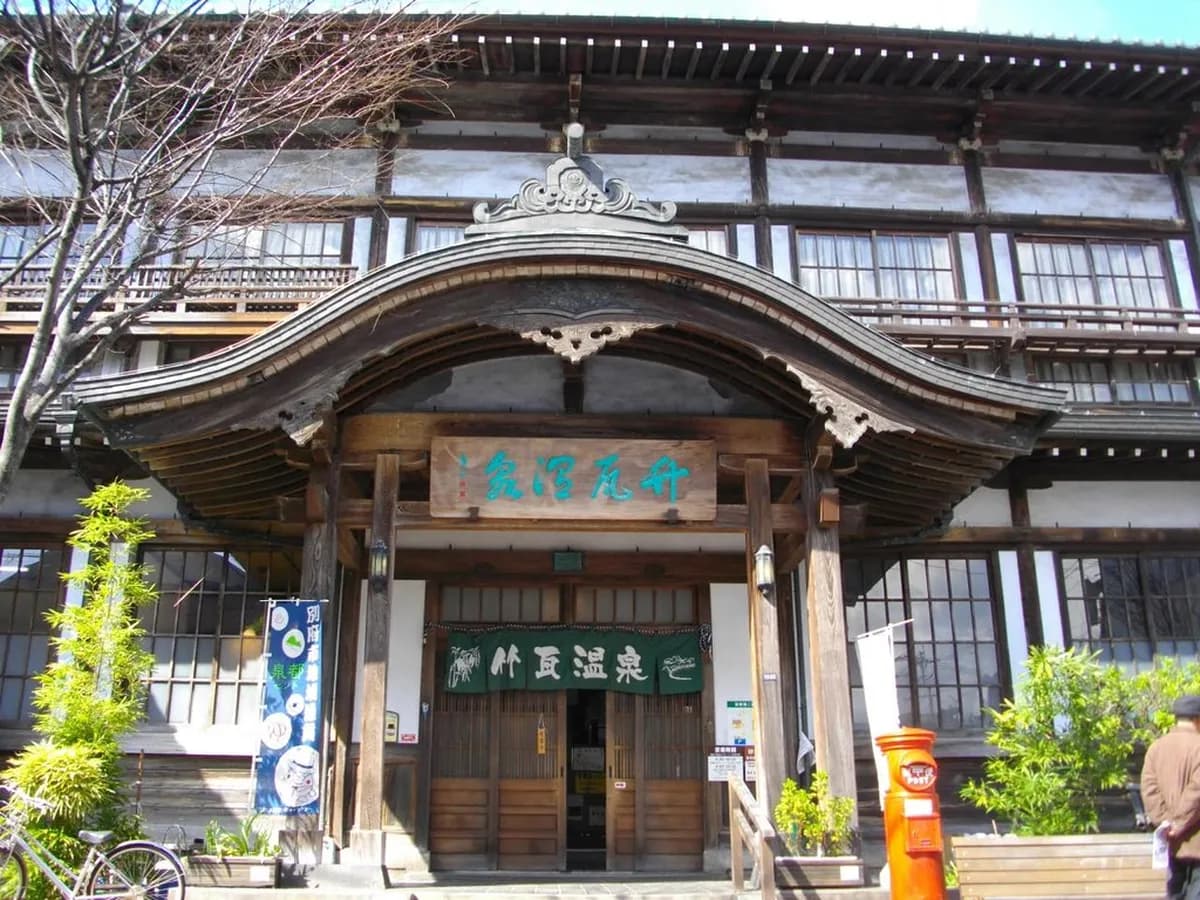
4. Hyotan Onsen Restaurant — Best Steam Meals at a Michelin-Starred Onsen
Hyotan Onsen in Kannawa holds a Michelin three-star rating, one of only a handful of public baths to receive this recognition anywhere in Japan. Its restaurant offers a dedicated jigoku-mushi dining menu for both onsen visitors and non-bathing guests. In 2026 the menu includes a full Jigoku Steam Course Meal (2,980 yen), a Whole Steamed Chicken Set (2,700 yen), Jigoku Steamed Pork (600 yen per portion), Jigoku Steamed Vegetables (600 yen per portion), and a Family Jigoku Steam Mix for two people (3,900 yen, seasonal content). The restaurant is housed inside the onsen compound and benefits from the same mineral-rich geothermal source. It is an excellent option if you plan to combine eating and bathing into a single half-day visit.
5. Sato-no-Eki Kannawa Jodekiya — Best Fuss-Free Steam Lunch
For visitors who want the taste of jigoku-mushi without the DIY element, Sato-no-Eki Kannawa Jodekiya handles all the cooking for you. Staff load and time the steam pots so you can simply wait and eat. The menu is seasonal and rotates with local Oita produce. This is the quietest and most relaxed option in Kannawa and works well for solo travelers or older visitors who want a comfortable seated meal without waiting at a steam pit.
Ingredient Guide: What to Steam and How Long It Takes
Jigoku Mushi Kobo Kannawa (5-2 Miyuki, Kannawa) opens 10:00 AM to 7:00 PM daily, last entry 6:00 PM. The vending machine at the entrance accepts both cash and IC cards (Suica, Icoca). Budget at least 1,500–2,500 yen per person for a full meal including vegetables, eggs, and seafood.
Knowing which ingredients steam best — and for how long — is the difference between a perfect meal and an overcooked one. The geothermal steam at Kannawa reaches around 98°C, which is gentler than boiling in water because there is no turbulence to break apart delicate ingredients. Below is an ingredient-by-ingredient guide used by experienced regulars at Jigoku Mushi Kobo in 2026.
| Ingredient | Steam Time | Approx. Cost | Notes |
|---|---|---|---|
| Eggs (onsen tamago) | 15–20 min | 100–150 yen each | 15 min = soft yolk; 20 min = set yolk |
| Corn on the cob | 10 min | 350 yen (summer only) | Concentrates sugars without leaching |
| Sweet potato | 25–30 min | 300–350 yen | Develops creamy, dessert-like interior |
| Pumpkin (3–4 cm slices) | 15 min | Seasonal | Sprinkle Oita sea salt immediately after |
| Bamboo shoots | 15–20 min | 500 yen | Best March–May; pair with ponzu sauce |
| Prawns (local Beppu Bay) | 12–15 min | Part of seafood set | Most ordered item at Jigoku Mushi Kobo |
| Oysters / clams | 8–10 min | Part of seafood set | Do not exceed — texture becomes rubbery |
| Pork belly (1–1.5 cm slices) | 20 min | 1,000–1,500 yen/set | Finishes tender with no fat-rendering mess |
| Thinly sliced Bungo beef | 8–10 min | Premium | Longer cooking dulls the delicate marbling |
For a deeper look at the equipment and safety steps involved, read the full guide to cooking with steam in Beppu, which covers glove use, timer management, and common beginner mistakes in detail.
Eggs (Onsen Tamago)
Eggs are the most iconic item to steam in Beppu. Place whole, uncracked eggs directly in the basket. Steam for 15 minutes for a soft, custard-like yolk. Steam for 20 minutes for a fully set yolk. The sulfur compounds in the steam give the shell a faint mineral scent; the white becomes silkier than any boiled egg. Peel while warm for the best texture. Cost at Jigoku Mushi Kobo: approximately 100 to 150 yen per egg.
Vegetables — Corn, Sweet Potato, Pumpkin, Bamboo Shoots
Corn on the cob takes 10 minutes and comes out intensely sweet — the steam concentrates sugars without leaching them into water. Sweet potatoes need 25 to 30 minutes and develop a creamy, almost dessert-like interior. Pumpkin cuts (3 to 4 cm thick) take 15 minutes. Bamboo shoots, best available in spring from March through May, need 15 to 20 minutes and have a crisp yet tender bite that pairs naturally with ponzu dipping sauce. Sprinkle a pinch of Oita sea salt on any vegetable immediately after steaming for a transformative finish.
Seafood — Prawns, Fish, Oysters, Clams
Local Beppu Bay prawns take 12 to 15 minutes and are the most ordered item at the Kobo. The gentle steam keeps the flesh moist and sweet without shrinking it. Whole small fish (like aji, horse mackerel) take 18 to 20 minutes. Oysters and clams open naturally in the steam after 8 to 10 minutes — do not wait longer or the texture becomes rubbery. Dip seafood in the ponzu sauce provided at the counter, or squeeze fresh Kabosu citrus (a local Oita specialty) over the top for a bright, acidic contrast.
Meat — Pork Belly, Chicken, Bungo Beef
Pork belly slices (1 to 1.5 cm thick) need 20 minutes and finish tender with no fat-rendering mess. Chicken pieces on the bone require 25 to 30 minutes. Bungo beef, the premium wagyu of Oita Prefecture, is best thinly sliced and steamed for 8 to 10 minutes — longer cooking dulls the delicate marbling. All meats benefit from the addition of sesame dipping sauce or a simple ponzu. Meat sets at Jigoku Mushi Kobo typically cost 1,000 to 1,500 yen per person.
Specialty Items — Jigoku Mushi Pudding and Steam Buns
Jigoku Mushi pudding (purin) is sold pre-steamed at the Umi Jigoku gift shop near the Blue Hell for around 400 yen. It has a dense, smooth caramel custard texture that is completely different from factory-made pudding. Steam buns (mushi-man) sold at Kannawa steam centers take just five minutes to reheat and make an excellent quick snack in cold weather from November through February.
How to Enjoy the Jigoku Mushi Kobo Kannawa Workshop
The DIY experience at Jigoku Mushi Kobo is straightforward once you know the sequence. Here is exactly what happens from the moment you arrive to the moment you eat.
Step 1 — Buy your food ticket at the vending machine. The machine accepts both cash and IC cards (Suica, Icoca). Choose a set menu or pick individual items. Budget 1,500 to 2,500 yen per person for a satisfying meal.
Step 2 — Collect your basket and ingredients. Hand your ticket to the counter staff and receive a wooden or bamboo basket loaded with your chosen ingredients. Check the ingredient timing chart posted near the pits before you approach the steam.
Step 3 — Put on the heat-resistant gloves. The facility provides thick rubber gloves free of charge at the pit area. Never approach the steam chamber with bare hands. The steam reaches 98°C and burns instantly on contact.
Step 4 — Lower the basket into the jigoku-gama (steam pot). Use both gloved hands. Slide the basket onto the rack inside the pit and close the heavy wooden lid. Set the timer for the longest-cooking ingredient in your basket. Add shorter-cooking items mid-way through for timing precision.
Step 5 — Wait at the communal tables. The outdoor seating fills up fast during lunch (noon to 1:30 PM on weekends). Arrive before 11:30 AM or after 2:00 PM to find seats easily. Staff will alert you if your timer sounds while you are seated.
Step 6 — Remove the basket and eat. Carry the basket with two gloved hands to your table. Dip seafood in the ponzu sauce provided. Sprinkle Oita sea salt on vegetables. Eat while hot for the best flavor experience.
For the full technique breakdown including common mistakes and what to wear, read the companion article on How to Cook with Steam in Beppu. Learn how to use sand baths if you want to extend your afternoon in the Kannawa district.
Essential Tips for Foodies in Beppu
The outdoor communal seating at Jigoku Mushi Kobo fills up fast during lunch (noon to 1:30 PM on weekends). Arrive before 11:30 AM or after 2:00 PM to find seats comfortably. Never approach the steam chamber with bare hands — the 98°C steam burns instantly on contact. Thick rubber gloves are provided free at the pits.
Visit early to avoid long lines. Lunchtime can be very busy here. Weekdays are quieter than the weekends. Plan for at least one hour.
Bring a small towel with you. The steam can make you sweaty. Most places provide water and tea. You can also buy local beer.
Check the weather before you go. Outdoor seating is best when sunny. Indoor centers are good for rain. Always carry some cash for snacks.
Frequently Asked Questions
What is beppu hell steamed food jigoku-mushi?
Beppu hell steamed food (jigoku-mushi) is a cooking method that uses 98°C geothermal steam from natural hot springs to cook fresh ingredients without oil or water. The steam seals in natural umami, adds subtle mineral flavor, and preserves vitamins better than boiling or frying. The tradition dates to the Edo period and is centered in Beppu's Kannawa district.
Where can I cook my own food at the Jigoku Mushi Kobo Kannawa workshop?
Jigoku Mushi Kobo Kannawa at 5-2 Miyuki, Kannawa, Beppu is the main public DIY steam kitchen. It opens 10:00 AM to 7:00 PM (last entry 6:00 PM) in 2026. Buy food tickets at the entrance vending machine (cash and IC card accepted), collect your basket, put on free heat-resistant gloves, and lower the basket into the steam pit. Food sets start at around 500 yen; full seafood sets cost around 2,000 to 2,500 yen.
How long does it take to steam different foods at Jigoku Mushi Kobo?
Eggs take 15 to 20 minutes depending on desired yolk texture. Corn on the cob takes 10 minutes. Sweet potatoes take 25 to 30 minutes. Prawns take 12 to 15 minutes. Pork belly slices take 20 minutes. Oysters and clams open after 8 to 10 minutes. Timing charts are posted at every steam pit inside the Kobo facility.
Is hell steamed food healthy?
Yes, jigoku-mushi is one of the healthiest cooking methods in Japan. Steaming at 98°C preserves vitamins and minerals that boiling destroys by leaching them into water. No oil or fats are added. The natural mineral content of the geothermal steam also enhances flavor without needing salt or seasoning.
Which Beppu restaurant is best for jigoku-mushi without cooking it yourself?
Hyotan Onsen restaurant in Kannawa is the best option for a fully prepared jigoku-mushi meal. The Michelin three-star facility offers a Steam Course Meal for 2,980 yen and individual steamed pork and vegetable dishes from 600 yen. Sato-no-Eki Kannawa Jodekiya is another fuss-free option where staff handle all the cooking for walk-in visitors.
Can I visit Yamada Bessou for private jigoku-mushi without staying overnight?
Yamada Bessou primarily offers its private steam cooking experience to overnight guests. The ryokan, originally built in 1930, includes a private steam pit alongside the private onsen bath. Non-guest access policies change seasonally — it is worth contacting the ryokan directly before your visit if you want to experience private steam cooking without booking a room.
What is the best food to try first at Jigoku Mushi Kobo in 2026?
Start with the local eggs (approximately 100 to 150 yen each) — they are the most iconic item and cost almost nothing. Add a prawn or corn on the cob for variety. If you want a full meal, order the mixed seafood platter (around 2,000 yen). End with a Jigoku Mushi pudding from the nearby Umi Jigoku gift shop for around 400 yen.
Eating hell steamed food in Beppu is a memory for life. The combination of volcanic energy and incredibly fresh local ingredients is unlike any other food experience in Japan. You will taste the mineral-rich power of the earth in every bite.
Start your jigoku-mushi food tour at the Jigoku Mushi Kobo Kannawa workshop for the full DIY experience. Follow it with a sit-down meal at Hyotan Onsen if you want to combine the best bath and food in Beppu in a single afternoon. Use the ingredient timing guide above so nothing is overcooked. And if you want to deepen your trip, explore the complete Beppu attractions guide for the best of what this remarkable city offers beyond the steam pits. Also check the Beppu Jigoku Meguri Ticket Costs & Budget Guide 2026 to plan your steaming tour alongside the famous Hell Tour for a perfect full day in Kannawa.
Free: The Beppu Essentials guide
Top things to do, where to stay, a perfect day plan, getting around, and the best time to go — a Beppu mini-guide you can take offline.
You might also like



Continue reading
More guides you'll find useful