

Beppu Hoyoland Mud Bath Guide: Tips, Etiquette, and Logistics
Master the Beppu Hoyoland mud bath experience with our guide to mixed-gender etiquette, transportation from Beppu Station, and tips for the best volcanic mud.
On this page
Beppu Onsen Hoyoland sits nestled within the historic and scenic Myoban district of Kyushu Island. This facility is famous for its thick, mineral-rich volcanic mud that bubbles directly from the earth.
Many travelers include this unique stop in their Beppu itinerary to experience traditional Japanese wellness. The site offers a rustic atmosphere that feels significantly different from the city's modern luxury resorts.
You will find both indoor sulfur baths and expansive outdoor mud pools designed for deep relaxation. This guide covers everything you need to know for a successful and comfortable visit to this iconic destination. For the full picture of the city's geothermal highlights, start with the Beppu attractions guide.
What is Beppu Onsen Hoyoland?
This facility represents one of the most traditional hot spring experiences in Oita Prefecture. Unlike the polished marble of newer spas, Hoyoland maintains an atmospheric and slightly run-down charm. The mineral-rich mud is prized for its ability to smooth the skin and soothe aching muscles. Local residents have visited these healing waters for generations to enjoy the natural volcanic properties.
The site is located high in the hills of the Myoban district, which is known for its strong sulfur scent. You can see the steam rising from the ground as you approach the entrance. Visitors often notice the sulfur flowers being harvested in nearby thatched huts. This area provides a sensory experience that defines the geothermal power of Beppu.
Choosing between various bathing options in the city can be difficult for first-time visitors. Hoyoland stands out because it allows you to submerge your entire body in silky, gray mud. While modern hotels offer high-end amenities, this location focuses on the raw power of nature. It is a must-visit for those seeking an authentic and unpretentious hot spring encounter.
| Bath type | Vibe | Best for | Approx. cost |
|---|---|---|---|
| Hoyoland Mud Bath | Rustic and traditional | Skin health | ¥1,500 |
| Takegawara Sand Bath | Historic 1938 building | Circulation | ¥1,000 |
| Tanayu Rooftop Bath | Modern luxury | City views | ¥2,000 |
Hoyoland Opening Hours, Admission Fees, and Facilities
Beppu Onsen Hoyoland opens daily from 9:00 to 20:00, with last entry at 19:00, and does not close for seasonal holidays. Admission is ¥1,500 for adults, with a reduced rate of ¥1,000 for children aged 6 to 12; children under 6 bathe free with a paying adult. Bring cash, since the front desk rarely accepts cards even for the rental items below.
- Coin lockers: ¥100, refunded when you retrieve your belongings.
- Rental towels: ¥130 for a small towel if you forget to pack a dark one.
- Rest lounge: tatami seating near the entrance for cooling down after a soak, with vending machines for water and tea.
- Parking: a free gravel lot holds roughly 20 cars, though it fills quickly on weekend afternoons.
There is no restaurant on-site, so plan to eat before or after your visit. For a broader rundown of how facilities and pricing compare across the city's bathhouses, see this guide to visiting Beppu's onsen. If you would rather skip the shared mud pool for a private soak, Hyotan Onsen offers reservable individual baths a short drive away.
Essential Onsen Etiquette: Nudity and Rules
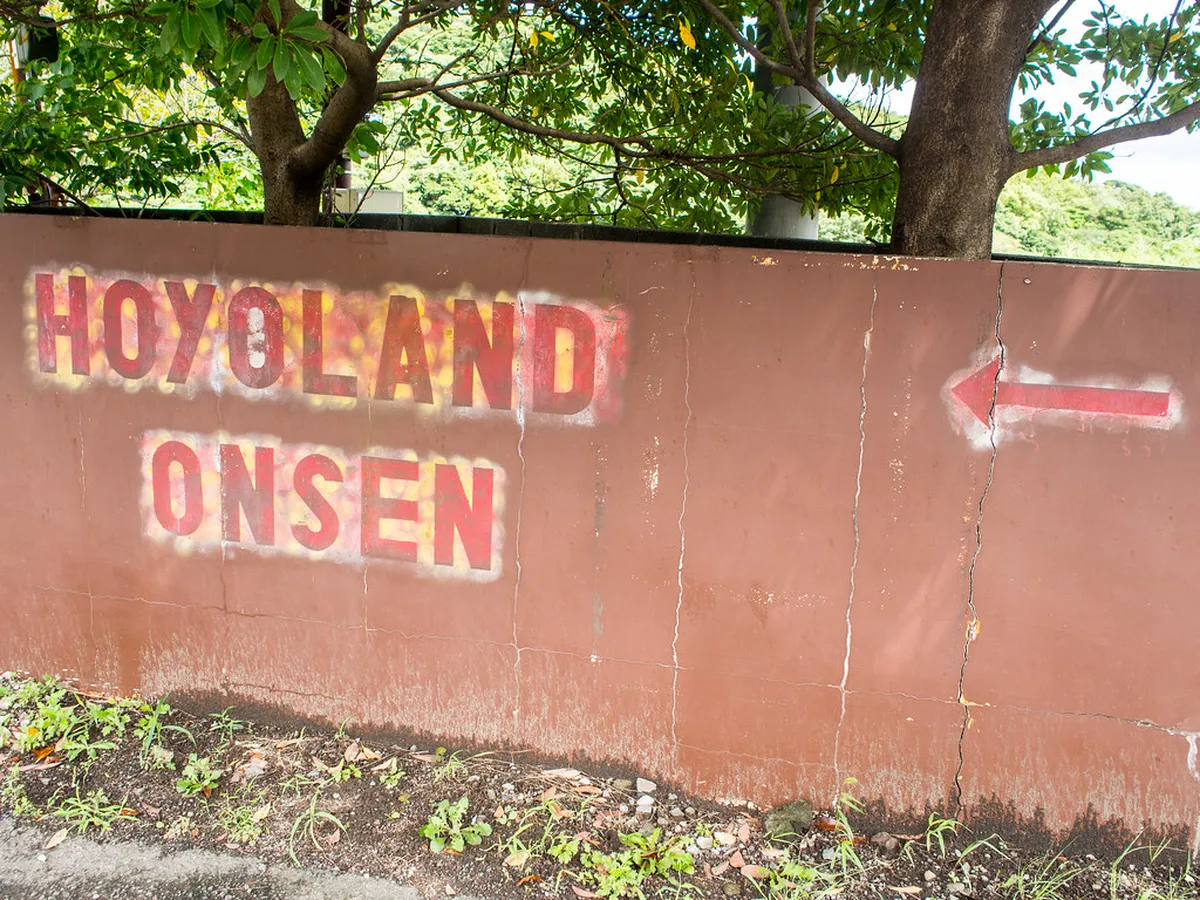
Clothing is strictly prohibited in all bathing areas at Hoyoland. All guests must shower before entering any pool. Small towels must never touch the water — carry yours folded on your head or set it aside.
At Beppu Onsen Hoyoland, clothing is prohibited in all bathing areas. All guests must shower before entering any pool, and small towels must never touch the water.
Understanding the local customs is vital for a respectful visit to any Japanese hot spring. At Beppu Onsen Hoyoland, clothing is strictly prohibited inside the bathing areas. You must leave all garments in the provided lockers before entering the shower zone. Using an Beppu onsen pass guide can help you navigate these rules across different facilities.
Always wash your body thoroughly at the small stools before stepping into any communal pool. This practice ensures the mineral water and mud remain clean for all guests. Pour water over yourself using the provided basins to rinse away all soap. Maintaining hygiene is the most important rule in Japanese bathing culture.
Tattoo policies at Hoyoland are generally more relaxed than at corporate city hotels. However, it is always wise to check the Beppu City Tourism (Safety) page for the latest updates. Small tattoos can often be covered with waterproof bandages to avoid any issues. If you have large pieces, consider asking the staff at the front desk before paying.
Mixed-gender bathing, known as konyoku, occurs in the large outdoor mud section. Men and women share this space, but the thick mud provides a natural veil of privacy. Women typically enter the pool through a sheltered walkway that leads directly into the water. Keep your movements slow to keep the mud stirred up for maximum coverage.
The Mud Bath Experience: Indoor vs. Outdoor Zones
Pack a dark-colored towel — the volcanic minerals permanently stain white fabric a muddy brown. Hoyoland does not always accept credit cards, so bring approximately ¥1,500–¥2,000 in cash.
Hoyoland's outdoor mud pool is the main draw — a large, open-air basin of silky gray volcanic clay shared by all guests. Limit each soak to 10–15 minutes and drink water between sessions to stay safe.
The indoor section features several smaller baths with varying temperatures and mineral concentrations. These pools serve as a great way to warm up your body before heading outside. You will notice the water has a milky white appearance due to the high sulfur content. Spend a few minutes here to let your skin adjust to the heat.
Stepping into the outdoor mud pool is the highlight of any visit to this facility. The ground beneath your feet feels soft and squishy as you wade into the gray mixture. You can scoop up the fine mud from the bottom and apply it to your shoulders. This volcanic clay is famous for drawing out impurities from the pores.
Be sure to pack a dark-colored towel for your visit to avoid permanent staining. The volcanic minerals can easily turn a white towel into a dull shade of brown. Most visitors bring a small washcloth into the bathing area for modesty while walking. Remember that these towels should never touch the actual bath water.
Limit your time in the mud to about ten or fifteen minutes per session. The intense heat and mineral density can cause lightheadedness if you stay submerged too long. Take frequent breaks by sitting on the edge of the pool to cool down. Drinking plenty of water after your bath is essential for staying hydrated.
Who Should Avoid the Mud Bath: Health and Safety Precautions
The mud bath's heat and mineral density make it unsuitable for some visitors, even with the 10–15 minute soak limit mentioned above. Pregnant women should skip the hot mud pools entirely, since prolonged heat exposure raises core body temperature more than a standard bath. Anyone with a heart condition, high or low blood pressure, or a history of fainting should consult a doctor before bathing and, if cleared, keep sessions to the shorter end of the limit.
- Avoid alcohol before and immediately after bathing; combined with the heat, it significantly increases the risk of dizziness.
- Remove contact lenses beforehand, since sulfur vapor can irritate the eyes.
- Open cuts, sunburn, or broken skin may sting on contact with the mineral-rich mud.
- Rinse thoroughly at the shower stalls afterward if you have sensitive or eczema-prone skin, since residual minerals can cause irritation overnight.
Staff at the front desk can advise on the day's mud temperature if you have concerns. Travelers who prefer more control over privacy and temperature, including those managing a health condition, may find a ryokan with a private onsen a more comfortable alternative to the shared outdoor pool.
How to Get to Beppu Onsen Hoyoland
Reaching the mud baths is straightforward if you use the local bus network from Beppu Station. Head to the west exit of the station to find the primary bus stops. Look for the Kameoi Bus number 5, 9, or 41 which all head toward Myoban. You can find the exact Google Maps Location to track your progress in real-time.
The bus ride takes approximately 25 minutes and winds through the scenic hills of the city. Get off at the Myoban bus stop, which is located just a short walk from the entrance. You will see large signs directing you toward the Hoyoland facility from the main road. Consult a Beppu transportation guide for the most recent fare information.
If you prefer driving, there is a small parking lot available for guests on-site. The roads in the Myoban area can be narrow and steep, so drive with caution. Taxis are also readily available from the station but will cost significantly more than the bus. Most international travelers find the bus system to be the most efficient choice.
Check the Official Hoyoland Website before you depart to confirm their current operating hours. They occasionally close for maintenance or during extreme weather conditions in the mountains. Arriving early in the morning helps you avoid the peak afternoon transit crowds. Planning your return trip in advance ensures you don't miss the last bus.
Beyond the Mud: Visiting the Hells of Beppu
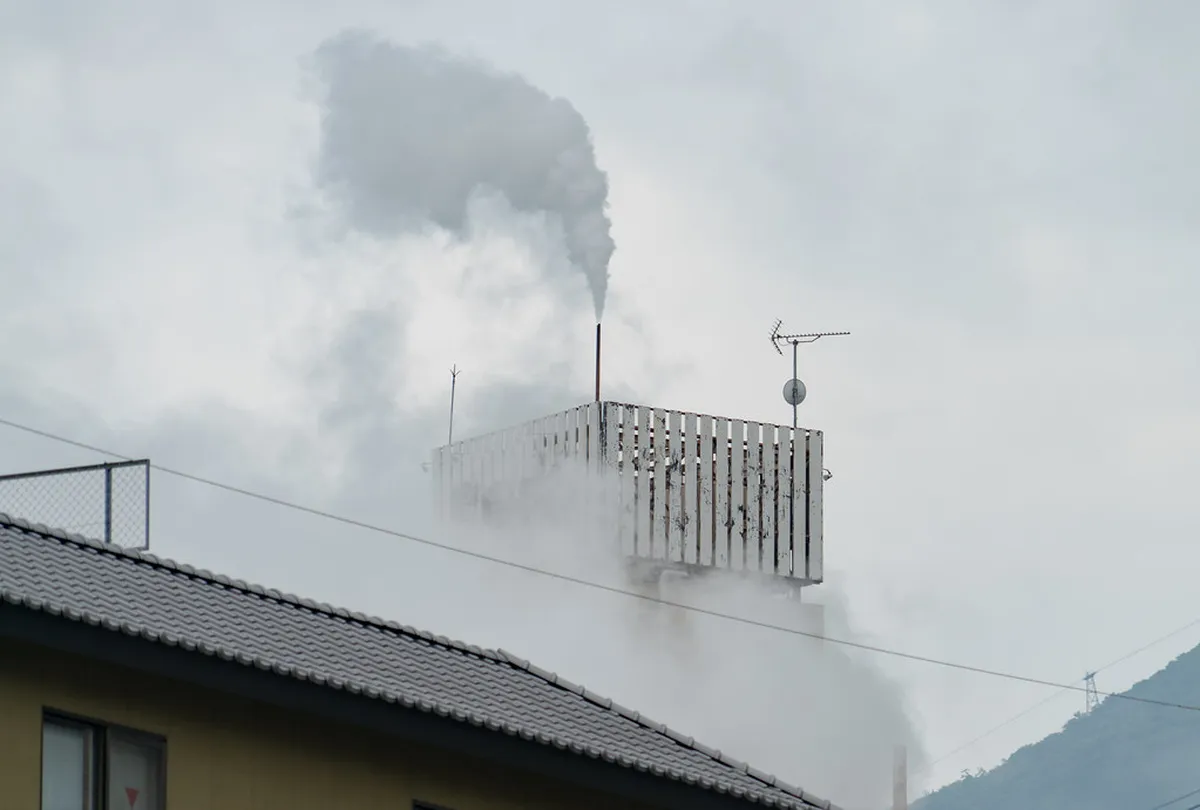
After your mud bath, take some time to explore the other geothermal wonders nearby. The famous "Hells of Beppu" are a collection of spectacular hot springs meant for viewing. You can follow a Beppu hells walking route itinerary to see the most impressive sites. Umi Jigoku is particularly beautiful with its cobalt blue water and tropical gardens.
The Myoban district itself offers several unique attractions within walking distance of Hoyoland. You can visit the local kitchens to try food steamed by natural volcanic heat. This traditional cooking method uses the earth's steam to prepare vegetables and seafood. It is a healthy and delicious way to experience the local culture after a soak.
Many visitors also enjoy walking through the hills to see the historic sulfur collection huts. These structures have distinctive thatched roofs designed to withstand the corrosive volcanic air. You can purchase authentic sulfur bath salts to take home as a souvenir. These salts allow you to recreate a small part of the Beppu experience at home.
Best Time to Visit and Weather Tips
The experience at Hoyoland changes significantly depending on the season and time of day. Spring and autumn offer the most comfortable temperatures for outdoor bathing in the mountains. During these months, the cool air provides a refreshing contrast to the hot volcanic mud. Check the best time to visit Beppu for a detailed seasonal breakdown.
Winter visits are also popular because the steam from the hot springs becomes much more visible. Soaking in a hot mud pool while the surrounding hills are frosted is a magical experience. However, be prepared for cold winds when you transition between the bathing zones. Keep your small towel handy to dry off quickly once you leave the water.
To avoid the largest crowds, try to arrive right when the facility opens in the morning. Weekdays are generally much quieter than weekends or national holidays in Japan. You will have more space to move around the outdoor pools during off-peak hours. Late afternoon can also be peaceful, but you must keep an eye on the bus schedule.
The weather in the Myoban district can be slightly cooler than in the city center. Always bring a light jacket even if the weather at the station seems warm. The high elevation and mountain winds can change the local conditions very quickly. Refer to the ANA Japan Travel Planner for more regional climate context.
What to Pack for Beppu Hoyoland
Pack a dark-colored towel — volcanic minerals permanently stain white fabric a muddy brown. A small washcloth is useful for modesty between the shower area and the outdoor mud pool. Most visitors bring two towels: one for drying off and one small cloth for walking between pools.
Bring waterproof sandals to wear on the slippery stone walkways around the facility. Flip-flops or shower shoes are sold at nearby convenience stores if you forget. A lightweight bag that can get wet is ideal for keeping your belongings close to the bathing zone.
You should also carry cash, as Hoyoland does not always accept credit cards. The entry fee is approximately 1,500 yen per adult (2026 rates). A small bottle of moisturizer is a welcome addition after the minerals leave your skin slightly dry. If you are staying overnight in the area, explore 10 Best Areas and Tips for Where to Stay in Beppu for accommodation options near the Myoban district.
Quick packing checklist:
- Dark-colored towel (2 recommended — one for drying, one small cloth for modesty)
- Waterproof sandals or flip-flops
- Cash (approximately 1,500–2,000 yen)
- Small moisturizer or body lotion
- Light jacket for mountain breezes between pools
- Waterproof bag or dry bag for valuables
Frequently Asked Questions
Is Beppu Hoyoland mixed gender?
Yes, the large outdoor mud pool at Hoyoland is a mixed-gender (konyoku) bathing area. Men and women share the same space, but the opaque, thick mud provides natural coverage for privacy. Women enter the water through a dedicated sheltered area to maintain modesty while submerged.
Can you wear a swimsuit in the Beppu mud bath?
No, swimsuits are strictly prohibited in the mud baths at Hoyoland to maintain water purity. You must enter the water completely nude as per traditional Japanese onsen etiquette. Most visitors use a small washcloth for modesty while walking between the pools and the showers.
Are tattoos allowed at Beppu Onsen Hoyoland?
Tattoos are generally accepted at Hoyoland, unlike many of the more modern or corporate onsens in Japan. This facility is known for its rustic and traditional approach, which often includes a more relaxed tattoo policy. It is still polite to cover small tattoos with waterproof bandages if possible.
What is the difference between a sand bath and a mud bath in Beppu?
A sand bath involves being buried in naturally heated volcanic sand, while a mud bath features liquid volcanic clay. Check the Beppu sand bath entry fees to compare the two unique experiences. Both offer significant health benefits but differ in texture and application style.
How long should you stay in the Hoyoland mud bath?
Limit each session in the outdoor mud pool to 10–15 minutes to avoid overheating. The high mineral density and volcanic heat are more intense than a regular hot spring. Step out, rest on the pool's edge, drink water, and re-enter as desired — most visitors complete two or three sessions in total over a 45-minute visit.
For related Beppu deep-dives, see our historic Takegawara Onsen guide and Suginoi Hotel day pass details.
Visiting Beppu Onsen Hoyoland offers a rare chance to connect with the raw geothermal energy of Japan. The mineral-rich mud provides a unique wellness experience that you cannot find in many other parts of the world.
By following the proper etiquette and logistical tips, you can enjoy a stress-free and rejuvenating day in the Myoban district. Remember to pack a dark towel and arrive early to make the most of your visit.
This rustic facility remains a favorite for those who value authenticity and natural healing over modern luxury. Embrace the tradition and let the volcanic mud work its magic on your skin in 2026.
Free: The Beppu Essentials guide
Top things to do, where to stay, a perfect day plan, getting around, and the best time to go — a Beppu mini-guide you can take offline.
You might also like


Continue reading
More guides you'll find useful


