

10 Best Places: Fukuoka Mentaiko Guide (2026)
Discover the best mentaiko in Fukuoka with our guide to top restaurants, unique dishes like mentaiko pasta, and expert tips for buying the best spicy roe souvenirs.
On this page
Mentaiko is the culinary heartbeat of Fukuoka. Walk through Hakata Station on any morning and the first thing you smell is spicy, salt-cured pollock roe — tucked into rice balls, smeared on toast, swirled through pasta. This guide covers where to eat it, what dishes to order, how to buy the best souvenir boxes, and what every first-timer gets wrong at the shop counter. All details have been verified for 2026.
Navigating the hundreds of roe brands in Fukuoka can feel overwhelming. This guide focuses on authentic spots that prioritize freshness and traditional preparation over tourist gimmicks, plus the practical tasting and buying knowledge that most travel articles skip entirely.
What Is Mentaiko — and How It Differs from Tarako
Grade C "barachiri" (loose broken roe) is sold at 30–50% less than intact Grade A lobes and works better for cooking — pasta, omelettes, and soup toppings. For gift-giving or a formal roe-and-rice presentation, buy intact lobes. Ask staff at any Hakata Station counter to show you both.
Mentaiko (明太子) is salted Alaska pollock roe marinated in chili pepper, sake, and konbu seaweed. The word itself comes from the Korean term for cod (myeongtae), and that Korean lineage is no accident. After World War II, a Hakata merchant named Toshio Kawahara tasted spicy marinated roe in Busan and brought the recipe back to Fukuoka, adjusting the chili profile to suit Japanese palates. His shop, Aji no Mentaiko Fukuya, opened in 1949 and is still operating today near Nakasu.
Tarako is the milder sibling — the same pollock roe, cured only in salt without any chili. It is pale pink and used widely in onigiri across Japan. Mentaiko has the chili marinade, ranges from pale pink (mild) to deep red-orange (extra spicy), and carries a longer curing time that develops its complex umami depth. If you see "karashi mentaiko" on a menu, that is the spiciest category — karashi means mustard-chili blend.
The taste difference is immediate. Tarako is clean and oceanic. Mentaiko layers heat, umami, and a faint sweetness from the sake in the marinade. For gift buying, they look similar in packaging, so check the label: mentaiko (明太子) versus tarako (たらこ). Buying tarako by mistake when you wanted the signature Fukuoka product is the single most common souvenir error.
The Cultural History of Mentaiko in Hakata
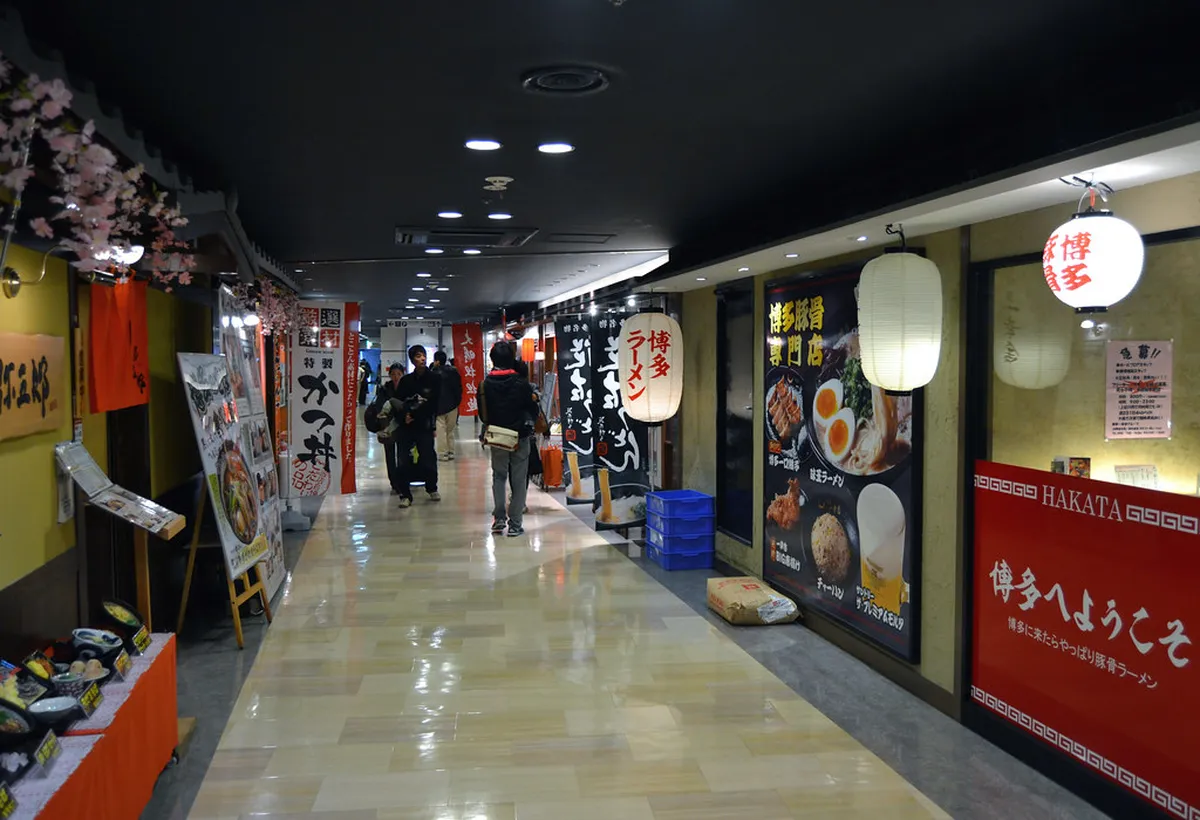
Fukuoka sits at Japan's closest point to the Korean peninsula, and that geographic proximity has shaped its cuisine for centuries. Hakata was one of Japan's main ports for continental trade, and Korean culinary ideas flowed through it long before the post-war adaptation of roe. The historical roots of mentaiko trace back to Korean preparations that Japanese merchants refined into the distinctive umami-forward profile you taste today. Today, the city produces more mentaiko than any other prefecture, and it is so embedded in local identity that you find it in the 12 Best Restaurants and Food Experiences in Fukuoka (2026) regardless of cuisine type — Japanese, French, even pizza.
The preparation has been refined into a craft. Premium producers marinate fresh lobes for three to seven days, rotating the mixture of chili flakes, sake lees, and konbu extract daily. Each brand guards its spice blend, konbu variety, and curing duration as proprietary. Fukuya uses a milder, sweeter base. Yamaya leans toward heat. Mentaiko Murata tilts umami-forward with more konbu. These distinctions matter when you are choosing a gift box.
The industry is remarkably concentrated around Hakata Ward. Most flagship shops are within a ten-minute walk of Hakata Station, making it practical to compare brands side by side before committing. The station's shopping floor alone stocks over thirty brands, though seasoned buyers narrow quickly to four or five trusted names.
5 Unique Mentaiko Dishes You Must Try
Most first-timers default to mentaiko on rice, which is fine but barely scratches the surface. These five preparations represent the real range of what Fukuoka's cooks do with spicy roe, and each is worth seeking out specifically.
- Mentaiko-nikomi tsukemen — a dipping ramen where the concentrate noodle broth is spiked with roe. Ganso Hakata Mentaiju on Watanabe-dori serves this daily from 07:00 to 22:30 (¥1,200–¥1,600). The spice blooms in the hot broth without overwhelming the pork base.
- Mentaiko tamagoyaki — a thick rolled omelette stuffed with roe, sold at Yanagibashi Rengo Market stalls from around 08:00. The egg tempers the heat and the result is one of the best breakfast bites in the city (¥300–¥500 per portion).
- Mentaiko pasta — a Japanese-Italian fusion that Fukuoka has fully claimed as its own. Butter, fresh cream, shredded nori, and a full lobe of roe tossed through spaghetti. Mentai Kitchen near Ohori Park does a reliable version (¥900–¥1,400).
- Mentaiko bread — a split baguette or shokupan loaf toasted and loaded with mentaiko butter. Bakeries throughout Tenjin sell these from morning; the Fukuya flagship on Nakasu also sells mentaiko butter in jars if you want to replicate it at home (¥540 for 80g).
- Mentaiko-topped tonkotsu ramen — the city's two signature foods combined. Hakata Issou in Nakasu and several yatai stalls along Nagahama offer bowls where a raw lobe sits atop the rich pork broth and slowly dissolves into the soup as you eat (¥900–¥1,400 per bowl).
If you have time for only one dish, choose the mentaiko tamagoyaki at Yanagibashi early in the morning. It is inexpensive, consumed fresh off the griddle, and shows the ingredient's subtlety without the distraction of heavy sauces.
Top Mentaiko Spots: Best Restaurants and Yatai
The following spots represent the current best of Fukuoka's mentaiko scene, covering sit-down restaurants, specialty shops, and the city's famous yatai street stalls. Hakata Ward is the densest cluster; Tenjin is slightly more relaxed. Most are open daily; always verify hours on arrival as short-term closures during holidays are common. Fukuoka city's official site maintains up-to-date venue information and dining guides.
- Ganso Hakata Mentaiju (Chuo-ku, near Tenjin) — Japan's first restaurant dedicated entirely to mentaiko dishes. Open 07:00–22:30 daily. Budget ¥1,400–¥3,500 per person. The nikomi tsukemen and the roe-topped rice set are the menu anchors.
- Aji no Mentaiko Fukuya (2 Chome-6-10 Nakasu) — the original 1949 brand, open Mon–Fri 12:00–21:00 (closed weekends at the flagship; station branches open daily 09:00–21:00). Tasting samples are provided. The "tubu" squeeze tube version is the most practical souvenir for travelers — no need for special cold storage for short trips.
- Hakata Issou (Nakasu) — frequently cited as Fukuoka's best tonkotsu ramen shop. Open 11:00–00:00 daily; expect a queue at lunch and dinner. A bowl with mentaiko topping costs around ¥1,200. Check current wait times via Hakata Issou on TripAdvisor before going.
- Hakata Genki Ippai (Hakata Ward, Shimogofukumachi) — a no-sign, hyper-local ramen shop that signals its opening with a blue bucket hung outside. If the bucket is there, walk in. Open Mon–Fri 11:00–20:00, Sat–Sun 11:00–20:00. The mentaiko rice side (¥200) pairs perfectly with their tonkotsu bowl. See Hakata Genki Ippai for current reviews.
- Yatai stalls on Nagahama and Nakasu — open roughly 18:00–02:00, weather permitting. Around 150 yatai operate in Fukuoka, more than anywhere else in Japan. Most serve tonkotsu ramen and grilled items; several along Nagahama seafront offer mentaiko-topped bowls. Sit at the counter, order a bowl and a glass of Kyushu shochu, and do not ask for WiFi — yatai are cash-only and the experience is deliberately stripped down.
- Hakata Station Ming Market — the most practical comparison hub. Open 09:00–21:00 daily. Dozens of brands side by side, free samples at most counters, and staff accustomed to English and Chinese-speaking visitors. Best for gift sets in the ¥1,500–¥4,000 range.
- Yamaguchi Aburaya Fukutaro (Tenjin) — famous for Menbei, the mentaiko-flavored rice crackers that travel best of any roe product. Crackers are shelf-stable, sealed in airtight packets, and widely accepted by customs officers as a processed snack rather than raw seafood. Open 10:00–20:00 daily.
- Kushida Shrine neighborhood stalls — traditional street-food stalls selling mentaiko-filled manju buns and grilled skewers (¥300–¥700). Most active 10:00–17:00. Worth combining with a walk to the must-visit Fukuoka temples nearby.
- Yanagibashi Rengo Market (Hakata Ward) — a covered morning market where local chefs shop. Several stalls sell fresh mentaiko lobes individually by weight, significantly cheaper than packaged gift versions. Open from around 07:00; most vendors close by noon. This is where to go if you have kitchen access.
- Yanagawa river cruise lunch — a half-day trip outside the city. Traditional restaurants in Yanagawa pair steamed unaju eel with a mentaiko side. Full courses run ¥2,800–¥5,500. Combine with the punt-boat canal experience. Learn how to book a Yanagawa river cruise before traveling.
Understanding Mentaiko Grades: What Shops Don't Always Explain
Every mentaiko producer grades their roe by the physical condition of the roe sac — the thin membrane that holds the eggs together. Grade A means the sac is fully intact: a smooth, unbroken lobe that presents beautifully on a plate. Grade B has minor surface tears but the eggs are still clustered together. Grade C, often sold as "barachiri" (ばらちり), is fully broken roe — loose eggs that have separated from the membrane entirely.
Barachiri is not inferior in flavor. In many cases the actual egg quality is identical to grade A — only the sac broke during processing or transport. Producers sell it at 30–50% less than intact lobes. For cooking (pasta, omelettes, bread spreads, soup toppings) barachiri works better than whole lobes because it mixes evenly. For gift giving or a formal roe-and-rice presentation, you want intact lobes.
Most Hakata Station shops display grades on shelf labels or will explain them if you ask. At Fukuya, look for the "kire" category on the signage — that indicates intact lobes. At Yamaya, ask staff for "hara" cuts if you want broken roe at a discount. Knowing this before you walk in means you will not overpay for a gift set when barachiri would serve you just as well, or accidentally buy broken roe for a formal presentation.
One more detail: the spice level printed on packaging is set by each producer independently. Fukuya's "medium" and Yamaya's "medium" are not calibrated to the same scale. When comparing brands at the station market, ask for a sample of each brand's medium before committing. Most counters offer this without being asked, but you have to pick up the small sample cup — they will not push it on you.
Fukuoka Mentaiko Brands Compared: Fukuya, Yamaya, Murata, and Kanesho
Hakata Station's basement market stocks over thirty mentaiko brands, but four dominate the conversation among serious buyers. Understanding what each does differently saves you from spending ¥3,000 on a gift set that turns out to be the wrong match for your recipient's palate.
Fukuya (ふくや) is the original. Founded in 1949 by Toshio Kawahara, who adapted the Korean myeongnan-jeot recipe for Japanese tastes, it remains the benchmark. The flavor profile is mild-to-medium heat, noticeably sweet from the sake base, and clean on the finish. Fukuya's packaging is conservative — off-white boxes, no flash — and the brand has resisted expanding into cheap retail. The "tubu" squeeze tube (¥540) is practical for travelers. Flagship at 2 Chome-6-10 Nakasu; Mon–Fri 12:00–21:00.
Yamaya (やまや) runs hotter and saltier than Fukuya. It is also significantly cheaper: standard-grade lobes start around ¥800 per 100g versus Fukuya's ¥1,200–¥1,500 entry point. If you want to try mentaiko in quantity without breaking the budget — for cooking or personal eating — Yamaya is the practical choice. It is widely available at station shops and its own standalone stores around Tenjin.
Mentaiko Murata (めんたいこムラタ) is the connoisseur pick. It uses a higher proportion of Hokkaido konbu in the marinade, which pushes umami to the foreground while softening the chili heat. The lobes are sourced selectively; the shop sometimes runs out of Grade A by 14:00. Located near Ohori Park, it is a deliberate destination rather than a station-counter impulse buy. Expect to pay ¥2,000–¥3,500 per 100g for top-grade seasonal stock.
Kanesho (かねしょ) occupies the middle ground. Family-operated, it emphasizes yuzu-seasoned and kelp-layered specialty variants alongside its standard red roe. The yuzu mentaiko — a lighter, citrus-forward version — is frequently sold out by late afternoon at the Hakata Station outlet. If you want something genuinely different to take home, Kanesho's specialty lines are the most distinctive gift option in this price tier (¥1,500–¥2,800 per box).
| Brand | Flavour profile | Price (100g) | Best for | Where to buy |
|---|---|---|---|---|
| Fukuya (ふくや) | Mild-sweet, clean finish | ¥1,200–¥1,500 | Classic gift sets, first-time buyers | Nakasu flagship; Hakata Station |
| Yamaya (やまや) | Hotter, saltier | ¥800+ | Cooking, personal eating, budget | Station shops, standalone stores |
| Mentaiko Murata | Umami-forward, high konbu | ¥2,000–¥3,500 | Connoisseur gifting | Near Ohori Park (destination shop) |
| Kanesho (かねしょ) | Yuzu-citrus or kelp variants | ¥1,500–¥2,800 | Distinctive gift option | Hakata Station outlet |
The Fukuya Mentaiko Museum at Canal City Hakata
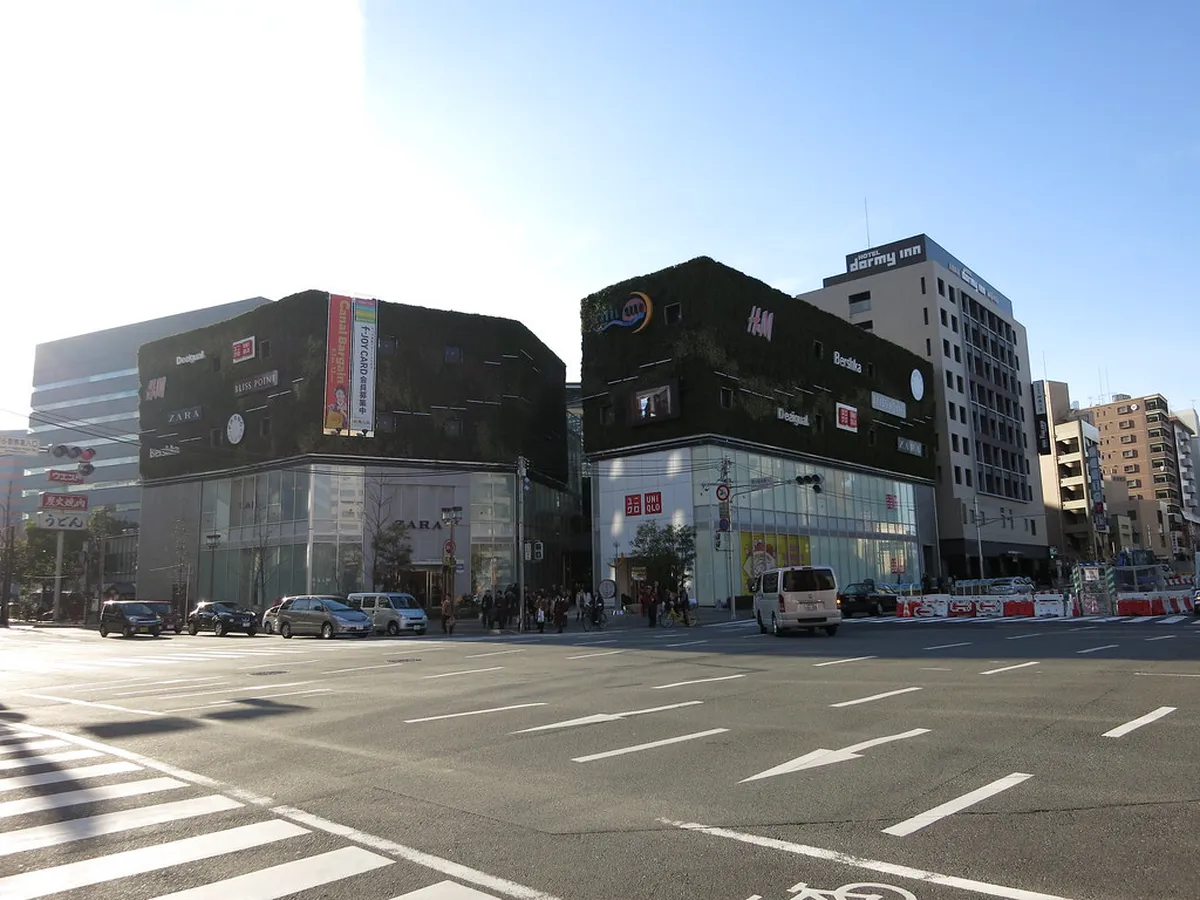
Most mentaiko guides skip the museum entirely, focusing only on shops. That is a mistake for anyone with a genuine interest in the ingredient. The Fukuya Mentaiko Museum (ふくやめんたいミュージアム), located inside Canal City Hakata on Sumiyoshi-dori, is free to enter and provides the clearest explanation available of how mentaiko is actually made — the curing process, the roe-sac grading, and the evolution of the flavor formula from Kawahara's original 1949 recipe.
The museum occupies a compact space on the ground floor of Canal City's South Building. Display panels (in Japanese with partial English translations) walk through the history of Fukuya, the anatomy of Alaska pollock roe, and the role of konbu and sake in the marinade. A short glassed-in preparation area lets you watch staff packaging roe during business hours. Entry is free; no reservation required. Open 10:00–20:00 daily, same hours as the Canal City shopping complex. There is a retail counter inside selling Fukuya products including limited items not available at station branches.
Canal City is a twelve-minute walk from Hakata Station or four stops on the subway from Tenjin-Minami. Build it into the front end of a mentaiko day — museum first, comparison shopping at the station market second, dinner at Mentaiju third — and you cover the full arc of the city's roe culture without doubling back.
Mentai Park Fukuoka: Kanefuku's Free Mentaiko Factory Tour
Kanefuku, one of Japan's most recognized mentaiko brands and a name missing from most Hakata shop-counter comparisons, runs a free visitor attraction called Mentai Park in Itoshima, roughly 40 minutes by car from Hakata Station. Unlike the compact Fukuya museum inside Canal City, Mentai Park is a working production facility with glass-walled viewing corridors overlooking the actual processing line, so visitors watch lobes being sorted, marinated, and packed in real time rather than seeing a static display.
Admission is free, and the attraction's signature draw is a free all-you-can-eat mentaiko onigiri corner — staff hand-roll rice balls and top them with fresh roe on request, no purchase required. It draws families and tour buses, so weekday mornings are noticeably quieter than weekend afternoons.
The attached shop stocks Kanefuku products rarely seen in central Fukuoka, including seasonal spice-level variations and gift tins sized for checked luggage. Because it sits outside the city center, Mentai Park works best as a half-day add-on for travelers already renting a car or heading toward Itoshima's beaches, rather than a stand-alone trip from Hakata.
Worth adding Kanefuku to the brand shortlist alongside Fukuya, Yamaya, Murata, and Kanesho: its marinade sits close to Yamaya on the heat scale but uses a coarser chili flake for a slightly crunchier bite, which is easiest to judge by comparing samples on the same day.
Guided Food Tours Built Around Mentaiko
Fukuoka has a strong food-tour infrastructure that most mentaiko guides ignore entirely. A guided tour is particularly useful for first-time visitors who want to visit yatai stalls without feeling awkward about etiquette, or who want a local to navigate the Hakata Station market's brand maze.
The Hakata Sake and Gastronomic Delicacies Tour pairs mentaiko with Kyushu sake at several local producers. Running roughly three hours in the evening (19:00–22:00), it covers two or three tasting stops and typically includes a mentaiko-based dish at each. This tour is the most practical way to experience the pairing without hunting down the right sake bottles yourself — Kyushu produces rich, full-bodied junmai sake that cuts the roe's salt beautifully, unlike the drier Nada styles from Hyogo.
The Nakasu Food Stall Private Guided Tour takes you through three to four yatai stalls with a local guide who handles the ordering and explains the unspoken rules. At a yatai, you sit wherever there is space, do not switch stools mid-service, and leave promptly when you finish eating — the stall operator controls the pace. Mentaiko-topped ramen is on the menu at several stalls along the Nakasu riverside circuit. Tours typically run 19:00–21:30 and include tastings; budget ¥6,000–¥9,000 per person.
If you prefer self-guided options, the Best Time to Visit Fukuoka, Japan (2026) for food events is October through January, when the autumn roe season peaks and several department stores hold mentaiko fair events with producers from across Kyushu. The Iwataya Mitsukoshi department store in Tenjin typically hosts a dedicated roe fair in November.
How to Buy and Transport Mentaiko Souvenirs
Australia and New Zealand prohibit fish products regardless of processing — do not pack fresh mentaiko if flying there. Menbei rice crackers from Fukutaro clear customs in virtually every country and make the safest all-purpose souvenir for uncertain destinations.
Fresh mentaiko is perishable and needs to stay cold. Most Hakata shops provide vacuum-sealed packaging and will add gel ice packs on request — ask for "horei" packs at the counter. These keep the roe cold for six to eight hours, sufficient for a shinkansen ride to Tokyo or Osaka. For international flights, request dry ice packing, available at most flagship shops for an additional ¥300–¥500.
The airport carries the same brands as the station but at a slight premium and with shorter best-before windows because turnover is lower. If you are buying for yourself rather than as a gift, buy at the station and budget the extra cold-travel time. If convenience matters more, the Fukuoka Airport departures floor has a good selection open until final boarding calls.
A 100g box of premium intact-lobe mentaiko starts at around ¥800 (Yamaya standard grade) and reaches ¥2,500–¥3,500 for top-grade seasonal varieties at Fukuya or Mentaiko Murata. Gift sets of three to five assorted boxes run ¥3,000–¥6,000 at station shops. For budget-conscious buyers, the convenience store brand Mentaiko Hanamaru sells 70g pouches at major FamilyMarts in Hakata Ward for around ¥380 — perfectly acceptable for personal use.
Customs rules vary by destination. Most countries allow vacuum-sealed processed seafood for personal use. Australia and New Zealand are strict about any fish product regardless of processing state — check their biosecurity declarations before packing. The United States generally permits processed, commercially packaged seafood. Menbei crackers from Fukutaro clear customs in virtually every country and are the safest all-purpose souvenir if you are uncertain about your destination's rules. Refer to the fukuoka travel budget and daily costs guide for overall food-shopping budget planning.
Pro Tips for the Ultimate Mentaiko Tasting Experience
Pair mentaiko with Kyushu junmai sake, not beer. The region's full-bodied, slightly sweet sake amplifies the roe's umami without dulling its heat. Sake bars around Nakasu and Tenjin stock local brands like Nishino Seki (Oita) and Iichiko (the shochu version, also excellent). If sake is not your preference, cold barley shochu on the rocks (mugi shochu) is the authentic Hakata pairing — lighter than rice shochu, clean enough not to compete with the roe's complexity. Japan's official travel guide covers regional food pairings and seasonal experiences across Kyushu if you want to expand beyond mentaiko into the broader Fukuoka food scene.
At yatai stalls, do not photograph extensively before eating — it slows the counter and signals inexperience. Order quickly, eat while the food is hot, and engage the stall owner directly if you want recommendations. Most yatai operators near Nakasu have worked the same spot for years and speak enough English to point you toward the night's best option. Tipping is not expected and will cause confusion.
One overlooked seasonal pairing: Amaou strawberries and mentaiko. Fukuoka produces Japan's most prized strawberry variety — large, fully red throughout, intensely sweet — and local cooks have been combining them with roe for years. The sweet acidity of the Amaou cuts the mentaiko's salt in a way that makes both better. Yanagibashi Rengo Market sells fresh Amaou from December through April alongside the morning roe stalls. Buying both and eating them together at one of the market's small standing tables costs under ¥1,000 and is one of the most Fukuoka-specific food experiences available to a visitor in 2026.
One detail that directly affects what you find on shop shelves: Alaska pollock spawning season runs November through March, and Fukuoka's suppliers receive their freshest roe consignments during this window. Premium Grade A lobes — large, intact, deeply marbled — are most plentiful from December through February. If you visit between May and September, you are buying from frozen raw material, which is perfectly acceptable but explains why top-grade lots are thinner on the ground and slightly higher priced at that time of year. Mentaiko producers do not advertise this openly. Shops still sell excellent product year-round; just calibrate expectations if you are visiting in summer and wondering why the "premium seasonal" shelf looks sparse.
Skip generic mentaiko-flavored snacks sold at national convenience chains. The mentaiko mayo sachets and factory crackers from non-Fukuoka brands use artificial coloring and minimal actual roe. Stick to the specialty brands listed in this guide and you will taste the difference immediately in texture, heat balance, and the clean oceanic finish that defines properly cured pollock roe.
Frequently Asked Questions
How long does fresh mentaiko last in the fridge?
Fresh mentaiko typically lasts for 10 to 14 days when stored in a refrigerator. If you cannot eat it within that time, you can freeze it for up to two months. Always check the specific expiration date on the package before consuming.
Is mentaiko very spicy for people who don't like heat?
Most shops offer different spice levels ranging from 'mild' to 'extra spicy.' The standard level provides a gentle warmth rather than intense heat. If you are sensitive to spice, look for the 'non-spicy' or 'mild' versions available at Fukuya.
Can I bring mentaiko through international customs?
Customs rules vary by country, but many allow processed seafood like mentaiko if it is for personal use. However, some countries have strict bans on raw fish products. Always declare your food items at the border to avoid potential fines or confiscation.
Fukuoka's mentaiko scene is a vibrant blend of history, spice, and modern culinary innovation. From the high-end bowls at Mentaiju to the morning market stalls at Yanagibashi, there is something for every budget and schedule. Understanding the grade system, knowing the difference from tarako, and pairing correctly with Kyushu sake will make your 2026 visit to the city's roe scene genuinely rewarding rather than just a box-ticking exercise. Eat well and take the time to ask shop staff for samples — they expect it and enjoy the conversation.
For related Fukuoka deep-dives, see our Hakata tonkotsu ramen tour and Tenjin shopping guide.
Free: The Fukuoka Essentials guide
Top things to do, where to stay, a perfect day plan, getting around, and the best time to go — a Fukuoka mini-guide you can take offline.
You might also like


Continue reading
More guides you'll find useful


