

Hyotan Onsen stands as a legendary destination in the geothermal heart of Kyushu. This facility is the only hot spring in Japan to earn three stars from the Michelin Green Guide. Visitors come here to experience traditional bathing methods that date back to 1922. Our comprehensive hyotan onsen visitor guide will help you navigate every unique corner of this historic site.
Planning a trip to Beppu requires knowing which springs offer the best value and atmosphere. Hyotan provides a rare mix of public baths, private rooms, and therapeutic sand experiences. The site maintains a welcoming atmosphere for international guests, tattooed travelers, and families alike. Understanding the layout before you arrive ensures a relaxing and stress-free soak.
Why Hyotan Onsen is a Beppu Must-Visit
The prestige of Hyotan Onsen comes from its commitment to authentic Japanese bathing culture. It remains a top-tier attraction because it balances historical charm with modern visitor needs. The facility uses a 100% natural hot spring source that is cooled without adding plain water. This process preserves the mineral integrity of the water for maximum skin benefits.
Travelers appreciate the sheer variety of experiences found within a single ticket price. You can move between indoor wooden tubs and sprawling outdoor rock pools at your own pace. The atmosphere feels more like a traditional village than a standard public bathhouse. It serves as an ideal introduction for those new to the hot spring culture of Japan.
The history of the site is visible in the architecture and the bamboo cooling towers. Known as Yumitake, these towers are a signature sight in the Kannawa district. They represent the clever engineering used to manage boiling volcanic water safely. Exploring this heritage adds a layer of appreciation to your physical relaxation.
How to Get There Using the Kamenoi Bus Pass
Reaching the Kannawa district is simple if you start your journey at Beppu Station. Look for the West Exit bus stops to find the Kamenoi Bus lines heading toward the Hells. Route numbers 5, 41, and 43 are the routes to check first for Kannawa. The ride typically takes about 20 to 25 minutes through the scenic city streets.
Purchasing a one-day Kamenoi Bus Pass is a smart financial move if Hyotan is only one stop in a larger Beppu day. The pass costs approximately 900 yen and covers major tourist routes in the area, while a single Beppu Station-to-Kannawa ride is about 330 yen. Buy the pass at the tourist information center inside Beppu Station before you board. It usually pays off when you combine Hyotan with the Hells, Myoban, or a second cross-town bus ride.
Consider stopping by Beppu Park (Google Maps) if you have extra time before your bus arrives. The park offers a peaceful green space just a short walk from the station platforms. Once you reach the Kannawa bus stop, Hyotan Onsen is just a five-minute walk away. Follow the rising steam clouds and check the return timetable before you soak, especially if you are visiting late at night.
Navigating the Baths: From Sand to Steam
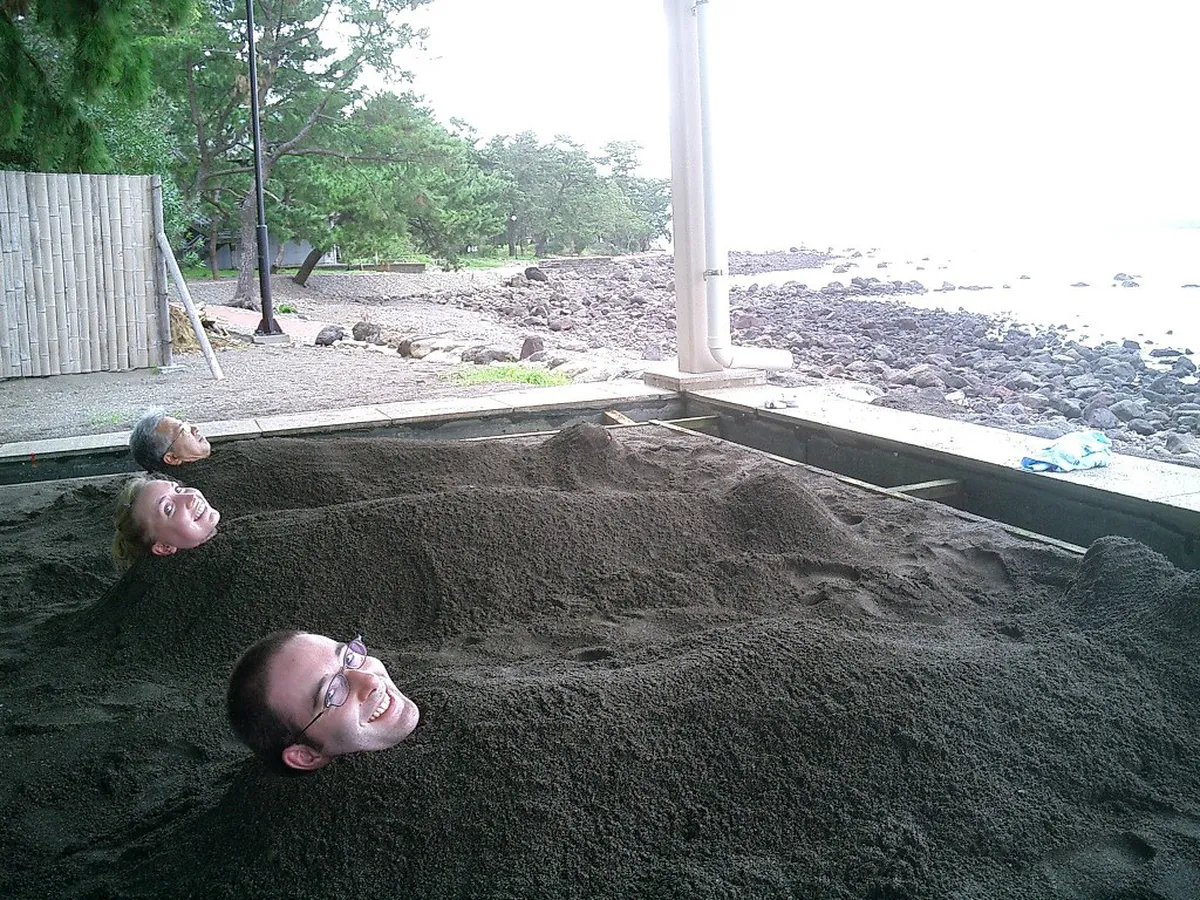
The sand bath is a highlight of any visit to this Michelin-starred facility. Unlike some other Beppu sand baths, the sand bath here is a self-service experience. You change into a provided yukata, lie down in the warm sand area, and use the small shovel to cover your legs and torso. Keep the sand light over your chest, leave your head clear, and step out after about 10 to 15 minutes if you feel too hot.
First-timers should shower after the sand bath before entering the shared pools. Bring only the towel and locker key you need into the bathing area, because the sand zone and wet bath floors are not convenient for loose belongings. The heat feels gentle at first, then builds quickly under the weight of the sand. Drink water before and after the session to avoid feeling lightheaded.
The Takiyu waterfall bath is another signature feature you should not miss. Nineteen streams of water fall from a height of several meters to massage your shoulders. This area is located within the Kannawa Onsen zone of the city. Adjust your position under the streams to target specific muscle tension or back pain.
Steam baths offer a different way to enjoy the geothermal power of the region. These rooms use natural volcanic vapor to create a high-humidity environment. The steam is excellent for warming the body before a slower soak. Take short breaks between the steam room, washing area, and cooler rest spaces for the best results.
| Bath type | Best for | First-timer tip |
|---|---|---|
| Indoor baths | Classic onsen soaking | Wash first, then test the temperature slowly. |
| Outdoor rotenburo | Relaxing in open air | Use it after the hotter indoor pools if you need a breather. |
| Sand bath | Deep body heat | Wear the provided yukata and keep the session short. |
| Steam bath | Humidity and gentle warming | Leave immediately if you feel dizzy or overheated. |
| Takiyu waterfall bath | Shoulder and back massage | Shift your stance until the water hits the right spot. |
Hyotan Onsen Entrance Fees and Bathing Course Options
Hyotan Onsen keeps its pricing simple compared with many Beppu facilities, though a couple of experiences carry a small charge on top of general admission. As of 2026, standard entry runs approximately 700 yen for adults and 300 yen for elementary-school children, and this base ticket covers the indoor wooden tubs, the outdoor rotenburo, the steam rooms, and the Takiyu waterfall bath.
Good to know: the sand bath is priced separately, at roughly 980 yen including yukata rental, since staff prepare a fresh sand pit and supervise each session individually. Towel rental for the main baths costs a small extra fee if you arrive without your own, so bringing a travel towel from your ryokan can save a few hundred yen over a multi-stop Beppu day.
Hyotan also runs a private family bath (kazokuburo) for travelers who prefer to skip the shared pools. A standard course is about 40 minutes for roughly 2,500 yen per room, and a longer relaxation course is available for groups who want extra time to unwind after the sand bath — useful if you are visiting with young children or relatives who move slowly between areas. Reservations for the private rooms are handled at the front counter on arrival and fill up fast on weekend afternoons, so ask about availability as soon as you check in rather than after your soak.
Eating at Hyotan: The Jigoku Mushi Experience
Jigoku Mushi, or hell-steaming, is the traditional way to cook food in Beppu. The restaurant on-site allows you to use actual geothermal steam to prepare your meal. You can purchase baskets of fresh vegetables, eggs, and seafood at the counter. Place your basket into the steaming pots and wait for the natural heat to work.
Cooking times vary depending on the ingredients you choose for your lunch. Eggs usually take about seven minutes, while dense vegetables may need fifteen. The staff provides timers to ensure your food is cooked to perfection. This method preserves the nutrients and adds a subtle mineral flavor to the dishes.
Dining outdoors near the steam pots adds to the authentic atmosphere of the visit. The prices are reasonable, with most sets costing between 1,000 and 2,000 yen. It is a fun, interactive way to experience the local culinary heritage. Be sure to try the steamed pudding for a sweet finish to your geothermal meal.
Essential Visitor Etiquette and Tattoo Policy
Hyotan Onsen is famous for being one of the most tattoo-friendly spots in Japan. Visitors with ink are welcome in the public baths without needing to use covers. This inclusive policy makes it a top choice for international travelers visiting Kyushu. Always check for any updated signage at the entrance regarding specific sizes or types.
Always wash thoroughly at the shower stations before entering any pool. Never dip your towel into the bathwater, and keep long hair tied up — this etiquette applies even at tattoo-friendly facilities like Hyotan.
Proper etiquette is still required regardless of the facility's relaxed tattoo rules. You must wash your body thoroughly at the shower stations before entering any pool. Keep your long hair tied up and never dip your towel into the bathwater. Maintaining a quiet and respectful tone helps everyone enjoy the peaceful environment.
Changing into the provided yukata correctly is an important part of the experience. Always wrap the left side over the right side to avoid a cultural faux pas. The staff can assist you if you are unsure about tying the sash properly. Wear the yukata for the sand bath and when directed by staff, but do not wear it into the regular shared bathing pools.
The most common mistake is treating the Hells and the onsen as the same activity. The Hells are sightseeing pools for viewing only, while Hyotan is where you actually bathe. Another mistake is over-scheduling Kannawa and rushing the bath sequence. Give yourself time to cool down, drink water, and rest between hot areas.
Planning Your Day: Timing and Duration
Hyotan Onsen is open until 1:00 AM — one of the few Beppu onsen open past midnight. Last entry is 24:00, making it a rare option for a late-night soak after dinner.
The best time to visit Hyotan is usually during the early morning hours. Arriving right when they open at 9:00 AM allows you to avoid the afternoon crowds. The facility stays open until 1:00 AM, making it a great late-night stop. Evening visits offer a beautiful atmosphere as the steam rises under the soft lights.
Most visitors find that two to three hours is sufficient for a full experience. This gives you enough time to try the sand bath, waterfall, and main pools. If you plan to eat a full meal, add an extra hour to your schedule. Weekends can be very busy, so try to visit on a weekday if possible.
Consider your overall Beppu itinerary when deciding how many days to stay. A one-day trip is enough for the Hells and a single long soak at Hyotan. A two-day stay allows for more relaxation, a trip to Takasakiyama Monkey Park, and a family add-on such as Rakutenchi or African Safari. Balance your active sightseeing with dedicated downtime in the hot springs.
| Plan | Best for | Suggested flow |
|---|---|---|
| 1-day Hells + Hyotan blitz | First-time visitors with limited time | Morning Hells, lunch in Kannawa, afternoon Hyotan, bus back to Beppu Station. |
| 2-day relaxed stay | Families and onsen-focused travelers | Day 1 for Kannawa and Hyotan, Day 2 for Myoban, Rakutenchi, Mount Tsurumi, or African Safari. |
- Morning Blitz Plan
- Arrival: 9:00 AM
- Focus: Major Hells
- Lunch: Jigoku Mushi
- End: 2:00 PM
- Relaxed Evening Plan
- Arrival: 6:00 PM
- Focus: Long soak
- Dinner: On-site cafe
- End: 10:00 PM
Beyond the Onsen: Exploring the Kannawa Hells
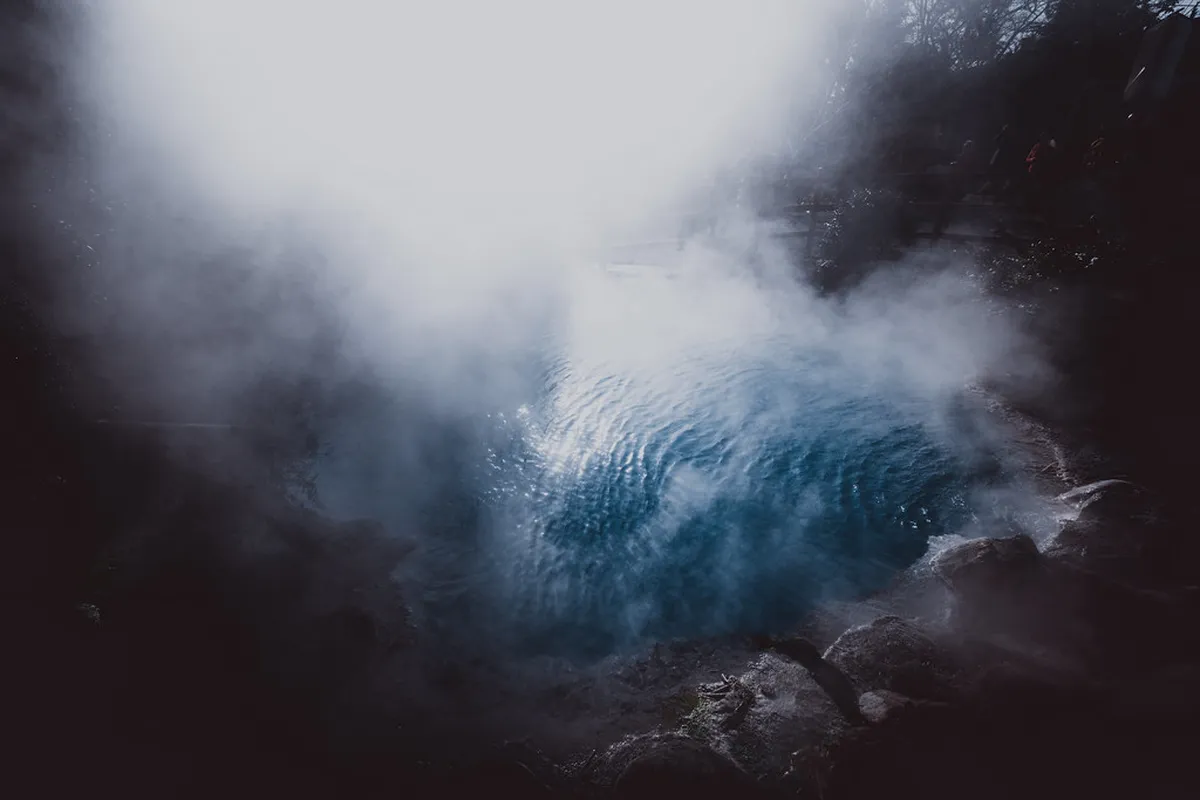
The Kannawa district is home to several of the famous Seven Hells of Beppu. You can easily walk to Umi Jigoku from the Hyotan entrance. This "Sea Hell" features striking cobalt blue water that looks deceptively cool. The surrounding gardens and tropical greenhouses make it a very photogenic stop.
Another nearby attraction is the blood-red pond known as Chinoike Jigoku. The red clay at the bottom gives the water its startling and famous color. It is the oldest natural hell in Japan and offers unique souvenirs made from mud. Use the local bus to reach this specific hell as it sits slightly further away.
Many travelers choose to buy the Beppu Hells Pass for a discounted entry fee. This pass covers all seven hells and is valid for two consecutive days. It is a great way to see the variety of geothermal phenomena in the city. Remember that these pools are for viewing only and are far too hot for bathing.
Where to Stay Near Kannawa if You Want More Onsen Time
If a single visit to Hyotan Onsen turns into a full Kannawa afternoon, staying nearby lets you skip the return bus and fit in a second soak before dinner. Kannawa itself has a cluster of small guesthouses within walking distance of Hyotan, many family-run for generations, while central Beppu near the station offers more restaurants and the JR line onward to Fukuoka or Oita Airport.
Travelers who want to soak in private rather than queue for Hyotan's kazokuburo room can look at a Beppu ryokan with a private onsen, which lets you bathe on your own schedule after the public facilities close for the night. For a broader comparison across price points, from simple business hotels to full-service ryokan, the roundup of the best onsen hotels in Beppu covers options within a short walk or one bus stop of Kannawa.
Two or three nights in the area also make it easier to fit in an early-morning walk between Kannawa's smaller bathhouses the next day, rather than squeezing everything into one long afternoon. Booking directly with smaller Kannawa inns by phone or email often unlocks a better rate than third-party sites, though most now accept online reservations in English as well. If you are traveling during Golden Week or the New Year holidays, reserve at least a month ahead, since Kannawa's room count is small relative to its popularity.
Hyotan Onsen FAQs
Most practical questions for Hyotan come down to route planning, tattoos, bath choice, and how much time to reserve. For the smoothest 2026 visit, arrive with a small towel, enough cash for add-ons, and a loose plan for whether you want to eat before or after bathing. Families or travelers who want more privacy should ask about private bath availability when they arrive, especially on weekends and holidays.
Accessibility varies by area because onsen floors are wet, some zones use steps, and the sand bath requires getting down to floor level. Travelers with limited mobility should contact the facility in advance or consider using a private room where the pace is easier to control. If you are sensitive to heat, skip the sand bath and steam room or keep each session very short.
Bonus Stop: The Beppu Cable Car and Rakutenchi
For a change of pace, head toward the Beppu Cable Car (Google Maps) location. This transit system takes you up the slopes of Mount Tsurumi for incredible views. On a clear day, you can see all the way across the bay to Shikoku island. The seasonal flowers and autumn leaves make the mountain a year-round destination.
Families with children should consider a visit to the Rakutenchi Amusement Park. The park features a vintage cable car and a famous suspension bridge with city views. It offers a mix of small rides, a petting zoo, and even its own hot spring. It is a nostalgic spot that provides a break from the more intense geothermal sightseeing.
Accessing these sites is easy with the same Kamenoi Bus Pass you used earlier. The bus stops for the cable car are well-marked and frequent during peak hours. Combining a morning on the mountain with an afternoon soak is a perfect plan. This route captures the natural beauty and the quirky charm of the Oita region.
Where to Eat Nearby: Okamotoya’s Hell-Steamed Pudding
A short bus ride to the Myoban Onsen area leads you to Okamotoya. This restaurant is world-famous for its Jigoku Mushi Pudding, which is steamed in volcanic vapors. The pudding has a rich, creamy texture with a slightly bitter caramel sauce. It is a must-try dessert that has become a symbol of Beppu's food scene.
The shop also serves savory dishes like udon noodles cooked in the local style. You can enjoy your meal while looking out over the Myoban Bridge and the steam vents. The area is known for its traditional thatched-roof huts used to produce alum. This unique landscape offers a different aesthetic compared to the busier Kannawa district.
Expect a short wait during lunch hours as this spot is very popular with locals. The prices are affordable, making it a great stop for budget-conscious travelers. Grab a few extra puddings to take back to your hotel for a late-night snack. It is the perfect way to conclude your hyotan onsen visitor guide journey.
Hyotan Onsen offers a deep dive into the rich bathing traditions of Kyushu. From the unique sand baths to the therapeutic waterfalls, there is something for everyone. Using this hyotan onsen visitor guide will help you maximize your time in this steam-filled city. Beppu remains a premier destination for those seeking health, relaxation, and culture.
Remember to pack your sense of adventure along with your bathing suit for the private rooms. Respect the local etiquette to ensure a positive experience for yourself and others. The memories of soaking in 2026 will stay with you long after the steam clears. Enjoy your journey through the incredible geothermal wonders of the Oita prefecture.
For more Beppu planning, see our Beppu attractions and Beppu Onsen Pass Guide guides.
Official information & further reading: japan-guide.com reference · Japan National Tourism Organization listing.


