

Chinoike Jigoku stands as one of the most striking geothermal wonders in all of Japan. This vibrant red spring earns its name, which translates directly to Blood Pond Hell. Visitors travel to Beppu specifically to witness this rare natural phenomenon. Our 2026 guide focuses on the practical details that make the visit smooth: tickets, buses, accessibility, nearby hells, and the best order for the day.
The site is part of the famous Jigoku Meguri, or the Hell Circuit tour. Unlike standard hot springs, these pools are meant for viewing rather than bathing. The intense heat and chemical makeup create colors that seem almost otherworldly. Planning ahead matters because Chinoike Jigoku sits away from the main Kannawa cluster in the quieter Shibaseki district.
What Are the Beppu Hells?
The Beppu Hells are a collection of spectacular hot springs located in Oita Prefecture. Local people call them jigoku because the boiling water and steam once made the area uninhabitable. Today, these sites are the most popular attractions in Beppu for international tourists. Each hell features a unique color or geological feature that sets it apart.
There are seven official hells covered by the standard combination ticket in 2026. Five are located in the Kannawa district, while two sit in the quieter Shibaseki area. You can view blue water at Sea Hell, red mud at Blood Pond Hell, bubbling mud at Oniishi Bozu Jigoku, cooking-pot steam at Kamado Jigoku, crocodiles at Oniyama Jigoku, milky water at Shiraike Jigoku, and the regular geyser at Tatsumaki Jigoku.
Some older guides refer to Beppu's 8 Hells because Yama Jigoku is still a separate attraction in the area. For ticket planning, treat it as optional: it is not part of the official seven-hell combination ticket. Visitors should also note that these pools are far too hot for human contact. Instead of swimming, you can enjoy the steam, gardens, viewing decks, and cooled foot baths.
Planning Your Visit: Hours, Fees, and the Hells Pass
Most travelers choose the common Hells Pass to see all seven official sites. This combined ticket offers great value for those spending a full day in the city. Individual entry to a single hell is possible if you have limited time. You can purchase these tickets at the entrance of any participating hot spring.
The sites are generally open every day of the year including holidays. Arriving early in the morning helps you avoid the large tour bus crowds. Most visitors find that three to four hours is enough to see everything, but add more time if you plan to eat a steam-cooked meal or wait for the Tatsumaki Jigoku geyser. Keep your ticket stub safe as you will need it for every entrance.
Do you need to visit all seven hells? First-time visitors who like geology, photography, or completion-style sightseeing usually enjoy the full circuit. If you are short on time, pair Chinoike Jigoku with Tatsumaki Jigoku in Shibaseki, then choose one or two Kannawa highlights such as Umi Jigoku and Kamado Jigoku.
You can find out more about Beppu Hells from Planetyze regarding current seasonal events. Some hells host special illuminations or festivals during the busier travel months. Check the official website for any temporary closures before you start your journey. Budgeting for small snacks and souvenirs at each stop is also recommended.
| Ticket option | Cost | Coverage | Best for |
|---|---|---|---|
| Hells Pass (combo) | ¥2,200 | All 7 Hells | Full circuit visitors |
| Individual entry | ¥450 | One Hell only | Short visits |
| Operating hours | — | Daily 08:00–17:00 | Last entry 16:45 |
How to Reach Chinoike Jigoku (Blood Pond Hell)
Reaching the Shibaseki district requires a short bus ride from the main Kannawa area. You should look for Kamenoi Bus numbers 26 or 16 to reach the Blood Pond. These buses run in a loop but only arrive a few times every hour. Checking the return schedule before you enter the site prevents long waits at the quiet bus stops.
If you are starting from Beppu Station, bus number 26 is the most direct option. The ride takes approximately 30 to 40 minutes depending on local traffic. Many visitors prefer to buy a one-day Kamenoi Bus pass for unlimited travel, especially if they are moving between Beppu Station, Kannawa, Shibaseki, and downtown baths. If you only plan a simple out-and-back to Chinoike Jigoku, compare the pass against individual fares before buying.
The Blood Pond Hell is the final stop for many people on the circuit. It sits right next to the Tatsumaki Jigoku geyser for easy walking access. A common mistake is leaving Shibaseki without checking the next geyser time or the next bus time. Taxis are also available if you prefer a faster and more private journey. Expect to pay around 2,000 yen for a taxi from the station area.
The History and Science of the Blood Pond
Chinoike Jigoku is widely considered the oldest natural hell in all of Japan. Records of this steaming red pool date back more than 1,300 years. The striking color comes from high concentrations of iron oxide and magnesium. Natural chemical reactions create a thick red mud at the bottom of the pond.
Steam rising from the red water creates a dramatic and slightly eerie atmosphere. The temperature remains steady at about 78 degrees Celsius throughout the year. Geologists study this site to understand the unique mineral deposits found here. It is a rare example of a boiling clay pool on such a large scale.
The surrounding cliffs are also stained with red minerals from the rising steam. Photographers love this site because the colors change slightly with the sunlight. You can see deep crimson hues on cloudy days and bright orange in the sun. The contrast with the green forest makes for excellent travel photos.
Must-See Chinoike Attractions
The authentic Chi-no-Ike Nankou ointment — a skin balm made from the red iron-oxide clay — is sold exclusively at the on-site gift shop and makes a unique souvenir you cannot find elsewhere.
The most famous product at this site is the legendary Chinoike Ointment. Locals make this skin remedy using the mineral-rich red mud from the pond. It has been used for centuries as a traditional balm for skin irritation and burns. You can only purchase the authentic version at the gift shop inside the gates.
There is a spacious foot bath located just past the main viewing platform. This ashiyu allows you to soak your feet in the warm, mineral-rich water. It is a perfect way to relax after walking between the different hell sites. Remember to bring a small towel or buy one at the nearby counter.
The souvenir shop here is one of the largest in the entire Hell Circuit. You can find red-themed snacks, bath salts, and unique local handicrafts. Many visitors enjoy the spicy noodles that match the color of the pond. Take a moment to explore the upper viewing deck for a wider perspective, especially if the lower platform is crowded with tour groups.
Exploring the Shibaseki District: Tatsumaki Jigoku and More
The Tatsumaki Jigoku is located only a few steps away from the Blood Pond. This site features a powerful geyser that erupts at regular intervals. The water shoots up every 30 to 40 minutes for several minutes at a time. Staff members usually post the next eruption time near the entrance gate.
Shibaseki is much quieter than the bustling Kannawa district further south. It offers a more peaceful atmosphere with fewer large souvenir shops and crowds. You can find the Shibaseki Onsen nearby if you want a traditional bath. This public bath is very affordable and popular with the local residents.
Walking between the two hells in this district takes less than five minutes. The path is flat and easy to navigate for travelers of all ages. You can easily see both sites within an hour if the geyser timing aligns. Most people visit these two last before heading back to the city center.
The Kannawa District: Completing the Hell Circuit
Most of the hells are clustered in the Kannawa district about three kilometers away. The Umi Jigoku is the most famous stop in this northern cluster. It features beautiful cobalt blue water that looks like a tropical sea. The spacious gardens and greenhouses make it a very pleasant place to walk.
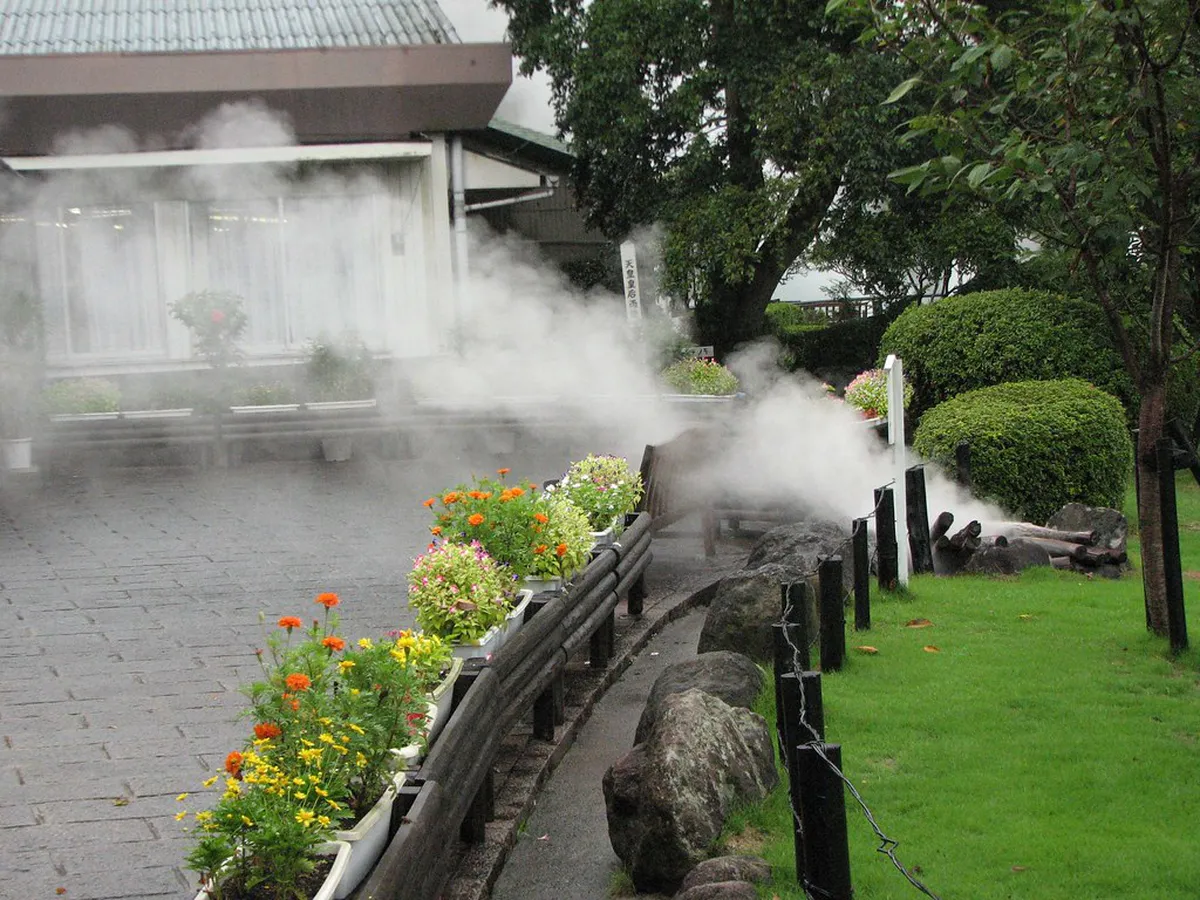
Another highlight is the Kannawa Onsen area with its many steam vents. You can see white clouds of steam rising from the streets and rooftops. This neighborhood is the heart of the geothermal culture in Beppu. Many traditional inns here use the steam to heat their rooms and baths.
Be sure to visit the Shiraike Jigoku to see its milky white water. The Oniishi Bozu Jigoku features bubbling grey mud that looks like shaved heads. Each site offers a completely different visual experience for the visitor. Moving between these five hells is easy on foot within the district.
Hidden Gem: The Beppu Cable Car and Rakutenchi
For the best views of the city, head to the Beppu Cable Car station. This aerial lift takes you to the top of Mount Tsurumi in minutes. You can see the entire bay and the smoking vents of the city below. The temperature at the summit is often much cooler than in the downtown area.
You can find the station easily by using the Beppu Cable Car (Google Maps) link for directions. The mountain is especially beautiful during the spring cherry blossom season. In winter, you might even see rare frost flowers on the trees at the top. Hiking trails are available for those who want to explore the peak further.
Families might also enjoy a visit to Rakutenchi, a vintage amusement park. It features a famous double Ferris wheel and a charming suspension bridge. The park is accessible by its own colorful cable car from the base. It offers a nostalgic atmosphere that is very different from modern theme parks.
Where to Eat: Hell-Steamed Pudding and Local Specialties
Beppu is famous for a unique cooking style called Jigoku Mushi. This method uses natural volcanic steam to cook vegetables, meat, and seafood. The high mineral content in the steam adds a subtle flavor to the food. It is a healthy and fun way to experience the local geothermal power.
You should try the custard pudding steamed in the hot spring vents. This treat is especially popular at the shops near the Umi Jigoku entrance and in the Myoban area. The texture is incredibly smooth with a rich caramel sauce on the bottom. Many visitors consider it the must-eat snack of the entire Hell Circuit.
For a full meal, visit the Hyotan Onsen area for more dining options. They offer traditional Japanese sets and many steam-cooked specialties. Eating near the hot springs completes the sensory experience of the trip. Prices are usually very reasonable for such a unique culinary style.
- Jigoku Mushi Kobo (Steam Workshop)
- Style: Steam your own meal
- Best for: Hands-on fun and groups
- Wait Time: Often 30-60 mins
- Trade-off: More memorable, less efficient
- Okamotoya Shop
- Style: Restaurant-served food
- Best for: Steamed pudding
- Location: Myoban area
- Trade-off: Easier stop, less interactive
- Local Seafood Steaming
- Style: Fresh local catch
- Best for: A fuller meal after sightseeing
- Where: Kannawa district
- Trade-off: Cost varies by dish
Practical Tips for Navigating Beppu’s Geothermal Sites
Chinoike Jigoku is one of the most accessible hells for all travelers. The paths are mostly flat and easy for wheelchairs or strollers to navigate. There are fewer stairs here compared to the steep hills of Kannawa. Accessible restrooms are available near the main entrance for your convenience.
The best time to visit Beppu is during the spring or autumn months. The weather is mild and perfect for walking between the different attractions. Summer can be very humid and the steam makes the air feel even hotter. Winter offers the most dramatic views of the rising steam in the cold air.
What is Beppu really like? It is a working onsen city rather than a polished theme park, so expect normal residential streets, steep pockets of hillside, steam vents beside houses, and bus routes that require timing. That everyday setting is part of the appeal, but it rewards practical planning.
Check Kamenoi Bus 26 or 16 return times before entering — buses to Shibaseki run only a few times per hour and the last service back can be earlier than you expect.
- Check Bus 26 or 16 return times before entering Chinoike Jigoku.
- Visit Tatsumaki Jigoku next door while you are already in Shibaseki.
- Bring a small towel for the foot bath and keep it separate from your camera or documents.
- Wear shoes with grip because wet paving can be slippery around steam and foot baths.
- Avoid touching railings or stones near active vents unless they are clearly part of a visitor path.
Always keep a small bottle of water with you while touring the hells. The heat from the pools can be quite intense even if you are just watching. Wear comfortable walking shoes as you will cover a lot of ground. A small towel is also useful for the many free foot baths you will find.
Frequently Asked Questions
Can you swim in Chinoike Jigoku Blood Pond Hell?
No, you cannot swim in Chinoike Jigoku because the water is boiling hot. The temperature stays around 78 degrees Celsius, which would cause severe burns instantly. These sites are strictly for sightseeing and photography. You can enjoy the heated water safely at the designated foot bath on the grounds.
How much does it cost to see the Beppu Hells?
A combined ticket for all seven official hells costs 2,200 yen for adults. If you only want to see one site, individual entry is 450 yen. Children and students receive discounted rates at the ticket counters. Most travelers find the combined pass offers the best value for a full day of exploring Beppu attractions.
Is the Blood Pond Hell accessible for wheelchairs?
Yes, Chinoike Jigoku is very wheelchair accessible compared to other hells. The viewing area and the souvenir shop are located on flat ground with no major obstacles. The paths are wide and paved, making it easy for strollers as well. Some other hells in the Kannawa area have steeper slopes and more stairs.
How many days do you need for Beppu?
Most visitors find that two days is the perfect amount of time for Beppu. One day is usually dedicated to the Hell Circuit and the local steam cooking. The second day allows time for a visit to Mount Tsurumi or a relaxing soak in a traditional onsen. If you enjoy hiking, you might want to add a third day.
Chinoike Jigoku is a must-see destination for anyone traveling through Kyushu. The combination of natural beauty and ancient history creates a truly unique experience. Whether you come for the photos or the red mud ointment, you will not be disappointed. Plan your trip today to see the incredible Blood Pond Hell for yourself.
Beppu offers a warm welcome with its steaming streets and friendly local culture. The Hell Circuit provides a fascinating look at the power of the earth. Remember to check the bus schedules and bring your appetite for steamed treats. Your adventure in the geothermal heart of Japan awaits in 2026.
For more Beppu planning, read our Beppu itinerary guide.
Official information & further reading: japan-guide.com reference.


