

Tatsumaki Jigoku is Beppu's Spout Hell, a compact geyser site in the Shibaseki district where boiling water erupts on a predictable cycle. It is one of the most active stops on the Jigoku Meguri, the Beppu Hells circuit, and it pairs naturally with neighboring Chinoike Jigoku.
Travelers visiting the Beppu area come here for a different kind of hell: not a colorful pond, but a timed geothermal performance. The visit is simple if you understand the eruption interval, bus stop, and order of nearby sights before you arrive.
This 2026 tatsumaki jigoku visitor guide focuses on practical decisions: how long to budget, when to show up, what to do if you just missed the geyser, and how to avoid mixing up the Kannawa and Shibaseki clusters.
| Quick fact | Visitor note |
|---|---|
| Main feature | Natural geyser in the Shibaseki district of the Beppu Hells |
| Eruption interval | Usually every 30 to 40 minutes, with each eruption lasting about 6 to 10 minutes |
| Best pairing | Chinoike Jigoku, located next door |
| Opening hours | Daily 08:00-17:00 |
What is Tatsumaki Jigoku (Spout Hell)?
Tatsumaki Jigoku is a designated National Scenic Beauty that showcases a rare pressurized geyser within the Oita Prefecture landscape. This site belongs to the Shibaseki cluster of the Beppu Hells, located away from the main Kannawa group where several of the larger pond-style hells sit.
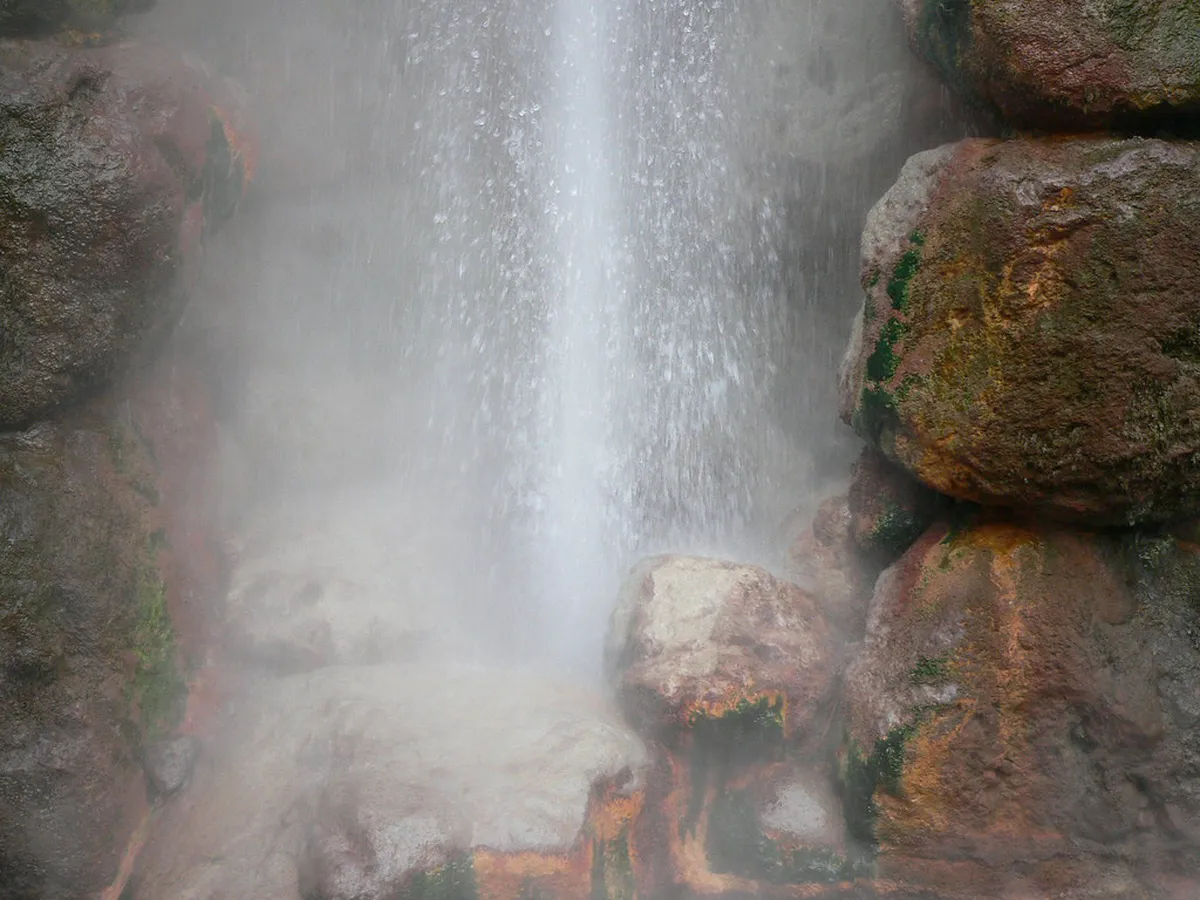
The name translates to Tornado Hell, a fitting description for the forceful column of water and steam that erupts from the rocky ground. The appeal is the short interval: many geysers around the world require long waits, but Tatsumaki usually gives visitors a manageable viewing window.
The Beppu Hells are viewing attractions, not bathing hot springs. Across the circuit, visitors move between mineral ponds, steaming vents, clay pools, and small themed displays; Tatsumaki adds the most obvious sense of motion and pressure.
The surrounding rock formations and greenery create a clean frame for the eruption, while the protected spout area keeps the experience orderly. This site remains a cornerstone of Find out more about Beppu Hells from Planetyze for its scientific and cultural value.
Understanding the Geyser: Eruption Times and Intervals
Check the posted next-eruption time as soon as you enter the site. If the wait is under 10 minutes, go straight to the tiered seating. If it is 25+ minutes, use the time to visit neighboring Chinoike Jigoku first and return before the next cycle.
The most important part of any tatsumaki jigoku visitor guide is timing the water spout. This geyser typically erupts every 30 to 40 minutes, though natural variations can occur depending on the day's geological activity.
Once the eruption begins, the water shoots upward for roughly six to ten minutes before receding back into the earth. A stone roof was built over the geyser to prevent the boiling water from spraying onto the surrounding crowds and buildings.
Check the posted next-eruption estimate as soon as you enter. If the wait is short, go straight to the tiered seating; if it is closer to 30 minutes, use the time for the shop, restrooms, or a quick look at nearby Chinoike Jigoku before returning.
For photos, sit or stand slightly off center rather than directly in front of the stone cap. The eruption lasts long enough to adjust your angle, but the cleanest shots usually come once the steam thickens and the crowd has stopped shifting in the first minute.
How to Get to Tatsumaki Jigoku from Beppu Station
Reaching the Shibaseki district requires a bus ride from central Beppu or a short hop from the Kannawa area. Most travelers use Kamenoi Bus numbers 16 or 16A, which serve the outer hells of the circuit.
- From Beppu Station: ride toward Shibaseki and get off at the Shibaseki stop, a short walk from the entrance.
- From Kannawa Onsen: allow about ten minutes by bus when the connection lines up.
- If you are seeing the central Kannawa hells first, bus routes such as 5, 7, and 9 are useful for that cluster, then you need the Shibaseki connection for Tatsumaki and Chinoike.
The journey from Beppu Station takes approximately 30 minutes and offers scenic views of the coastal city and rising steam vents. Using a Kamenoi Bus Pass - Klook can be cost-effective if you are making several short trips across the city.
Taxis are the easiest fallback if you are late in the day or traveling with luggage, but do not assume the two hell clusters are walkable on a tight schedule. The common mistake is finishing the Kannawa sights, then discovering that Tatsumaki and Chinoike still require another bus leg.
Ticket Information: Single Entry vs. The Hells Pass
Entry to Tatsumaki Jigoku costs 400 yen for a single adult ticket, which is the standard price for most individual hells. This is a good option if you only plan to see one or two specific sites during your afternoon.
Most visitors find much better value in the combined 7 Hells Pass, which costs 2,000 yen and covers all the major attractions. You can easily purchase a 7 Hells Pass - Klook online to skip the lines at the ticket windows.
The pass is valid for two consecutive days, allowing you to split your visit between the Kannawa and Shibaseki districts. This flexibility matters in 2026 because the route is easier when you stop for lunch, a bath, or a bus transfer instead of trying to sprint through every gate.
Children and students receive discounted rates on both individual tickets and the combined pass when showing a valid ID. Keep your physical ticket or digital QR code handy as you will need it for entry at each gate, including the adjacent Blood Pond Hell.
Comparing the Shibaseki Hells: Tatsumaki vs. Chinoike
The Shibaseki district is home to only two of the seven main hells, making it a quieter alternative to the busy Kannawa area. Visiting the Chinoike Jigoku is easy because it sits right next to the geyser entrance.
While Tatsumaki is known for vertical power, Chinoike is famous for deep red water and steaming clay. These two sites provide a strong visual contrast and can both be explored within a single hour if you move with the eruption schedule.
A simple "Shibaseki hour" works well: check Tatsumaki's next eruption time first, watch the spout if it is soon, then walk to Chinoike; if the posted wait is long, reverse the order and come back before the next cycle. This avoids standing around while still protecting the main reason you came.
Many travelers prefer the atmosphere in this district because the crowds are often smaller than those at Umi Jigoku or other central spots. It feels more like a compact edge of the circuit than a full sightseeing zone.
Best Time of Day to Visit for Crowds and Light
Timing your visit for early morning or late afternoon can help you avoid the large tour groups that arrive by bus. Most commercial tours hit the Shibaseki area between 11:00 AM and 2:00 PM, creating the busiest conditions around the tiered viewing area.
The lighting for photography is generally better in the morning when the sun gives the steam more definition. Winter makes the steam look thicker in cool air, while summer gives clearer views of the rock structure but can feel hot around the boiling water.
Arrive at least 45 minutes before closing if Tatsumaki is your final stop of the day. The site closes promptly at 5:00 PM, and showing up too close to the last entry window can mean missing the next full eruption cycle.
For a short Beppu itinerary, visit Tatsumaki only if you can combine it with Chinoike or you specifically want the geyser. If you have just two or three hours total in Beppu, the central Kannawa cluster may be more efficient.
On-Site Amenities: Foot Baths and Gift Shops
The waiting game is a standard part of the experience, but the facility offers several ways to pass the time comfortably. A well-stocked gift shop features local Oita specialties and snacks associated with Beppu's thermal culture.
Browsing the shop is the best move when the next eruption is not imminent, especially in rain or strong sun. Restrooms and vending machines are also near the seating area, so you do not need to leave the facility during a normal wait.
There is also a small foot bath available for visitors who want to sample the local spring atmosphere while they wait. Carrying a small towel keeps this easy, especially if you plan to use foot baths elsewhere on the circuit.
The main viewing space has tiered seating, which helps most visitors get a clear look at the geyser. Wheelchair users and travelers with limited mobility should ask staff for the easiest viewing position because some older paths and slopes around the Shibaseki area can be uneven.
Nearby Hidden Gems in the Shibaseki District
Beyond the two famous hells, the Shibaseki district offers a few quieter stops that many visitors overlook. Shibaseki Onsen is a historic public bathhouse located a short distance from the geyser area and suits travelers who want a local soak after sightseeing.
The appeal here is not a dense restaurant or shopping district; it is the slower atmosphere after the busier Kannawa sights. If your route allows it, use Shibaseki as a reset point rather than treating it as only a quick photo stop.
There are also small hillside roads and green pockets around the area, but do not over-plan them unless you have extra time. The bus frequency and daylight matter more than squeezing in every minor detour.
For most visitors, the best nearby plan is simple: Tatsumaki Jigoku, Chinoike Jigoku, then either return toward Kannawa or continue to a bath depending on your evening schedule.
Essential Visitor Tips for the Beppu Hell Circuit
Participating in the stamp rally is a fun way to track your progress through the different hells in the city. Each location has a unique stamp that you can collect in a small booklet available at the gift shops.
Be sure to stay hydrated, especially if you are visiting during the humid summer months in Japan. The heat from the geothermal vents can make the surrounding air feel much warmer than the actual temperature.
If you have limited time, prioritize the Shibaseki pair and the central Kannawa hells for the most diverse experience. These areas offer the best mix of visual spectacles and historical context for first-time visitors.
What to pack
- Comfortable walking shoes for slopes, bus stops, and stone paths.
- A small towel for foot baths; buying one on-site may cost around 200 yen.
- Water in summer, when steam and humidity make the route feel hotter.
- Your ticket or pass, since you need it at each separate gate.
Common mistakes to avoid
- Do not arrive at Tatsumaki without checking the next eruption time first.
- Do not treat Kannawa and Shibaseki as the same stop; they are separate clusters.
- Do not leave Chinoike for later if you are already next door.
- Do not plan to bathe in the geyser water; Tatsumaki is a viewing-only attraction.
Final Verdict: Is the Spout Hell Worth Visiting?
Tatsumaki Jigoku is worth visiting when you want the full variety of the Beppu Hells rather than only the most colorful ponds. Its rhythmic eruptions provide a sense of anticipation and power that you will not get at the static hot springs.
The viewing area is relatively small, so the stop works best as part of a Shibaseki pair with the nearby Blood Pond Hell. Together, the two attractions make the bus ride feel efficient and give you two very different geothermal scenes in one compact area.
If you are only in town for a few hours, you may choose to stay in the Kannawa district for convenience. With a full day in Beppu, include the Spout Hell so your itinerary covers both the central cluster and the quieter Shibaseki side of the circuit.
Ultimately, Tatsumaki Jigoku remains one of Beppu's clearest demonstrations of geothermal force. Plan around the eruption interval, keep the bus route realistic, and the stop is easy to fit into a 2026 Beppu Hells itinerary.
Frequently Asked Questions
How often does Tatsumaki Jigoku erupt?
The geyser typically erupts every 30 to 40 minutes throughout the day. Each eruption lasts for about 6 to 10 minutes, providing ample time for photos. You can check the next scheduled time at the entrance gate upon your arrival at the site.
Can you visit Tatsumaki Jigoku without the full Hells Pass?
Yes, you can purchase an individual ticket for 400 yen at the entrance. This is a great option if you are short on time and only want to see the geyser. However, the Beppu full pass is better value for most tourists.
Is the Spout Hell accessible by public bus?
Tatsumaki Jigoku is easily accessible using the Kamenoi Bus lines 16 and 16A from Beppu Station. The ride takes about 30 minutes and drops you off at the Shibaseki stop. This stop is conveniently located right next to the entrance of the geyser.
What is the best way to avoid crowds at the geyser?
Arrive early in the morning before 10:00 AM or late in the afternoon after 3:30 PM to avoid tour buses. These times usually offer a more peaceful viewing experience with fewer people on the tiered seating. Midday is typically the busiest time for the Shibaseki district.
Arrive at least 45 minutes before closing (17:00). The geyser erupts every 30–40 minutes, so arriving too close to last entry may mean missing the final full eruption of the day.
Tatsumaki Jigoku remains one of the most impressive natural displays in the entire Oita Prefecture region. Its predictable eruptions and unique geological setting make it a highlight for any visitor to the Beppu Hells.
By following this tatsumaki jigoku visitor guide, you can maximize your time and ensure you don't miss the spectacular water spout. Remember to pair your visit with the nearby red pools for the best experience.
Whether you are interested in science or just looking for a great photo, the Spout Hell will not disappoint. Plan your trip today and witness the incredible power of Japan's most famous geothermal city.
For more Beppu planning, read our Beppu Hells Walking Route guide.
Official information & further reading: japan-guide.com reference.


