Hokkaido Dairy Cheese and Ice Cream Trail: Farms, Costs, and Seasons
Plan a Hokkaido dairy cheese and ice cream trail: farm tours, soft cream tastings, and artisan cheese stops, plus 2026 costs and seasonal timing tips.
On this page
Last updated August 2026, this guide maps Hokkaido dairy cheese and ice cream for travelers planning a farm-focused route. Hokkaido produces over half of Japan's milk on cool-climate pastures, and that base shows up in every scoop and wedge sampled here. Expect route guidance between Tokachi's cheese cellars and Niseko's tasting counters, plus current transport, pricing, and seasonal notes.
Hokkaido Dairy, Cheese, and Ice Cream: What Makes the Milk Different
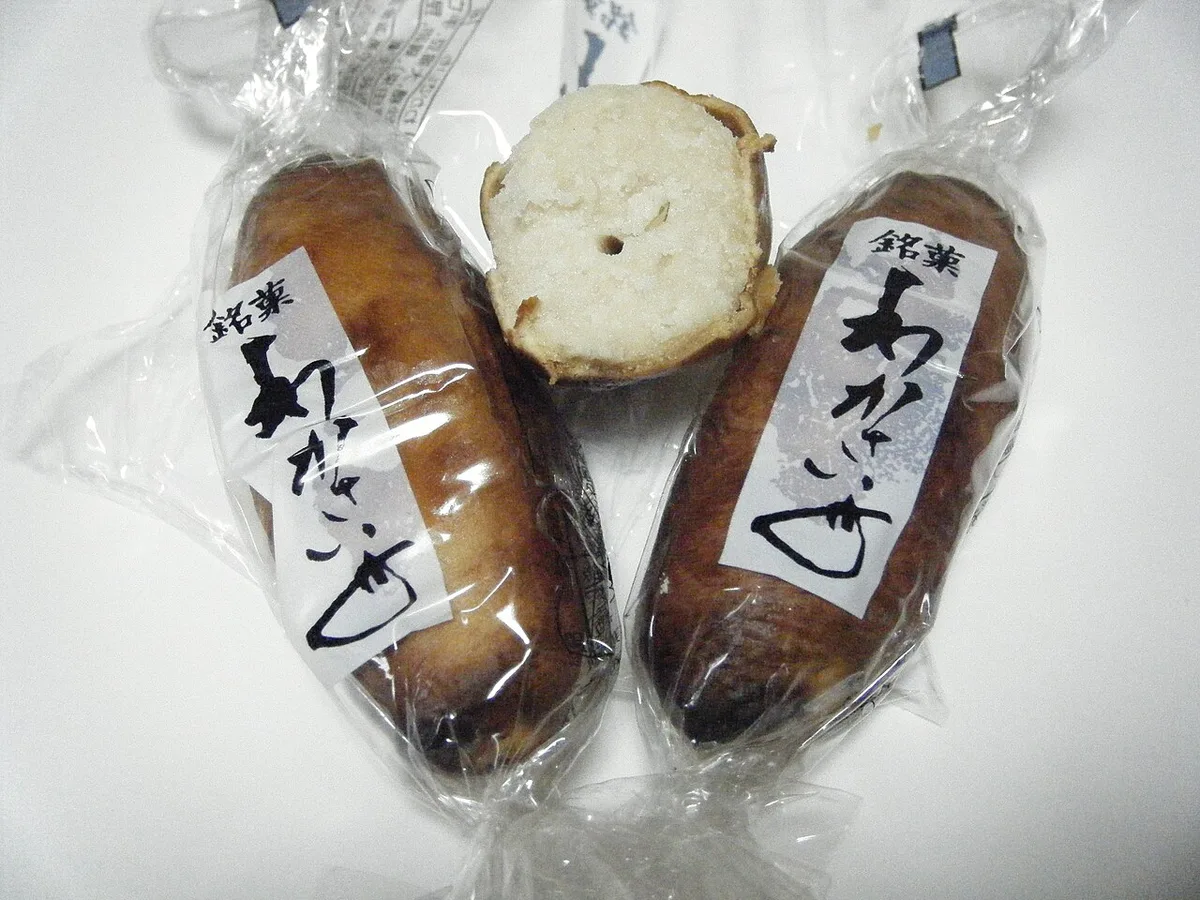
Hokkaido supplies over half of Japan's milk, produced by cows raised on wide, cool-climate pastures across the prefecture. Local farm shops often describe the milk as mild and faintly sweet, closer to vanilla than milk sold in Tokyo supermarkets. That flavor carries into everything made from it. Cheese, butter, soft cream, and farm-stand ice cream all share the same base. Processing distance matters too, since soft cream at farm-run stands is often churned within hours of milking. That short gap keeps the texture smoother and less icy than shop-bought tubs. The 12 Best Hokkaido Foods You Must Try (2026) covers seafood, produce, and other regional specialties alongside dairy, useful context before narrowing in on this trail.
Hokkaido Dairy Trail at a Glance
A few numbers frame the whole trip before the details. Hokkaido supplies over half of Japan's milk, and that scale is why farm-direct tastings are common rather than rare here.
- Milk share: Hokkaido produces over half of Japan's total milk supply
- Soft cream benchmark: many shops position their soft cream at 8% milk fat or higher
- Workshop cost: roughly ¥1,000 to ¥2,500 per person for a 30- to 60-minute session
- Transport: treat the trail as car-first, since several of the Big Four farms sit outside train-served towns
- Season: summer (June to August) is easiest for access; winter milk runs higher in fat and creamier
Soft Cream vs. Gelato: Reading Hokkaido's Ice Cream Map
Most Hokkaido dairy stops sell soft cream, the Japanese term for soft-serve, rather than scooped gelato or artisan ice cream. Many shops position their soft cream at 8% milk fat or higher, a benchmark noticeably richer than standard soft-serve found elsewhere in Japan. That fat content gives Hokkaido soft cream its dense, slow-melt texture instead of the airy, foamy version common at convenience stores. Farm-attached stands typically serve one or two rotating flavors tied to the season, plain milk, and occasionally a seasonal fruit swirl. Scooped or churned ice cream, closer to gelato in texture, shows up more at cheese-focused farms than at roadside stands. Treat soft cream as the everyday trailside treat, and save scooped ice cream for sit-down cheese-farm visits. Look for a thicker set on the cone and a slower melt as a rough quality signal, rather than relying on branding alone. Flavor menus typically rotate with the season, so the exact lineup on any given day depends on what is currently available.
The Big Four Dairy Farms Worth the Detour
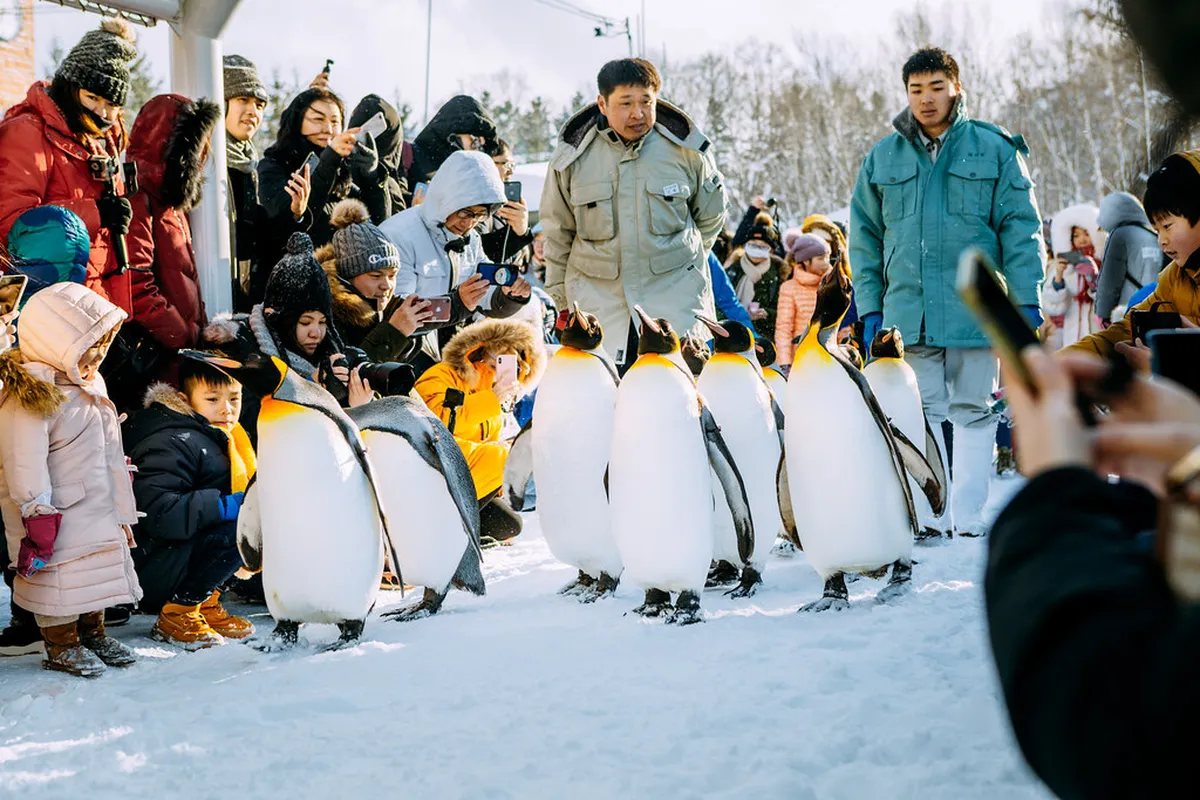
Four farms come up repeatedly in Hokkaido dairy trip planning, each with a different focus. The table below compares what each is known for and how to reach it. Watanabe Experience Farm and Tokachi Shinmura Farm sit well outside train-served town centers, so a rental car is close to essential for either stop. Niseko Takahashi Dairy Farm sits nearer Niseko's resort area, but confirm current shuttle or taxi access before relying on it. Farm tours across the region commonly include a facility walkthrough and a chance to feed the calves. That detail is worth building into a half-day visit. Book any hands-on activity ahead of time. Most farms run workshops by reservation rather than walk-in. Most farms in this category also run an on-site shop selling bottled milk, butter, or soft cream, so even a quick stop without a booked workshop still allows a tasting.
| Farm | Region | Known For | Getting There |
|---|---|---|---|
| Niseko Takahashi Dairy Farm (Milk Kobo) | Niseko area | Make-your-own ice cream workshops, views of Mount Yotei | Car recommended; confirm shuttle or taxi options locally |
| Tokachi Shinmura Farm | Tokachi region | Farm tours and artisan-style cheese | Rental car typically required |
| Watanabe Experience Farm | Hokkaido dairy circuit | Hands-on farm and milking experiences | Rental car typically required |
| Yamakawa Bokujou | Hakodate region | Farm tours and glamping-style stays | Car recommended; confirm shuttle or taxi options locally |
Reading Hokkaido Dairy Labels: Breeds, Cheese Styles, and Pasteurization
A few dairy terms show up across farm menus and cheese labels on this trail. Most Hokkaido herds are Holstein cows, the standard dairy breed across Japan. A smaller number of farms also raise Jersey cows, valued for richer, higher-fat milk. That milk is often earmarked for premium ice cream rather than everyday drinking milk. Artisan cheesemakers in the Tokachi region typically use rennet-set methods, closer to European cheesemaking than mass-market Japanese cheese production. Some age Camembert-style wheels in-house. Nearly all milk sold to visitors is pasteurized, standard practice for retail dairy anywhere in Japan. Furano is a separate dairy-growing area from the Big Four farms above. It is home to a long-running cheese factory that draws its own day-trip crowd. Folding a Furano stop into a wider dairy route is worth considering if the itinerary already passes nearby.
Tokachi or Niseko: Choosing a Cheese or Soft Cream Base
Tokachi and Niseko anchor Hokkaido's dairy trail, but they reward different priorities. This guide groups Tokachi as the region's artisan-cheese cluster, home to aged, European-style wheels and smaller cheesemakers built around slower production. Niseko and neighboring Abuta, by contrast, lean toward high-turnover, tourism-facing soft cream and fresh milk meant for same-day tasting. Travelers chasing cheese tastings, aging cellars, and farm-to-table dining should weight an itinerary toward Tokachi. The Hokkaido farm dining guide pairs well with that leg. Travelers prioritizing soft cream, mountain views, and quicker stops fit better around Niseko. A route that tries both regions in one day is unrealistic given Hokkaido's driving distances. Pick a primary base and treat the other region as a separate trip segment. Splitting a longer Hokkaido trip into a distinct Tokachi leg and a separate Niseko leg, instead of one loop, keeps driving time realistic.
Getting Around the Dairy Trail: Car vs. Public Transport
Most of the farms on this trail sit outside towns served by train, and bus frequency to rural dairy country is limited. A rental car is the most reliable way to string together two or three farms in a single day, particularly around Tokachi and Watanabe Experience Farm. Public transport can work for a single farm near a town center, but expect longer connection times and fewer return options later in the day. Build in extra driving time between stops. Hokkaido's rural roads move slower than distances on a map suggest, especially outside summer. Pick up a rental car from a Hokkaido airport or a major city rather than trying to connect local buses between farm towns. Treat the drive to each farm as part of the day's plan, not a quick hop between stops. For a full day-by-day structure that threads dairy stops into a wider food route, the food road trip itinerary lays out a car-based sequence worth adapting to a dairy-first version.
Hokkaido's premium soft cream standard of 8% milk fat or higher concentrates at farms outside train-served towns, making a rental car essential for experiencing this distinction.
Workshop Costs and Booking Basics
Hands-on experiences, ice-cream-making, butter-making, and short milking sessions, are the main paid activity at most farms on this trail. Prices and booking rules shift season to season, so treat the figures below as a planning baseline rather than a fixed quote. Farms running glamping-style stays, such as Yamakawa Bokujou, typically price accommodation separately from any tasting or workshop fee. Ask about combined tour-and-tasting packages when booking, since some farms bundle a short activity with a tasting instead of pricing each separately. Cancellation and weather policies vary by farm, so ask about them when booking rather than assuming a fixed refund rule. Group bookings and family sessions may have different pricing than the solo per-person range above, so confirm group rates directly.
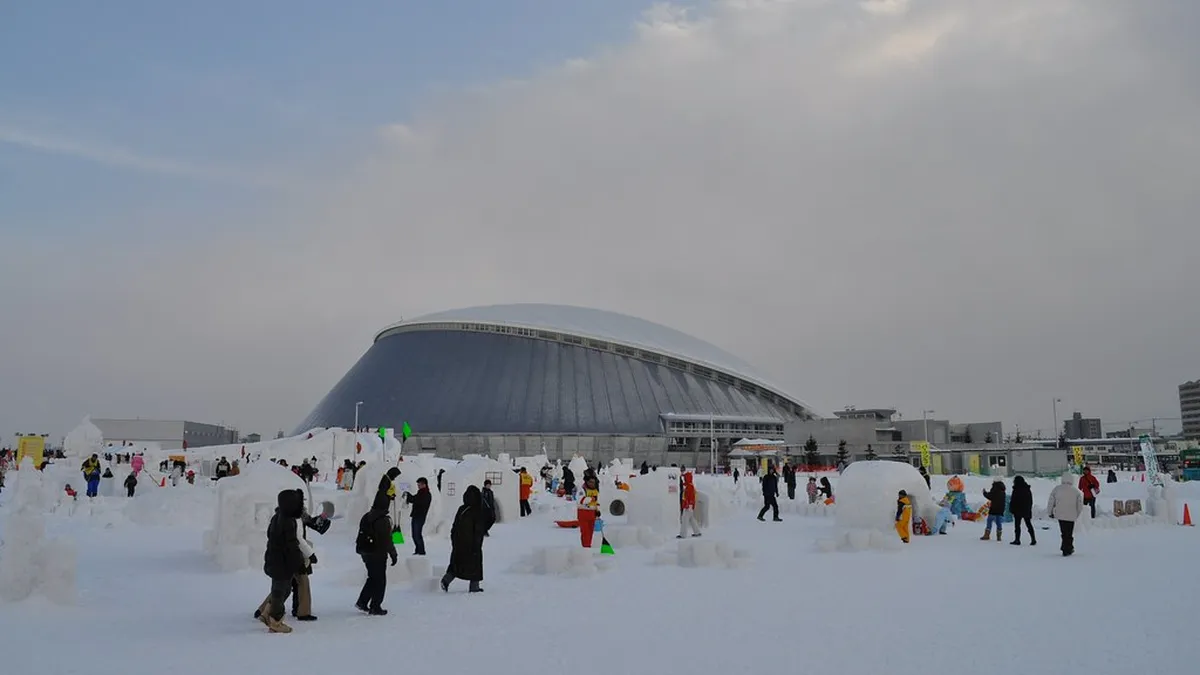
- Typical session length: about 30 to 60 minutes
- Typical cost: roughly ¥1,000 to ¥2,500 per person
- Most workshops require advance reservation rather than walk-in booking
- Confirm current pricing and availability directly with each farm before visiting
Best Season for Hokkaido Dairy: Milk Fat and Flavor by Month
Milk flavor and richness shift with the seasons in Hokkaido. As a general dairy pattern, summer pasture grass produces milk that tastes lighter and grassier. Cows on winter feed produce milk that runs higher in fat and creamier in texture. That seasonal shift is part of why many visitors find winter soft cream and ice cream taste noticeably richer than the summer version. Summer, roughly June through August, is the easiest season for farm visits, with longer daylight and easier road conditions for reaching remote stops. Winter narrows the window. Some Tokachi-region dairy facilities close on Wednesdays or run shorter hours once snow sets in, so confirm hours before building a winter-day itinerary. Spring and fall sit between the two extremes, with moderate crowds and milk that is transitioning between the summer and winter profile. Pairing a dairy stop with the Hokkaido winter cuisine guide works well for a cold-season trip, since both lean on the same seasonal ingredient calendar. Travelers building a longer food-focused trip can cross-check dairy season against the Hokkaido seafood season calendar to line up both trails without wasted driving days.
Packing Cheese and Ice Cream Home: Customs and Cold-Chain Basics
Fresh cheese, butter, and soft cream do not survive multi-day travel without refrigeration. Treat anything perishable as a same-trip treat rather than a souvenir. Vacuum-sealed, shelf-stable cheese sold specifically for travel is the safer souvenir option if space and a cooler bag are available. Dairy products are subject to customs and agricultural import rules that vary by destination country, and those rules change without much notice. Check current customs guidance for your home country before buying dairy to carry internationally. Airport security in Japan also restricts liquids and gels in carry-on bags, which affects some dairy items, so pack dairy purchases in checked luggage when in doubt. Insulated travel bags help for same-day transport between a farm and a hotel, though they do not extend shelf life for more than a few hours. Check connecting flight rules too, since a domestic-to-international connection may add a second round of screening for any dairy in carry-on bags.
Mistakes to Avoid on a Hokkaido Farm Visit
Most of these mistakes come down to timing rather than location. Confirm hours, booking requirements, and transport for each stop before setting out, since dairy farms update seasonal schedules more often than typical tourist attractions. Building slack into the day, rather than a tight back-to-back schedule, also helps absorb Hokkaido's longer-than-expected rural drive times. Combining a dairy stop with a broader look at the region, including nearby 25 Best Things to Do in Hokkaido: The Ultimate Guide (2026), spreads the day across more than farms alone. Cross-check what a farm actually sells before building a day around it, especially if one product is the goal.
- Skipping advance booking: most workshops require reservations, not walk-in sign-up
- Assuming public transport reaches every farm, when several require a rental car
- Visiting Tokachi facilities on a Wednesday without checking hours first
- Underestimating drive times between farms on rural Hokkaido roads
- Buying perishable dairy as a souvenir without a cold-chain plan
- Assuming every farm sells the same products, when some focus on cheese and others on soft cream only
Where to Eat Farm-Fresh Dairy Beyond Ice Cream
Several dairy stops offer fuller meals, making them useful anchors for a farm-focused day. Tokachi Shinmura Farm’s Cream Terrace serves dairy-led café food using the farm’s milk and cream. Its waffles, scones, clotted cream, and milk jam provide a broader tasting than soft cream alone.
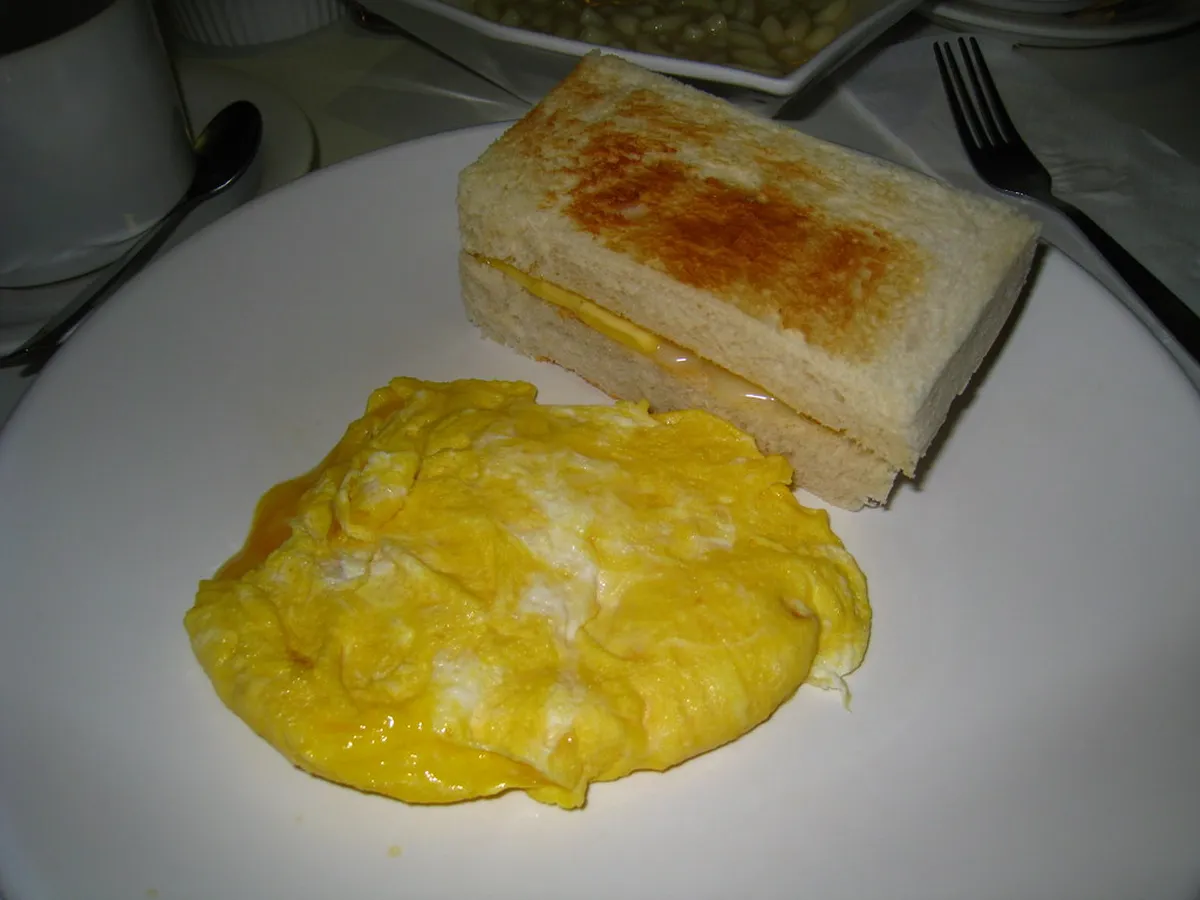
At Niseko Takahashi Dairy Farm, Milk Kobo shares its grounds with several food outlets. Visitors can combine fresh milk sweets with pizza or a sit-down meal near Mount Yotei. This makes the complex practical for families or groups with different appetites.
Furano Cheese Factory also works well around lunchtime. Its neighboring Pizza Factory uses locally produced cheese, while the Ice Milk Factory focuses on frozen dairy desserts. The compact site allows visitors to compare cheese, pizza, and ice cream without driving between separate businesses.
Check restaurant days and last-order times before visiting. Café hours may be shorter than farm-shop hours, especially outside summer. Arrive before the lunch rush when combining a meal with a workshop or factory visit.
Frequently Asked Questions
How much does a Hokkaido dairy farm workshop cost?
Hands-on sessions like ice-cream-making or butter-making typically run about 30 to 60 minutes. Most cost roughly ¥1,000 to ¥2,500 per person. Confirm current pricing directly with each farm, since rates and availability shift by season.
Do you need a rental car to visit Hokkaido's dairy farms?
A rental car is close to essential for farms like Watanabe Experience Farm and Tokachi Shinmura Farm, both well outside train-served towns. Niseko Takahashi Dairy Farm sits closer to Niseko's resort area. Confirm current shuttle or taxi access before relying on public transport for any of these stops.
What is the difference between Tokachi cheese and Niseko soft cream?
Tokachi is generally treated as Hokkaido's artisan-cheese cluster, with aged, European-style wheels and smaller cheesemakers. Niseko and neighboring Abuta lean toward fresh, high-turnover soft cream aimed at same-day tasting rather than aging. Most travelers pick one region as a base rather than combining both in a single day.
When is the best time to visit for Hokkaido dairy and ice cream?
Summer, roughly June through August, offers the easiest road access and longest daylight for reaching remote farms. Winter milk tends to run higher in fat and creamier, which some visitors say gives winter soft cream extra richness. Winter hours run shorter, and some Tokachi facilities close on Wednesdays, so confirm schedules before planning a cold-season route.
Can you bring Hokkaido cheese or ice cream home?
Fresh dairy does not survive multi-day travel without refrigeration, so treat perishable items as a same-trip treat. Vacuum-sealed, shelf-stable cheese made for travel is a safer souvenir option. Customs and agricultural import rules for dairy vary by destination country and change over time, so check current guidance before buying dairy to bring home internationally.
Is Furano part of the main Hokkaido dairy trail?
Furano sits apart from the Big Four farms in this guide, but its cheese factory works as an add-on stop if a route already passes nearby. Treat it as a bonus stop rather than a required one when building a first-time itinerary.
Free guide: Japan's Hidden Gems
12 under-the-radar places beyond Tokyo & Kyoto — with the best season to visit each and a local tip you won't find in the guidebooks.
You might also like


Continue reading
More guides you'll find useful