

Hokkaido Powder Guide 2026-27: Niseko vs. Furano, Passes, and Backcountry Basics
Plan a Hokkaido powder trip with a Niseko vs Furano comparison, 2026-27 pass prices, backcountry gate rules, and the gear you actually need.
On this page
Last updated September 2026, Hokkaido powder earns its reputation from cold Siberian air crossing the Sea of Japan. That air drops fine, low-density snow across the island before it has time to warm up. This guide compares the western Niseko-Rusutsu corridor with the central Furano-Tomamu belt, then covers backcountry access, gear, and pass costs. Every section below includes a real number, not just a description of deep snow.
What Makes Hokkaido Powder So Dry and Light
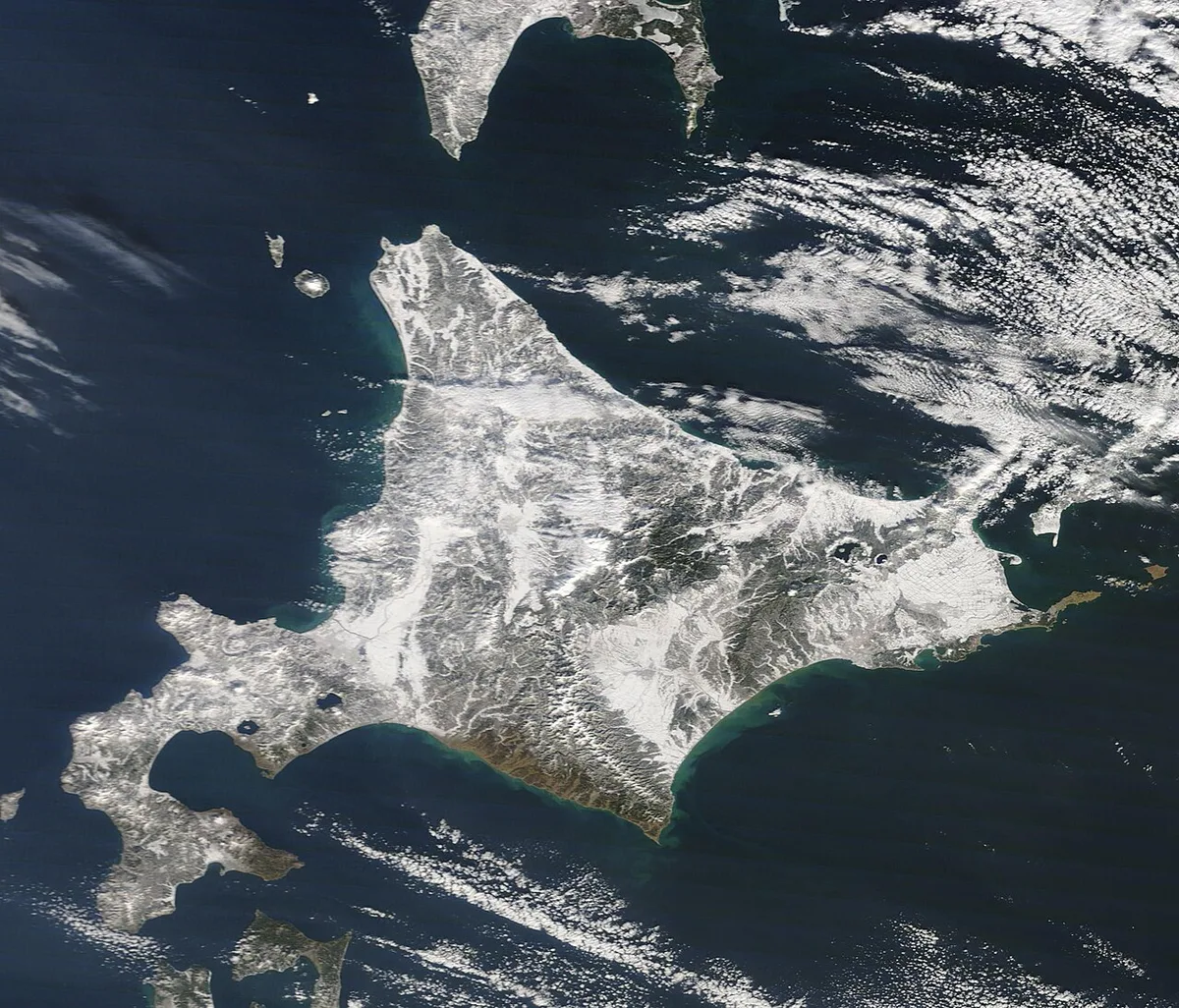
Hokkaido sits directly in the path of cold air masses that form over Siberia each winter. Those systems track southeast across the Sea of Japan, picking up moisture from the relatively warmer water below. By the time clouds reach Hokkaido's coast, the air is cold enough to drop fine, low-density crystals instead of wet flakes. This pattern is often called an arctic maritime climate, and it explains why Hokkaido powder tends to stay light through a storm cycle. The process repeats in waves through the winter, which is why storm cycles here often feel more frequent than a single dramatic dump. The most consistent storm cycles run from mid-January to mid-February, a stretch skiers call Japanuary. Central Hokkaido's Powder Belt can hold temperatures of -20°C to -30°C for days at a time, which keeps snow dry even after it lands. Week-by-week snowfall timing for the west is in the Niseko Snow Season Guide: Best Time to Ski & Ride. A fuller month-by-month breakdown is in the Best Time To Visit Hokkaido: 10 Essential Seasonal Insights guide. General trip planning for the season sits in the Hokkaido in Winter: 10 Essential Experiences and Itinerary Guide guide.
The Western Hub: Niseko, Rusutsu, and Kiroro
Niseko anchors the western hub, and its combined base areas make up the region's largest ski network. Annupuri, Niseko's highest lift-served point, tops out at 4,291 feet, with bootpacks reaching untracked terrain above the lift line. Base-lodge amenities are basic by design, down to vending-machine coffee before the morning bootpack. Ikon Pass and Mountain Collective holders get a limited number of days at Niseko, so check current allocations before counting on free lift access. Trail-by-trail detail for the four connected base areas is in the Niseko Skiing Guide: 9 Essential Tips for Your Trip. Sapporo itself has its own hill, Sapporo Kokusai, on the city's western edge, useful for a half-day session between flights. Rusutsu sits roughly 90 minutes by car from Sapporo, or about 25 minutes from Niseko. Its official winter site lists 18 lifts and 4,200 skiable acres, one of the larger single-resort footprints in the west. Runs, lodging, and the resort's amusement-park base area are covered in the Rusutsu Resort Guide: Skiing, Summer Fun, and Local Logistics. Epic Pass holders get access to Rusutsu, though the number of included days depends on the specific pass tier. Kiroro is close enough to Otaru that guided itineraries often base skiers there for a day trip. Lift layout and terrain notes are in the Kiroro Ski Resort Guide: Hokkaido's Best-Kept Powder Secret. Current conditions are posted on Kiroro Resort's official site. For side-by-side stats on every major resort, the 10 Best Hokkaido Ski Resorts (2026): Niseko, Rusutsu, Furano & More hub is the starting point.
The Central Powder Belt: Furano, Tomamu, and Kamui Ski Links
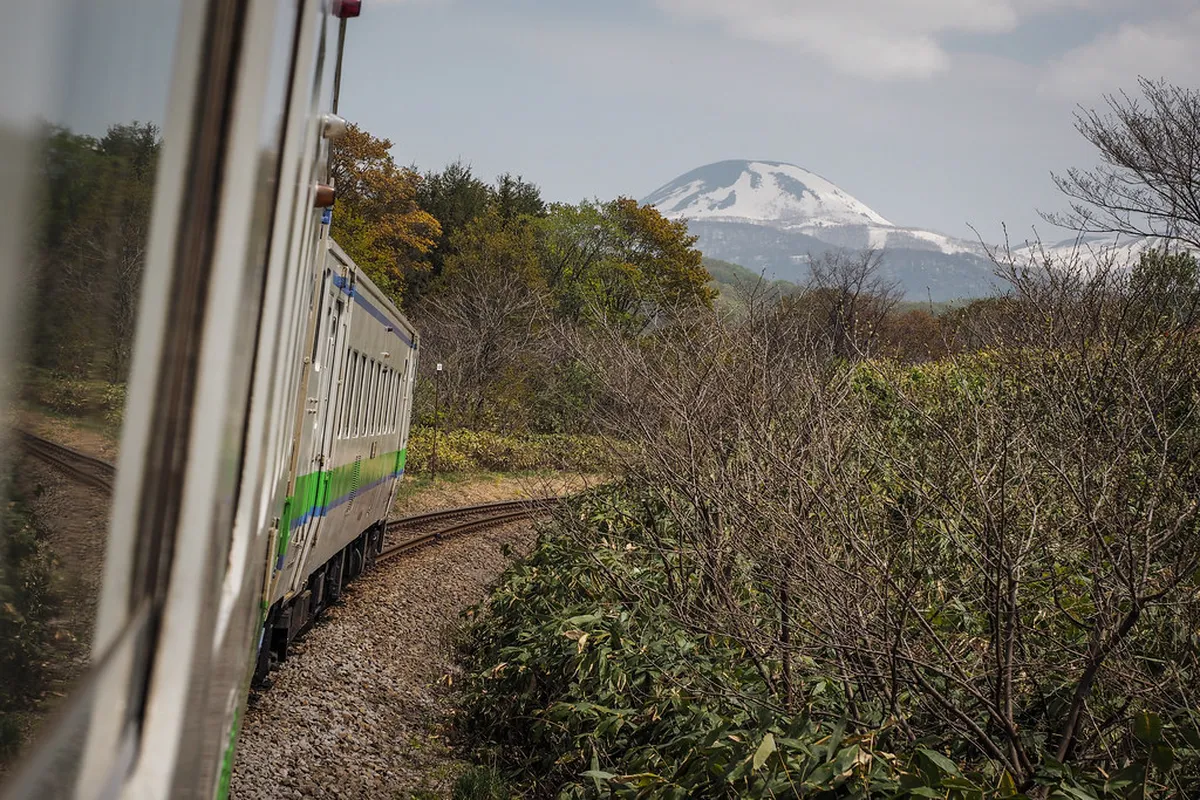
Central Hokkaido's ski areas market themselves as the Hokkaido Powder Belt. The corridor runs roughly 124 miles north to south through the island's interior. Furano, Tomamu, and Kamui Ski Links anchor the belt, with colder, drier snow than the coastal west and noticeably thinner lift lines. Locals call the resulting ice-crystal shimmer diamond dust, and it shows up on the coldest, clearest mornings in the belt. Terrain and season details for the town are on the Furano Ski Resort Guide 2026: Zones, Lift Tickets, and Backcountry Gates. Non-ski activities around town are listed on the 12 Best Things to Do in Furano (2026) page. Full-season planning, including shoulder-season notes, is on Furano in Winter: 9 Essential Things to Know. Broader trip planning for the region comes from the Furano Tourism Association. Tomamu is one of the three resorts covered by the shared multi-resort pass, alongside Furano and Kamui Ski Links. Resort-specific planning is on the Hoshino Resorts Tomamu Guide: RISONARE vs. The Tower & Seasonal Tips. Current snow reports are posted on Hoshino Resorts Tomamu's official site. Kamui Ski Links sits about 30 minutes from Asahikawa and stays untracked longer than the bigger resorts because visitor numbers are lower. The café at the top of Kamui's gondola serves a well-known curry donut, and the base-area ramen shop is a popular lunch stop. There is no lodging at the hill itself, so most skiers base in Asahikawa and commute in.
The powder belt spans 124 miles north to south; a drive from New Chitose to Furano alone takes 2 or more hours.
| Feature | Western Hub (Niseko, Rusutsu, Kiroro) | Central Powder Belt (Furano, Tomamu, Kamui Ski Links) |
|---|---|---|
| Snow character | High-moisture, deep coastal base | Drier, colder "diamond dust" snow |
| Main airport | New Chitose (CTS) | Asahikawa (AKJ) or New Chitose (CTS) |
| Crowd density | Busiest, most international | Quieter, more local |
| Flagship terrain | Niseko United, Rusutsu (18 lifts), Kiroro | Furano, Tomamu, Kamui Ski Links |
Planning an 8-Day Hokkaido Powder Itinerary
A week-plus trip is enough to sample both regions without rushing transit days. From Asahikawa, it is about a 2-hour train ride to New Chitose (CTS) via Sapporo. A direct flight out of Asahikawa Airport (AKJ) is also an option on the final day. Asahikawa Airport's operator reports a 99% service rate in winter, higher than the national average, which lowers the odds of weather-related delays. Live arrivals and ground-transport details are on the New Chitose Airport official site. Full airport-to-resort routing, including bus and private transfer options, is in the How To Get To Hokkaido: The Complete Transportation Guide guide.
- Days 1-3: Fly into New Chitose Airport (CTS) and base in Otaru or Niseko, a roughly 90-minute train ride from the airport via Sapporo Station.
- Days 4-6: Move to the Central Powder Belt, splitting time between Furano and Tomamu, or detouring to Kamui Ski Links near Asahikawa.
- Days 7-8: Tour the Daisetsuzan National Park zone around Tokachidake and Asahidake, then finish in Asahikawa before departure.
Backcountry vs. Sidecountry: Gates, Guides, and Local Knowledge
Sidecountry means terrain reached through a resort gate, skied once, then re-entering the lift network nearby. True backcountry means skinning uphill from a trailhead, with no lift access at all. Lift-accessed backcountry trips ride the lifts first, then tour beyond the boundary from there, which saves uphill time compared with a full skin from a trailhead. Niseko and Furano both use a gate system, so skiers can leave resort boundaries legally, but only at marked exit points. Mt. Yotei, near Niseko, and the Daisetsuzan National Park zone around Tokachidake and Asahidake are the two best-known backcountry areas in the region. Hiring a local guide adds route-finding and avalanche judgment that a first storm cycle in unfamiliar terrain does not forgive. Operators including Hokkaido Powder Guides and Black Diamond Tours run both lift-accessed and multi-day backcountry trips. Published day-guiding rates from Hokkaido Powder Guides start around ¥88,000 per person for a group of two. That drops to roughly ¥34,000 per person once a group reaches six. The per-person rate drop is why backcountry guiding gets cheaper in a larger group.
A guide pair pays ¥88,000 per person for a group of two, while a 5-day multi-resort pass costs ¥40,000.
Gear for Hokkaido Conditions
Hokkaido's snow volume and storm frequency call for specific gear, not generic all-mountain kit. Skimping on lens choice or ski width is the easiest mistake to avoid before the trip even starts.
- Skis or a board with a waist width of at least 110mm, to stay afloat in deep, faceted snow.
- Tech or pin bindings, or a splitboard with enough surface area, for backcountry days that mix skinning and deep turns.
- At least one clear or low-light lens, since flat-light storm days are close to a daily occurrence in peak season.
- Extra base layers and gloves, since near-daily precipitation and high-output touring both leave gear damp by afternoon.
- Avalanche transceiver, shovel, and probe for any day that leaves the resort boundary, even through a marked gate.
Lift Tickets, Multi-Resort Passes, and Getting Around
A multi-resort option called the Hokkaido Powder Pass covers Furano Ski Resort, Hoshino Resorts Tomamu, and Kamui Ski Links on one ticket. As of the 2026-27 season, the 5-day version is priced at ¥40,000. Sales run from July 2026 through March 2027, for use between December 19, 2026, and March 31, 2027. The pass sells through the WAmazing Snow platform and is intended for personal recreational use, not commercial ski-school bookings. A season-long version exists too, though it is capped at 200 units and has sold out in past seasons. Pricing and coverage for every option are in the table below. Renting a car to chase snow between regions requires an International Driving Permit, since Japan does not accept a US license alone. Traffic keeps to the left, and rental cars come fitted with winter tires as standard, which matters on packed, often narrow mountain roads. Hokkaido's official tourism site has current transit maps and seasonal advisories worth checking before departure.
| Pass | Coverage | Price | Notes |
|---|---|---|---|
| Hokkaido Powder Pass (5-day) | Furano, Tomamu, Kamui Ski Links | ¥40,000 | On sale July 2026-March 2027 for 2026-27 season use |
| Season Pass | Furano, Tomamu, Kamui Ski Links | ¥90,000 (19+) / ¥80,000 (18 and under or 60+) | Capped at 200 units; check current availability |
| Epic Pass | Rusutsu | Included days vary by tier | Confirm current allocation before booking |
| Ikon Pass / Mountain Collective | Niseko United | Included days vary by tier | Confirm current allocation before booking |
Après-Ski: Onsens, Convenience-Store Fuel, and Where to Eat
An onsen soak is the standard way to end a powder day. Most ski towns have at least one public bathhouse within a short walk or shuttle ride. Standard onsen etiquette calls for bathing nude in gender-separated areas, with no music, alcohol, or phones at the water's edge. Skiers based in Sapporo can soak at Jozankei Onsen after a day at the local hill. Etiquette and location details are covered in the 10 Best Hokkaido Onsen Resorts to Visit (2026 Guide). Convenience stores such as Seicomart and 7-Eleven sell onigiri rice triangles that make cheap, reliable ski-day fuel compared with resort cafeteria prices. Ramen shops are a reliable dinner option almost everywhere in ski country, and adding an egg is the standard upgrade. Kutchan, the region's main grocery and transit town, tends to have cheaper sushi and ramen than Hirafu, Niseko's central ski village. Non-ski options around the village are on the 10 Amazing Niseko Attractions page. If Sapporo is part of the trip, seasonal events and dining are covered in the Sapporo winter guide (2026) guide. Year-round sights in the city are on the Sapporo attractions page. For non-ski days anywhere on the island, browse the 25 Best Things to Do in Hokkaido: The Ultimate Guide (2026) roundup.
Common Mistakes to Avoid When Planning a Hokkaido Powder Trip
A few planning mistakes show up again and again in trip reports and guide FAQs. Checking transit schedules and smaller resorts before locking in an itinerary avoids most of them.
- Underestimating transit time: the drive from New Chitose Airport to Furano runs 2 or more hours, not a quick hop.
- Booking an outbound flight too early on the last day: guides recommend nothing before 8:00 PM to avoid missing a final morning session.
- Skipping smaller resorts: Moiwa borders Niseko and stays untracked for days after a storm, and skiers can exit its gates straight into Niseko.
- Overlooking Kamui Ski Links: it has no on-site lodging, but its lower visitor numbers mean inbound tree runs stay fresh longer than at bigger resorts.
- Ignoring flat-light days: pack a second, lighter goggle lens, since near-daily storms cut visibility more than most first-time visitors expect.
Airport Transfers and the Last Mile
New Chitose Airport is the practical gateway for Niseko, Rusutsu, Kiroro, and Otaru. It is not an airport-to-lift transfer. Niseko is usually about 2.5 to 3 hours away by scheduled ski bus, private transfer, or rental car, depending on snow and traffic.
Reserve airport buses early for peak January weekends. The final departures can fill, and some services stop at specific Hirafu, Hanazono, or Niseko Village hotels only. A train via Sapporo and Kutchan can work, but it still leaves a local bus or taxi connection to most accommodation.
Asahikawa Airport is more convenient for Kamui Ski Links and the Daisetsuzan area. Furano and Tomamu can also be reached from New Chitose, but transfer days need generous time allowances.
- Carry an International Driving Permit with your home licence if renting.
- Request four-wheel drive and winter tyres for mountain routes.
- Do not plan a same-day resort change around an infrequent evening bus.
A private transfer reduces luggage handling, while a car gives the most flexibility for Kamui, Moiwa, and storm-chasing days.
Frequently Asked Questions
When is the best time to chase Hokkaido powder?
Japanuary, roughly January 15 to February 15, brings the most consistent storm cycles. Late December through early March also delivers reliable snow with smaller crowds.
Do I need an international driving permit to rent a car in Hokkaido?
Yes, an International Driving Permit is required alongside your home license. Traffic runs on the left, and rental cars come fitted with winter tires as standard.
What ski or snowboard width works best for Hokkaido powder?
Aim for a minimum 110mm waist width to stay afloat in deep snow. Backcountry days call for a splitboard or tech-binding setup with enough flotation.
Is Niseko or Furano the better choice for powder?
Niseko has higher moisture, deeper coastal snow, and the most developed lift infrastructure. Furano and the Central Powder Belt run colder and drier, with thinner lift lines and a quieter atmosphere.
How much does a Hokkaido multi-resort lift pass cost?
The 5-day Hokkaido Powder Pass covering Furano, Tomamu, and Kamui Ski Links runs ¥40,000 for the 2026-27 season. A season-long version costs ¥90,000 for adults, capped at 200 units.
What exactly is the Hokkaido Powder Belt?
It is the shared name for linked ski areas in Tomamu, Furano, Kamui Ski Links, and Kurodake in central Hokkaido. The corridor spans roughly 124 miles and shares the multi-resort Hokkaido Powder Pass.
Free guide: Japan's Hidden Gems
12 under-the-radar places beyond Tokyo & Kyoto — with the best season to visit each and a local tip you won't find in the guidebooks.
You might also like


Continue reading
More guides you'll find useful


