

Hakuba Valley Ski Resorts: A Complete Guide to All 10 Mountains
Plan a Hakuba Valley ski trip with this guide to all 10 resorts, the All-Mountain Pass, getting there, and where to stay in 2026.
On this page
Last updated September 2026, this guide covers Hakuba Valley for anyone planning a multi-resort ski trip to Nagano Prefecture. Hakuba Valley links ten ski areas along the Northern Japan Alps, from Happo-One's Olympic runs to Tsugaike's wide beginner slopes. Use it to pick a base village, weigh the All-Mountain Pass against single-resort tickets, and choose a route in.
What Is Hakuba Valley? Ten Resorts, One Olympic Legacy
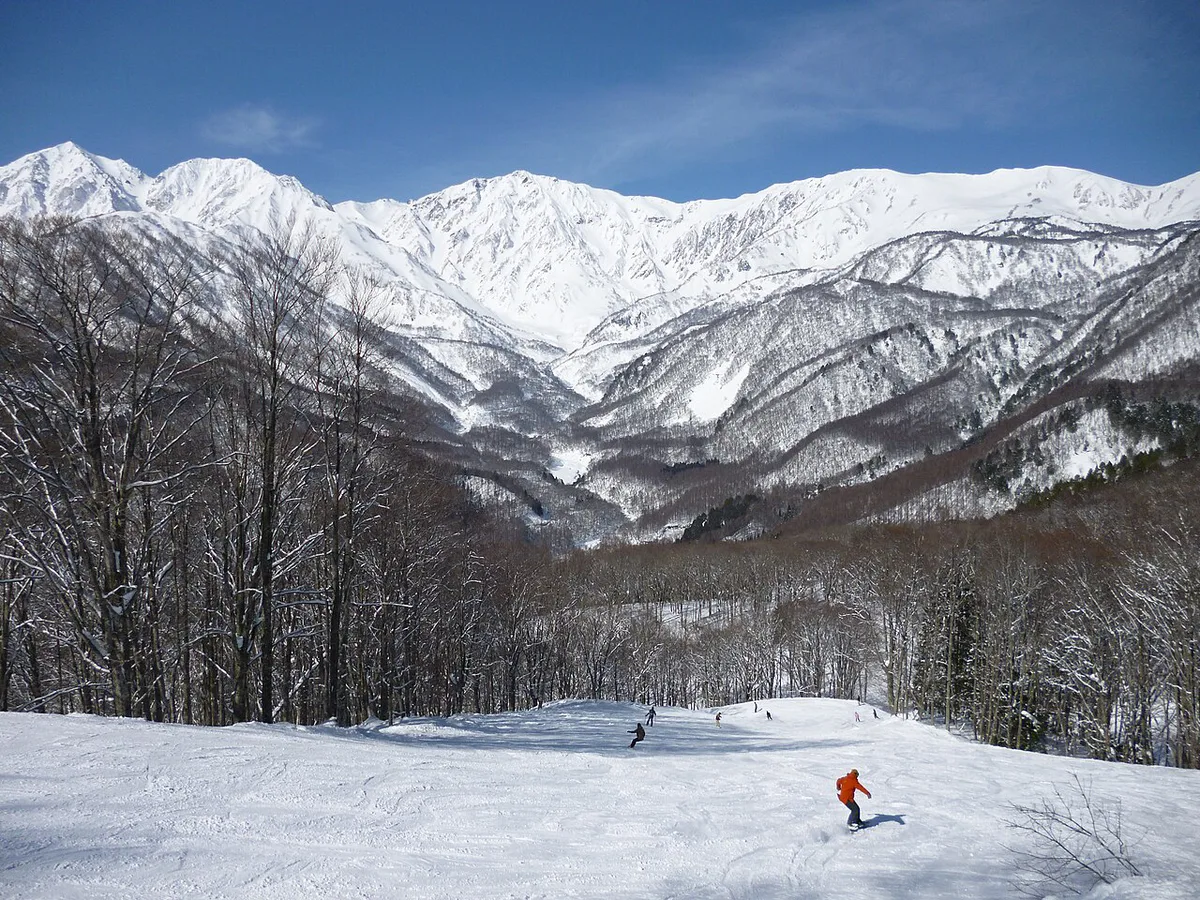
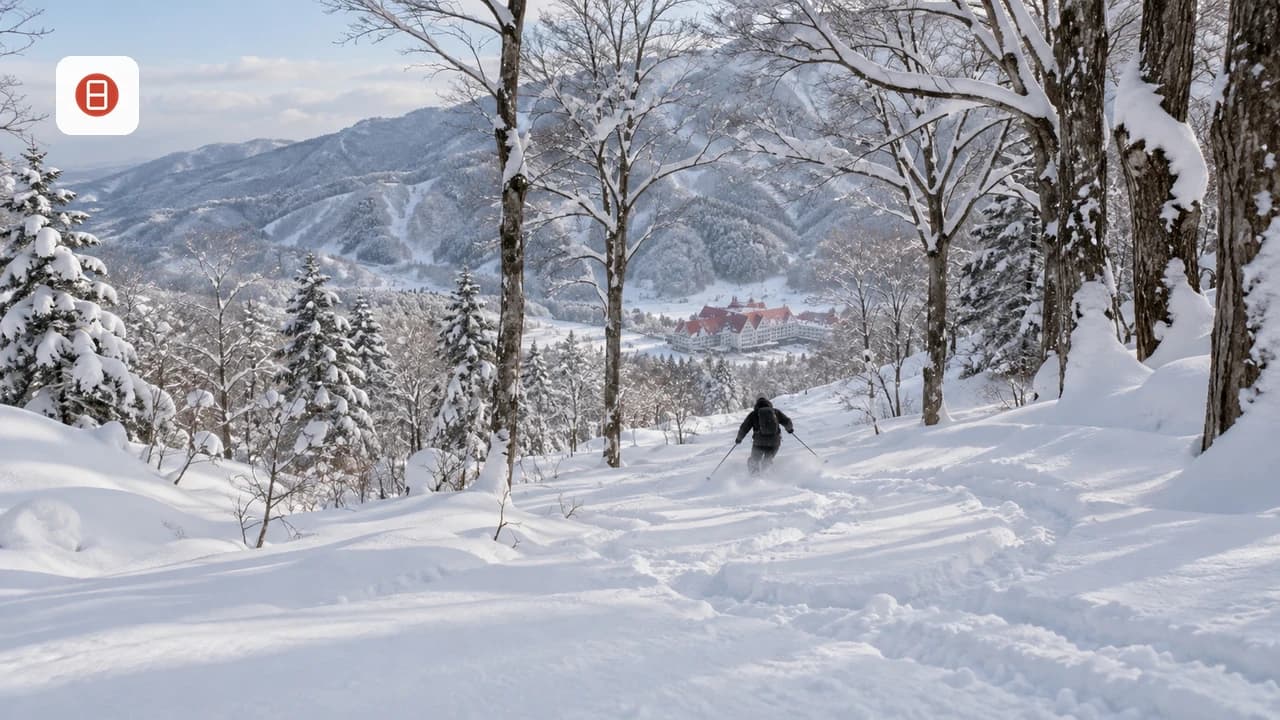
Hakuba Valley sits in northwestern Nagano Prefecture, at the base of the Northern Japan Alps. The official Hakuba Valley site lists ten separate resorts sharing the same valley and lift infrastructure. Peaks here rise past 9,800 feet, and the valley hosted the 1998 Nagano Winter Olympics. That legacy still shows on the mountain, most visibly in Happo-One's Olympic-level runs. Base areas mix modern resort lodges with older village streets across the valley. For a wider view of the mountains around Hakuba, see the Japan Alps attractions guide.
- 10 resorts: Happo-One, Hakuba47, Goryu, Iwatake, Tsugaike, Cortina, Norikura Onsen, Sanosaka, Jigatake, and Kashimayari
- 200+ ski runs and 90+ lifts across the valley
- 11m+ (36+ feet) of average annual snowfall
- Season: early December through March at most resorts, with some slopes open into April
- Host of the 1998 Nagano Winter Olympics
The 10 Hakuba Valley Resorts: Which One Should You Choose?
Three resorts anchor the center of the valley and handle most of the visitor traffic. Happo-One is the largest, with steep alpine bowls above the tree line. Happo-One's official site confirms its terrain includes Olympic-level racing runs. Goryu connects to Hakuba47 at the ridge, and Hakuba47 carries the valley's main terrain park and halfpipe. Cortina and Norikura Onsen sit toward the quieter north end, with steep tree runs and some of the valley's highest snow totals. Cortina allows tree skiing under a progressive policy, part of why it draws serious powder skiers. Tsugaike and Iwatake suit first-timers and families. Tsugaike's base area is unusually wide and flat, and Iwatake adds a gondola-served observation deck with alpine views. Iwatake's gondola also serves the Mountain Harbor observation deck, worth a stop even on a non-ski day. Jigatake, Kashimayari, and Sanosaka round out the valley with smaller, less crowded terrain. Jigatake and Kashimayari lean toward gentle family slopes, and Sanosaka overlooks Lake Aoki. Ability-specific terrain gets a full breakdown in the Hakuba Ski Guide: 10 Resorts, One Valley (2026/27 Season). Two mountain-specific guides go further. The Happo-One trail guide covers lift-by-lift terrain. Its Cortina counterpart, the Cortina powder guide, covers the tree-skiing policy there.
| Resort | Skill Level | Best For | Vibe |
|---|---|---|---|
| Happo-One | Advanced/Expert | Steep bowls, Olympic-level runs | Lively, central |
| Hakuba47 | Intermediate/Advanced | Terrain park, halfpipe | Energetic |
| Goryu | Intermediate/Advanced | Long groomers, night skiing | Family-oriented |
| Iwatake | Beginner/Intermediate | Views, scenic gondola | Relaxed |
| Tsugaike | Beginner | Wide, gentle base slopes | Family-friendly |
| Cortina | Advanced/Expert | Powder, tree skiing | Quiet, local |
| Norikura Onsen | Advanced | Moguls, powder bowls, on-slope onsen | Quiet, traditional |
| Sanosaka | Intermediate | Groomed cruisers, lake views | Quiet |
| Jigatake | Beginner | Gentle, wide slopes | Uncrowded |
| Kashimayari | Beginner/Family | Snow park, tubing, alpine views | Family-friendly |
Lift Passes: The All-Mountain Pass vs Individual Tickets
The Hakuba Valley All-Mountain Pass covers all ten resorts, plus the shuttle connections between them. Skiing more than one mountain during a trip usually makes the all-mountain option the better value. If a trip stays at a single resort the whole time, compare the day-ticket total against the all-mountain price before buying. Epic Pass holders get a separate benefit: five consecutive ski days across Hakuba Valley, not scattered days. That access also requires a physical exchange at the ticket window rather than instant lift entry. Japan residents have another path to a season pass, called the Hometown Tax Donation option. The 2026/27 All-Mountain Season Pass went on sale July 14, 2026, according to the official tourism site. Check current-season pricing there closer to your travel dates. Booking order matters too: reserve accommodation first, then add lift passes, rentals, and lessons once resorts open bookings for the season.
The 10 resorts connect only by shuttle buses, not lifts, so All-Mountain Pass shuttle coverage is essential for multi-resort trips.
| Pass | Coverage | Best For |
|---|---|---|
| All-Mountain Pass | All 10 resorts, plus inter-resort shuttles | Multi-resort trips |
| Single-Resort Day Ticket | One resort only | Staying at one mountain the whole trip |
| Epic Pass benefit | 5 consecutive days across the valley | Existing Epic Pass holders |
Getting to Hakuba Valley: Shinkansen or Direct Bus
Most travelers reach Hakuba Valley from Tokyo, and the route breaks into two main options, plus a third for groups with heavy luggage. The Shinkansen route runs from Tokyo Station to Nagano Station in about 90 minutes. From there, an Alpico Group bus covers the roughly 60-minute transfer into the valley. This combination is usually the fastest option door to door. A direct bus runs straight from Tokyo, including from Narita or Haneda airports or from Shinjuku, without a transfer at Nagano. It carries more luggage space and skips the train-to-bus switch, which suits families and larger groups. A private, door-to-door transfer is the third option, useful for families or groups traveling with a lot of gear. Confirm current Shinkansen timetables before booking, since winter schedules can shift slightly season to season. For current schedules and booking options across all three routes, see the Hakuba transport guide. Nagano itself is worth a stop if timing allows. Near the station, the Nagano attractions guide covers what to see.
Getting Around: The Valley Shuttle Bus System
Hakuba Valley's ten resorts are connected by a shuttle bus network, not by a single lift system. All-Mountain Pass holders get inter-resort shuttle connections included, which is one more reason multi-resort skiers lean toward that pass. Travelers without a pass, or without a car, should expect the shuttles to run on a fixed schedule rather than on demand. Buses can get crowded at peak times, and evening service can be limited, especially later in the season. This makes your choice of village more important if you plan to rely on shuttles rather than a rental car. Shuttle stops generally sit at each resort's base area, so check the stop nearest your accommodation before your first ski day. Taxis exist too, but supply gets tight during peak winter weeks. Most visitors do not need a car at all; hotel and chalet shuttles cover much of the rest. Nationwide transit logistics beyond the valley are covered in the Japan transit guide.
Where to Stay: Village Breakdowns
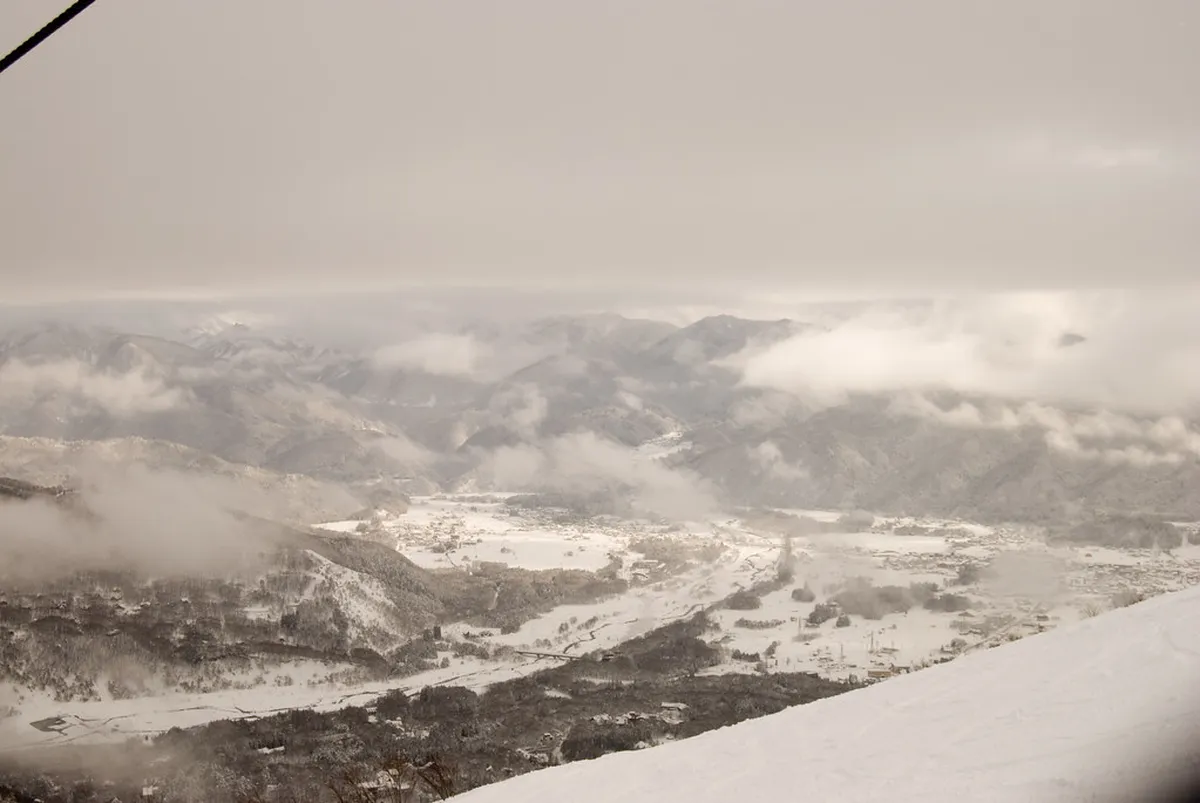
Hakuba Valley stretches along a long corridor, and each village suits a different kind of trip. More than 300 places to stay are spread across the valley, from hostels to luxury chalets. Happo and Wadano form the most central base, close to Happo-One's lift access and to the valley's highest concentration of hotels. Echoland is the nightlife and dining hub, with the valley's densest cluster of restaurants and bars. It has no direct lift access of its own. Popular restaurants in Echoland and Happo can book out during January and February, so reserve ahead in peak weeks. Goryu and Iimori sit closer to the Goryu and Hakuba47 lift bases, and they lean quieter and more family-oriented, with more ski-in/ski-out options. As with lift passes, it helps to lock in accommodation first, since room inventory in Happo, Wadano, and Echoland fills earliest for peak weeks. See the Hakuba accommodation guide for a deeper comparison of these villages, including specific hotel and chalet picks.
- Happo & Wadano: central, close to lift access, highest hotel density
- Echoland: dining and nightlife hub, no direct lift access
- Goryu/Iimori: quieter, more ski-in/ski-out options, family-oriented
Beyond the Slopes: Day Trips and Onsen
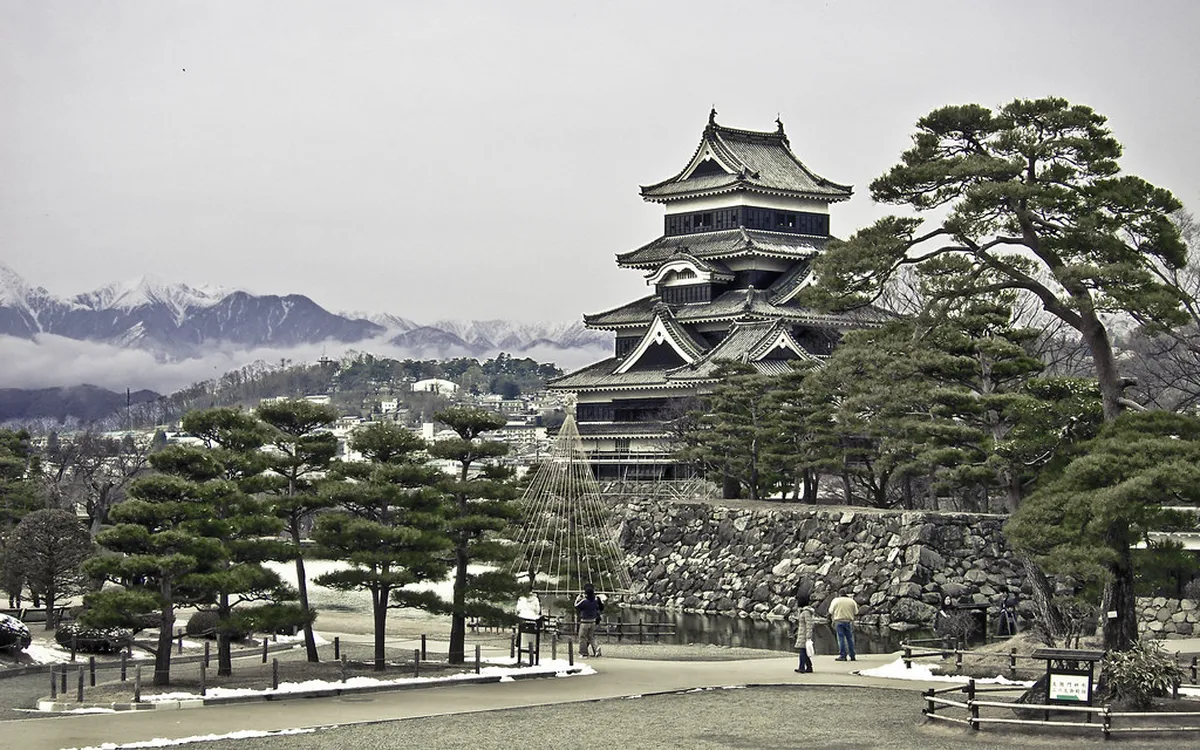
Hakuba Valley works well for multi-day trips that mix skiing with rest days. Snowshoeing, snowmobiling, and other guided snow activities are popular rest-day options across the valley. Jigokudani Snow Monkey Park is one of the best-known day trips from the valley, where wild macaques bathe in outdoor hot pools through winter. Plan a half day for the visit, plus transfer time, and check current transport options before you go. For the full logistics of a day trip, see the Jigokudani Snow Monkey Park guide. Matsumoto Castle is a common choice for a non-ski day, with sightseeing around Matsumoto's city center. Its city-center sights appear in the Matsumoto attractions guide, alongside the castle. Hakuba also has a high concentration of onsen, with more than 30 hot spring facilities across the valley. Several resorts, including Norikura Onsen, have baths right at the base, so a soak after skiing does not require a separate trip. Both day trips pair well with a rest day from skiing, especially mid-trip when legs need a break. Non-ski activities beyond day trips round out in the Hakuba attractions overview.
When to Go: Peak Season, Shoulder Season, and Safety
January and February typically bring the most reliable snow and the biggest crowds to Hakuba Valley. Powder days are more consistent in these two months, as Sea of Japan storm systems meet the Alps and drop repeated snowfall. March shifts toward calmer weather, longer daylight, and lower demand, making it a common shoulder-season pick for spring skiing. Ski season generally runs from early December through March, with some slopes staying open into April depending on conditions. Crowds also spike around Chinese New Year, when accommodation and lift lines both get busier. Book well ahead if your travel dates overlap that period. Conditions change fast in the mountains. Check the daily snow report and the avalanche bulletin before heading off-piste. The Japan Avalanche Network publishes bulletins for the Hakuba area. Layering matters more than any single heavy jacket, since base-area temperatures and summit temperatures can differ sharply. Wider timing context across the region appears in the Japan Alps timing guide. Snow reports for the wider prefecture appear in the 10 Best Things to Do in Nagano in Winter (2026). Pack accordingly: the Japan Packing List: Seasonal & Essential Travel Guide covers layering for a ski trip.
The 11m+ (36+ feet) annual snowfall becomes most consistent when Sea of Japan storms meet the Alps in January and February, creating reliable powder days.
Frequently Asked Questions
Do you need a car in Hakuba Valley?
No. Most visitors get around by shuttle bus, taxi, and hotel or chalet shuttles. A car adds flexibility, but winter roads and limited parking make it unnecessary for a typical ski trip. Picking a base village near your target resorts matters more than having a car.
Is Hakuba Valley suitable for beginners?
Yes. Tsugaike Mountain Resort has an unusually wide, flat base area built for first-timers and families. Iwatake Snow Field also works well for beginners, with gentler terrain and ski school options. Picking a beginner-friendly base resort makes the rest of the logistics easier too.
How busy does Hakuba Valley get during Chinese New Year?
Very busy. Accommodation, restaurants, and lift lines all get noticeably more crowded during Chinese New Year. It ranks among the valley's peak periods, alongside Christmas and New Year. Book accommodation and any restaurant reservations well ahead of these dates.
How many ski resorts make up Hakuba Valley?
Hakuba Valley is made up of ten resorts. Happo-One, Hakuba47, Goryu, Iwatake, and Tsugaike form the larger, more central group. Cortina, Norikura Onsen, Sanosaka, Jigatake, and Kashimayari are the smaller, quieter resorts. All ten share shuttle bus connections within the same valley.
When is the best time to ski Hakuba Valley?
January and February usually have the most reliable snow and the biggest crowds. March offers calmer weather and lower demand, with decent coverage for spring skiing. Early season, from December into early January, can be hit or miss depending on snowfall.
What does the Hakuba Valley All-Mountain Pass cover?
It covers lift access at all ten resorts in Hakuba Valley, plus shuttle bus connections between resort base areas. The pass usually pays off if a trip includes skiing at more than one mountain.
Free guide: Japan's Hidden Gems
12 under-the-radar places beyond Tokyo & Kyoto — with the best season to visit each and a local tip you won't find in the guidebooks.
You might also like


Continue reading
More guides you'll find useful


