

Hakuba Happo-One Guide: Skiing, Hiking & Olympic Legacy
Plan a visit to Hakuba Happo-One: the 1,071-meter vertical drop, 1998 Olympic downhill history, the Happo-Ike Pond trek, and 2026 lift and transit tips.
On this page
Last updated September 2026, this Hakuba Happo-One guide covers Hakuba Valley's largest, most central ski area. It hosted alpine downhill events at the 1998 Nagano Winter Olympics. Today it draws skiers in winter and trekkers to Happo-Ike Pond in summer, and the sections below weigh it against gentler options in the wider Hakuba Valley attractions lineup.
Hakuba Happo-One at a Glance
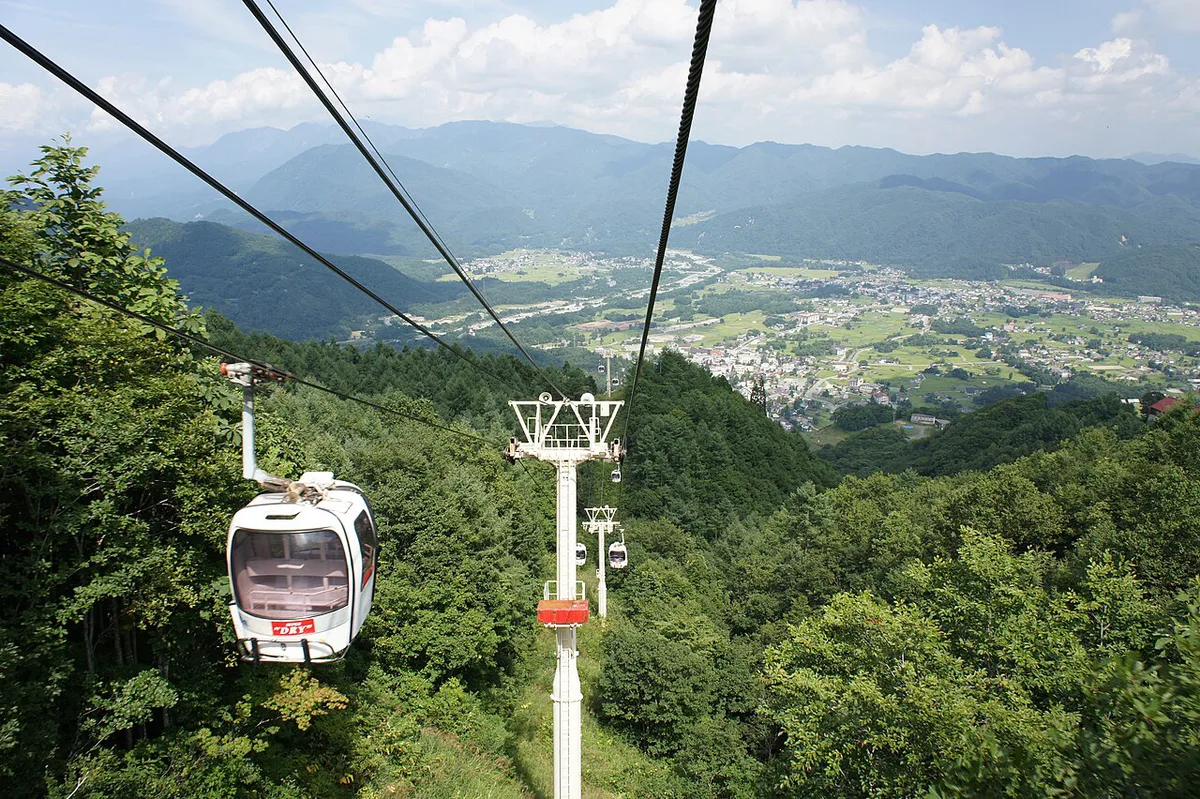
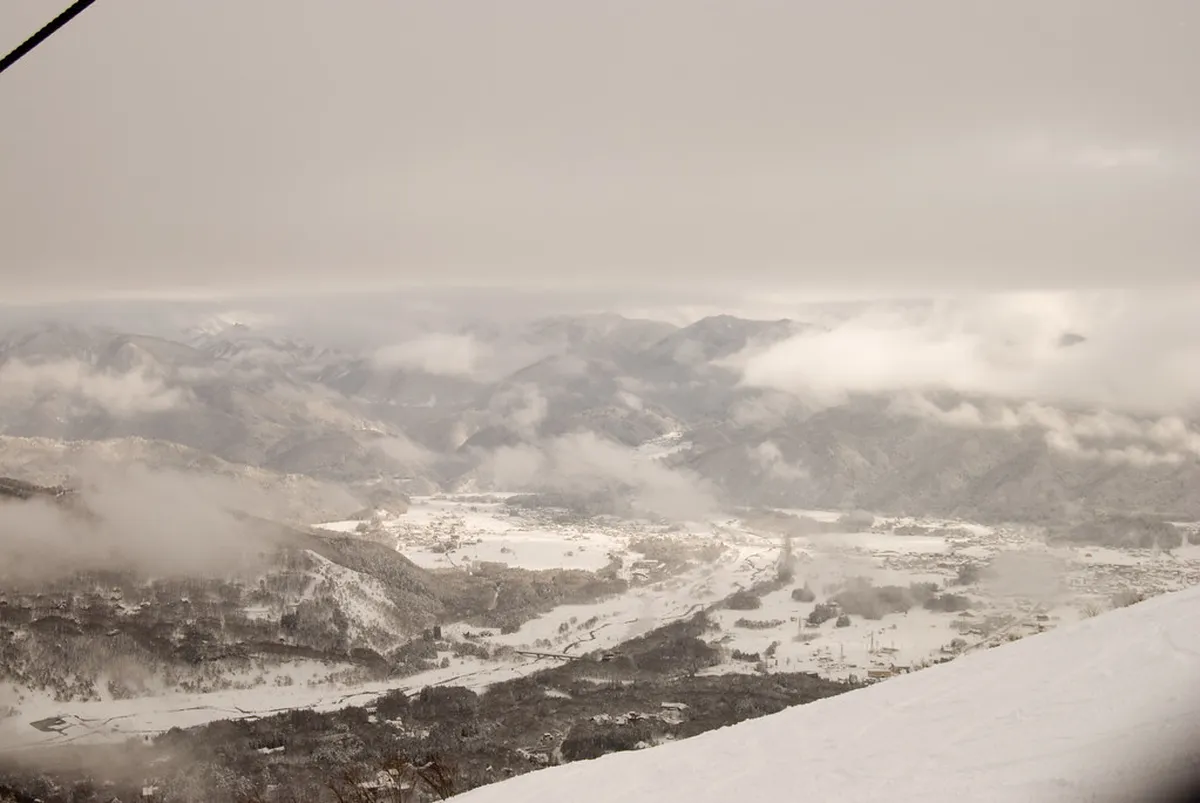
Happo-One sits in Nagano Prefecture, on Mount Karamatsu, at the center of Hakuba Valley. Builders opened the resort in 1958, long before its Olympic years. Its base starts at 760 meters and its top lift reaches 1,831 meters. That is a 1,071-meter vertical drop, one of the largest in the valley. Hakuba.com describes Happo-One as the valley's largest and most central resort, spread across roughly 220 hectares. The 24-lift network includes one gondola, five quad chairs, three triples, and fifteen pair lifts, according to published resort data. A quick-reference table follows below. For the rest of the valley's terrain, see the full Hakuba's skiing guide.
The 11 m per season snowfall benefit from high elevation comes with greater wind exposure, so upper lifts close more often than at lower resorts.
| Stat | Detail |
|---|---|
| Base elevation | 760 m |
| Top elevation | 1,831 m |
| Vertical drop | 1,071 m |
| Skiable area | 220 hectares |
| Lifts | 24 (1 gondola, 5 quads, 3 triples, 15 pairs) |
| Longest run | 8,000 m |
| Difficulty split | 30% beginner / 50% intermediate / 20% advanced |
| Average snowfall | 11 m per season |
| Happo-Ike Pond elevation | 2,060 m |
Winter at Happo-One: Skiing and Snowboarding
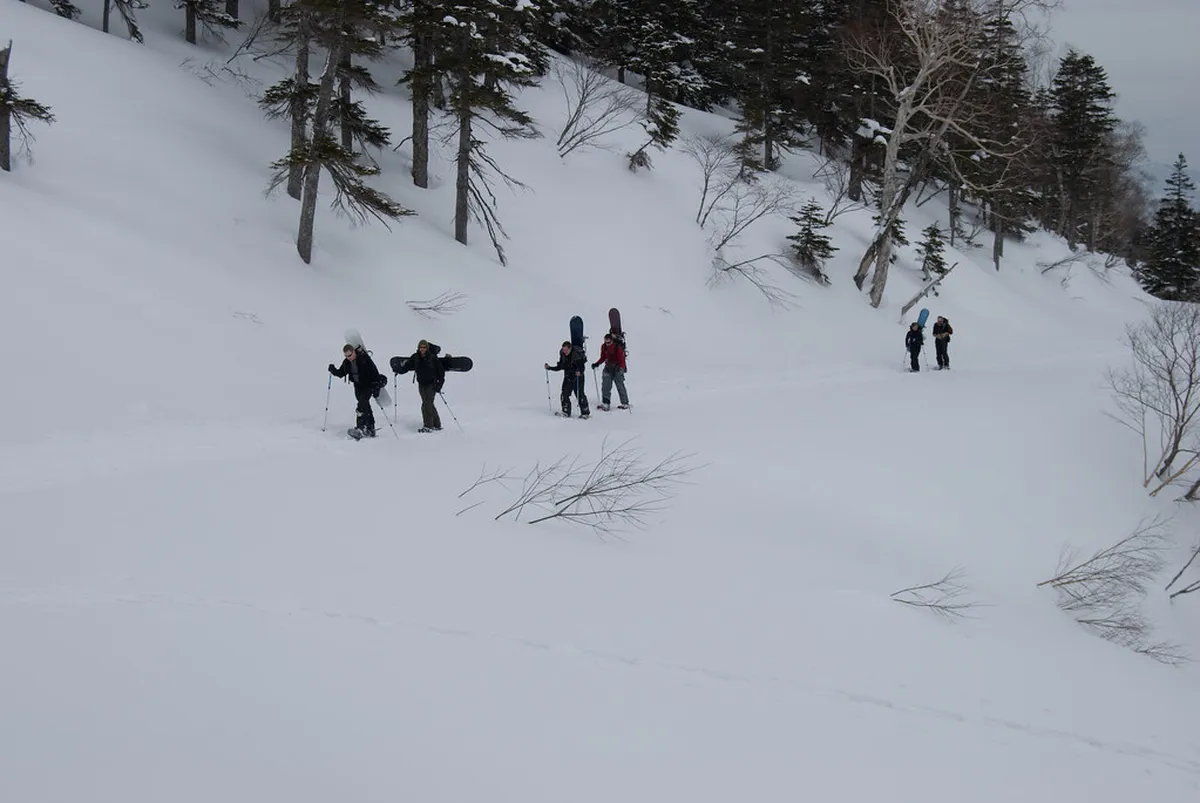
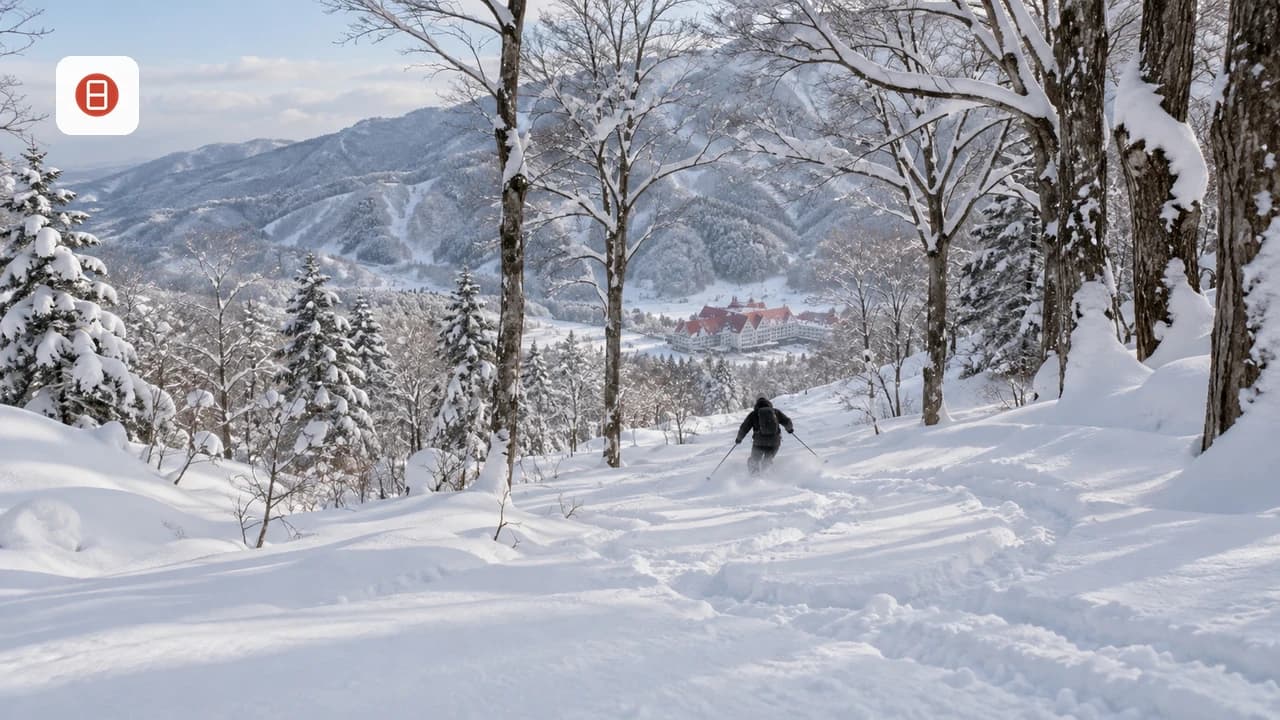
Happo-One has a steep-and-deep reputation among Hakuba's resorts. Half of its terrain is rated intermediate, and 20 percent is advanced. True beginners often feel outmatched here. The resort hosted the 1998 Olympic men's alpine skiing events, and parts of that same terrain remain in use today. Head to Usagidaira and Alpen if you want moguls and steep faces. On powder days, ski the tree runs on Skyline. On clear days, you can ride up to Reisen Grat, the resort's highest point, and ski down through Alpen, Usagidaira, and Panorama to the Kokusai base. Try Panorama and Sakka's cat tracks for valley views. Both are gentler than the resort's steeper faces. Sakka and Nakiyama hold lower-mountain terrain suited to beginners and families, including a kids' area on the Nakiyama slope. If you ride park, session Happo Park Nature's, built around jumps, spines, and rollers rather than rails or boxes. The longest run on the mountain stretches about 8,000 meters end to end. If you're a confident intermediate, expect to spend a full day exploring Usagidaira, Alpen, and Skyline without repeating a run. It also hosted the Freeride World Tour, alongside its Olympic history. For the valley's broader seasonal patterns, check the 10 Best Things to Do in Nagano in Winter (2026).
- Usagidaira and Alpen: moguls and steep faces for confident skiers
- Skyline: tree runs recommended on powder days
- Sakka and Nakiyama: beginner- and family-friendly lower-mountain terrain, plus a kids' area
- Happo Park Nature's: jumps, spines, and rollers, with no rails or boxes
The 1998 Nagano Olympic Legacy at Happo-One
Happo-One is more than a large resort. It is a former Olympic venue. In 1998, it hosted the men's downhill, the super giant slalom, and the combined slalom events. Swiss designer Bernhard Russi, the 1972 Olympic downhill champion, helped shape the alpine courses. FIS pushed for a longer downhill course before the Games, and organizers extended it in the months beforehand. Two other Nagano venues, Mount Higashidate and Mount Yakebitai, hosted the Games' other alpine skiing events that year. Recreational skiers still use much of that same terrain today. Nagano Prefecture's turn on the international skiing map is covered further in our 11 Best Things to Do in Nagano, Japan (2026 Guide) guide.
Summer and Autumn: Trekking to Happo-Ike Pond
Happo-One is not only a ski resort. From late spring through autumn, it becomes a trekking destination. The classic route starts at the Adam Gondola base, near 770 meters. From there, take the Alpen Quad and then the Grat Quad toward the ridge. Above the lift network, you hike a marked trail on foot to Happo-Ike Pond at 2,060 meters. That is a further climb of roughly 230 meters above the ski area's own top elevation, mostly on foot above the tree line. On calm days, the pond reflects the Hakuba Sanzan peaks, including Mount Karamatsu itself. If you have less time, drive to the Kurobishi area at 1,680 meters on the Kurobishi Forest Road instead of hiking the full route. Official notices there have asked drivers to confirm current forest-road vehicle rules before heading up, since access changes by season. The official site also posts dated trekking condition reports through the hiking season, and its live cameras cover the pond, Kurobishi, and gondola base areas. Because the trail sits above 2,000 meters, weather can turn quickly even in summer, so check those cameras and reports before setting out. Pack proper footwear and layers for the upper trail, even in warm months, and review a general Japan Packing List: Seasonal & Essential Travel Guide beforehand. This trek fits naturally into a broader look at Japan Alps Travel Guide beyond ski season.
Getting to and Around Happo-One
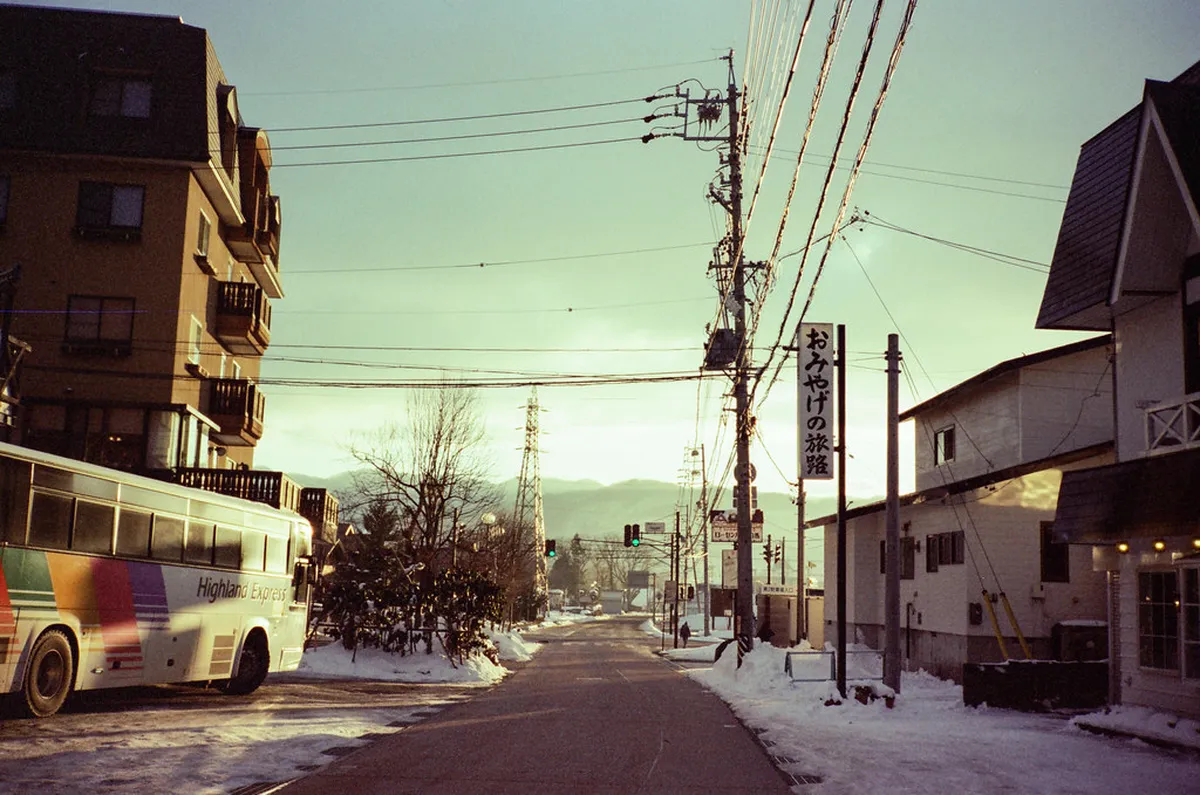
Happo-One sits within walking distance of central Happo Village, one of Hakuba's busiest hubs. Happo Village itself concentrates much of the resort's lodging, dining, and nightlife in a small area. Shuttle buses link the resort to other bases for visitors staying elsewhere in the valley. Start planning with the basics in Hakuba from Tokyo: Every Route, Time, and 2026 Fare Compared. Once there, find local transit options in the guide to Getting Around Japan 2026: Trains, Metro, Buses, Flights & IC Cards. Rideshare options are limited in the valley, so most visitors rely on resort shuttles, rental cars, or hotel transfers. Rent a car for flexibility if you plan to reach Kurobishi or nearby valley towns outside the shuttle network. Lift-pass choice is the next decision. A single-resort Happo-One ticket costs less than the valley-wide option covering Hakuba Valley's resorts. That multi-resort pass also opens up terrain at other Hakuba Valley Ski Resorts: A Complete Guide to All 10 Mountains. According to Happo-One's official site, 2026-2027 season passes go on sale October 1, 2026. Check that page directly to compare current pricing. Parking is available at both the Nakiyama and Sakka bases for visitors arriving by car.
Essential Visitor Information: Hours, Dining, and Night Skiing
Happo-One generally runs on the same operating window as its Hakuba Valley neighbors, roughly 8:00 to 17:00 in winter. Hours can shift around holidays and storm days, so the live operating status is worth a quick check before setting out. Night skiing extends the day at Nakiyama, one of the resort's lit areas after dark. Best-time planning for the wider region is covered in our best time to visit the Japan Alps guide. Its official site also publishes a live webcam, parking status, and shuttle information for checking conditions the morning of a visit. For food, stop at Roots Café near the base of the Kokusai chair for vegetarian-friendly meals and Wi-Fi. Roots Café frames itself as a sustainability-focused eatery, per the resort's own listings. Dining options cluster near the base areas rather than partway up the mountain. Après-ski happens lower down at Nakiyama, where live bands and DJ sets run at Hakuba Après, and at The Rabbit Hole. Both spots sit at opposite ends of a day on the mountain, from lunch break to last run. On days when wind closes upper lifts, a lower-elevation option is a day trip to Jigokudani Snow Monkey Park Travel Guide. Matsumoto's castle town is another option, covered in our 15 Best Matsumoto Attractions (2026 Guide) guide.
Is Happo-One Right for You? Pros, Cons, and Alternatives
Happo-One works best for skiers who want scale, Olympic history, and nightlife within walking distance. It suits first-timers less well, since the mountain skews toward intermediate and advanced terrain. If you want tree-lined powder without Happo-One's crowds, choose Hakuba Cortina instead. If your group wants gentler slopes, consider Tsugaike, since its terrain runs flatter overall. Both alternatives sit inside the same Hakuba Valley pass network as Happo-One. Neither alternative shares Happo-One's Olympic history within the valley. If you already hold a multi-day Hakuba Valley pass, sample Happo-One for a day and compare it against Cortina or Tsugaike directly. Your right choice comes down to how much terrain challenge you want on this trip.
Happo-One's 1,071-meter vertical drop substantially exceeds Tsugaike's flatter terrain, making it the steeper choice within the same valley pass network.
- Pros: the valley's largest terrain network and a 1,071-meter vertical drop
- Pros: direct connection to 1998 Nagano Olympic ski history
- Pros: base-area nightlife, including live bands at Hakuba Après
- Cons: higher wind exposure than lower valley resorts, so upper lifts close more often
- Cons: a steep pitch and 20 percent advanced terrain that can intimidate true beginners
- Cons: base-area crowds on weekends and holidays
Mistakes to Avoid at Happo-One
A few planning mistakes come up often at Happo-One. Weather, lodging location, and trail difficulty are the three most common planning gaps. Each is avoidable with a little advance checking. Build in buffer time for lift closures, transit, and the trek to keep your Happo-One day flexible.
- Skip the wind forecast at your own risk. Happo-One's higher elevation brings better snow but more exposure, so upper lifts close more often than at lower resorts.
- Avoid booking lodging far from the Happo bus terminal without a car. Review Hakuba Hotels: Where to Stay in Hakuba Valley (2026 Guide) before picking a base.
- Don't underestimate the Happo-Ike trek in summer. The trail climbs well above the lift network to 2,060 meters, so pack proper footwear even in warm months.
Frequently Asked Questions
How big is the vertical drop at Hakuba Happo-One?
Its top lift station sits at 1,831 meters, and its base is at 760 meters. That is a 1,071-meter vertical drop, one of the largest in Hakuba Valley.
How do you reach Happo-Ike Pond from the resort?
Start at the Adam Gondola near 770 meters. Ride the Alpen Quad, then the Grat Quad, toward the ridge. From the top of the lift network, hike the marked trail to the pond at 2,060 meters.
Is Happo-One suitable for beginner skiers?
About 30 percent of Happo-One's terrain is rated beginner, concentrated around Sakka and Nakiyama. The other 70 percent is intermediate or advanced. If you're a complete beginner, consider a flatter resort like Tsugaike instead.
When do 2026-2027 Happo-One season passes go on sale?
Happo-One's official site lists 2026-2027 season passes going on sale October 1, 2026. Check that page directly to compare current pass and day-ticket pricing.
Why does Happo-One close lifts more often than nearby resorts?
This resort sits higher than most other Hakuba Valley resorts. That height brings an average of 11 meters of snowfall per season. It also leaves the upper lifts more exposed to wind, so closures happen more often in storms.
What did Happo-One host at the 1998 Winter Olympics?
Happo-One hosted the men's downhill, the super giant slalom, and the combined slalom events at the 1998 Nagano Winter Olympics. Course designer Bernhard Russi, the 1972 Olympic downhill champion, helped shape the venue.
Can you visit Happo-Ike Pond without hiking the whole route?
You can shorten the trip by driving the Kurobishi Forest Road to about 1,680 meters. Reaching the pond itself still requires some walking beyond the lift network.
What is the difference between a Happo-One ticket and the Hakuba Valley pass?
A Happo-One-only ticket covers just this resort's lifts. Choose the valley-wide pass instead if you want access to other Hakuba Valley resorts, including Hakuba Cortina, for a higher price.
Free guide: Japan's Hidden Gems
12 under-the-radar places beyond Tokyo & Kyoto — with the best season to visit each and a local tip you won't find in the guidebooks.
You might also like


Continue reading
More guides you'll find useful


