
Hakuba Cortina Ski Resort Guide: Powder, Trees, and Logistics
Master Hakuba Cortina with this guide to tree runs, the 7:30 am shuttle strategy, 2026-27 lift prices, and the Norikura link.
On this page
Last updated September 2026, Hakuba Cortina remains the powder magnet of the Hakuba Valley, prized for bowl-shaped terrain that traps snow other slopes miss. Advanced skiers come for the wide-spaced glades and steep pitch, while families weigh Hotel Green Plaza's ski-in, ski-out convenience against a 30-minute commute from Hakuba Village. This guide covers terrain by skill level, the 7:30 am shuttle strategy, and 2026-27 lift pricing.
Hakuba Cortina: Hakuba Valley's Powder Capital
Cortina sits at the edge of the Hakuba Valley, in a bowl-shaped basin that drops 503 meters from top to base and traps storms sweeping in from the Sea of Japan. That geography is why locals treat a Cortina powder day differently from a morning at Happo-One's crowded slopes. Snow piles up here even when nearby slopes get a lighter dusting. Cortina is one of the Hakuba Valley's ski resorts, and it pairs naturally with neighboring Tsugaike Kogen for a mellower, tree-focused day away from Happo-One's crowds. Both resorts share the same shuttle route from Hakuba Village, making a combined Cortina-Tsugaike day straightforward to plan. Sea-of-Japan storms fuel snowfall across the wider 10 Best Things to Do in Nagano in Winter (2026) region, and Cortina sits at the heavy end of that pattern.
- Vertical drop: 503 meters, from 1,402 meters at the top to 872 meters at the base.
- Trails: 17 runs across 50 hectares (124 acres) of terrain.
- Lifts: 7 total, including the No. 1, No. 4, and No. 5 chairs skiers reference most.
- Longest run: 3,500 meters.
- Annual snowfall: 12+ meters in a typical winter.
- Terrain mix: 40% beginner, 30% intermediate, 30% advanced.
Terrain Breakdown: Beginner Highways to Steep Tree Runs
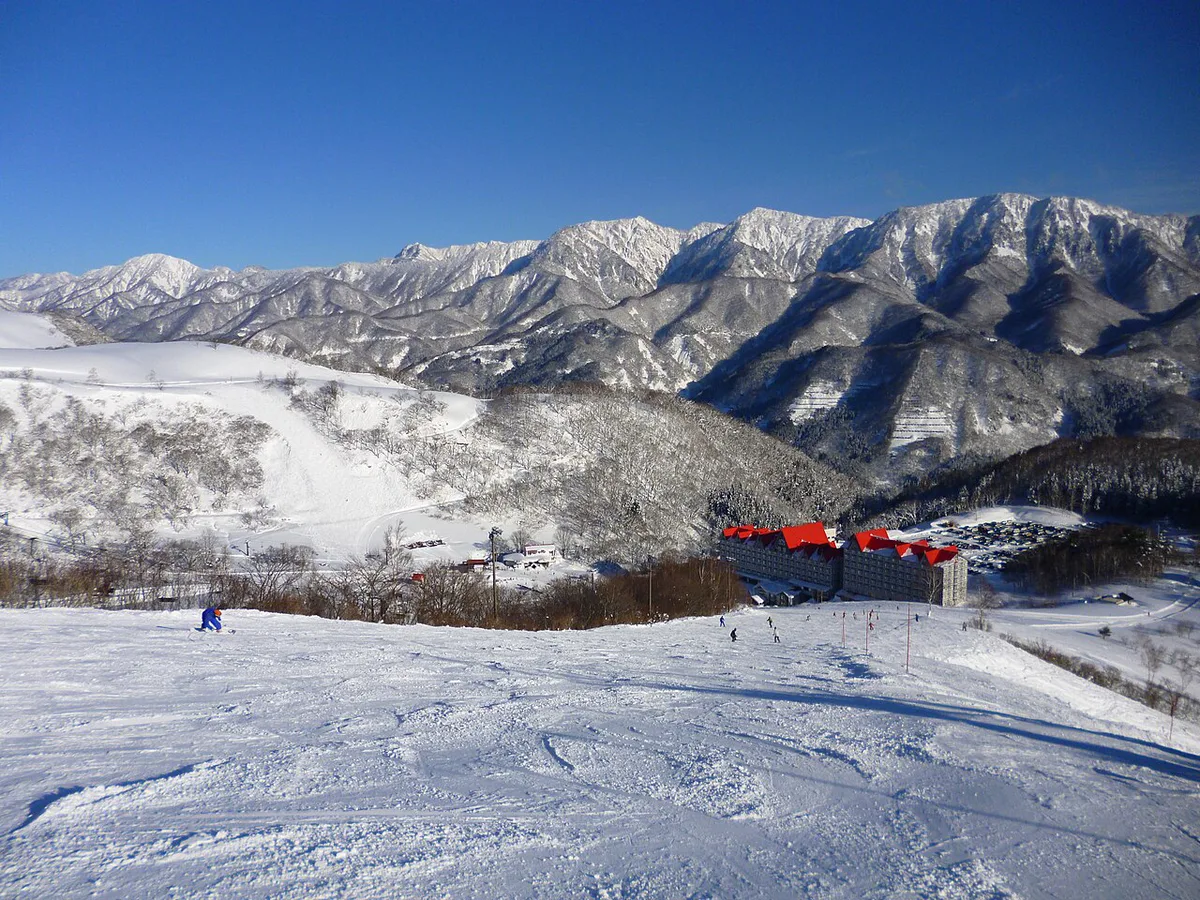
Beginner terrain covers 40 percent of Cortina's trail count, and unlike many valley resorts, it is genuinely rideable for new skiers. A wide run down from the No. 1 chair feels like a highway, with room to fall without a collision risk. Cortina's own ski school takes children from age 5, while the English-language Evergreen International Ski School accepts kids from age 3. Intermediate skiers get 30 percent of the mountain, best sampled on the Hiedayama Rinkan course from the No. 4 chair, dipping in and out of trees at a manageable pitch. Advanced terrain takes the remaining 30 percent, concentrated in the Hiedayama courses, where the pitch steepens and glades open without a mandatory orientation course. That relaxed off-piste policy is a big part of Cortina's draw. Skiers explore marked tree zones at their own discretion, instead of booking a guided session first. Trees here are spaced wider than most Japanese resorts allow, which is why serious tree skiers rank Cortina above Happo-One and most of the valley for glade days. In stormy weather, side-country lines just beyond the resort boundary open up too, though that terrain calls for backcountry gear and local knowledge, not just an in-bounds lift ticket.
Planning a Powder Day: Shuttle, Timing, and Lift Lines
Getting first tracks at Cortina starts long before the lifts spin. Free shuttles run from the Happo Bus Terminal throughout the day, but the 7:30 am departure is the one locals fight for after a big overnight dump. Terminal scenes on a big powder morning turn tense, with packed buses, hurried gear checks, and skiers watching the clock before the doors close. Arrive at the terminal by 7:00 am on a forecast powder morning, because the bus fills and late arrivals wait for the next run. Travel time runs roughly 30 minutes, and the shuttle also stops at Tsugaike Kogen, letting riders split a day between the two resorts. Cortina sits farther from central Hakuba Village than resorts like Happo-One, which is why the commute question comes up so often for travelers based in Echoland or Happo. Driving is an option too, and the arrival and transport guide for the valley covers the tradeoffs for skiers who want to skip the shuttle scrum entirely. Bathrooms and food options at the base are limited outside the hotel, so pack snacks and water for the ride. Once on the mountain, expect the No. 4 chair to back up 30 to 40 minutes on a weekend powder day, since it is the main gateway to the steepest terrain. Switching to the No. 5 chair instead reaches similar tree terrain with a shorter wait.
- Catch the 7:30 am shuttle from Happo Bus Terminal, and arrive by 7:00 am on forecast powder mornings since it fills fast.
- Switch to the No. 5 chair once the No. 4 line grows long; it reaches similar tree terrain with a shorter wait.
- Traverse to Hakuba Norikura on the combined pass once Cortina's lift line passes 30 minutes.
- Ride Cortina in the morning, then take the same shuttle onward to Tsugaike Kogen once crowds build at the base.
Hakuba Cortina Lift Tickets and 2026-27 Season Pricing
Hakuba Cortina and Hakuba Norikura share one 2026-27 season, running December 12, 2026 through April 4, 2027, with only the Wakaguri area open in the final stretch from March 22 to April 4. Lift tickets are sold as a combined Norikura-Cortina mountain pass, published directly on the resort's own ticket page. A single-ride ticket costs ¥1,500 for adults, useful for a quick lap before catching the return shuttle. Travelers combining more than a few resorts often step up to the Hakuba Valley Pass, which bundles lift access with the inter-resort shuttle network across Hakuba Valley's member resorts. Epic Pass holders get five consecutive days across the valley, with extra days available at a discount. Confirm current blackout terms before booking, since pass rules shift most seasons. Short three-day trips usually come out ahead buying single-day Norikura-Cortina tickets. Anyone planning a full week, or splitting time across Hakuba Valley's other slopes, should price out the season or multi-resort pass instead. Powder hunters planning travel dates around snow depth should also check the best time to visit the Japan Alps before booking flights.
| Ticket Type | Adult | Child (6-12) | Notes |
|---|---|---|---|
| 1 Day | ¥6,500 | ¥3,800 | Standard full-day access to both resorts |
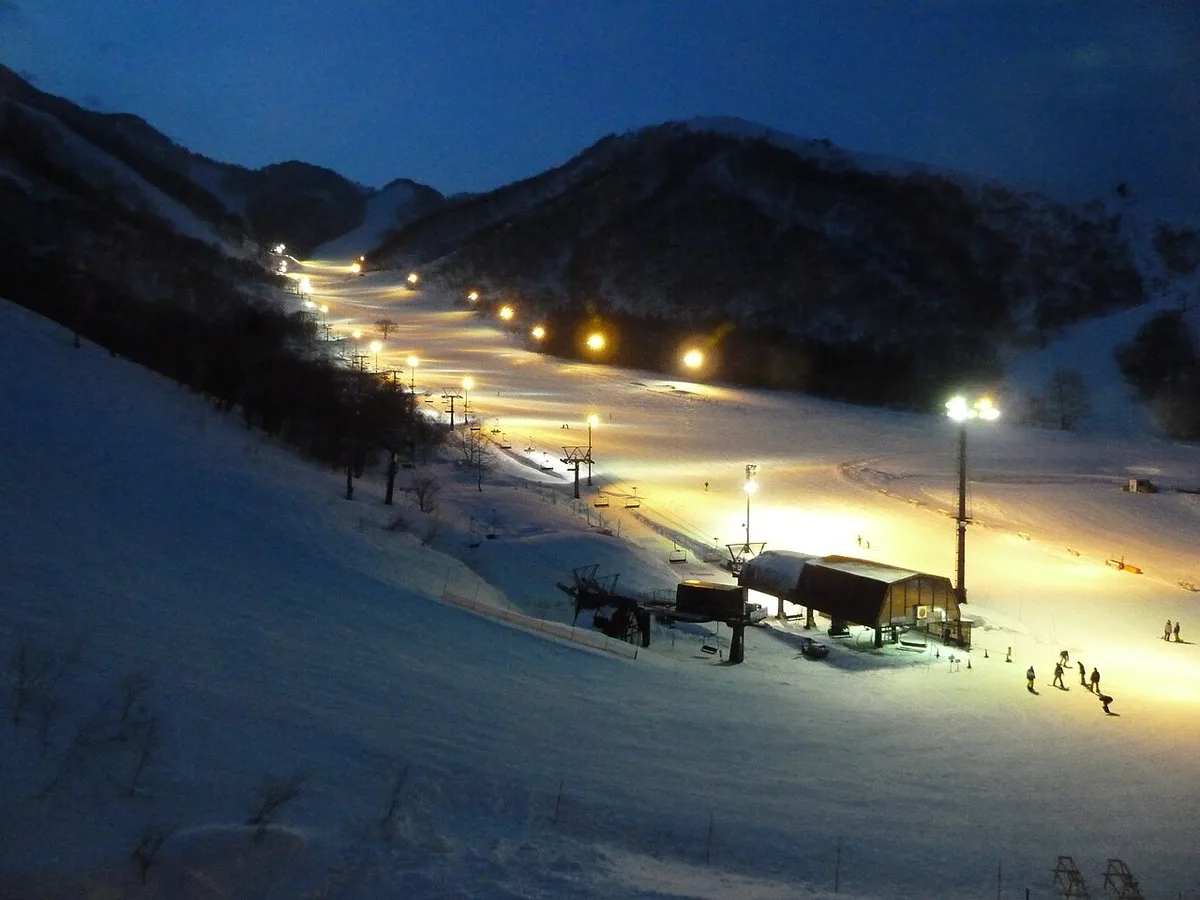
| 4 Hour | ¥5,800 | ¥3,500 | 4 hours from first gate-in; no night skiing at Cortina |
| 1 Time Ticket | ¥1,500 | ¥800 | Single lift ride |
| First Ski Run / Spring Skiing | ¥5,500 | ¥3,300 | Dec 12-18 and Mar 15-Apr 4 only |
| Season Pass (standard) | ¥47,800 | ¥23,000 | Senior rate ¥45,800 |
Staying at Hotel Green Plaza vs Commuting from Hakuba Village
Cortina's focal point is the Hotel Green Plaza, a Tudor-style building at the base that puts guests on snow within minutes of leaving their room. That half-timbered facade stands out against the alpine-chalet look common elsewhere in the valley, and travelers react to it in different ways. Ski-in, ski-out access is the main draw, along with an on-site onsen for a post-powder soak. Day-trippers hoping to use the onsen should confirm current access terms and any entry fee directly with Hotel Green Plaza, since policies vary by season. Current nightly rates run well above typical lodging in Hakuba Village accommodation, so check the hotel directly for pricing before booking. Most of the resort's dining and shopping sits inside the hotel itself, rather than spread across a village strip. That concentration cuts both ways: convenient for guests, limiting for everyone else. Skiers based near Hakuba's main village area save on lodging but add a 30-minute shuttle or drive each way. Many locals who ski Cortina only on good-snow days treat that commute as the tradeoff for cheaper, more varied lodging. Budget-minded visitors bring their own lunch, since on-mountain dining sits inside the hotel at resort-hotel prices rather than village-cafe prices.
Single-ride ¥1,500 tickets let you test the terrain before deciding between hotel ski-in/ski-out access and the 30-minute commute from village accommodation.
The Hakuba Norikura Connection
Hakuba Cortina and Hakuba Norikura share a lift connection, and the combined mountain pass covers both areas for a single ¥6,500 adult day ticket. That link matters most when the No. 4 chair line at Cortina stretches past 30 minutes. Skiers can traverse to Norikura's quieter runs instead of waiting it out. Norikura's own runs tend to see lighter traffic than Cortina's marquee lines, even on a shared powder morning. A backcountry route from the top of the No. 4 chair drops through trees toward Norikura, giving experienced riders a longer, less crowded line on a powder day. Norikura also covers freestyle terrain that Cortina skips entirely. Riders there get a halfpipe, a small terrain park, a boardercross course, and a mogul run.
Tips to Avoid Common Mistakes at Cortina
A few planning mistakes turn a Cortina powder day into a wasted morning. Check current lift status on Hakuba Valley's tourism site before leaving the village, since wind can close the top chairs with little notice and waste the 30-minute ride out. Bring a beacon and probe even for in-bounds glade skiing, because Cortina's snow depth can bury a fallen rider faster than groomed-run instincts expect. Rent or bring a helmet too, since tree wells and stumps hide easily under Cortina's snow totals. Wide, high-volume powder shapes handle Cortina's snow better than an all-mountain board built for hardpack. Travelers should plan gear around float rather than edge grip. The Japan ski packing list covers layering and other gear choices for the trip.
Cortina vs Happo-One vs Tsugaike: Which Resort Fits Your Day
Choosing between Cortina, Happo-One, and Tsugaike comes down to snow tolerance, crowd tolerance, and skill level. Cortina delivers the deepest, steepest tree skiing in the valley, with lift lines running 30 to 40 minutes at the No. 4 chair on any good-snow Saturday. Happo-One offers broader, more developed terrain and infrastructure, and it draws heavy weekend crowds. Check current trail counts and lift details on the Happo-One official site before planning a day there. Tsugaike Kogen sits on the same shuttle route as Cortina and offers a mellower version of the same tree-skiing idea, without Cortina's queues.
Despite 40% beginner terrain, Cortina is best for advanced skiers; intermediates wanting trees should weigh Tsugaike's gentler runs on the same shuttle.
| Resort | Snow & Terrain | Crowd Level | Best For |
|---|---|---|---|
| Hakuba Cortina | 503m vertical, 17 trails, steep glades, 12m+ seasonal snowfall | Heavy on powder mornings, 30-40 min at No. 4 chair | Advanced skiers chasing deep, steep tree runs |
| Happo-One | Broader groomed and varied terrain across the resort | Busiest resort in the valley most weekends | All-around skiers wanting variety and full services |
| Tsugaike Kogen | Mellower tree runs, same shuttle stop as Cortina | Lighter than Cortina on powder days | Intermediate skiers wanting trees without the wait |
Frequently Asked Questions
Is Hakuba Cortina good for beginners?
Yes, in part. Cortina's main beginner run down from the No. 1 chair is wide and gentle, covering 40 percent of the resort's terrain. New skiers get plenty of space, though the resort's reputation and crowds center on advanced tree skiing rather than lessons. Lessons and rental packages are widely available in the valley for skiers wanting instruction before tackling Cortina's trees.
How do you get to Hakuba Cortina from Hakuba Village?
Free shuttle buses run from the Happo Bus Terminal throughout the day, with the 7:30 am departure treated as the unofficial first-tracks bus. Travel time runs about 30 minutes each way, and the same route also stops at Tsugaike Kogen. Driving independently is possible for travelers who want flexible timing.
What is the Hakuba Norikura and Cortina combined pass?
It is a single mountain pass covering both interlinked resorts, priced at ¥6,500 for a one-day adult ticket as of the 2026-27 season. That link lets skiers traverse between the two areas, using Norikura as an escape valve when Cortina's lift lines run long.
Is staying at Hotel Green Plaza worth it?
It depends on priorities. Ski-in, ski-out access and an on-site onsen suit skiers who want zero commute and plan to eat on-site. Travelers on a budget usually save by staying in Hakuba Village and busing in on good-snow days instead.
Do you need avalanche safety gear for Cortina's tree runs?
Carrying a beacon and probe is strongly recommended even for in-bounds glade skiing at Cortina. Cortina's off-piste policy is relaxed, but deep snow between trees can still bury a fallen rider quickly. Skiing with a partner in the trees is a sensible precaution too.
What's the best snowboard or ski setup for Cortina?
Wide, high-volume powder shapes float better in Cortina's deep snow than all-mountain gear built for hardpack. Renters should ask specifically for powder-oriented skis or boards when booking gear in the valley.
How does Cortina compare to Tsugaike Kogen for tree skiing?
Tsugaike offers mellower, more forgiving tree runs, while Cortina's glades run steeper and deeper. Skiers new to off-piste terrain often start at Tsugaike before working up to Cortina's terrain the same season.
Free guide: Japan's Hidden Gems
12 under-the-radar places beyond Tokyo & Kyoto — with the best season to visit each and a local tip you won't find in the guidebooks.
You might also like


Continue reading
More guides you'll find useful


