

Hakuba from Tokyo: Every Route, Time, and 2026 Fare Compared
Compare every way to reach Hakuba from Tokyo in 2026, from the Shinkansen-and-bus combo via Nagano to the direct Azusa Express, shuttles, and budget buses.
On this page
Last updated September 2026, this guide compares every proven way to reach Hakuba from Tokyo. Trains, shuttles, and buses differ mainly in time, cost, and how much gear you can carry without a transfer. A solo rider with one bag needs a different route than a family flying in with ski gear.
Hakuba from Tokyo: Fastest, Cheapest, and Easiest with Gear
Four route types cover nearly every traveler heading to Hakuba from Tokyo. Hakuba sits about 171 miles from central Tokyo in Nagano Prefecture's Northern Alps. The Shinkansen-plus-bus combo through Nagano Station is the fastest public option, at about three hours door to door. Skipping the Nagano transfer, the direct Azusa Express train runs once a day each way. Daytime and overnight highway buses from Shinjuku cost the least. Airport shuttles and private transfers work best for travelers landing with heavy ski gear. Families and gear-heavy groups usually save the most hassle by paying for door-to-door service instead of chasing the cheapest fare. Once you've picked a route, pair it with the Hakuba Ski Guide: 10 Resorts, One Valley (2026/27 Season) for lift and rental planning. Check the Hakuba attractions guide too, for what's worth doing once you arrive.
| Route | Est. Cost (one way) | Est. Time | Best For |
|---|---|---|---|
| Shinkansen + Alpico Bus (via Nagano) | ¥11,500–¥12,000 combined, winter | About 3 hours | Fastest option with moderate gear |
| Azusa Express (direct train) | ¥8,270 adult / ¥4,130 child | 3 hours 40 minutes | Zero transfers, once-daily departure |
| Nagano Snow Shuttle (Narita/Haneda) | ¥12,375–¥20,350 | About 6.5 hours | Door-to-Base-Camp with heavy luggage |
| Daytime Highway Bus (Shinjuku) | ¥6,400–¥7,800 adult | About 5 hours | Lowest cost with light gear |
| Alpico Overnight Bus | ¥8,400–¥9,800 adult | About 7 hours, overnight | Budget travelers without ski bags |
| Private Taxi Charter | From ¥94,000 per vehicle | About 4–5 hours | Groups of 5–9 splitting the cost |
- Fastest: Shinkansen plus Alpico Bus via Nagano, about 3 hours, ¥11,500 to ¥12,000 combined in winter
- Cheapest: daytime highway bus from Shinjuku, about 5 hours, ¥6,400 to ¥7,800
- Zero transfers: Azusa Express direct train, once daily, 3 hours 40 minutes
- Easiest with gear: Nagano Snow Shuttle or a private transfer straight from Narita or Haneda
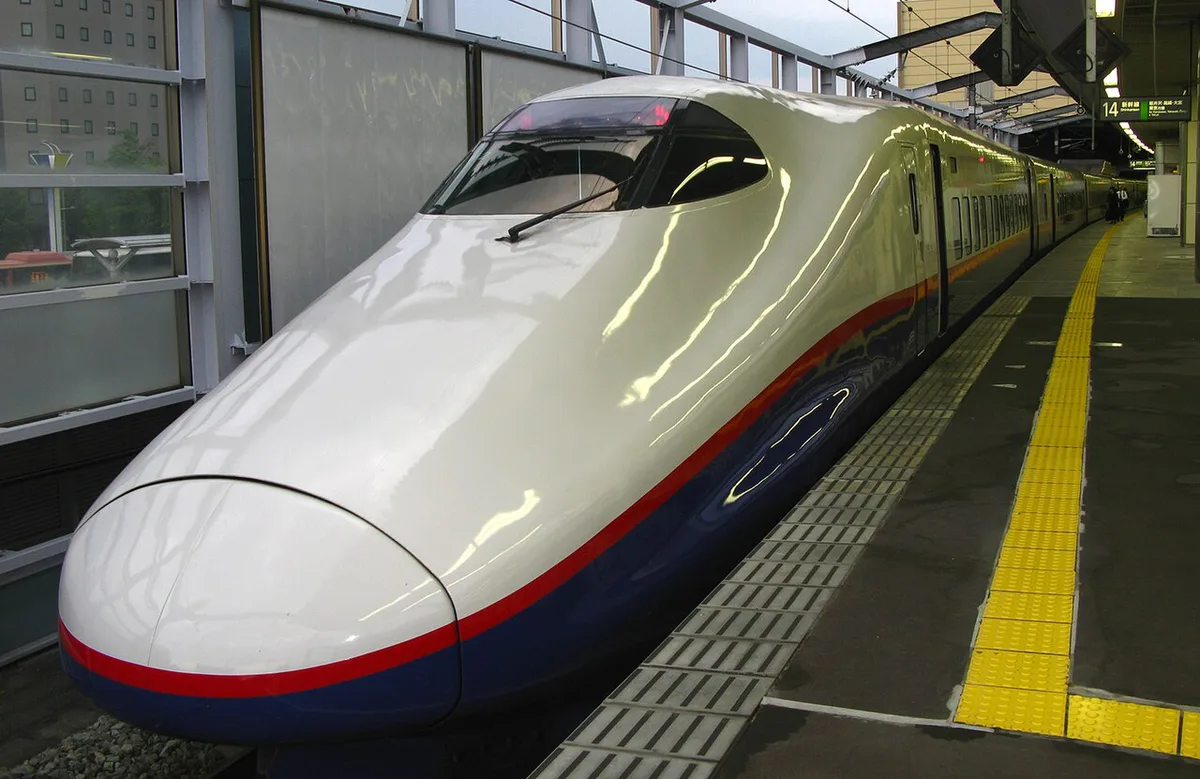
The Speed King: Shinkansen and Alpico Bus via Nagano Station
This route pairs a bullet train with a regional bus, and it is the quickest public transit option to Hakuba. Board the Hokuriku Shinkansen at Tokyo Station, Ueno Station, or Omiya Station, and take any service except the Tsurugi line. Kagayaki, Hakutaka, and Asama trains reach Nagano Station in roughly 90 to 110 minutes. One-way fares run roughly ¥6,000 for an unreserved seat up to about ¥12,000 for a reserved seat on peak departures. Reserve Shinkansen seats ahead through the JR East Train Reservation website, selecting Purchase Tickets and then Search by Station to find your train. At Nagano Station, the transfer to the Alpico bus works like this: Winter buses run about hourly from 8:20 a.m. to 8:30 p.m., costing ¥3,500 for adults and ¥1,750 for children. That ride to Happo Bus Terminal takes about 75 minutes. From 1 April to 30 November, the fare drops to ¥2,900 adult and ¥1,450 child. Services also run roughly half as often in that window, so check the timetable before planning a tight connection. IC cards such as Suica or Pasmo work for local transit connections at both ends, though you still pay the Alpico bus fare separately. Continuing on to Tsugaike Kogen or Hakuba Cortina adds ¥300 to the fare. Fares and frequency shift with the seasons, so check the Japan Alps travel timing guide before locking in dates. Happo Bus Terminal, the route's main stop, sits at the base of the Happo-One ski resort. It also connects onward to terrain covered in the Happo-One area guide. In winter, the last bus from Nagano Station leaves at 8:30 p.m. After that, a taxi is the only option, running about an hour and costing ¥20,000 to ¥30,000. Travelers with a spare afternoon can break the Nagano leg at Jigokudani Snow Monkey Park Travel Guide. For more on the transfer city itself, see the 10 Best Things to Do in Nagano in Winter (2026).
- Exit the Shinkansen ticket gates and follow signage for the East Exit.
- Find bus stop 26 in the East Exit bus terminal.
- Buy your Alpico bus ticket at the stop or from the driver, then board for Hakuba.
- Confirm your stop before boarding, since not every departure continues to Tsugaike Kogen or Hakuba Cortina.
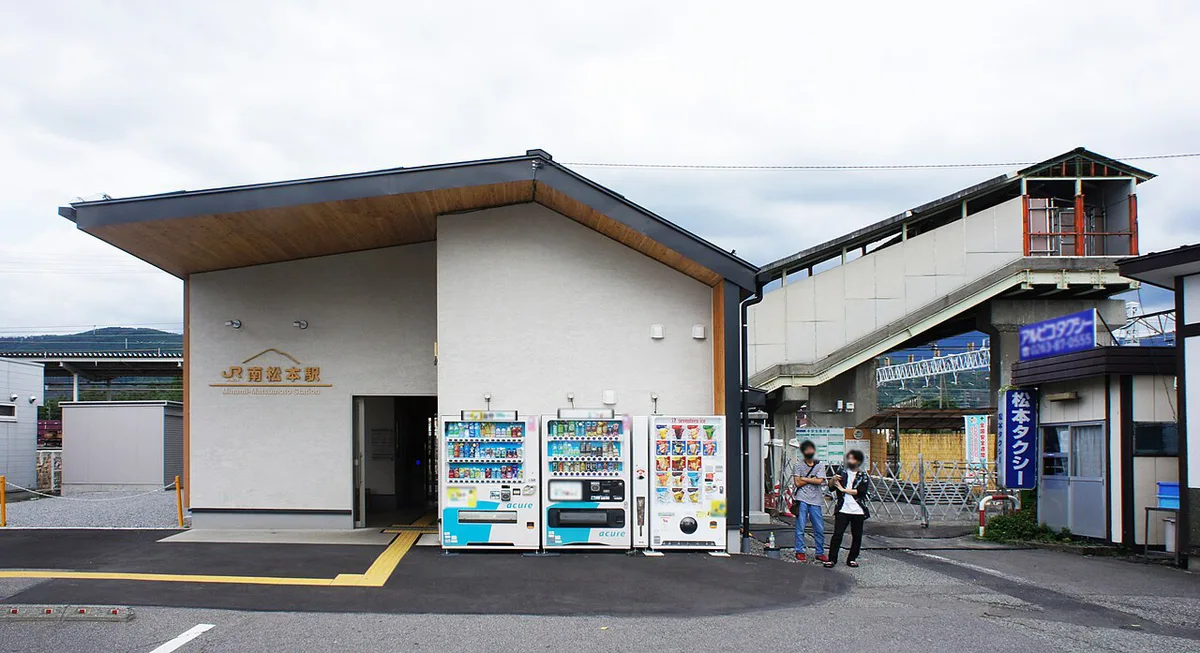
The One-Seat Ride: The Direct Azusa Express from Shinjuku
Only one train each day runs directly between Tokyo and Hakuba: the Azusa Express. Azusa 5 departs Shinjuku Station's platform 9 daily at 8:00 a.m. It arrives at Hakuba Station at 11:40 a.m., a ride of three hours and forty minutes. One-way fares cost ¥8,270 for adults and ¥4,130 for children aged 6 to 11. Children five and under ride free on a parent's lap. A single direct return service exists: Azusa 38, leaving Hakuba at 1:43 p.m. and reaching Shinjuku at 5:26 p.m. That single-train schedule is the trade-off: zero transfers, but fixed timing both ways. Miss Azusa 5 and you need an entirely different route, such as the Shinkansen-and-bus combo above. Reserve seats through JR East's online booking system up to a month ahead, especially in peak winter weeks. Buy tickets at any JR ticket counter if you'd rather skip the online step. This route suits solo travelers and couples more than large groups, since one missed train means rebuilding the whole day's plan. From Hakuba Station, a short taxi or resort shuttle covers the last mile to Hakuba Valley lodging.
Direct Airport Shuttles: Narita and Haneda to Hakuba
Landing at Narita or Haneda with ski bags in tow, an airport shuttle skips the Tokyo-to-Nagano detour entirely. The Nagano Snow Shuttle runs seven trips a day: four from Narita and three from Haneda. The direct ride to Hakuba Base Camp takes about 6.5 hours. Fares from Narita run ¥13,640 to ¥20,350, while Haneda departures cost ¥12,375 to ¥15,125. Most buses offer free Wi-Fi. A smaller vehicle continues from Base Camp to individual hotels across the Hakuba Valley resort areas. That network, detailed on the official Hakuba Valley tourism site, covers ten separate resorts across the valley. Build in at least two to three hours of buffer before your shuttle's scheduled departure. That covers immigration and baggage claim after an international flight lands. Private transfer operators quote Tokyo-airport-to-Hakuba fares from ¥137,500 for one to five passengers and from ¥170,500 for six to nine. A private transfer between Hakuba and Nagano City runs ¥35,000 to ¥47,500 one way. This route suits travelers heading straight to the mountains from the airport, without a Tokyo hotel stop first.
- Families traveling with children
- Groups whose flight times don't match shared bus schedules
- Travelers wanting direct, door-to-door service without a Base Camp transfer
Budget Travel: Highway Buses and Night Buses from Shinjuku
Daytime highway buses are the cheapest way to travel Hakuba from Tokyo without sacrificing a full night's sleep. Alpico and Keio both depart Busta Shinjuku, the terminal connected to JR Shinjuku Station's New South Gate. The ride takes about 5 hours with two rest stops. Fares run ¥6,400 to ¥7,800 for adults and ¥3,200 to ¥3,900 for children. There's no round-trip discount, so budget for two one-way tickets. Expect delays on holiday weekends and Friday-night departures. Both operators list seats through JR East's highway bus portal or highwaybus.com, where fares and availability update by date and departure. Night buses trade a hotel night for extra slope time. Board late in Tokyo, wake up in Hakuba, and start skiing the same morning. Willer Express also runs this route, with seat rows ranging from spacious two-across layouts to budget four-across seating. Willer's booking site also lets you filter by onboard Wi-Fi, power outlets, and toilet-equipped coaches, useful for the longer night runs. Check the ski and snowboard allowance for your specific seat type before booking, since it varies by row and operator. Gear rules matter most on the Alpico overnight service. It bans skis, snowboards, and bicycles entirely, even in the trunk, and caps you at one suitcase. Daytime Alpico buses allow two items per passenger, such as one suitcase plus a pair of skis, or two suitcases. Keio's daytime allowance is one suitcase or one pair of skis per passenger. A second item rides only if there's space, and snowboards must be bagged.
Daytime buses cost ¥6,400 to ¥7,800 per adult, but take roughly two hours longer than the Shinkansen-and-bus combo.
| Operator | Departure | Arrival | Adult Fare |
|---|---|---|---|
| JamJam (Tokyo Station) | 7:10 a.m. | 12:00 p.m. | From ¥7,000 |
| Keio (Shinjuku) | 7:35 a.m. | 12:48 p.m. | ¥6,400–¥7,800 |
| Alpico (Shinjuku) | 9:35 a.m. | 2:57 p.m. | ¥6,400–¥7,800 |
| Alpico overnight (Shinjuku) | 11:05 p.m. | 6:00 a.m. | ¥8,400–¥9,800 |
| JamJam overnight (Tokyo Station) | 11:40 p.m. | 5:55 a.m. | From ¥8,000 |
Private Transfers and Car Rentals to Hakuba
A private charter splits well across a group of five to nine, since operators price per vehicle rather than per seat. One-way vehicle rates run from about ¥94,000 up to ¥168,700, tolls included, depending on the operator and passenger capacity. Luxury Fleet Taxi prices its Hakuba run by time plus tolls instead of a flat rate, useful for groups that want a scenic stop en route. Split five ways, the ¥94,000 Nagano Luxury Taxi fare works out to about ¥18,800 per person. That's close to what a solo traveler pays for the Shinkansen-and-bus combo alone. Fares are flat and don't rise with traffic, but confirm the current price when you book. Driving yourself is another option. Renting in Tokyo and driving to Hakuba takes about 4 hours in good conditions, longer once snow falls. A 4WD Nissan Serena with snow tires costs around ¥17,270 per day from Nissan Rent A Car. Ask your rental counter for an ETC card if you want the toll discounts, since not all rental packages include one automatically. Expressway tolls run roughly ¥7,000 to ¥8,000 each way with ETC. Late-night discounts apply too: 10 percent between 10 p.m. and midnight, and 20 percent from midnight to 6 a.m. Reserve a 4WD with winter tires as a special option well ahead of a winter trip, since availability depends on the pickup location. For wider context on rail passes, IC cards, and driving rules, see the getting around Japan guide.
| Operator | Est. Fare (one way) | Passengers |
|---|---|---|
| Nagano Luxury Taxi | From ¥94,000 | Up to 5 |
| Kinoko Taxi | From ¥105,000 | Up to 9 |
| Chuo Taxi | From ¥122,400 | Up to 7 |
| Shoushin Taxi | From ¥124,000 | Up to 5 |
| Alpico Taxi | From ¥168,700 | Up to 7 |
Managing Your Gear: The Takkyubin Shipping Strategy
Takkyubin courier delivery, run by operators such as Yamato Transport's Black Cat service, ships skis and snowboards ahead so you don't carry them at all. Sending gear from a Tokyo hotel or airport counter to your Hakuba accommodation costs roughly ¥2,500 to ¥3,500 per item. That price makes the Shinkansen-and-bus route far more practical for families. Neither the train nor the Alpico bus has real space for a stack of ski bags. It also sidesteps the Alpico overnight bus's outright ban on skis, snowboards, and bicycles. Hotel front desks and convenience store counters typically handle takkyubin drop-off, though a concierge can confirm the nearest option. Plan for delivery to take at least a day, so ship gear before your final night in Tokyo, not the morning you leave. Pack a separate carry bag with lift-day layers and essentials, and check the Japan Packing List: Seasonal & Essential Travel Guide for what else belongs in it.
Takkyubin shipping costs roughly ¥2,500 to ¥3,500 per item, far less than even the cheapest private taxi transfer per vehicle.
Plan the Last Mile from Hakuba Stops to Your Accommodation
Hakuba is a valley, not a single compact resort village. Choose your arrival stop based on your lodging before buying a bus ticket. Happo Bus Terminal is most useful for Happo-One, Wadano, and central Happo. Hakuba Station is better for properties near the rail station and some Echoland addresses.
Echoland sits between Hakuba Station and Happo, so it may still require a short taxi or a hotel pickup. Tsugaike Kogen, Hakuba Norikura, and Cortina are farther north. Confirm that your service continues beyond Happo before boarding at Nagano Station.
- Ask your hotel whether it provides station or terminal pickup, and reserve it if required.
- Use a taxi when arriving late, carrying several bags, or staying outside a shuttle route.
- Save your accommodation name and address in Japanese for drivers and check-in staff.
Winter resort shuttles can connect major ski areas, but they are not a dependable substitute for an accommodation transfer. Their routes and operating dates vary by season. If you arrive on the final Nagano bus, arrange the last leg in advance rather than assuming a vehicle will be waiting.
Frequently Asked Questions
Do you need a JR Pass for the Tokyo-Hakuba route?
A valid Japan Rail Pass covers the Hokuriku Shinkansen, since JR operates that line. It does not cover the Alpico bus from Nagano Station to Hakuba, since a private operator runs that route. Budget ¥3,500 for that bus leg in winter, or ¥2,900 in the green season, on top of any pass. Compare a pass's total cost against single Shinkansen tickets before buying one just for this trip.
What is the last bus from Nagano Station to Hakuba?
In winter, the last Alpico bus leaves Nagano Station's east-exit bus stop 26 at 8:30 p.m. Miss that departure and a taxi is the only option, taking about an hour for ¥20,000 to ¥30,000. Uber operates in both Nagano and Hakuba, so reserving a ride through the app ahead of time helps during peak weeks.
Can you buy Tokyo-Hakuba tickets on the day of travel?
Same-day Shinkansen tickets are usually available at station counters or ticket machines. Seats can still sell out on peak powder weekends, though. Highway buses and the Azusa Express can also be booked shortly before departure through JR East's site or highwaybus.com. Reserving a few days ahead is safer during winter holidays.
Which route works best with kids and ski gear?
Families with strollers, car seats, or several ski bags generally do best on the Shinkansen-and-Alpico-bus route. Daytime highway buses allow only one or two items per passenger, which gets tight fast with young children. Shipping skis and boards ahead by takkyubin removes the gear question entirely, for about ¥2,500 to ¥3,500 per item. Avoid the Alpico overnight bus with any ski gear, since it bans skis, snowboards, and bicycles even in the trunk.
How early should you arrive for an airport shuttle to Hakuba?
Build in at least two to three hours between an international flight's landing time and the shuttle's scheduled departure. Immigration and baggage claim eat into that window fast, especially during winter peak arrivals. The Nagano Snow Shuttle runs seven trips a day, four from Narita and three from Haneda. A later departure is usually available if your flight lands with little buffer.
Where does the Alpico bus drop you off in Hakuba village?
The Alpico bus makes several stops through the valley, including Hakuba Station, Snow Peak Land Station Hakuba, and Happo Bus Terminal. Not every departure serves every stop, and some continue on to Tsugaike Kogen or Hakuba Norikura. Check which stop sits closest to your accommodation, and see Hakuba Hotels: Where to Stay in Hakuba Valley (2026 Guide) for neighborhood-by-neighborhood guidance.
Free guide: Japan's Hidden Gems
12 under-the-radar places beyond Tokyo & Kyoto — with the best season to visit each and a local tip you won't find in the guidebooks.
You might also like


Continue reading
More guides you'll find useful


