

10 Hakuba Valley Ski Resorts: Complete 2026 Planning Guide
Compare all 10 Hakuba Valley ski resorts, lift pass trade-offs, transport from Tokyo, and where to stay for skiing, onsen, and day trips in 2026.
On this page
Last updated September 2026, this guide breaks down Hakuba Valley's ten interconnected ski resorts, the villages where you can stay, and the transport logistics that catch first-time visitors off guard. Hakuba sits in the Northern Japan Alps of Nagano Prefecture and hosted the 1998 Winter Olympics. Its resorts share one valley, but not one bus schedule, one lift pass, or one difficulty level, so this guide sorts through which resort fits your ability and where to base yourself.
Hakuba Valley at a Glance
Hakuba Valley is a collection of ten ski resorts in the Northern Japan Alps of Nagano Prefecture, connected by one long valley and, for most resorts, a shared lift pass. The area hosted the 1998 Winter Olympics and has built its reputation since on consistent snowfall and big-mountain terrain that's uncommon elsewhere in Japan. For how Hakuba's snow compares across the wider prefecture, see the 10 Best Things to Do in Nagano in Winter (2026).
| Category | Figure |
|---|---|
| Resorts | 10, covered by the Hakuba Valley All-Mountain Pass |
| Lifts | 90+ across the valley |
| Ski runs | 200+ |
| Average annual snowfall | 36+ feet |
| Season | Early December through April, sometimes May, depending on snow |
| Olympic legacy | Host of the 1998 Nagano Winter Olympics |
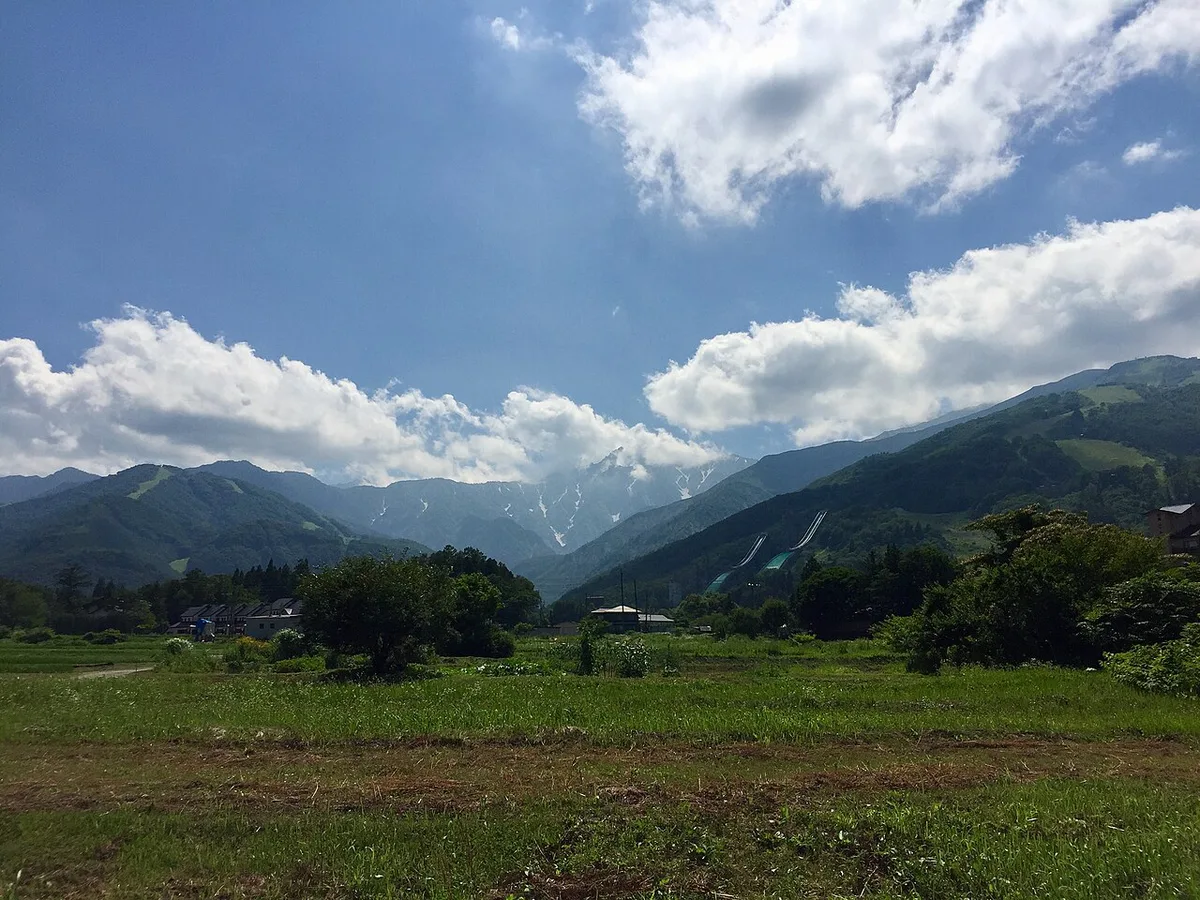
The 10 Hakuba Valley Ski Resorts, Compared
Hakuba Valley groups ten separate ski resorts under one name, and each one has a distinct terrain profile, crowd level, and distance from the main village hubs. Hakuba Valley's ski resorts range from Happo-One's Olympic racing runs to Sanosaka's lakeside cruisers, so picking the right one changes your whole trip. Ability level matters most, since a powder-focused expert base like Cortina plays very differently than a beginner-focused resort like Tsugaike. For context on the wider mountain range these resorts sit in, see the Japan Alps attractions guide.
- Hakuba Happo-One Snow Resort
- Happo-One is Hakuba Valley's largest and most central resort, with steep alpine bowls and Olympic racing runs left from the 1998 Games.
- It suits intermediate and advanced skiers best, and its base sits closest to the valley's main lodging and dining hubs.
- Check current lift and course status directly on the Happo-One official site.
- Hakuba Cortina Snow Resort
- Cortina holds the valley's reputation as its powder specialist, with steep tree runs and a progressive tree-skiing policy.
- It sits farther from Happo and Echoland than the valley's other resorts, so budget extra shuttle or drive time for a day trip there.
- Read the full breakdown in the Cortina resort guide.
- Hakuba Norikura Onsen Snow Resort
- Norikura pairs uncrowded powder bowls and steep mogul lines with on-slope hot springs.
- Its on-slope hot springs let you soak without leaving the ski area after a full day on the mountain.
- It delivers a quieter, more traditional resort feel than the valley's larger bases.
- Able Hakuba Goryu Snow Resort
- Goryu runs night skiing and connects directly to Hakuba47 at the top ridge, so the two resorts effectively ski as one connected mountain.
- Goryu opened its Goryu Morimori Adventure attraction in August 2026, adding a new on-mountain activity alongside its ski terrain.
- Hakuba47 Winter Sports Park
- Hakuba47 houses the valley's dedicated terrain park and halfpipe, plus steep, north-facing slopes that hold snow well.
- Riders base here for freestyle features rather than long cruising runs.
- Tsugaike Mountain Resort
- Tsugaike opens onto exceptionally wide beginner slopes right at the base, one of the easiest starting points in the valley.
- Its upper mountain also gives experienced skiers access to higher-altitude backcountry terrain.
- That combination means Tsugaike can work for a first-timer in the morning and an experienced rider heading toward the backcountry gates in the afternoon.
- Hakuba Iwatake Snow Field
- Iwatake is built around the Hakuba Mountain Harbor observation deck, reachable by gondola without skis or a lift ticket.
- Its groomed tree runs suit intermediate cruisers, and its wide Alps views make it a strong pick for non-skiing travel partners.
- White Resort Hakuba Sanosaka
- Sanosaka looks out over Lake Aoki and offers quiet, well-groomed cruiser runs suited to intermediate skiers.
- It runs more limited operations and English-language support than the valley's five largest resorts, similar to Jigatake, so confirm current hours before visiting.
- Kashimayari Ski Resort Family Park
- Kashimayari combines panoramic Northern Alps views with a dedicated snow park built for kids and tubing.
- Families traveling with young children get an easier learning slope here than at the valley's bigger resorts.
- Jigatake Snow Resort
- Jigatake offers gentle, wide slopes in an uncrowded setting that works well for beginners and families.
- It runs more limited operations and less English-language support than the valley's five largest resorts, so confirm current hours before visiting.
Which Hakuba Resort Should You Choose?
Most travel guides list Hakuba's resorts alphabetically, which tells you little about which one actually fits your trip. Match your priority to a resort instead, using ability level, vibe, and trip goals rather than alphabetical order.
| Traveler Type | Best Resort | Why |
|---|---|---|
| Powder-focused advanced skiers | Cortina or Norikura | Steep tree runs and some of the valley's highest snowfall totals |
| First-time or beginner skiers | Tsugaike or Iwatake | Wide, gentle base terrain and ski school access |
| Non-skiers and view seekers | Iwatake | Mountain Harbor observation deck reachable by gondola |
| Terrain park and freestyle riders | Hakuba47 | Valley's dedicated park and halfpipe |
| Night skiers | Able Hakuba Goryu | Night skiing operation connected to Hakuba47 |
| Families with young kids | Kashimayari or Jigatake | Dedicated kids' snow park and gentle slopes |
When to Visit: Hakuba's Ski Season and Snow Conditions
Hakuba's ski season typically opens in early December, and the valley's higher resorts can keep lifts running into April, occasionally May, depending on snow. January and February bring Hakuba's deepest winter snow along with the highest lift-line and restaurant demand. March usually settles into calmer weather, with fewer crowds and better rates than mid-winter. That reliability comes from Hakuba's location, where winter storms off the Sea of Japan meet the Northern Japan Alps and deposit more than 36 feet of snow across the valley most seasons. Once lifts close for spring, Hakuba shifts into its green season, and Iwatake keeps hiking trails and mountain biking routes open. Confirm current green-season hours directly before planning a summer visit, since schedules shift resort to resort. For a broader seasonal comparison across the region, see the best time to visit guide.
Getting to Hakuba from Tokyo
Two main routes connect Tokyo to Hakuba, and the trade-off is speed versus cost. The Shinkansen to Nagano, followed by a bus transfer into the valley, is the fastest option at around 3 hours total. A direct highway bus from Tokyo runs straight into the valley, takes roughly 5 hours, and costs less than the train-and-bus route. Minimizing cost points toward the bus, which saves money but costs two extra hours on the road. Prioritizing arrival time points toward the Shinkansen route instead, especially with young kids or heavy gear in tow. Private transfers are also bookable door-to-door, which suits families or groups traveling with heavy luggage. Full timetables and booking steps for each route sit in the guide to getting to Hakuba.
Getting Around: The Hakuba Valley Shuttle System
Hakuba's resorts sit along one long valley, so shuttle buses do most of the work of moving skiers between base areas. Some inter-resort shuttle connections are included for All-Mountain lift pass holders, while other routes charge a separate fare. Expect crowded buses during peak morning and afternoon departure windows, especially through the January and February high season. Confirm current shuttle routes and timetables on the official Hakuba Valley site before your trip, since bus numbering can change between seasons. Most visitors get by without a car, relying on shuttle buses, taxis, and accommodation shuttles instead. A car mainly helps if you're staying in a remote chalet or chasing powder at Cortina daily, since that resort sits farthest from the main hubs. Nationwide transit options beyond Hakuba are covered in the guide to getting around Japan.
Despite spreading roughly 19 miles across the valley, most visitors ski Hakuba without renting a car, using shuttle buses, taxis, and accommodation shuttles instead.
Where to Stay: Happo, Echoland, Wadano, and Beyond
Happo and Wadano sit closest to Happo-One's lifts, with ski-in/ski-out potential at some properties and the valley's highest concentration of higher-end lodging. Echoland is Hakuba's dining and nightlife hub, packed with restaurants and bars, though it requires a shuttle ride to reach most lifts. Goryu and Iimori offer a quieter, better-value base, which suits families who don't need to be inside the main village at night. Staying resort-side at Goryu or Cortina cuts your morning commute to the lift. It also pulls you away from Echoland's dining scene each night, so weigh commute time against evening convenience before booking. A full area-by-area breakdown, including which properties sit walking distance from lifts, is in the where to stay in Hakuba guide.
Beyond Skiing: Onsen, Snow Monkeys, and Matsumoto Castle
Hakuba's own onsen culture centers on the alkaline waters around Happo Onsen, a straightforward way to recover after a full day on the mountain. Jigokudani Snow Monkey Park is one of the best-known day trips from the valley. It works as either a half-day or full-day excursion depending on how much time you build in. Matsumoto Castle adds a cultural stop for travelers who want a non-ski day away from the resorts. Plan the monkey park trip using the Jigokudani Snow Monkey Park guide. Combine it with a stop at the Matsumoto attractions guide. A wider look at what else Nagano Prefecture offers beyond Hakuba is in the Nagano attractions guide.
The Hakuba Valley Lift Pass: When It's Worth It
The Hakuba Valley All-Mountain Pass covers all ten resorts on a single lift ticket, which pays off once your trip includes three or more different mountains. A single-resort day ticket costs less upfront and makes sense if you're committing to just one base, such as Happo-One or Tsugaike, for your entire stay. Season passes bring the lowest per-day rate, but they only pay off for visitors skiing more than a few weeks in one winter. According to the official Hakuba Valley site, the 2026/27 All-Mountain Season Pass went on sale July 14, 2026. Exact day-ticket and multi-day pricing shifts season to season, so confirm current rates on the official ticket portal before budgeting your trip. Japan residents may also qualify for a hometown tax donation season pass, a separate purchase route the official site lists for eligible taxpayers.
All-Mountain Pass pays off at three or more different mountains, and most visitors ski two to three resorts per trip.
Mistakes to Avoid in Hakuba
A few avoidable mistakes come up again and again for first-time Hakuba visitors.
- Don't Assume Every Resort Is Walkable
- Hakuba's ten resorts spread across roughly 19 miles of valley, so match your lift pass choice to a realistic shuttle or drive-time budget.
- Book Dinner Before You Arrive
- Echoland and Happo restaurants fill up weeks in advance during January and February, so reserve tables before arrival rather than after.
- Read the Safety Tips and Avalanche Bulletin
- Hakuba's backcountry terrain is genuine alpine ground, and the official site publishes a daily avalanche bulletin sourced from the Japan Avalanche Network.
- Marked-trail skiing doesn't require this reading, but any backcountry or sidecountry route does.
- Pack for Both Resort and Village Temperatures
- Village elevations run lower and warmer than the upper mountain, so layer for a swing between the lift line and dinner in Echoland.
- A full packing checklist is in the Japan Packing List: Seasonal & Essential Travel Guide.
- Underestimate Peak-Season Booking Windows
- Popular areas like Wadano, Happo, and Echoland book up early for late December and February dates, so reserve accommodation well ahead of your travel dates.
- Skip Multi-Day Pass Comparisons
- Multi-day and multi-resort passes often price out cheaper per day than single tickets bought one day at a time, so compare options on the official ticket portal before you commit.
Explore attractions in other cities
Frequently Asked Questions
Is Hakuba suitable for beginners?
Yes. Tsugaike and Iwatake both offer wide, gentle beginner terrain and ski school access, which makes either one a solid first base. Choosing a beginner-friendly resort as your main base also simplifies the shuttle logistics that can otherwise eat into ski time.
How many ski resorts are in Hakuba Valley?
Hakuba Valley includes ten ski resorts spread across one long valley, all bookable on the Hakuba Valley All-Mountain Pass. Most visitors ski two or three resorts in a single trip rather than attempting all ten.
Do I need a car in Hakuba?
No, most visitors get around using shuttle buses, taxis, and accommodation shuttles without renting a car. A car becomes useful mainly if you're staying in a remote chalet or skiing Cortina daily, since that resort sits farthest from the main hubs.
Can I use the Epic Pass in Hakuba?
Epic Pass access to Hakuba resorts has varied by season in past years, so treat any partnership as unconfirmed until you check directly. Confirm the current participating resort list and blackout dates on the pass's own site before booking travel around it.
When is the best snow in Hakuba?
January and February typically bring Hakuba's most reliable winter conditions and its deepest snow. March often still holds good coverage, with longer daylight hours and calmer weather than mid-winter.
How do I get to Hakuba from Tokyo?
The fastest route is the Shinkansen to Nagano followed by a bus transfer, at around 3 hours total. A direct highway bus from Tokyo takes roughly 5 hours but costs less than the train-and-bus combination.
Explore Hakuba Valley
From ten linked ski resorts to onward trips across Nagano, use these guides to plan skiing, lodging, and travel around Hakuba Valley.
Skiing & Resorts
- Hakuba Ski Guide
- Hakuba Valley Ski Resorts: A Complete Guide to All 10 Mountains
- Hakuba Happo-One Guide
- Hakuba Cortina Ski Resort Guide
Plan Your Trip
Nearby & Regional
Free guide: Japan's Hidden Gems
12 under-the-radar places beyond Tokyo & Kyoto — with the best season to visit each and a local tip you won't find in the guidebooks.
You might also like


Continue reading
More guides you'll find useful


