

Hakuba Ski Guide: 10 Resorts, One Valley (2026/27 Season)
Plan a hakuba ski trip with this 2026/27 guide to Hakuba Valley's 10 resorts, lift passes, villages, and shuttle system in Nagano's Northern Alps.
On this page
Last updated September 2026: a hakuba ski trip means choosing among ten resorts spread across one valley, not a single mountain. Set in northwestern Nagano Prefecture, Hakuba Valley sits at the base of the Northern Japan Alps, where peaks rise close to 3,000 meters, and it hosted the 1998 Nagano Winter Olympics. This guide breaks down which resort fits your ability level, where to base yourself, and how the shuttle system connects the valley.
Hakuba Ski Basics: One Valley, Ten Resorts
No single lift ticket covers all of Hakuba, since it is not one ski area. Ten resorts operate side by side across the valley floor, each with its own lifts, trail network, and base facilities. Hakuba's wider attractions extend beyond skiing, but the resorts are the reason most visitors come in winter. Snow reliability and long sightlines come from the valley's position inside the Japan Alps. Understanding that Hakuba is a collection of resorts, not a single mountain, changes how you plan lift passes, lodging, and daily transport.
Choosing Your Mountain: How Hakuba's 10 Ski Resorts Compare
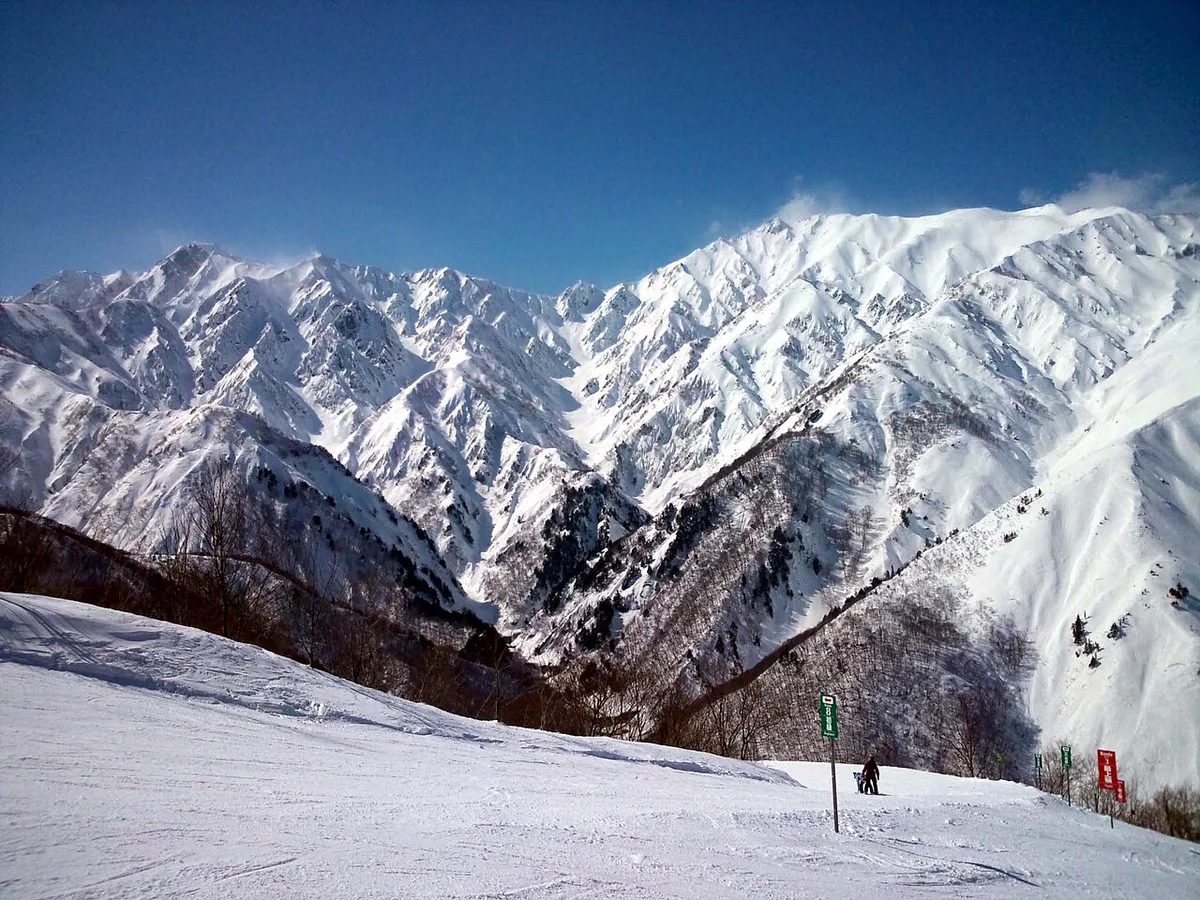
Three resorts anchor the center of the valley. Happo-One carries the valley's steepest reputation, with a 1,071-meter vertical drop and an 8-kilometer cruising run built for the 1998 Olympic downhill events. ABLE Hakuba Goryu and Hakuba47 sit next to each other and share a dual-mountain lift pass. That shared pass is explained further in the valley's resort-by-resort breakdown. Cortina and Norikura hold the valley's deepest snow and the most permissive tree-skiing rules, which suits skiers chasing untracked powder over groomed runs. Tsugaike and Iwatake carry the widest beginner terrain, and Tsugaike's base slope alone spans 1,200 meters. A non-stop gondola there carries skiers and sightseers to the summit. Jigatake, Kashimayari, and Sanosaka round out the valley as smaller, family-oriented hills with gentler grades and shorter lift lines than the big three. Happo-One's full trail breakdown covers lift-by-lift specifics for that resort. Cortina's terrain guide does the same for its tree-skiing zones. The table below compares total course length and beginner-terrain share across all 10 resorts.
| Resort | Best For | Total Course Length | Beginner Terrain Share |
|---|---|---|---|
| Happo-One | Steepest terrain, Olympic downhill runs | 23,300 m | 30% |
| ABLE Hakuba Goryu | Interconnected cruising, night skiing | 12,620 m | 35% |
| Hakuba47 | Terrain park and halfpipe | 13,570 m | 30% |
| Cortina | Deep snow, tree-skiing policy | 13,335 m | 40% |
| Norikura Onsen | Quiet powder bowls, moguls | 8,919 m | 30% |
| Tsugaike Mountain Resort | Wide beginner meadow, long gondola | 20,450 m | 50% |
| Iwatake Snow Field | 360-degree views, non-skier gondola | 18,220 m | 30% |
| Jigatake | Gentle family slopes | 4,800 m | 70% |
| Kashimayari | Family park, snow tubing | 11,100 m | 33% |
| White Resort Sanosaka | Lake Aoki views, cruiser runs | 6,100 m | 40% |
Lift Passes and Gear: Buying Access to All 10 Resorts
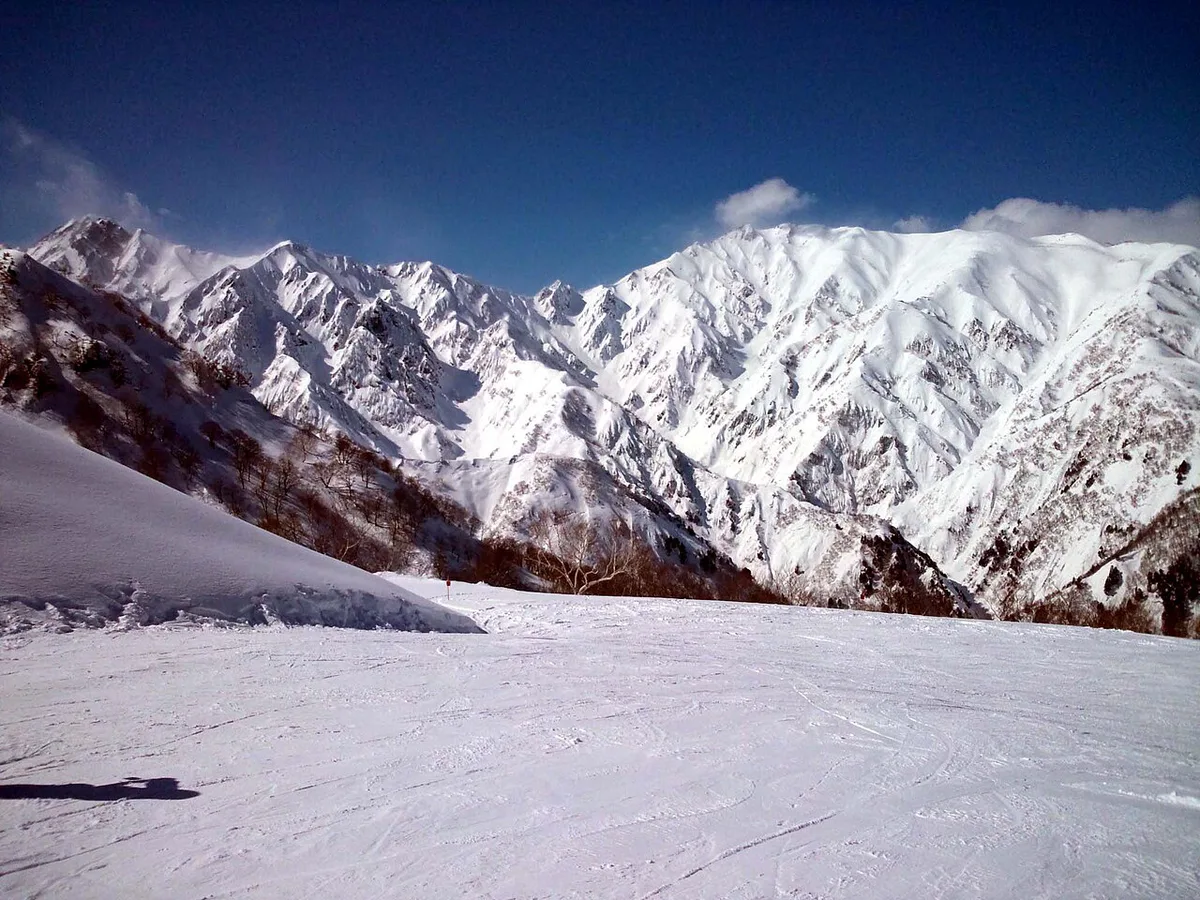
The Hakuba Valley Tourism site sells an All Mountain Pass each season that covers lift access at all 10 resorts on one ticket. Check that site directly for current 2026/27 pricing before booking, since the valley typically opens season pass sales months ahead of opening day. Buying single-resort day tickets at each of the ten hills adds up fast across a multi-day trip. Price the all-mountain option against your planned itinerary before deciding. That same site also lists an Epic Pass option in its ticketing menu. Confirm current-season access rules and blackout dates before relying on it, since partnership terms change from year to year. Village-based rental shops cluster around Wadano and Happo, and picking up gear there the night before your first day avoids lift-base queues on a fresh-snow morning. A Japan ski packing list helps you decide what to bring from home versus rent locally.
Where to Base Yourself: Comparing Hakuba's Villages
Where you sleep affects how much you rely on the shuttle system, since Hakuba's ten resorts sit near four main village clusters. Hakuba's village-by-village accommodation guide covers specific properties in depth. The comparison below breaks down trade-offs between each village.
Green Plaza Hakuba, with 253 rooms and on-site onsen, anchors the valley's largest ski-in/ski-out property, reflecting the standard practice of soaking after a full day on snow.
- Happo and Wadano: the most central base, within walking distance of Happo-One's lifts and Hakuba's largest concentration of restaurants and rental shops.
- Echoland: the valley's nightlife and dining hub, with a wider range of bars and restaurants than the lift-side villages, though most lifts are a shuttle ride away.
- Goryu and Iimori: a quieter, family-oriented base directly under ABLE Hakuba Goryu's slopes, with less foot traffic than Happo or Echoland.
- Tsugaike and Otari: the valley's northern end, closest to Tsugaike Mountain Resort and Cortina. Cortina's Green Plaza Hakuba is the valley's largest ski-in/ski-out hotel, with 253 rooms and its own onsen.
Getting to Hakuba and Around the Valley
Most travelers reach Hakuba from Tokyo, either by direct bus or by Shinkansen to Nagano Station followed by a bus transfer into the valley. Hakuba's full transport guide compares both routes in detail. Once you're in the valley, shuttle buses run between all 10 resort base areas, and some resort-to-resort connections are included for all-mountain pass holders. Taxis operate throughout Hakuba but can be scarce on peak winter nights, especially around Echoland after dinner. Renting a car adds flexibility for reaching Tsugaike or Cortina at the valley's northern end. Winter tires and resort parking are worth checking against a straightforward shuttle-and-taxi plan first. The same logic applies to Japan's broader transport network. Public transport covers most needs there too, and a car stays optional rather than essential.
When to Go: The Hakuba Ski Season 2026/27
Hakuba's ski season typically runs from early December into spring, and some resorts extend further. Goryu's Alps-daira slope, for example, stays open into Golden Week in early May because of its long-season terrain. Valley-wide figures put average annual snowfall at more than 11 meters, which explains why the region draws skiers chasing deep, consistent snow. Nagano's broader winter snow patterns cover how these swings play out across the wider prefecture, not just inside Hakuba Valley. For a broader view of month-by-month timing across the range, see Japan Alps seasonal timing.
Annual snowfall averaging 11 meters, combined with 3,000-meter peaks, supports one of Japan's longest ski seasons, stretching into early May.
- Early season (December): snow reliability builds through the month, crowds are lighter than January or February, and some upper-mountain terrain may still be opening.
- Peak powder (January-February): the most consistent deep-snow window in the valley, but also the busiest, with added demand from Lunar New Year travel.
- Spring skiing (March-April): settled weather and longer daylight hours, with cherry blossoms often reaching nearby Nagano City and Matsumoto later in the season.
Beyond the Slopes: Onsen and Day Trips from Hakuba
Skiing isn't the only reason to build rest days into a Hakuba trip. Soaking in an onsen after a full day on snow is standard practice in Hakuba. The valley has public bathhouses and hotels with their own hot-spring facilities, including options around Cortina and Norikura. Standard onsen etiquette applies throughout the valley. Wash and rinse thoroughly at the shower stations before entering the communal bath. Check each facility's policy on visible tattoos in advance. Jigokudani Snow Monkey Park Travel Guide is one of the most common day trips from the valley, along with Matsumoto Castle and Zenko-ji Temple in Nagano City. Matsumoto's castle and old town pair well with a Nagano-bound travel day. Nagano City's temples and museums fill a non-ski rest day without needing another overnight stay.
Hakuba vs Niseko: How the Two Ski Regions Compare
Both Hakuba and Niseko are popular Japan ski destinations for international visitors, and they suit different priorities. Ten resorts share one valley at Hakuba, linked by shuttle buses and, for pass holders, shared lift access between neighbors like Goryu and Hakuba47. Niseko groups five resorts, with four interconnected on one pass and Niseko Moiwa operating separately. Hakuba's terrain leans steeper toward the top of the mountain. Happo-One carries a 1,071-meter vertical drop built for the 1998 Olympic downhill events. Confirm current travel routes, season dates, and any pass partnerships for both regions before deciding, since details change from year to year.
Mistakes to Avoid When Planning a Hakuba Ski Trip
A few planning mistakes show up often among first-time Hakuba visitors.
- Not booking dinner reservations early: popular restaurants in Echoland and Happo can fill up during January and February. Reserve tables as soon as travel dates are set.
- Underestimating travel time across the valley: resorts stretch from Tsugaike and Cortina in the north to Happo-One and Goryu further south. A shuttle transfer between the far ends takes longer than switching lifts within one resort.
- Assuming every resort shares the same backcountry rules: Cortina is known for a more permissive tree-skiing policy than some neighboring resorts. Confirm off-piste and backcountry rules at each specific mountain before heading out of bounds.
Frequently Asked Questions
Is Hakuba better than Niseko for a ski trip?
Neither region is objectively better, since the right choice depends on priorities like terrain steepness, resort interconnection, and travel routing. Nagano's Hakuba Valley spreads ten resorts across one valley, while Niseko groups five resorts with four of them interconnected on one pass. Compare current travel routes and season dates for both regions before deciding.
Do I need to speak Japanese to ski in Hakuba?
No. Many Hakuba ski schools run lessons in English. Evergreen International Ski School is one example, offering English instruction at multiple valley resorts. It operates at Happo-One and Iwatake. Its instructors also work at Tsugaike and Cortina. Menus, signage, and rental shops around Happo, Wadano, and Echoland are generally set up for English-speaking visitors.
Is Hakuba suitable for non-skiers?
Yes. Iwatake Snow Field runs a gondola to the summit that non-skiers can ride alongside skiers and riders. At the top, the Hakuba Mountain Harbor observation deck gives panoramic valley views without needing skis or a lift ticket beyond the gondola itself. Non-skiing guests can also base themselves in Echoland or Happo for dining and onsen access on days when the rest of the group is on snow.
How many ski resorts are in Hakuba Valley?
Ten ski resorts operate across Hakuba Valley. Happo-One and ABLE Hakuba Goryu sit near the center. Tsugaike and Cortina sit toward the northern end. Most visitors ski more than one resort during a single trip, since several sit next to each other or share a lift pass.
Do I need to rent a car in Hakuba?
Not necessarily. Shuttle buses connect the resort base areas, and some resort-to-resort links are included for all-mountain pass holders. Taxis operate throughout the valley but can be limited on peak winter nights, particularly after dinner in Echoland. A car adds flexibility for reaching the northern resorts like Tsugaike and Cortina, but winter tires and parking are worth weighing against a shuttle-and-taxi plan.
Free guide: Japan's Hidden Gems
12 under-the-radar places beyond Tokyo & Kyoto — with the best season to visit each and a local tip you won't find in the guidebooks.
You might also like


Continue reading
More guides you'll find useful


