

Niseko vs Hakuba: Which Japan Ski Resort Fits You in 2026?
Niseko vs Hakuba compared: snow quality, travel time from Tokyo, terrain, village vibe, dining, and 2026 lift ticket and lodging price ranges.
On this page
Last updated September 2026, the niseko vs hakuba decision comes down to snow style, travel time, and how much English-speaking polish you want around you. Steadier powder and an English-fluent, walkable village define Niseko in Hokkaido, while Hakuba trades some snow consistency for a three-hour Shinkansen ride from Tokyo and steeper alpine terrain in Nagano. This guide breaks down the trade-offs section by section so you can book the right valley for your 2026 season.
Niseko vs Hakuba: The Quick Verdict
Niseko wins on snow consistency and nightlife polish. Hakuba wins on travel time and steep, high-alpine terrain. Both draw intermediate-to-advanced skiers weighing a single high-budget week against Japan's wider slope options. The table below compares both head-to-head, and the sections that follow unpack each row in more depth. For the full country-wide picture beyond these two valleys, start with the skiing in Japan hub. Bookmark the Japan Travel Guide: Plan Your Trip with Expert Tips & Itineraries for the non-ski side of the trip.
| Feature | Niseko (Hokkaido) | Hakuba (Honshu) |
|---|---|---|
| Primary draw | Consistent Japow and nightlife | Steep alpine terrain and Olympic history |
| Snow profile | Frequent light dustings, rarely stops | Big dumps followed by bluebird days |
| Terrain strength | Tree skiing and gate-accessed side-country | High-alpine steeps and backcountry |
| Village vibe | Westernized, luxury, English-first service | Traditional Japanese feel, spread out |
| Access from Tokyo | 7-8.5 hours (flight plus bus) | About 3 hours (Shinkansen plus bus) |
| Typical day lift ticket | ¥7,500-¥9,500 | ¥6,500-¥8,000 |
| Typical lodging per night | ¥15,000-¥50,000+ | ¥7,000-¥18,000 |
| Nightlife | Cocktail bars, fine dining | Izakayas, rootsy local bars |
Getting There: Shinkansen vs Domestic Flight
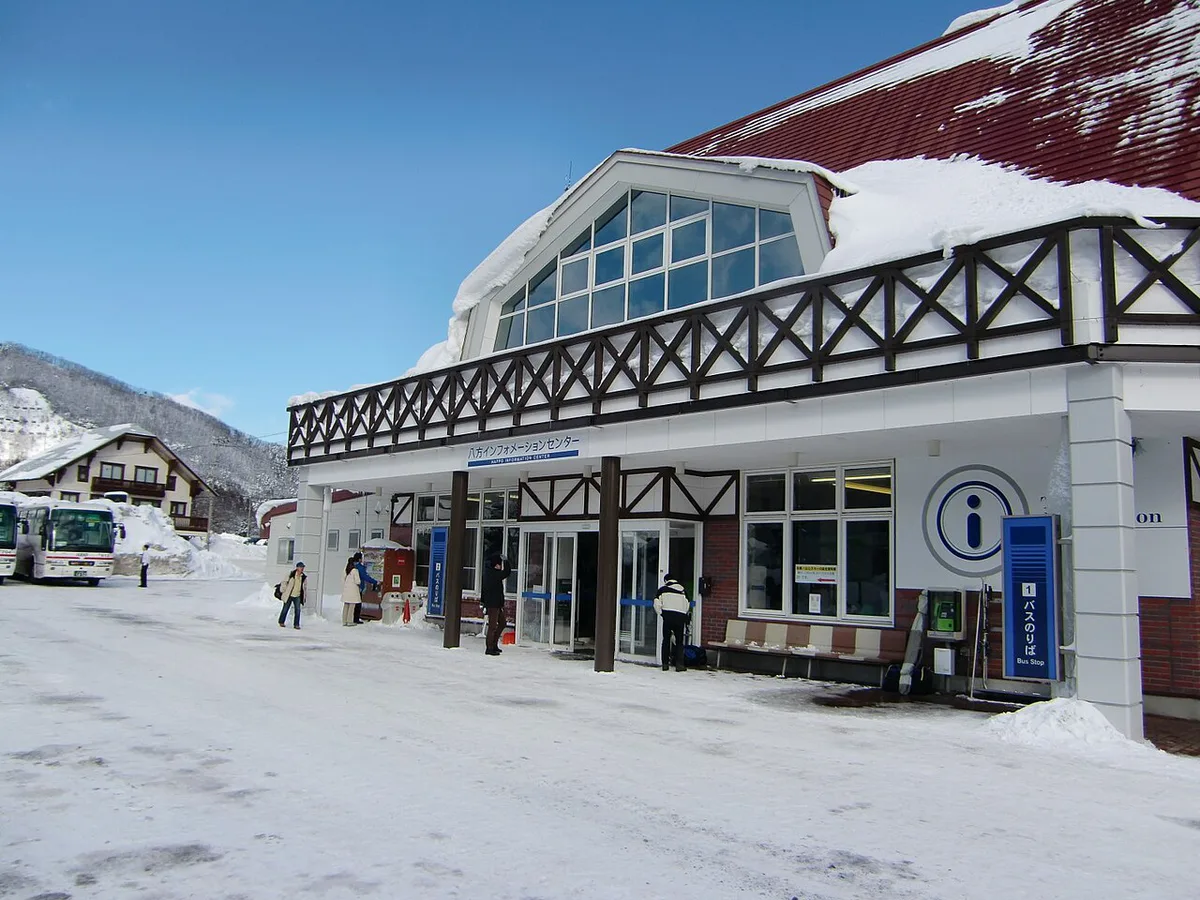
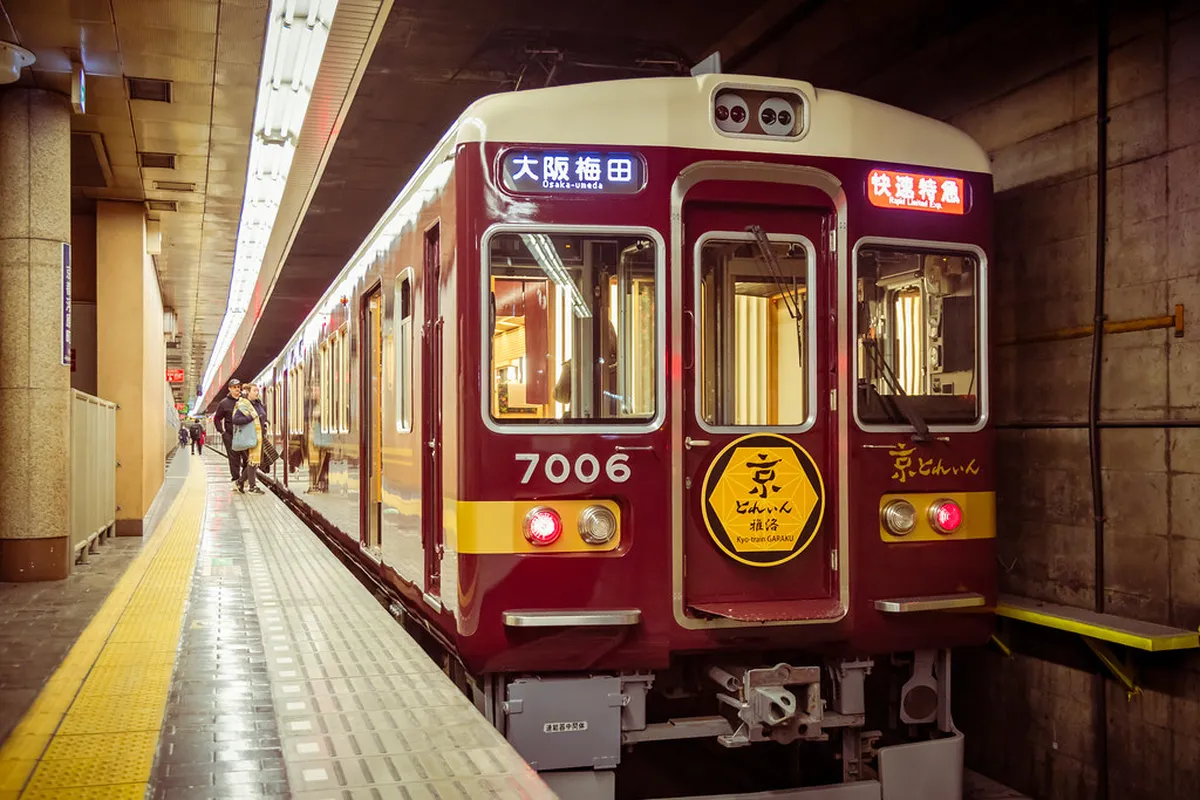
Hakuba sits roughly three hours from Tokyo. Take the Shinkansen to Nagano Station, then transfer to a local bus into the valley. Reaching Niseko demands a bigger commitment. Budget 7 to 8.5 hours door-to-door. The route runs through a domestic flight to New Chitose Airport, followed by a 2.5-to-3-hour bus or private transfer. Travelers combining Tokyo sightseeing with a short ski add-on generally lean toward Hakuba's faster access; the ski resorts near Tokyo guide covers that option in more depth. Anyone planning a longer, single-destination powder trip can absorb Niseko's extra travel time more easily, and the Japan Ski Trip Planning Guide: JaPow Regions, Costs, and Logistics walks through booking that itinerary end to end. Confirm current shuttle schedules directly with the Hakuba Valley official site before you fly, since routes shift each season.
Niseko requires 7 to 8.5 hours from Tokyo; Nozawa Onsen (2 hours) and Myoko Kogen (2.5 hours) offer comparable snow and hot-spring access with much shorter travel.
- Niseko: walkable if you base in Upper or Middle Hirafu, with the four interlinked Niseko United resorts (Grand Hirafu, Niseko Village/Higashiyama, Hanazono, and Annupuri) reachable by lift or shuttle.
- Hakuba: a valley of 10+ separate resorts, where renting a car or relying on the Hakuba Valley Shuttle bus network is close to mandatory.
Snow and Terrain: Dry Powder vs Steep Alpine
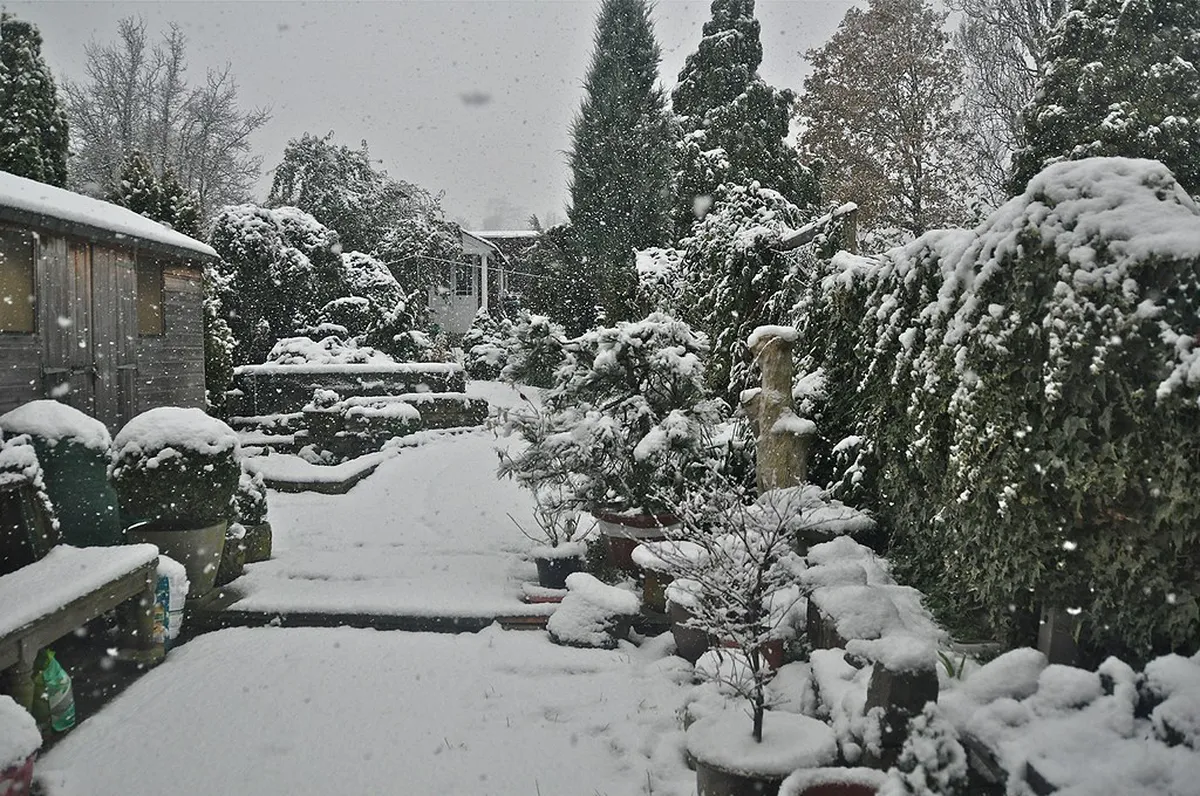
Both islands catch the same Siberian weather system: cold, dry air crosses the Sea of Japan and dumps snow when it hits the mountains. Hokkaido sits closer to that source, so Niseko gets a shorter, colder trip that produces frequent light dustings with lower moisture content. Honshu's longer overwater stretch adds moisture, so Hakuba often sees fewer, heavier dumps punctuated by sunnier bluebird stretches. Advanced skiers chasing mellow, deep glades should look at Niseko's 11-gate backcountry access system, which opens controlled side-country terrain from the lift network. Bigger mountain scale is Hakuba's answer: Happo-One and Tsugaike deliver steep, high-alpine terrain that Niseko's rolling volcanic slopes rarely match. Tsugaike's side-country gates require a mandatory safety briefing with ski patrol, plus a shovel, probe, and transceiver. Rusutsu sits about 40 minutes from Niseko and adds gentle, wide tree runs for a day trip. Cortina, a shuttle ride from Happo-One, holds some of the valley's steepest glades. For lift-by-lift detail on the gate system, see the Niseko Skiing Guide: 9 Essential Tips for Your Trip. Track month-by-month snowfall patterns in the Niseko Snow Season Guide: Best Time to Ski & Ride. Hokkaido's broader winter conditions get their own overview in the Hokkaido in winter guide. Nagano's snowpack and storm cycles are covered separately in the 10 Best Things to Do in Nagano in Winter (2026). Powder hounds with extra days often extend north to Furano in Winter: 9 Essential Things to Know for another dry-snow base. For broader snow-report context across Japanese resorts, the SnowJapan resort guide tracks conditions valley by valley all season.
The Village Experience: Modern Niseko vs Rustic Hakuba
Niseko earns comparisons to Aspen for a reason. Chalets, fine-dining rooms, and English-first service dominate Upper and Middle Hirafu, and the town can feel less like Japan than travelers expect given the density of Western staff and signage. Four interlinked resorts anchor Niseko United: Grand Hirafu, Niseko Village (also called Higashiyama), Hanazono, and Annupuri, with a fifth, Moiwa, sitting just outside the main lift network. Hakuba carries different history. The valley hosted the 1998 Winter Olympics, and Happo-One still trades on that legacy. Guesthouses and ryokans outnumber international hotel chains, and the Echoland and Happo Village neighborhoods keep a rootsier, more local feel than Hirafu's main strip. Onsen etiquette matters in both valleys: some traditional public baths still restrict visible tattoos, so booking a private kashikiri onsen slot sidesteps the issue, even in progressive Niseko. For dining and shopping picks inside the village, the Niseko attractions guide has the specifics.
Dining and Nightlife: Michelin-Tier vs Izakaya
Niseko's after-ski scene runs late and international. Cocktail bars line Hirafu's main strip, and fine-dining rooms such as Kamimura draw skiers willing to book weeks ahead. A multi-course dinner at one of these rooms typically runs ¥15,000-¥25,000 per person. Hakuba trades that polish for izakaya culture. Echoland's small, home-style restaurants serve provincial dishes on shared plates, and a filling izakaya spread there usually costs ¥3,000-¥5,000 per person. Neither valley goes quiet on a powder morning, but Hakuba's bars stay smaller, later-opening, and less cocktail-focused than Niseko's.
Family Suitability and Ski Schools
English-speaking ski schools operate at both resorts, so language rarely decides the family question. Niseko's gentler, rolling terrain around Hirafu suits first-time skiers, and its walkable core means fewer transfers between lodging, lessons, and dinner. Beginner terrain in Hakuba spreads across multiple resorts, which works fine with a car but adds friction without one. Families basing in the Hakuba valley can break up ski days with a side trip to the snow monkey park, where wild macaques soak in outdoor hot springs. Pack for both wet, heavier Honshu snow and dry Hokkaido powder using the Japan Packing List: Seasonal & Essential Travel Guide before you leave.
The Wildcards: Nozawa Onsen and Myoko Kogen
Travelers who find Niseko too Western or Hakuba too spread out have two closer alternatives. Nozawa Onsen sits about 2 hours from Tokyo by Shinkansen and local bus, with a compact, walkable village built around 13 public hot springs. Myoko Kogen is roughly 2.5 hours from Tokyo and spans several linked areas, including Akakura Onsen and Myoko Suginohara, that often see the heaviest snowfall of the four valleys. Deep snow there can be hard going for young or beginner skiers, and the area carries less luxury infrastructure than Niseko. Skiers extending into Tohoku sometimes add the Zao ski area for a change of volcanic scenery.
With 13 public hot springs in a compact village, Nozawa Onsen delivers the onsen and ski combination in 2 hours from Tokyo, versus Niseko's 7 to 8.5 hours.
Common Mistakes to Avoid
Four mistakes account for most trip regrets in either valley. If neither resort matches your priorities on terrain, budget, or access, the 10 Best Ski Resorts in Japan (2026/27): Where to Find the Best JaPow roundup compares the wider field. Confirm exact dates against the Japan ski season guide before locking flights, since timing shifts snow quality more than resort choice does. General seasonal travel advisories are available from the Japan National Tourism Organization.
- Booking late: peak weeks fill fast and push latecomers into pricier or poorly located rooms.
- Underestimating Hakuba's layout: it is a valley of 10+ separate resorts, not one walkable base.
- Ignoring shuttle timetables: the Hakuba Valley Shuttle, not proximity, connects most lodging to the lifts.
- Underestimating Niseko's transfer time: the 7-to-8.5-hour journey from Tokyo needs a rest day before skiing hard.
Crowds and Lift Lines: Centralized Niseko vs Spread-Out Hakuba
Niseko can feel busier because much of its international lodging, dining, ski school activity, and lift access concentrate around Hirafu. On a powder morning, popular Hirafu base lifts can develop queues before the upper mountain opens. Staying in Annupuri or Niseko Village can feel calmer, though shuttles and reservations still matter.
Hakuba’s crowds are distributed across separate resorts and neighborhoods, including Happo-One, Iwatake, Tsugaike, Cortina, Echoland, and Happo Village. That makes the valley feel less uniformly crowded, especially away from its biggest lifts. It does not mean every Hakuba ski day is quiet. Happo-One can have powder-day lift lines comparable to Hirafu.
- Choose Niseko for a social, compact base with easy evening access.
- Choose Hakuba if you are willing to change resorts for a quieter day.
- Check shuttle routes before booking Hakuba lodging far from your chosen lift.
Frequently Asked Questions
Is Niseko or Hakuba better for beginners?
Niseko's rolling terrain and walkable Hirafu base suit first-time skiers well. Hakuba works too, but its beginner slopes spread across separate resorts, so a car or shuttle pass helps. English-speaking ski schools operate at both resorts.
How much does a ski trip to Niseko or Hakuba typically cost?
Expect Niseko to run roughly 20-30% higher than Hakuba on accommodation and dining. Day lift tickets typically cost ¥7,500-¥9,500 in Niseko versus ¥6,500-¥8,000 in Hakuba. Lodging ranges from ¥15,000-¥50,000+ per night in Niseko compared with ¥7,000-¥18,000 in Hakuba.
Can you visit both Niseko and Hakuba on one Japan trip?
Yes, but factor in the travel time between them. Niseko sits 7 to 8.5 hours from Tokyo. Hakuba is about 3 hours away. Most itineraries treat them as separate week-long bases rather than a quick add-on to each other.
What is the biggest terrain difference between the two resorts?
Tree skiing through Niseko's 11-gate backcountry system is mellower and deeper. Steeper, higher-alpine terrain at Happo-One and Tsugaike gives Hakuba a bigger-mountain feel.
Are there tattoo restrictions at onsens in Niseko or Hakuba?
Some traditional public onsens in both valleys still restrict visible tattoos. Booking a private kashikiri onsen slot avoids the issue in either location.
When is the best time to visit for powder in either resort?
January through February typically brings the most consistent snow to both valleys. Niseko keeps cold temperatures longer into the season, while Hakuba's snow quality can soften faster when winds shift south.
Free: The Niseko Essentials guide
Top things to do, where to stay, a perfect day plan, getting around, and the best time to go — a Niseko mini-guide you can take offline.
You might also like


Continue reading
More guides you'll find useful


