Shichi-Go-San Guide: Tokyo Traditions, Dates & Shrine Visits
Plan Shichi-Go-San in Tokyo with 2026 timing tips, shrine etiquette, kimono and hakama traditions, and cost guidance for visiting Meiji Jingu, Hie Jinja, and Kanda Myojin.
On this page
Last updated September 2026, shichi go san remains Japan's rite-of-passage festival for children turning three, five, and seven, observed at Shinto shrines across Tokyo every November. Families visit shrines such as Meiji Jingu and Kanda Myojin in the weeks around the traditional date of November 15. This guide explains the ritual's meaning, the best places to watch it in Tokyo, and how to plan around the 2026 calendar.
What Is Shichi-Go-San? Tokyo's November Rite of Passage
Shichi-Go-San (七五三, seven-five-three) marks a child's growth at ages three, five, and seven. In modern practice, girls typically celebrate twice, at three and seven, while boys mark the day once, at five, and sometimes again at three. Odd numbers are considered lucky in East Asian numerology, which is why families gather at these specific ages rather than annually. Some trace its roots to the Heian period, when court nobles celebrated similar milestones for their children. Others link it instead to the Muromachi period, when high child mortality made simply reaching these ages worth a public thanks. The tradition fixed on November 15 after the fifth Tokugawa shogun, Tsunayoshi, held rites for his son Tokumatsu on that date in 1681. It is not a national holiday, so shops, offices, and schools in Tokyo operate normally through it. Because of that, most families shift their shrine visit to the closest weekend rather than insisting on the exact calendar date. For the fuller run of Tokyo's autumn events, the city's November events calendar covers what else overlaps this month.
The Meaning Behind the Ages: 3, 5, and 7
Families choose between two ways of counting a child's age when picking which year to celebrate. Kazoedoshi, the traditional method, counts a newborn as age one and adds a year every New Year's Day. Under that older system, families mark Shichi-Go-San when a child is actually two, four, or six by modern counting, a year earlier than the milestone age itself. Most families in Tokyo now use man-nenrei, the birthday-based modern method, and wait until the child turns three, five, or seven outright. Shrines make no distinction between the two approaches when a family arrives for a blessing. Each age also carries its own named ritual, rooted in samurai-era customs:
- Age three – Kamioki (hair-leaving): historically the age when a shaved-head child was allowed to grow their hair out; both boys and girls mark it today.
- Age five – Hakamagi-no-Gi: boys wear a formal hakama and haori jacket for the first time, a step toward the responsibilities of boyhood.
- Age seven – Obitoki-no-Gi: girls exchange the soft cord tying their kimono for a stiff, adult-style obi sash.
Shrine Rituals and Traditional Dress
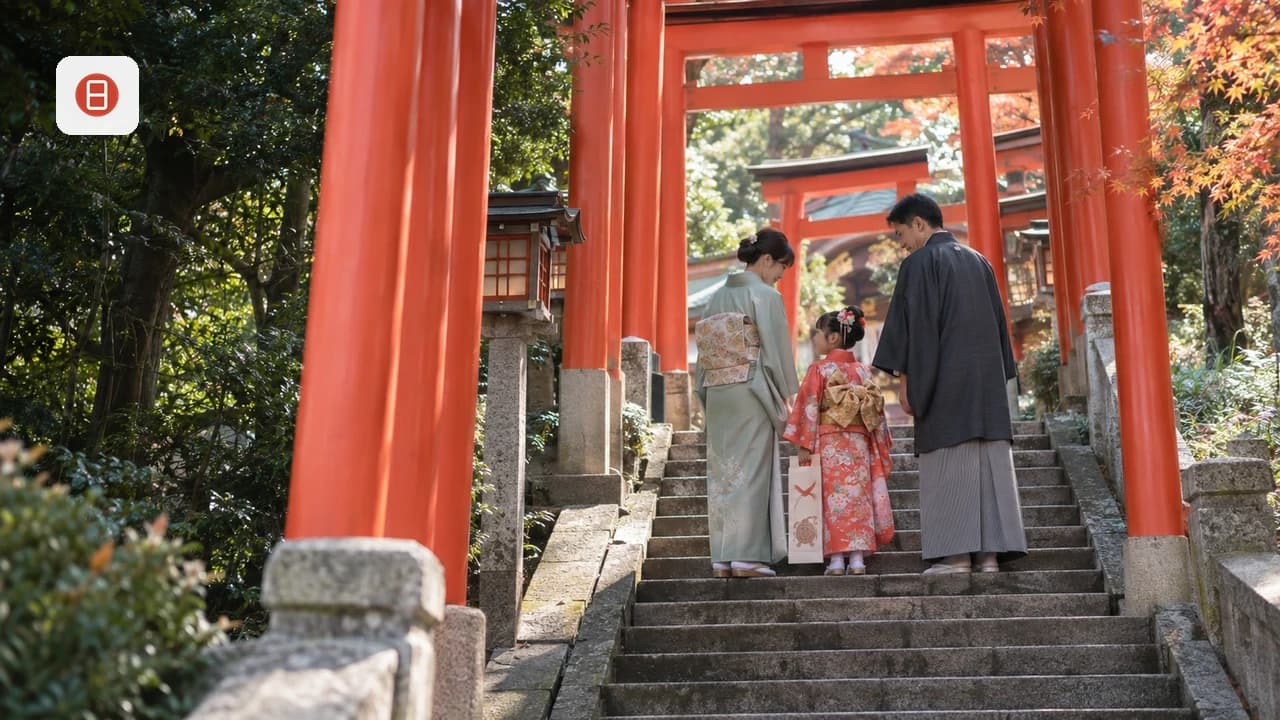
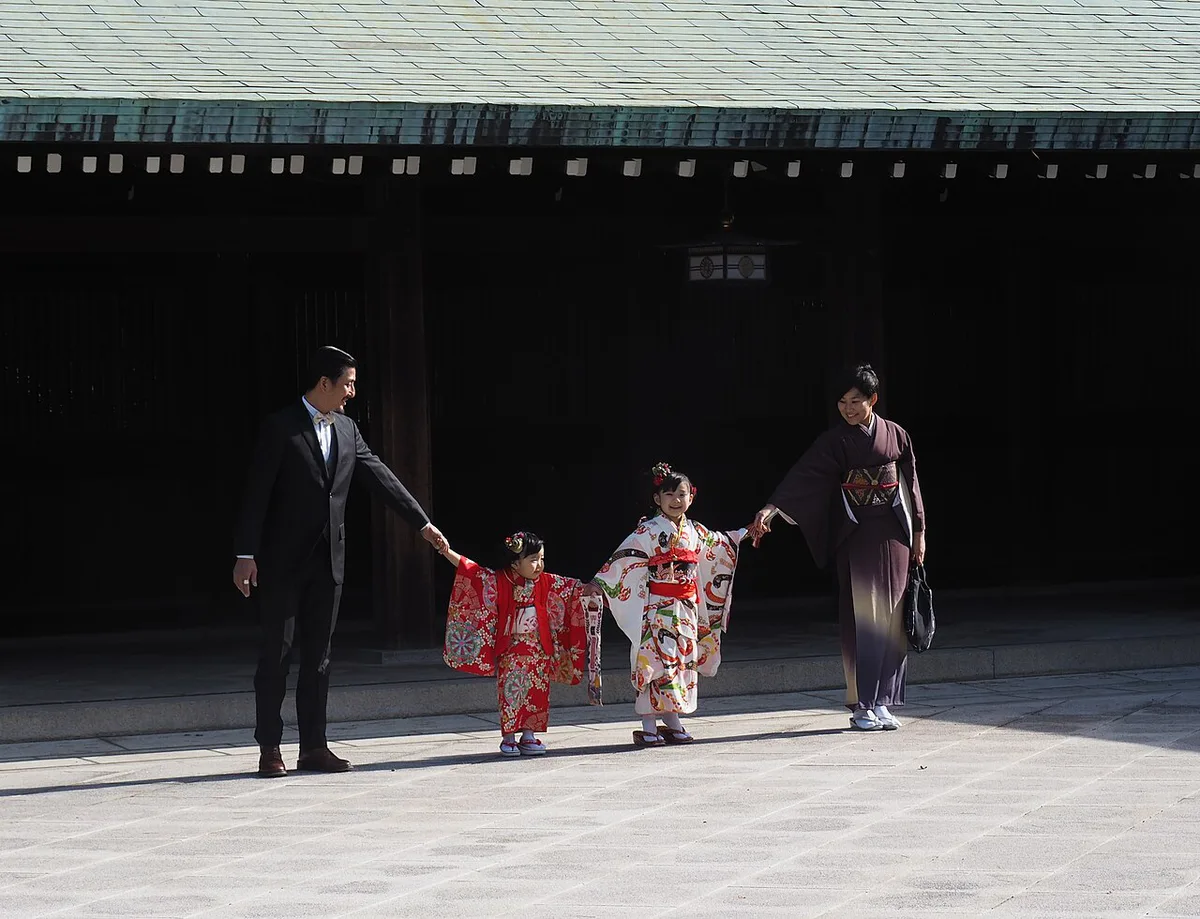
At the shrine, a priest purifies the family with a sakaki branch tied with paper streamers, waved side to side to invoke the shrine's kami. Parents and children then offer a similar branch, called a tamagushi, at the altar. A shrine maiden typically closes the blessing with a ceremonial dance before the family collects their child's gifts. Three-year-olds usually wear a padded vest called a hifu over their kimono, since they have not yet graduated to a stiff obi sash. Five-year-old boys wear their first formal hakama trousers and a haori jacket, sometimes with a small ceremonial dagger for the full look. Seven-year-old girls trade that softer style for an adult-style kimono cinched with a proper obi, the ceremony's namesake obitoki, or sash-untying. After the blessing, children often receive additional gifts: hamaya, decorative arrows believed to ward off misfortune, and omamori amulets for protection.
Chitose Ame: The Thousand-Year Candy
Chitose ame, meaning thousand-year candy, is a long, thin stick colored red and white, the traditional celebration colors in Japan. Each child typically receives sticks matching their age, so a three-year-old gets three and a seven-year-old gets seven. The candy runs roughly 15 inches long and is wrapped in a thin, edible sheet called oblaat before it goes into the bag. That bag is usually printed with cranes and turtles, both symbols of longevity. Some bags use pine, bamboo, and plum motifs instead, standing for resilience and steady growth. Tokyo's Kanda Shrine is credited as the birthplace of chitose ame, and the tradition later spread nationwide.
Where to Watch Shichi-Go-San in Tokyo
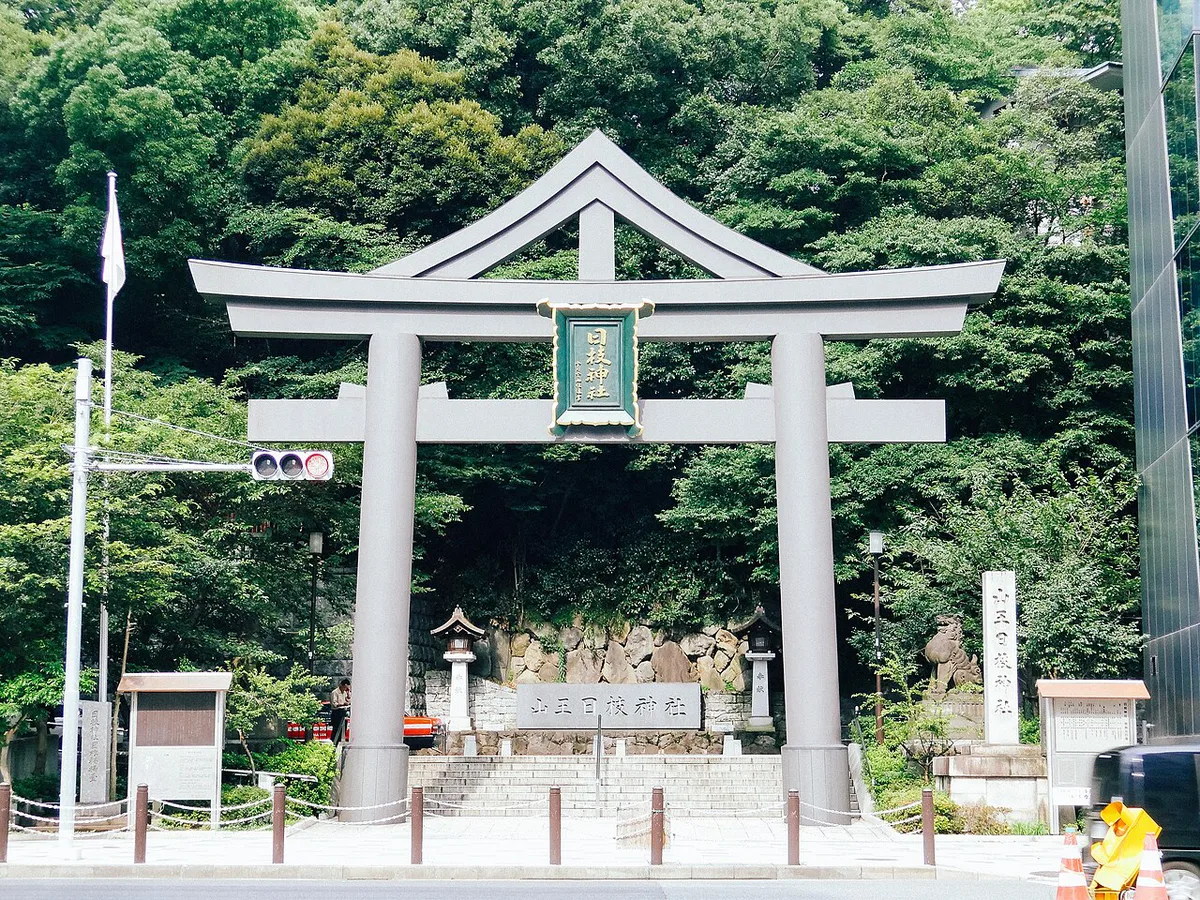
Three Tokyo shrines draw the most Shichi-Go-San visitors each November: Meiji Jingu, Hie Jinja, and Kanda Myojin. Watching from a respectful distance near the shrine's main hall usually gives the clearest view of family processions and photography. Most Tokyo neighborhoods also have their own local shrine that runs smaller Shichi-Go-San blessings, which is actually where the majority of Tokyo families go.
November 15, 2026 falls on a Sunday, the busiest day at Meiji Jingu, Hie Jinja, and Kanda Myojin; plan weekday visits for quieter ceremonies.
- Meiji Jingu (Harajuku): a major shrine with steady family traffic through early-to-mid November. The shrine's official site lists current visiting information before you go.
- Hie Jinja (Akasaka): a quieter alternative to Meiji Jingu, with a steady run of family blessings on weekend mornings.
- Kanda Myojin: a historic shrine that also draws Shichi-Go-San visits. It sits near several central Tokyo attractions worth combining with the trip.
Photography: Studio Portraits vs. On-Location Shoots
Photography is as central to modern Shichi-Go-San as the shrine blessing itself. Many families still book a studio portrait session, with hair, makeup, and a rental kimono handled indoors under controlled lighting. A growing number instead hire a photographer for an on-location shoot at the shrine grounds, capturing the actual blessing and candid moments with grandparents. On-location shoots require booking the shrine's photography window in advance during peak weekends, since crowds and other families' sessions compete for the same backdrops. Some families try to schedule their photography for the shrine's quieter early hours, before weekend crowds build up. Studio portraits, taken any day before or after November 15, avoid that scheduling pressure and give families more control over the final images.
Timing Your Visit: November 15, 2026, and the Weeks Around It
Shichi-Go-San observance in Tokyo runs longer than one date. Shrine visits happen anytime from early November through the weekend closest to November 15, which spreads the crowds out somewhat. November 15, 2026 falls on a Sunday, so expect the single busiest day of the season at every major shrine. Families who want a quieter blessing often choose an earlier weekday instead, since the ceremony carries no fixed date requirement. Weekday mornings in early November typically draw far fewer families than the peak weekend immediately before and after November 15. If you only want to observe the atmosphere, plan a weekday visit instead of booking a ceremony yourself. Treat the November 14 to 15 weekend as a photography-crowd event, not a quiet one. Tokyo's rooster market, Tori-no-Ichi, runs on its own lucky-day calendar the same month, so you can often combine both events in one November trip. For a sense of how different Tokyo's event calendar feels in other seasons, the summer festivals guide covers the crowded matsuri and fireworks months instead.
Costs: Full Package vs. DIY Shrine Visit
Families weighing a full package against a simpler shrine visit face a real cost spread. A full package usually bundles several add-ons into one price, sitting at the top of the range. A do-it-yourself version skips the studio and hotel add-ons. You rent only the outfit and pay the shrine's standard offering, which costs a fraction of the full package. A typical full day runs hair and makeup styling in the morning, the shrine blessing at midday, and a photo session afterward. Most days end with a family meal to close things out. Rental shops and photo studios near Meiji Jingu, Hie Jinja, and Kanda Myojin publish their own current package pricing. Check directly with a shop before you book, rather than assuming a fixed rate.
- Hair and makeup styling for the child
- A rental kimono or hakama outfit
- A hotel or studio morning-of arrangement
- Professional studio or on-location photography
Etiquette and Mistakes to Avoid
Watching respectfully means staying outside the roped-off ceremony area. Never step into a family's private blessing to get a better photo. Keep flash photography off inside the main hall. Ask permission before photographing a specific family up close, rather than assuming it's welcome. Save loud conversation and phone calls for outside the shrine grounds, since blessings are quiet, personal moments for the families involved. A few planning mistakes come up often enough to flag in advance:
- Booking a rental kimono too late: popular styles and sizes at Tokyo studios sell out weeks before mid-November.
- Ignoring weather contingencies: formal kimono and hakama are not built for rain, so confirm a shrine's indoor waiting area or a backup date.
- Pushing through kimono fatigue: a toddler in a stiff hifu vest for several hours can melt down fast, so build in breaks or shorten the shrine portion of the day.
Shichi-Go-San in Tokyo's Modern Culture
Shichi-Go-San shows up often in Japanese anime and manga, including an episode of Crayon Shin-chan built around the Nohara family's celebration and a Chibi Maruko-chan storyline where cousins gather for the day. An episode of Dragon Ball Z even jokes about a character's formal outfit, comparing it to a 'Shichigosan suit.' Those depictions reflect how central the shrine-and-photo routine has become to the festival's modern identity. What started among Heian-era court nobles spread through the samurai class before reaching commoners by the Meiji period. Today, the festival functions as much as a family photography milestone as a religious observance. Go Tokyo's official tourism guide lists Shichi-Go-San alongside the city's other seasonal events for visitors planning a November trip.
How to Arrange a Shichi-Go-San Blessing at a Tokyo Shrine
A shrine blessing is intended for the child and accompanying family, rather than for visitors who simply want to watch. Families should check the shrine’s official Shichi-Go-San page before choosing a date. Procedures, reception hours, photography rules, and reservation requirements can differ by shrine and season.
At Meiji Jingu, Hie Jinja, and Kanda Myojin, begin at the reception or prayer office rather than entering the main hall directly. Staff will explain the available ceremony time, the offering process, and where the family should wait. Bring the child’s name and age details if the shrine requests them.
- Choose a weekday morning for shorter waits and calmer photographs.
- Confirm whether outside photographers need advance permission.
- Allow time for dressing, check-in, purification, and the ceremony.
Travelers without children can still enjoy the seasonal atmosphere from public paths. Do not join a family-only reception line or treat a blessing as a public performance.
Frequently Asked Questions
What is Shichi-Go-San and when is it celebrated?
Shichi-Go-San is a Japanese rite of passage for children turning three, five, and seven, marked with a shrine visit and blessing. The traditional date is November 15, though most Tokyo families visit on the nearest convenient weekend instead.
Is Shichi-Go-San a public holiday in Japan?
No, Shichi-Go-San is not a national holiday. Schools, offices, and shops across Tokyo stay open as normal, so families simply schedule their shrine visit around their own calendar.
What is the difference between kazoedoshi and modern age counting for Shichi-Go-San?
Kazoedoshi is the traditional method, which counts a newborn as age one and adds a year every New Year's Day. Under that system, a family celebrates when the child is actually two, four, or six by today's birthday-based counting. Most families now use the modern method instead and wait for the child's real third, fifth, or seventh birthday year.
Can tourists watch Shichi-Go-San ceremonies at Tokyo shrines?
Yes, shrines such as Meiji Jingu, Hie Jinja, and Kanda Myojin are open to the public during Shichi-Go-San season. Stay outside the roped ceremony area and skip flash photography near the main hall. Avoid photographing a specific family up close without asking first.
What is chitose ame and why is it given to children?
Chitose ame is a long, red-and-white candy given to children on Shichi-Go-San as a symbol of long life. Each child typically receives one stick for every year of their age, and the candy comes in a bag printed with cranes and turtles.
Where can visitors see the most Shichi-Go-San activity in Tokyo?
Meiji Jingu, Hie Jinja, and Kanda Myojin draw the most dressed-up children each November. Weekday mornings in early November are quieter than the November 14 to 15 weekend around the official date.
How much does a Shichi-Go-San package typically cost?
There is no single fixed price, since packages range from a simple rental and shrine offering to a full studio and hotel arrangement. A do-it-yourself shrine visit costs a fraction of a full package that includes hair, makeup, and professional photography. Rental shops near Meiji Jingu, Hie Jinja, and Kanda Myojin list their own current pricing directly.
What do children wear for Shichi-Go-San?
Three-year-olds usually wear a padded hifu vest over a kimono. Five-year-old boys wear a hakama and haori jacket for the first time. Seven-year-old girls wear an adult-style kimono with a formal obi sash instead of a simple cord.
Do Shichi-Go-San celebrations happen outside Tokyo too?
Yes, shrines across Japan hold Shichi-Go-San blessings every November, not only in Tokyo. The rituals, attire, and chitose ame tradition stay largely the same nationwide, though crowd size varies by shrine and city.
Free: The Tokyo Essentials guide
Top things to do, where to stay, a perfect day plan, getting around, and the best time to go — a Tokyo mini-guide you can take offline.
You might also like


Continue reading
More guides you'll find useful