
Japan in November: Peak Foliage Timing & Travel Guide (2026)
Plan Japan in November with a week-by-week foliage tracker: peak momiji timing in Kyoto, Tokyo's ginkgo season, festival dates, and 2026 booking tips.
On this page
Last updated September 2026. Japan in November rewards travelers who treat the month as a moving target, not a fixed date. Peak color starts in the northern mountains and slides south to the city temples over roughly four weeks. This guide breaks the month into early, mid, and late windows, covering where koyo peaks from Nikko's high slopes to Kyoto's Eikando and Tofukuji.
Japan in November: The Moving Target of Peak Koyo
Momiji, Japanese for the reddening maple leaves that define autumn here, moves north to south and high to low across roughly six weeks. Color starts in Hokkaido's mountains in late September, works through Tohoku and the high country in October, and doesn't reach the low-lying city temples until November. Seasonal outlooks from the Japan Meteorological Agency let you sanity-check a specific koyo forecast before booking flights. A dedicated fall foliage forecast tracks the same shift week by week, letting you adjust an itinerary as the picture sharpens. For the complete season beyond just this one month, the Autumn in Japan: The Complete 2026 Koyo Travel Guide guide maps color from September through early December. Elevation buys you time. When the temples near your hotel are still green, head for higher ground. When the mountains have already dropped their leaves, the city gardens are just getting started. This high-to-low, north-to-south pattern plays out in every region, not just the Tokyo-Kyoto corridor. Mountain towns such as Takayama color up well before lower elevations nearby. Coastal spots such as Miyajima's Momijidani Park near Hiroshima follow the same rule, usually turning later than the inland mountains around them. For the wider regional picture, the Hiroshima autumn colors guide covers timing beyond just Miyajima. November also carries a practical safety edge over the two months before it. Most of Japan's typhoon season has wound down by the time koyo peaks, giving clearer skies for photography and outdoor temple visits.
| Region / Spot | Typical Peak Window |
|---|---|
| Lake Chuzenji & Kegon Falls (Nikko) | Late October to around November 1 |
| Fuji Five Lakes Momiji Corridor (Kawaguchiko) | November 10 to 20 |
| Mount Takao (Tokyo suburbs) | Around the third week of November |
| Meiji Jingu Gaien ginkgo avenue (Tokyo) | November 22 to 30 |
| Kyoto's Eikando, Tofukuji, and Nanzen-ji | Mid-to-late November into early December |
| Kamakura's Engaku-ji | Mid-November to early December |
Early November (Nov 1-10): Head for the Mountains First
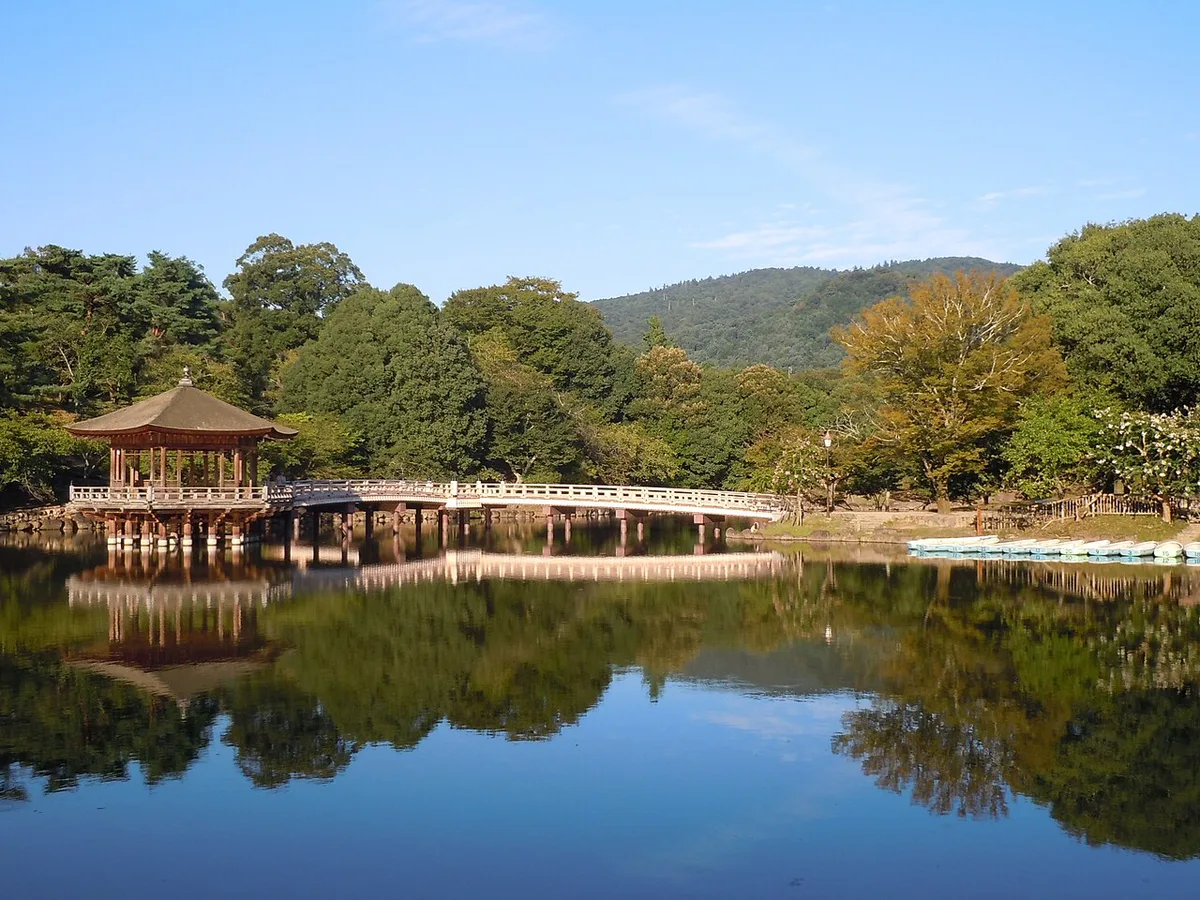
City temples are rarely ready in the first ten days of the month, so early arrivals get more mileage from altitude than from Kyoto or central Tokyo. Lake Chuzenji and Kegon Falls, covered in the Nikko Fall Foliage When To See: 10 Essential Tips & Spots, typically peak from around October 18 through the first of November. An early-November visit often catches the tail end of color at the lake, with fuller color lower toward the shrines. Nikko works as a day trip from Tokyo, though the Toshogu shrine complex under color rewards an overnight stay. Kawaguchiko runs its Momiji Festival across the entire month. A roughly hundred-tree stretch called the Momiji Corridor, on the lake's north shore, tends to peak from November 10 to 20. Book the first week of that window if Mount Fuji views matter most. Fuji does not always cooperate, so build a buffer day into any itinerary centered on that view. For a broader sense of how this early window fits the rest of the year, the Best Time To Visit Japan: A Seasonal & Monthly Travel Guide overview lays out the seasonal trade-offs.
Lake Chuzenji peaks October 18 through the first of November while Kyoto's temples won't peak until late November, making early trips ideal for mountain visitors rather than temple crowds.
Mid-November (Nov 11-20): Tokyo's In-Between Window
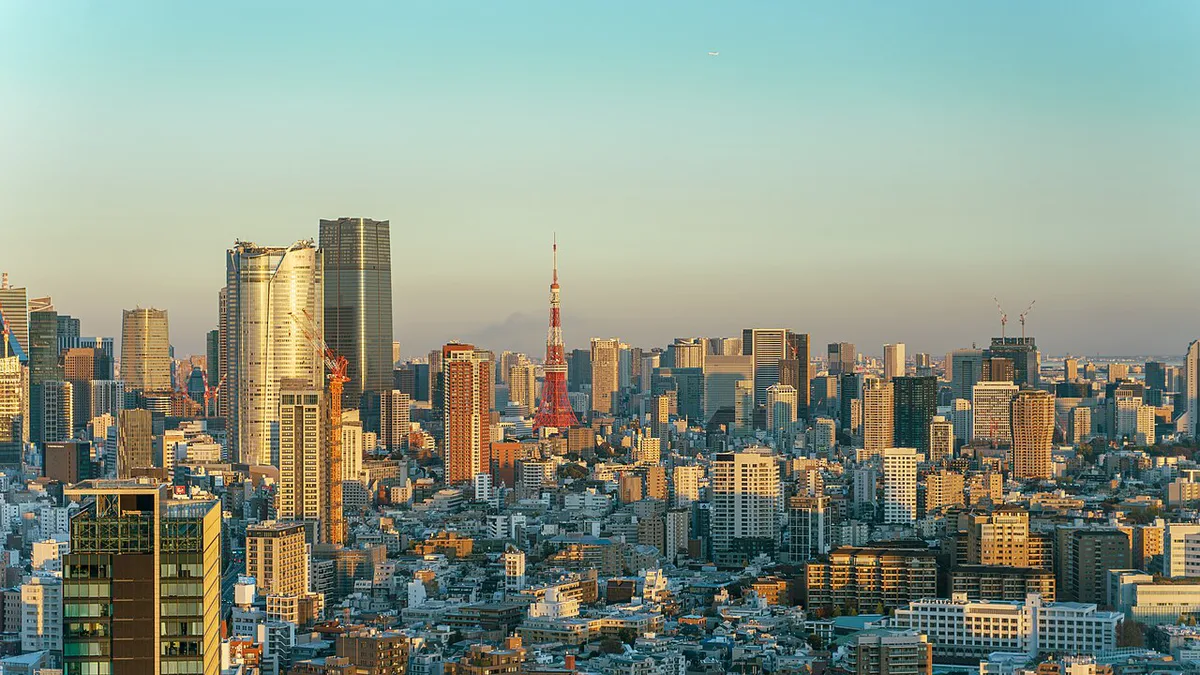
By the second week, Tokyo sits in a genuine in-between. Lower gardens are just starting to turn while the mountains up north are often already bare. Mount Takao, a train ride into the western suburbs, is the best mid-month pick, with its slopes usually running orange and red around the third week of November. A cable car covers the climb if hiking isn't the plan, though weekday mornings are far quieter than weekends. Central Tokyo's marquee spots, including the ginkgo-lined Icho Namiki avenue, are still warming up in this window but close behind. If your dates land here instead of late November, the Japan in October 2026: Weather, Foliage Timing, and Festival Guide guide helps calibrate expectations against the prior month before you commit to an itinerary.
Late November (Nov 21-30): Kyoto and Tokyo Both Peak
Late November brings the country's best-known destinations into alignment, all within the same ten days. Kyoto's famous spots, covered in depth in the Kyoto Autumn Foliage: 10 Best Places and Planning Tips, typically hit peak color from mid-to-late November into early December. Eikando, formally Zenrin-ji, holds roughly 3,000 maple trees around a reflecting pond and runs an evening illumination from about 5:30 to 8:30 p.m. Recent seasons have priced that illumination around ¥600 to 1,000 per person, so confirm the current 2026 figure before you go. Tofukuji's Tsutenkyo Bridge delivers one of the country's most photographed maple views, and the temple caps the number of visitors allowed on the bridge at peak times. Arashiyama's color runs along the surrounding hills and riverbanks rather than the district's evergreen bamboo grove. Nara Park's maples, detailed in the Nara Autumn Foliage Guide: Best Spots, Timing, and Tips, run at or near peak in this same window. Nara's Shosoin exhibition at the Nara National Museum usually overlaps with the park's koyo, though exact dates shift each year, so check current listings before you plan around it. Tokyo peaks on the same calendar. Meiji Jingu Gaien's ginkgo avenue turns gold and typically peaks between November 22 and 30. Evening lighting there runs from late afternoon into early evening. Rikugien's autumn illumination, where lit maples reflect on the strolling garden's pond, runs the same late-November stretch into the first week of December.
Where to Stand in Kyoto Without Fighting the Crowds
Eikando draws the biggest lines in eastern Kyoto, and Nanzen-ji sits just a few minutes' walk away with a fraction of the crowd. Its brick aqueduct running through the temple grounds gives you space to stand still with a camera instead of shuffling forward in a queue. A walk along the Philosopher's Path connects this whole eastern stretch, so you can string several temples together on foot with color most of the way. Tofukuji's bridge gets a genuine crush of visitors at midday, so arrive right at opening or skip the bridge entirely and view the valley from elsewhere on the grounds. Evening illuminations spread visitors across a longer window than the daytime rush, so a light-up visit can be the calmer option even at popular temples. For more temple-by-temple picks beyond Kyoto, the best places for autumn leaves roundup covers the wider list.
Evening illuminations at Kyoto temples spread crowds across a longer window, but later hours mean temperatures drop to 5 to 9°C (41 to 48°F), requiring layers even when daytime peaks near 17°C.
Kamakura: The Late-Season Safety Net
Travelers whose dates run into early December, after Kyoto has started to fade, have a reliable fallback in Kamakura. Engaku-ji, a one-minute walk from Kita-Kamakura station, usually reaches full color from mid-November into early December, often right as the Kyoto peak is winding down. The Kamakura Autumn Leaves Guide: 10 Best Spots & Tips covers the temple gardens in more depth, and the town works easily as a day trip from Tokyo. If Hasedera is on the route, its lit maples after sunset in late November add a coastal counterpoint to the inland illuminations further west.
Festivals and Cultural Events to Plan Around
Foliage isn't the only reason the month draws crowds. Several national and regional events cluster inside a few weeks, and knowing the dates helps you plan around the crowds instead of into them. The Autumn Festivals in Japan: 2026 Dates, Costs, and Where to Go guide rounds up more of the season's events beyond this list. Japan's official tourism guide advises booking sumo tickets ahead of time, since the best seats for the Fukuoka tournament go fast. Kyushu pairs its festival calendar with milder weather and its own culinary season, and the Fukuoka autumn festivals guide covers the regional lineup in more detail.
- Culture Day (Bunka no Hi), November 3: a national holiday with free entry to many museums and added crowds at major sights.
- Shichi-Go-San, November 15: families bring children aged three, five, and seven to shrines dressed in traditional kimono, with Meiji Jingu among the most visited spots for it.
- Labor Thanksgiving Day (Kinro Kansha no Hi), November 23: another national holiday that adds a domestic travel spike on top of the peak foliage crowds.
- Fukuoka Grand Sumo Tournament, mid-to-late November: the year's final honbasho, held in Fukuoka.
- Karatsu Kunchi, November 2-4, in Saga Prefecture: a festival built around ornate parade floats, with the final day, November 4, as its centerpiece.
Weather, Packing, and Regional Temperature Swings
November spans genuine climate variety, from near-freezing mornings in the north to short-sleeve afternoons in the south. Kyoto itself runs mild by day and cold after dark. Daytime highs sit around 14 to 17°C (57 to 63°F), with overnight lows near 5 to 9°C (41 to 48°F). A warm afternoon at a temple can turn cold fast once the sun drops behind a wall, which catches visitors in a single fleece more often than in any other month. Layer instead: a base layer, a removable mid layer, and a packable outer shell for after-dark illumination visits cover most of the range you'll hit. The Japan Packing List: Seasonal & Essential Travel Guide breaks down a fuller kit for travelers continuing north toward Hokkaido or Tohoku, where gloves and a heavier coat earn their place.
| Region | Typical November Range |
|---|---|
| Tokyo & Kyoto | 9-17°C (48-63°F) |
| Sapporo, Hokkaido | 3-10°C (37-50°F) |
| Fukuoka & Nagasaki, Kyushu | 11-18°C (52-64°F) |
Booking Logistics: Costs and Mistakes to Avoid
Kyoto hotel inventory for late November typically books out by May or June, six months ahead of the trip, so treat lodging as the first booking, not the last. Waiting until autumn to search often means settling for a property well outside the city center or paying a steep last-minute rate. Rail passes deserve early comparison too. The JR Pass price increase from recent years has narrowed its advantage on short regional hops. Weigh it against single tickets or a regional pass for a Tokyo-Kyoto-Nara route before defaulting to the national pass. IC cards such as Suica, Pasmo, or Icoca still cover city transit either way and are worth loading before day one. For the wider trip-planning basics, including visas and getting from the airport, the Japan Travel Guide: Plan Your Trip with Expert Tips & Itineraries covers the logistics this section doesn't.
Frequently Asked Questions
Is early November too early for Kyoto's fall colors?
Yes, in most years. Kyoto's low-lying temples typically don't reach peak until mid-to-late November into early December, so early-month arrivals do better heading for altitude at Nikko or the Fuji Five Lakes instead.
What's the difference between koyo and momiji?
Koyo is the general Japanese term for autumn foliage color change across the whole country. Momiji specifically means the maple leaves themselves, the reddening trees most people picture when they think of the season.
How do you see the evening illuminations in Kyoto?
Temples such as Eikando and Kiyomizu-dera run evening light-ups from around mid-November into early December, with each temple setting its own exact dates. Eikando's illumination runs roughly 5:30 to 8:30 p.m., with recent entry pricing near ¥600 to 1,000. Expect long queues at the gate, so arrive close to opening time rather than in the middle of the evening.
What's the weather like in Japan in November, and what should you pack?
Expect cool, mostly dry conditions that vary widely by region, from about 3 to 10°C in Sapporo up to 11 to 18°C in Fukuoka. Kyoto sits in between at roughly 9 to 17°C, so pack layers you can add or remove as mornings turn into afternoons.
When is the Fukuoka Grand Sumo Tournament, and do you need tickets in advance?
The tournament runs mid-to-late November as the year's final honbasho, held in Fukuoka. Seats for popular days sell out well ahead of the tournament, so book as soon as your travel dates are fixed.
Free guide: Japan's Hidden Gems
12 under-the-radar places beyond Tokyo & Kyoto — with the best season to visit each and a local tip you won't find in the guidebooks.
You might also like


Continue reading
More guides you'll find useful


