

Japan Autumn Leaves 2026: Best Places, Forecast & Viewing Guide
Plan your 2026 Japan autumn leaves trip with the koyo forecast, best viewing spots in Kyoto and Tokyo, and local tips for momijigari.
On this page
Last updated September 2026. Japan autumn leaves season runs from mid-September in Hokkaido to early December in Kyoto and Fukuoka, and the exact peak shifts every year with the weather. This guide ranks the 2026 koyo forecast by region and covers illumination events, transit routes, and booking timelines for momijigari.
Japan Autumn Leaves 2026: The Fast Answer
Koyo (紅葉) is the Japanese term for autumn's color change, covering the gold of ginkgo alongside the deep red of maple. Momijigari, literally leaf hunting, describes the practice of traveling specifically to see it. Japan's 2026 koyo window opens in mid-September in Hokkaido and closes in early December in Kyoto and Fukuoka, a stretch of roughly ten weeks. September days can still feel like summer, with highs near 75°F (24°C) in Tokyo and Kyoto, so low-elevation color has not started yet. For a wider seasonal comparison, the Best Time To Visit Japan: A Seasonal & Monthly Travel Guide guide weighs koyo against cherry blossom and summer travel. Early-color regions get their own breakdown in the October guide. Peak-season logistics for Tokyo and Kyoto sit in the November guide. Broader seasonal context for the whole autumn stretch sits in the Autumn in Japan: The Complete 2026 Koyo Travel Guide guide.
2026 Fall Foliage Forecast by Region
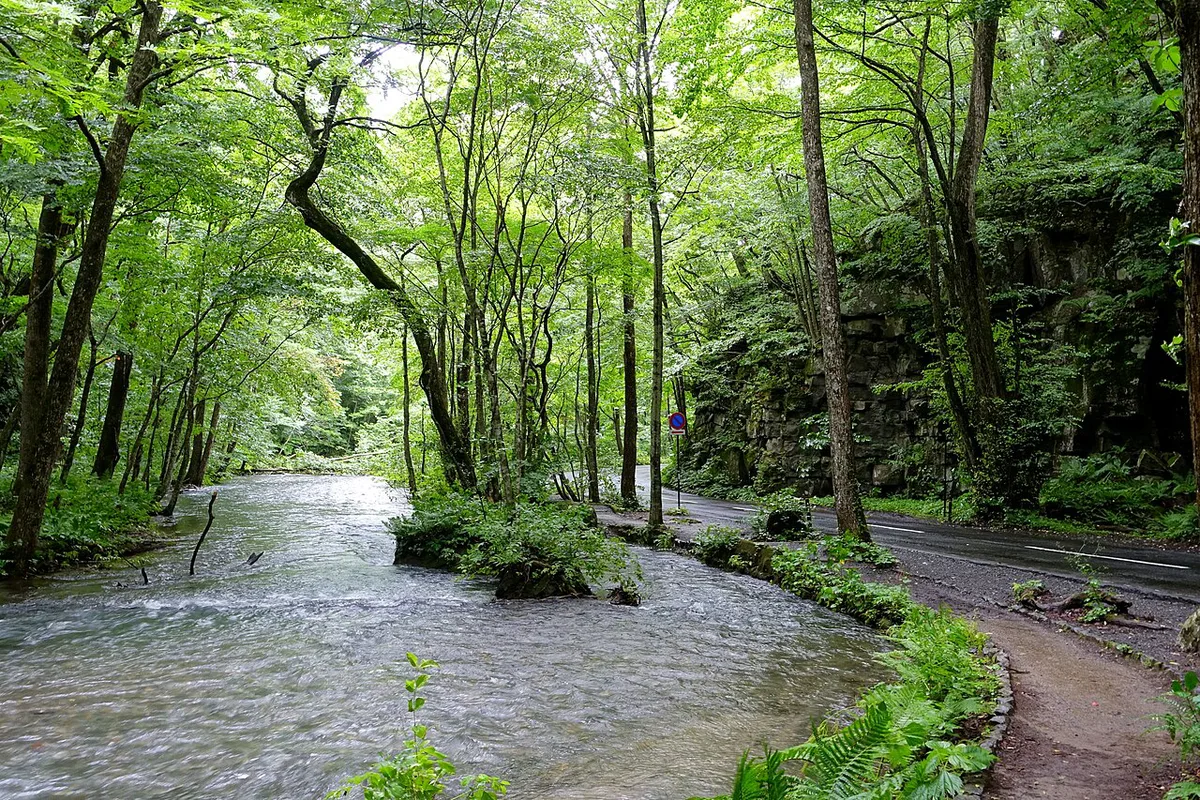
Color change moves north to south across Japan, the reverse of cherry blossom season, which opens in Kyushu and Okinawa and finishes in Hokkaido. Forecasters issue koyo outlooks in waves starting each September, with updates continuing through the season. Japan's first 2026 outlook, based on Japan Meteorological Agency data, came out on September 2. Every city in the table below is forecast later than its multi-year average, confirming a broader pattern of a warmer, delayed 2026 autumn. Kyoto shows the widest gap, with red leaves expected six days past its average date. A second forecast update is due in early October, refining these early estimates. Live updates as the season progresses run through the Japan Fall Foliage Forecast 2026: JMC Dates for Tokyo, Kyoto, Osaka and Beyond.
Kyoto's 2026 peak runs six days past its average date, but early autumn risks from late-season typhoons mean September and early October trips may find trees stripped before peak color arrives.
| City | 2026 Red-Leaf Forecast | 2026 Yellow-Leaf Forecast | Average Red-Leaf Date |
|---|---|---|---|
| Sapporo | Nov 7 | Nov 6 | Oct 28 |
| Tokyo | Nov 29 | Nov 26 | Nov 28 |
| Kyoto | Dec 11 | Nov 27 | Dec 5 |
| Fukuoka | Dec 7 | Nov 27 | Dec 1 |
Koyo vs Momiji: Reading Japan's Autumn Palette
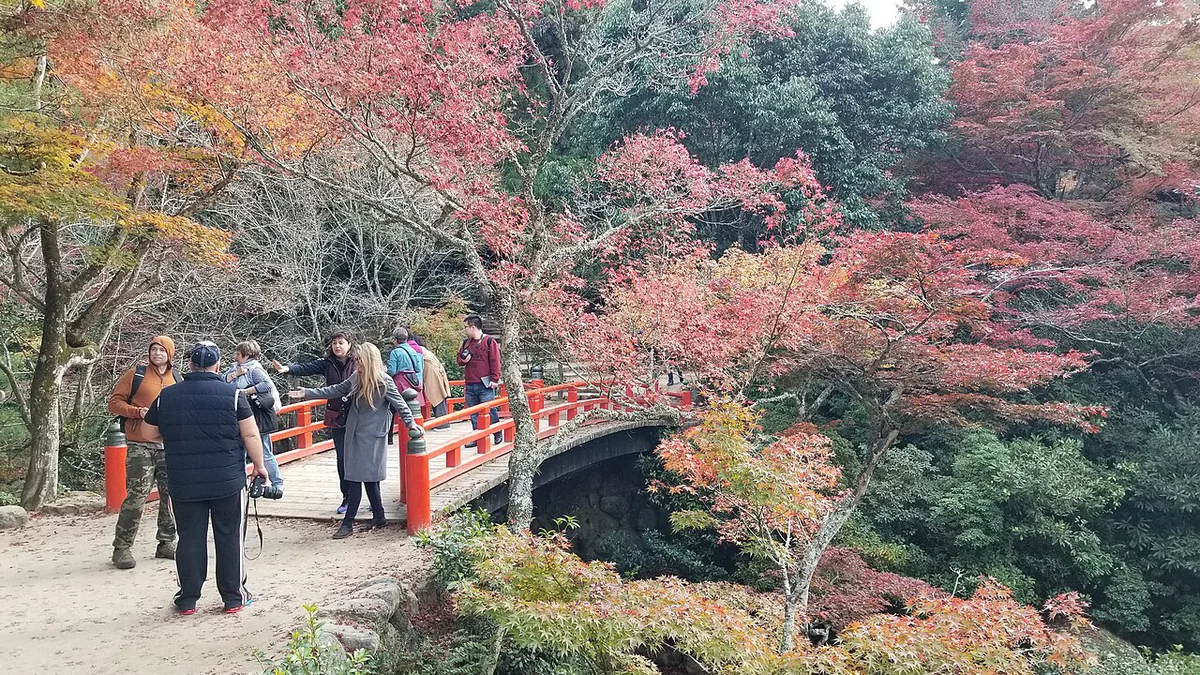
Koyo is the umbrella term for autumn's color change, covering the gold of ginkgo alongside supporting species like Japanese rowan and larch. Momiji refers specifically to the red of Japanese maple, the color most associated with momijigari. Momijigari traces back to the Heian period, when courtiers traveled specifically to view the maples. Classical poetry collections such as the Manyoshu also name the aki no nanakusa, seven autumn flowers with their own literary tradition: In Buddhist tradition, the leaves' fleeting brilliance carries a spiritual note, a reminder that beauty is temporary. That same idea threads through Japan's autumn festivals, many of which pair leaf viewing with harvest and lantern traditions.
- Bush clover
- Japanese pampas grass
- Arrowroot
- Pink dianthus
- Patrinia scabiosaefolia
- Thoroughwort
- Bellflower
Season Comparison: Hokkaido to Kyushu
Trade-offs between regions come down to timing, crowds, and access from Tokyo. Hokkaido's Daisetsuzan National Park is where color starts, with peaks and river valleys turning weeks before Sapporo city itself. Jozankei Onsen, a hot-spring town near Sapporo, is a common base for that early mountain color. Kyoto's 2026 forecast puts red leaves at their best around December 11, more than a month after Daisetsuzan's early color. Regions below are ranked by typical peak window and relative crowding, an editorial assessment based on current travel coverage rather than a scored index. Nikko sits about two hours from Tokyo via the Tobu-Nikko line, a realistic day trip for October color. Trail-level detail for this area lives in the Nikko Fall Foliage When To See: 10 Essential Tips & Spots. Neighborhood-level routes for the December peak fill out the Kyoto Autumn Foliage: 10 Best Places and Planning Tips. Hiroshima's koyo season runs mid-to-late November. Specific park picks for that window are in the Hiroshima autumn colors guide. Momijidani Park on Miyajima is another well-known koyo spot in western Japan. Its full route is covered in the Miyajima autumn foliage guide. Chubu's Takayama typically peaks in early-to-mid November. Old-town streets and nearby valleys are covered in the Takayama in autumn guide.
| Region (Example) | Typical 2026 Peak Window | Crowd Level | Getting There from Tokyo |
|---|---|---|---|
| Hokkaido (Daisetsuzan and Sapporo) | Mid-to-late Sept in the mountains; early Nov in Sapporo city | Moderate | Flight from Tokyo |
| Nikko (Kanto North) | Early-to-mid Oct | High | About 2 hours via the Tobu-Nikko line |
| Tokyo (Kanto) | Late Oct to late Nov | Very High | Home base |
| Takayama (Chubu) | Early-to-mid Nov | Moderate | Regional rail connection |
| Kyoto (Kansai) | Mid-Nov to early Dec | Very High | Shinkansen |
| Hiroshima (Chugoku) | Mid-to-late Nov | Moderate | Shinkansen |
| Fukuoka (Kyushu) | Mid-Nov to early Dec | Moderate | Shinkansen |
Top Viewing Spots in Tokyo and Kyoto
Tokyo's clearest koyo landmark is Icho Namiki, an avenue of ginkgo trees pruned into tall, torch-like shapes. Rikugien, a landscape garden, lights its maples for a night illumination in late November. Mt. Takao, a mountain with a summit temple, sits about 60 minutes by train from Shinjuku Station and draws Tokyo locals on weekends. Shinjuku Gyoen and Ueno Park add central options with ginkgo, maple, and zelkova trees for travelers without a full day to spare. Kamakura offers a coastal alternative to central Tokyo's parks. Coastal temple stops fill out the Kamakura Autumn Leaves Guide: 10 Best Spots & Tips. Kyoto's Eikando temple pairs its autumn color with a November night illumination and a matcha break inside the grounds. Tofuku-ji draws crowds to the Tsutenkyo Bridge, where a valley of maples fills the view below. Arashiyama's Tenryu-ji, a UNESCO World Heritage site, adds a landscape garden with its own maple canopy. Nara, an easy rail day trip from Kyoto, has its own autumn color routes. Nara's best routes are covered in the Nara Autumn Foliage Guide: Best Spots, Timing, and Tips. 2026 dates for the Shoso-in autumn exhibition in Nara are worth checking before booking.
Night Illuminations: A Different Kind of Momijigari
Illumination events run as separate evening sessions from daytime visits, often with their own line and ticket booth. Daytime entry to many autumn gardens and temples costs little outside the illumination season. Once night illuminations begin in November, expect a separate ticket priced between ¥500 and ¥1,000 on top of any daytime admission. Evenings during an illumination visit run cool, with temperatures around 45°F (7°C) after dark in late November, well below the daytime high. Rikugien and Eikando are the two illumination events most consistently covered in current travel guides, both running their light-up through late November. Arrive close to opening time for the evening session, since the best sightlines near ponds and bridges fill first.
Costs, Trains, and Booking Timelines
A rail pass covering the JR network suits the slow-train approach, riding regional lines through changing scenery instead of connecting by air. Regional or single-prefecture passes can work out cheaper for travelers staying inside one area, such as Kansai or Kyushu. Booking accommodation six months ahead is standard advice for Kyoto and Tokyo in autumn, since rooms fill at the same pace as cherry blossom season. Japan's forests cover close to 70 percent of the country, according to the Japan National Tourism Organization. That forest coverage is part of why the color change reaches so many regions at once. Days can start near 75°F (24°C) in early autumn and drop to about 45°F (7°C) by a November evening. Layering suggestions for that swing are in the Japan Packing List: Seasonal & Essential Travel Guide. General lodging and transit strategy for the season sits in the broader Japan Travel Guide: Plan Your Trip with Expert Tips & Itineraries.
While Kyoto and Tokyo require booking six months ahead, autumn's roughly 50-day national progression offers broader geographic flexibility than cherry blossom season's shorter window.
Avoiding Crowds, Typhoons, and Missed Color
Late-season typhoons can strip trees of color before peak arrives, particularly in September and early October. That risk is covered in the typhoon season guide, worth checking before booking a trip in that window. Kiyomizu-dera and other headline Kyoto temples get crowded in any season, so arriving near opening time is the most reliable way to beat the crowds. Avoiding Japan's Silver Week holiday cluster also helps, since domestic travel spikes alongside the international autumn crowd. Early-morning and late-afternoon light gives maples their deepest color for photos, before midday sun flattens the reds. Color change across the whole country plays out over roughly 50 days, giving more schedule flexibility than the shorter cherry blossom window. Forecasters track close to 700 viewing locations and about 3,000 mountains nationwide, updating the outlook in waves as autumn progresses. October and November also bring Kyoto's Jidai Matsuri into range for the same trip. Kyoto's Kurama Fire Festival adds another October date worth building into the trip. Outside Kyoto, Takayama's autumn festival pairs color viewing with a local event calendar. Further south, Fukuoka's autumn festivals line up with the region's later December peak.
Oze National Park: An Early-Autumn Escape from Tokyo
Oze National Park offers an earlier foliage option than Tokyo or Kyoto, with high-elevation color usually developing from late September into October. The broad Ozegahara marshland is especially striking when its grasses turn gold beneath surrounding beech and maple-covered slopes.
It is best suited to travelers who enjoy a full outdoor day. Most visitors reach the Hatomachitoge trailhead by seasonal bus connections from the Gunma side. From there, wooden boardwalks lead down toward the marsh. The route protects the fragile wetlands and is easier to follow than an unmarked mountain trail.
- Allow a full day for transport, walking, and return buses.
- Wear waterproof walking shoes, as boardwalks can be wet after rain.
- Check seasonal bus timetables before leaving Tokyo, especially outside weekends.
Oze is less convenient than Nikko, but it rewards travelers seeking open landscapes rather than temple gardens. Early starts matter, as mountain weather can change quickly and the last transport connections are limited.
Frequently Asked Questions
When is the best time to see autumn leaves in Japan in 2026?
Peak color in 2026 moves from Hokkaido in early November to Kyoto and Fukuoka in early-to-mid December, based on the first official forecast. Hokkaido's Sapporo is forecast to peak around November 7, Tokyo around November 29, and Kyoto around December 11. Because 2026 is running later than average, travelers chasing early color should look toward late September in Hokkaido's Daisetsuzan mountains instead of the cities.
What is the difference between koyo and momiji?
Koyo is the general term for autumn's color change, including the gold of ginkgo and other species. Momiji refers specifically to the red of Japanese maple, the color most travelers picture during momijigari.
How far in advance should you book a trip for Japan's autumn leaves?
Plan Kyoto and Tokyo accommodation around six months ahead, since rooms fill at roughly the same pace as cherry blossom season. Regional destinations with less international traffic, such as parts of the Chugoku or Tohoku regions, usually offer more late-booking flexibility.
What should you wear to see autumn leaves in Japan?
Layer for a temperature swing between a 75°F (24°C) September afternoon and a 45°F (7°C) November evening. A light jacket plus a warmer layer for after-dark illumination events covers most of the season for typical itineraries.
Do you need a car to see Japan's autumn leaves?
Most headline spots, including Tokyo's parks and Kyoto's temples, are reachable by train or a short bus ride from a central station. Remote spots such as mountain trails in Hokkaido's Daisetsuzan area are easier with a rental car and an international driving license. A short walk from a station still reaches real color in most regions without a car.
Free guide: Japan's Hidden Gems
12 under-the-radar places beyond Tokyo & Kyoto — with the best season to visit each and a local tip you won't find in the guidebooks.
You might also like


Continue reading
More guides you'll find useful


