

Autumn in Japan: The Complete 2026 Koyo Travel Guide
Plan autumn in Japan with a region-by-region koyo timeline, festival dates, packing tips, and a season-by-season weather and price comparison for 2026.
On this page
Last updated September 2026, this guide maps out autumn in Japan region by region, from the first color change in Hokkaido to the last lingering maples in Kyushu. Autumn runs roughly September through November, a longer and more predictable window than the two-week sprint of cherry blossom season, with color that many travelers rate just as strong. What follows breaks the koyo front into a region-by-region timeline, so you can match your dates to where the leaves will actually be turning.
The Koyo Season: What Autumn in Japan Means for Travelers
Japanese travelers call autumn leaf-viewing momiji-gari, literally "hunting red leaves," and it carries the same cultural weight as cherry blossom viewing in spring. Unlike the sakura front, which clears the country in roughly two weeks, the koyo front takes about 50 days to sweep from Hokkaido to Kyushu. That longer runway gives you more flexibility when you are choosing the best time to visit Japan. Most trees hold their color for two to four weeks once they turn, so a single missed weekend rarely ruins a trip built around fall colors. Autumn also brings its own flowers alongside the maples and ginkgo, including bush clover, red spider lilies, and chrysanthemums in parks and temple gardens nationwide.
The Koyo Front: Regional Timing and Forecasts
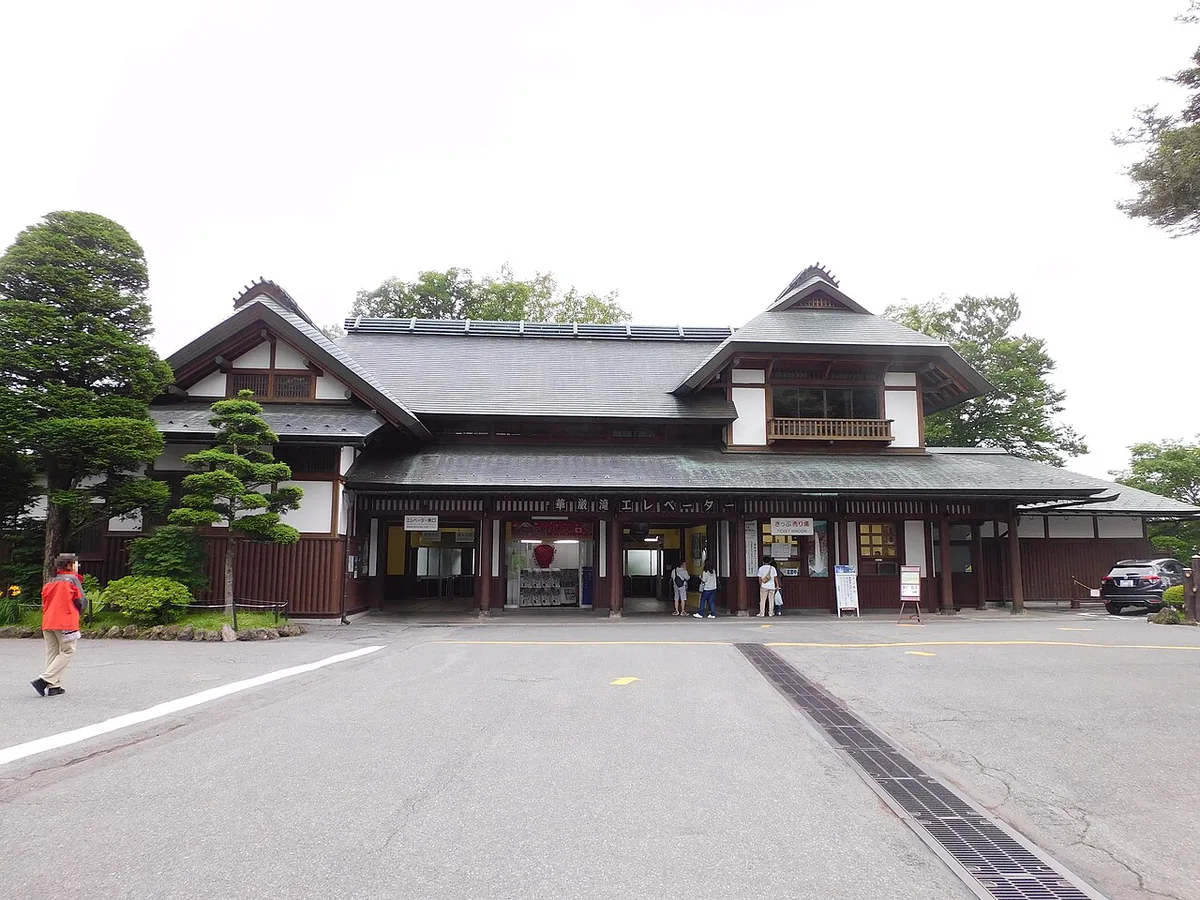
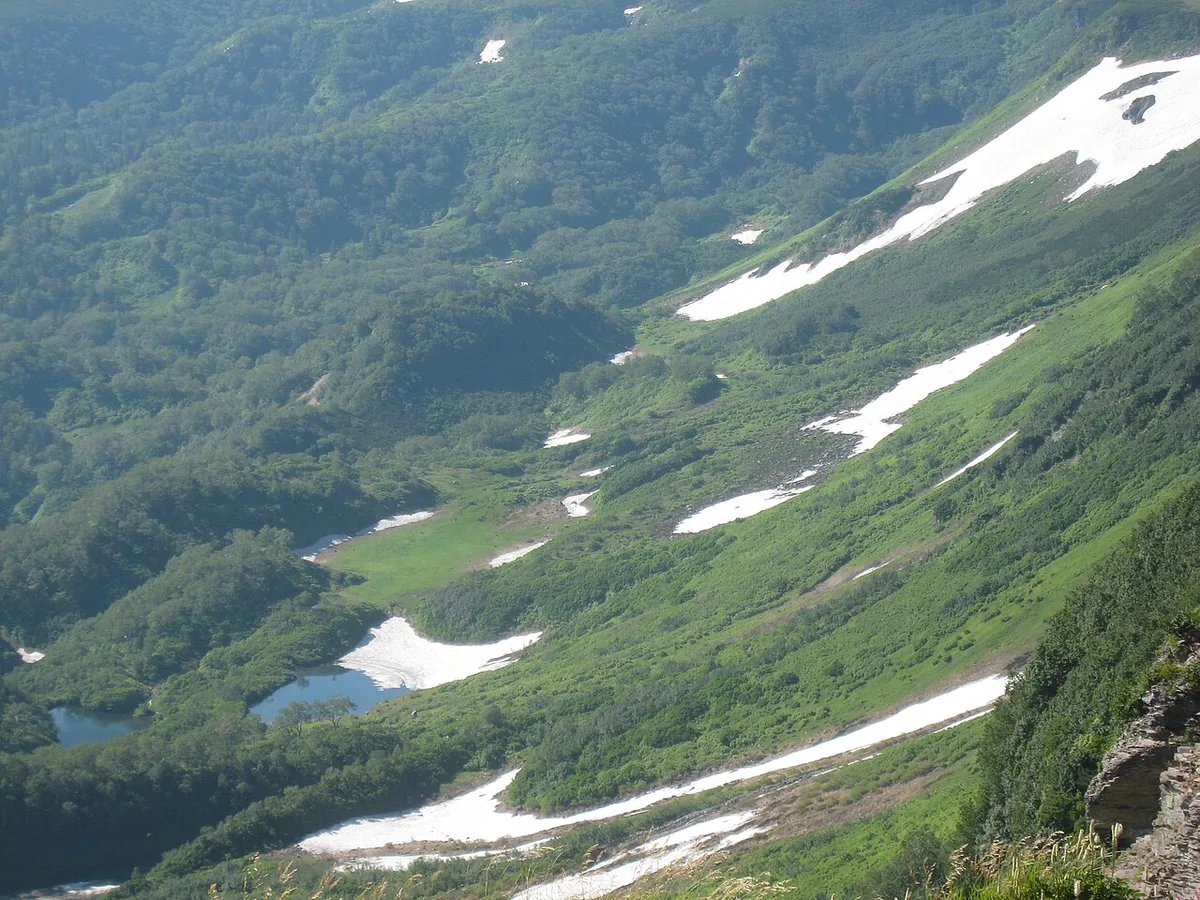
The koyo front moves opposite the cherry blossom front: color starts in the north and in the mountains, then rolls south and downhill. Hokkaido's Daisetsuzan National Park, especially around Sounkyo, usually turns first in mid-September. Tohoku follows a few weeks later, and the mossy stream corridor at Oirase is one of the region's signature stops for that stretch. Tracking that progression is easier if you check the current fall foliage forecast before locking dates. The Japan Meteorological Agency also publishes seasonal weather outlooks worth checking alongside it. If your trip starts in Japan in October 2026: Weather, Foliage Timing, and Festival Guide, you will likely catch Tohoku and the Alps at their best, while Japan in November: Peak Foliage Timing & Travel Guide (2026) favors Tokyo, Kyoto, and Kyushu. Early September still carries some typhoon risk, so anyone flying in that early should read up on typhoon season travel planning before finalizing flights. Booking in early September usually costs less, but you trade that savings for a real chance of missing peak color in the cities.
| Region | Peak Color Window | Notes |
|---|---|---|
| Hokkaido (Daisetsuzan, Sounkyo) | Mid-September to early October | Japan's earliest color, high-elevation trails |
| Tohoku and Nikko | Mid-October to early November | Oirase Stream, Lake Chuzenji |
| Tokyo, Kyoto, Osaka | Mid-November to early December | Icho Namiki, Arashiyama, Tofuku-ji |
| Kyushu | Late November to early December | Latest color, milder temperatures |
Season Comparison: Early, Peak, and Late Autumn
Three practical windows define an autumn trip: an early, cheaper shoulder period, a crowded peak, and a calmer tail end further south. Temperatures swing hard across those weeks. Sapporo's daytime highs slide from roughly 22-24°C (72-75°F) in September to 7-10°C (45-50°F) by November. Tokyo cools more gently, from highs near 27-29°C (81-84°F) in early autumn to 15-18°C (59-64°F) in November. Hotel rates track a similar curve. In our editorial assessment, a Kyoto business hotel that lists around ¥12,000 a night in early September can climb past ¥25,000 during the peak color week in mid-November, with rooms that far out booking up months ahead. Waiting for the very end of the season in Kyushu often means milder crowds and steadier availability, even as color further north has already dropped.
| Period | Best Regions | Typical Daytime Temps | Crowds and Price |
|---|---|---|---|
| Early autumn (mid-Sept to early Oct) | Hokkaido highlands | Sapporo 22-24°C (72-75°F) | Silver Week spike Sept 21-23, 2026, then quieter and cheaper |
| Peak koyo (mid-Oct to late Nov) | Tohoku, Nikko, Kyoto, Tokyo | Tokyo 15-18°C (59-64°F) by Nov | Highest demand; book 6+ months ahead |
| Late autumn (late Nov to early Dec) | Kyushu, lingering Kyoto color | Western Japan 15-17°C (59-63°F) | Crowds ease outside Kyoto |
Top Places to See Autumn Leaves: Tokyo, Kyoto, and Beyond
Tokyo, Kyoto, and the mountain towns between them each offer a different kind of autumn, and a full Japan's best autumn leaf spots roundup is worth a scan before you build an itinerary. In Tokyo, Icho Namiki's ginkgo avenue turns into a corridor of gold, pruned into the tall teardrop shapes the street is known for. Yoyogi Park and Shinjuku Gyoen add easier, park-bench versions of the same color near Shibuya, Omotesando, and Harajuku. Rikugien draws crowds for its evening illuminations, which the Japan National Tourism Organization times to mid-November through early December. Just a short train ride from central Tokyo, Kamakura's autumn leaves pair temple visits with a slower, less crowded pace. Kyoto remains the standard against which every other autumn destination gets measured. Arashiyama's bamboo grove and riverside maples draw the biggest crowds, especially on weekends in late November. Tofuku-ji answers with a valley of maples viewed from the Tsutenkyo Bridge, a scene photographers return to every year. Eikando adds evening illuminations of its own once color peaks in November. For a deeper dive, the Kyoto Autumn Foliage: 10 Best Places and Planning Tips breaks down which temples to prioritize and when. North of Tokyo, Nikko pairs shrine architecture with mountain scenery, and color there typically peaks before the capital catches up. A regional Nikko Fall Foliage When To See: 10 Essential Tips & Spots covers Lake Chuzenji and the Oku-Nikko trails in more depth. In the Japanese Alps, Takayama keeps its Edo-period streets intact through the season, detailed further in a dedicated Takayama koyo guide. Nara's deer park turns color alongside the city's temple grounds, mapped out in a separate Nara Autumn Foliage Guide: Best Spots, Timing, and Tips. An annual autumn museum exhibition also runs in the city; check the Shoso-in autumn exhibition guide for current dates before planning around it. Farther west, Miyajima's Momijidani Park fills with maples framed by the island's mountainside, covered in a separate Momijidani Park guide. Hiroshima's wider color season runs on a similar calendar, and a regional Hiroshima autumn colors guide lays out timing for the area beyond the island.
Autumn Festivals: From Fire Rituals to Floats
Autumn festival season opens with the Takayama Autumn Festival on October 9 and 10, when elaborate yatai floats and mechanical puppets move through Takayama's Edo-period streets. A dedicated Takayama Autumn Festival 2026: Dates, Schedule & Tokyo Access covers viewing spots and lodging strategy. Kyoto's Jidai Matsuri follows in October, a costumed procession marking the 1,100th anniversary of the move to Heian-kyo. A full Jidai Matsuri guide lays out the parade route. On the night of October 22, the Kurama Fire Festival fills a mountain village north of Kyoto with torch-carrying processions and heavy smoke. Nagasaki Kunchi, which the Japan National Tourism Organization traces to 1634, brings dragon dances and Dutch-influenced rituals to Kyushu in early October. Kyushu's broader festival calendar, including Karatsu Kunchi's floats from November 2 to 4, is covered in a regional Fukuoka autumn festivals guide. Elsewhere, the Saga International Balloon Fiesta lifts more than 100 balloons over the countryside in early November, and Tokyo's Asakusa Tori-no-Ichi fills shrine grounds with lantern-lit rake stalls in November. Because rooms in festival towns sell out fast, plan lodging at least six months ahead, and use a full autumn festivals calendar to line up multiple events on one trip.
The Takayama Autumn Festival on October 9 and 10 draws peak crowds, so start before 8:00 a.m. or use taxis—bus lines fill fast.
Seasonal Flavors: The Autumn of Appetite
Cooler air brings a shift in what is on the table, and Japan's autumn menu leans into it fully. Sanma, grilled Pacific saury, arrives salted and whole, served with grated daikon and soy sauce at izakaya counters. Matsutake mushrooms show up in a fragrant clear broth, prized enough that menus often list them as a seasonal supplement. Kuri gohan, chestnut rice steamed with fresh chestnuts and a little soy sauce, turns up in bento boxes and countryside inns alike. Nara's persimmon farms let visitors pick and eat kaki straight from the tree during the harvest weeks. Hiyaoroshi, an autumn sake released after resting through summer, pairs well with most of these dishes. Nabe hot pot returns to restaurant menus as evening temperatures fall, with regional versions built around soy milk or miso broth.
- Sanma (grilled Pacific saury), served whole with daikon and soy sauce
- Matsutake mushroom broth, a limited seasonal menu item
- Kuri gohan (chestnut rice), common in bento boxes and countryside inns
- Kaki (persimmon), best known from Nara's autumn harvest farms
- Yakiimo (roasted sweet potato), a street snack sold from trucks and stands
Packing and Weather: Layering for a Wide Temperature Swing
Autumn's temperature swing is as much a packing problem as a scheduling one. Sapporo highs near 22-24°C (72-75°F) in September fall to 7-10°C (45-50°F) by November, while Tokyo only drops from around 27-29°C (81-84°F) to 15-18°C (59-64°F) over the same stretch. A heat-retaining base layer under a t-shirt handles cool mornings in most cities, while a packable windbreaker earns its keep in windier mountain towns like Nikko and Takayama. Comfortable, broken-in walking shoes matter more than style, since most itineraries include long stretches of temple stairs and gravel paths. For specifics, a full Japan Packing List: Seasonal & Essential Travel Guide breaks down what to bring by week and by region. Indoor heating in Japan usually means a wall-mounted air conditioning unit switched to its heating mode, and that heat dries the air fast. Many hotel rooms already include a humidifier; if yours does not, a small USB model from any electronics store solves the problem for a few thousand yen.
- Heat-retaining base layer for cool mornings and evenings
- Packable windbreaker for wind exposure in Nikko, Takayama, and other mountain towns
- Broken-in walking shoes with grip for temple stairs and gravel paths
- Compact umbrella for occasional early-autumn drizzle
- Small USB humidifier if your room's heating unit dries the air
Mistakes to Avoid: Crowds, Holidays, and Booking Windows
The most common planning mistake is booking straight through Silver Week without checking the calendar first. In 2026, Respect for the Aged Day and the Autumnal Equinox cluster around September 21 to 23, creating a domestic holiday rush that fills trains and hotels nationwide. Three-day weekends in October and November bring smaller versions of the same crowding near Kyoto, Nikko, and Takayama. A JR Pass can offset some of that pressure, since it lets you shift itineraries quickly if one region's color is running early or late. Local buses to popular spots in Nikko and Kyoto get crowded fast once color peaks, so an early start before 8:00 a.m. or a taxi from the station usually beats waiting in a bus line. Ride-hailing apps work in Tokyo, Osaka, and Fukuoka, though fares there usually run higher than a train or local bus. For November trips built around Kyoto or Nikko, six months out is closer to a minimum than a suggestion once ryokans start filling up. Building a full itinerary, rather than chasing single destinations, is easier with a broader Japan Travel Guide: Plan Your Trip with Expert Tips & Itineraries to sequence regions in the right order.
A Kyoto hotel around ¥12,000 in early September seems cheap, but you trade that for typhoon risk and off-peak foliage, so avoid booking straight through Silver Week Sept 21-23, 2026.
- Avoid booking peak nights during Silver Week (September 21-23, 2026)
- Use a JR Pass to shift regions quickly if foliage runs early or late
- Start sightseeing before 8:00 a.m. at bus-dependent spots like Nikko and Kyoto
- Book Kyoto or Nikko ryokans at least six months ahead for November dates
Frequently Asked Questions
When is peak autumn foliage season in Japan?
Peak color moves from north to south over about 50 days. Hokkaido's Daisetsuzan National Park turns first, from mid-September to early October. Tohoku and Nikko usually peak from mid-October to early November. Tokyo, Kyoto, and Kyushu follow, with color lingering into early December in the south.
Is autumn a better time to visit Japan than cherry blossom season?
Both seasons draw crowds, but autumn gives you more flexibility. The koyo front takes roughly 50 days to cross the country, compared with about two weeks for cherry blossoms. That longer window makes it easier to build a trip around your own dates rather than a narrow bloom forecast.
What should you pack for autumn in Japan?
Temperatures swing widely across the season, from Sapporo's 22-24°C (72-75°F) September highs to Tokyo's cooler 15-18°C (59-64°F) days in November. Pack a heat-retaining base layer, a packable windbreaker for mountain towns like Nikko and Takayama, and broken-in walking shoes for temple stairs. A compact umbrella and lip balm help with occasional early-autumn rain and dry indoor heating.
Do typhoons affect a September trip to Japan?
September carries the highest typhoon risk of the autumn months, with storms tapering off by early October. Anyone flying in during early September should keep the itinerary flexible and check regional forecasts close to departure. Skies generally clear by mid-October, which is part of why that month draws heavier foliage traffic.
How far in advance should you book for Kyoto or Nikko in November?
Book accommodation at least six months ahead for Kyoto or Nikko in November. Rooms near famous foliage spots sell out first, especially during the mid-November peak weeks. If your dates are flexible, shoulder dates in late October or early December often have better availability and lower rates.
What is Silver Week and should you avoid it?
Silver Week is a cluster of national holidays in late September, created when Respect for the Aged Day and the Autumnal Equinox fall close together. In 2026, that alignment lands around September 21 to 23. Domestic trains and hotels get booked out fast during those days, so plan around it or book those specific nights well ahead.
Explore Autumn in Japan
Dive deeper into Japan's koyo season — where to chase the best colors, when to time your trip, which festivals to build a trip around, and the essentials for planning an autumn visit.
Where to See Koyo
- Japan Autumn Leaves 2026
- Kyoto Autumn Foliage
- Nara Autumn Foliage Guide: Best Spots, Timing, and Tips
- Nikko Fall Foliage When To See
- Kamakura Autumn Leaves Guide: 10 Best Spots & Tips
- Miyajima Autumn Foliage Momijidani Park Guide
- Takayama in Autumn Koyo: 7 Essential Tips for Your Trip
Plan Your Timing
- Japan Fall Foliage Forecast 2026
- Japan in October 2026
- Japan in November: Peak Foliage Timing & Travel Guide (2026)
- Best Time To Visit Japan: A Seasonal & Monthly Travel Guide
- Cherry Blossom Season Japan: Your Guide to Timing & Top Spots
Autumn Festivals & Events
- Autumn Festivals in Japan: 2026 Dates, Costs, and Where to Go
- Jidai Matsuri Kyoto
- Kurama Fire Festival 2026
- Takayama Autumn Festival 2026
- Top Traditional Fukuoka Autumn Festivals to Visit in 2026
- Shoso-in Autumn Exhibition Visiting Guide
Trip Essentials
Free guide: Japan's Hidden Gems
12 under-the-radar places beyond Tokyo & Kyoto — with the best season to visit each and a local tip you won't find in the guidebooks.
You might also like


Continue reading
More guides you'll find useful


