

Japan in March: Weather, Cherry Blossoms, and Travel Guide
Planning Japan in March? This guide covers weather by region, cherry blossom timing, packing, and how the late-month sakura rush affects crowds and prices.
On this page
Last updated September 2026, this guide to Japan in March walks through a month that opens in coats and plum blossoms and closes under the first sakura. Early dates bring cold mornings, thin crowds, and calm trains, and late dates bring milder afternoons, full hotels, and the season's main event. Picking the Best Time To Visit Japan: A Seasonal & Monthly Travel Guide for this trip starts with deciding which half of the month matters more.
Is Japan in March a Good Time to Visit?
March splits neatly into two different trips. The first half is cold and quiet, with fewer visitors than midsummer or peak sakura week, and hotel and train availability that's easier to lock in close to departure. Once the season's first cherry blossoms open in Tokyo, Kyoto, and Osaka, the back half turns crowded fast. March also falls outside Japan's typhoon season, so storm risk is not the concern it is from July into October. For a full month-by-month comparison beyond March, the Japan Travel Guide: Plan Your Trip with Expert Tips & Itineraries lays out how each season trades off weather against crowds.
| Criteria | Early March (1st-15th) | Late March (16th-31st) |
|---|---|---|
| Temperature | Cold mornings, cool days, coat weather | Milder afternoons, cool evenings |
| Crowds | Lightest of the spring shoulder season | Among the busiest weeks of the year |
| Prices | Easier to find standard-rate rooms | Seasonal premium near blossom-viewing spots |
| Scenery | Plum blossoms, bare branches, winter light | First cherry blossoms opening in Tokyo, Kyoto, and Osaka |
Japan Weather in March: Regional Differences
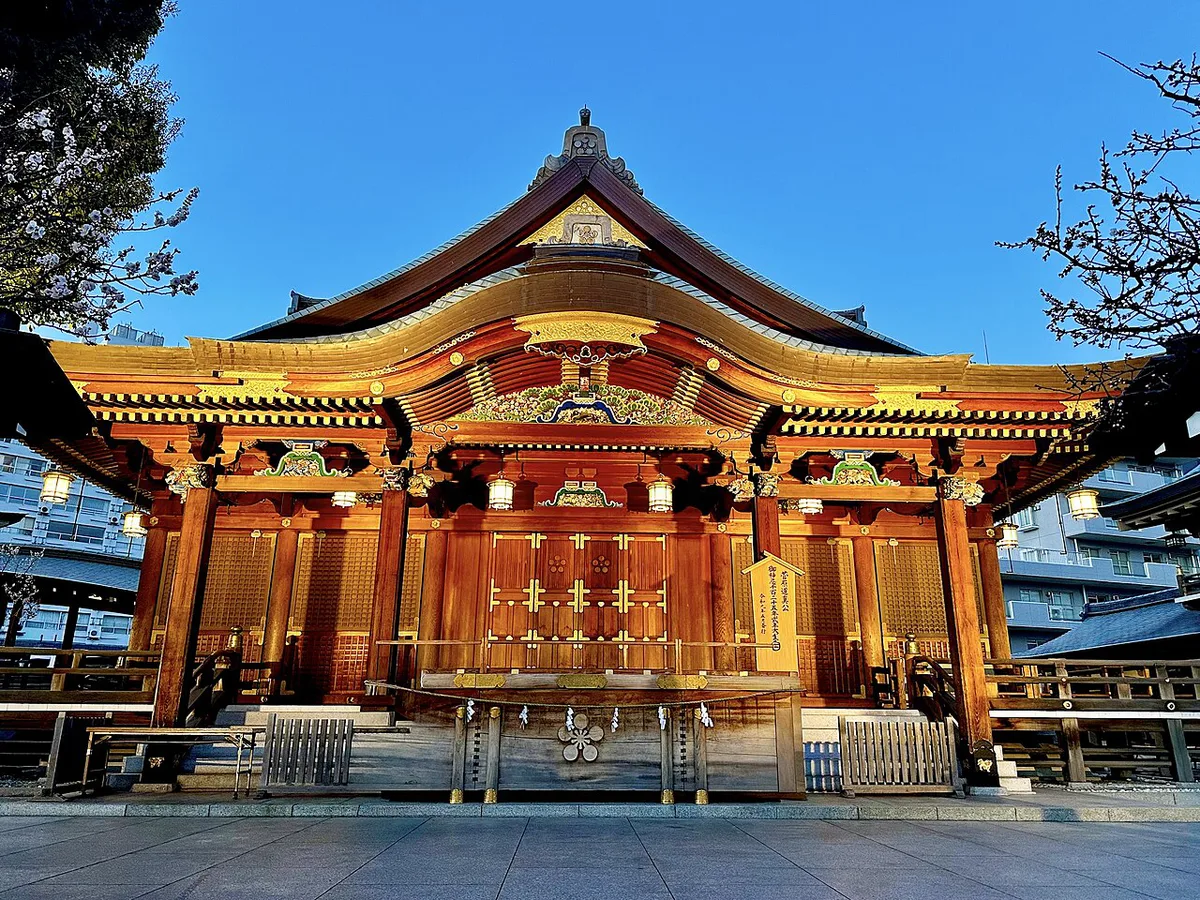
Temperatures in March vary enormously by latitude. Tokyo, Kyoto, and Osaka sit in the transitional zone, where the month starts near winter and ends near spring. A repeating pattern called sankan-shion brings a few cold days followed by a few mild ones right through the month. Hokkaido stays in winter through March, with skiing conditions holding in the mountains. Okinawa is already in spring by comparison, with warmer air arriving well ahead of the main islands. The Japan Meteorological Agency publishes seasonal outlooks worth checking once travel dates are close, since day-to-day swings matter more than monthly averages this time of year. For a fuller month-by-month temperature comparison, the Japan Weather by Month: Best Time to Visit & Packing Guide breakdown covers how March compares to February and April.
- Hokkaido: still in winter through March, with ski resorts often staying open.
- Tokyo, Kyoto, and Osaka: transitional weather, coat mornings and milder afternoons.
- Kyushu and Okinawa: spring arrives earliest, the mildest option for a March trip.
Cherry Blossom and Plum Blossom Season in March
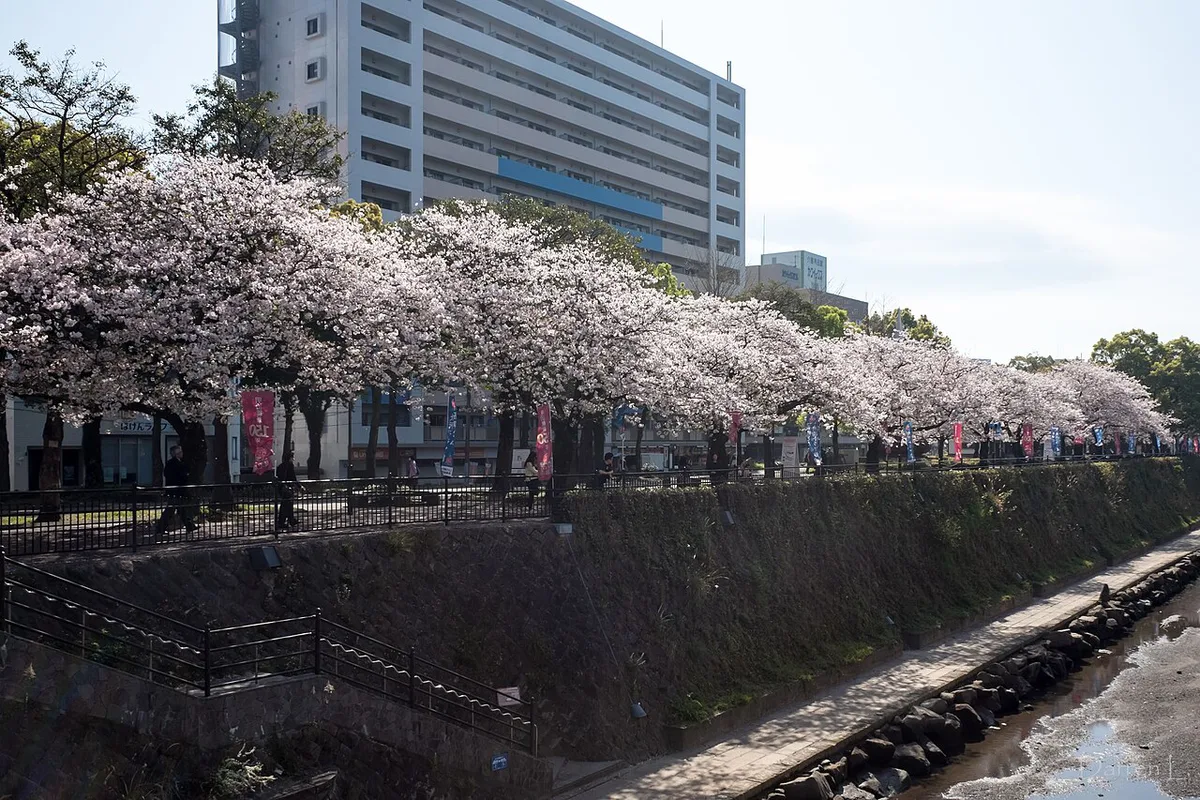
Early March belongs to plum blossoms, not cherry blossoms. Ume is typically still blooming in the first weeks of the month at spots such as Kairakuen in Mito and Yushima Tenjin in Tokyo. Travelers who arrive in the first two weeks of March should expect plum, not sakura, since cherry trees historically open later and timing shifts every year. The main cherry blossom season pages explain how forecasters track the shift from ume to sakura nationwide. For the capital's specific bloom windows, check the 11 Best Spots and Timing Tips for Tokyo Cherry Blossoms 2026. Kyoto's bloom dates typically differ slightly from Tokyo's, and the 11 Best Places and Tips for Kyoto Cherry Blossoms (2026) covers them separately. Osaka's specific dates are covered in the Cherry Blossom Season In Osaka Travel Guide guide, which sits in the same transitional weather zone as Tokyo and Kyoto.
Late March (16th-31st) opens peak sakura in Tokyo/Kyoto/Osaka, triggering hotel and shinkansen demand so intense that booking well ahead is needed to avoid seasonal premiums.
Things to Do in Japan in March
March carries a full events calendar alongside the weather shift. Hina Matsuri, the doll festival marking Girls' Day, runs through early March in homes and displays nationwide. Nara's Todaiji temple hosts Omizutori, a fire-and-water ceremony held in early March each year. Tokyo adds AnimeJapan, an anime industry trade event, plus the Tokyo Marathon, which typically closes roads along its route each March morning. Late-season skiing holds up in Hokkaido and Nagano's mountain resorts while Kyushu's lower-elevation trails are already open for early hiking. For neighborhood-level picks, the Tokyo in March: Weather, Cherry Blossoms & Event Guide (2026-2027) guide covers the capital's specific events. Kyoto's temple-going calendar for the month sits in the Kyoto in March Travel Guide: Plums, Sakura & Spring Festivals guide. Osaka's own mix of festivals and food is in the Osaka in March: Weather, Sakura Dates, and Travel Tips guide.
What to Pack for Japan in March
Layering matters more in March than almost any other month. Mornings call for a light down jacket or heavy fleece, while heat-tech base layers handle temple visits before sunrise. Afternoons often warm up enough to shed a layer, especially in Tokyo, Kyoto, and Osaka. Comfortable, broken-in walking shoes matter for long days of temple-hopping and for damp pavement after March rain. The full Japan Packing List: Seasonal & Essential Travel Guide breaks down layering pieces by region and activity.
Costs, Crowds, and Booking Windows for Late March
Prices move with demand, and demand peaks hard in the back half of March. Rooms near well-known blossom-viewing spots carry a seasonal premium once the sakura forecast firms up, running well above early-March or midweek rates in the same city. Shinkansen reserved seats on popular routes also sell out faster in the last two weeks of the month than at any other point in spring. Booking hotels and reserved train seats as soon as dates are fixed keeps costs closer to the early-March baseline instead of the late-month spike. Traveling in the first half of March, or picking weekdays over weekends late in the month, is the more reliable way to control the bill without giving up the trip.
Mistakes to Avoid When Visiting in March
A few planning mistakes come up often for a Japan trip in March, and most are easy to avoid with a little lead time.
Early March (1st-15th) brings weather swings from coat mornings to cool afternoons, making single-temperature packing a trap—layers handle the shift better than jacket-only.
- Underestimating the cold, especially overnight in traditional ryokans, where rooms and hallways can stay cool even with mild daytime highs.
- Assuming blossoms will be open on March 1st, when plum, not sakura, is the realistic bet for the first half of the month.
- Skipping advance booking for high-demand attractions such as Ghibli Park or teamLab's Tokyo exhibits, which fill up months ahead.
- Not confirming current hours and ticket rules before the trip, since both attractions update ticketing details often.
- Packing for only one temperature, when the same March day can swing from a coat-weather morning to a light-jacket afternoon.
Where to Go in Japan in March Based on Your Travel Dates
Choose your region around the experience you want, rather than expecting one March itinerary to suit the whole country. The season changes sharply from north to south. Hokkaido and the Japanese Alps remain winter destinations, while southern islands feel much closer to spring.
- For snow: Base yourself in Niseko, Furano, Hakuba, or Nozawa Onsen. March can still offer skiing, but lower slopes soften later in the day.
- For early flowers: Visit Mito for Kairakuen’s plum trees, or Tokyo’s Yushima Tenjin. These are stronger early-March choices than waiting for sakura.
- For mild weather: Consider Okinawa, where Naha and the Kerama Islands are more comfortable for coastal walks than northern Japan.
- For likely late-March sakura: Tokyo, Kyoto, and Osaka are the practical choices, but bloom timing changes with each year’s weather.
A split itinerary can work well: begin with city museums and food in Tokyo or Kyoto, then add a ski stay or a warmer Okinawa extension. Avoid scheduling blossom viewing as the only purpose of a short trip. Forecasts can move, and full bloom usually follows the first opening date by several days.
Frequently Asked Questions
When do cherry blossoms usually start in Japan in March?
Historically, the first sakura opens toward the second half of March in Tokyo, Kyoto, and Osaka, though the exact date shifts every year. Early March travelers are more likely to catch plum blossoms at spots like Kairakuen in Mito or Yushima Tenjin in Tokyo instead.
Is it still snowing in Japan in March?
Hokkaido can still see snow through March, with ski resorts often open into the month. Tokyo, Kyoto, and Osaka rarely see snow that sticks by March, though cold snaps and occasional flurries are possible early in the month.
What should you wear in Tokyo in March?
Layer for a wide temperature swing between morning and afternoon. A light down jacket or fleece over a heat-tech base layer covers most early-month mornings, with that outer layer coming off as afternoons warm up later in March.
Is March 2026 a busy time to visit Japan?
Early March 2026 stays relatively quiet, in line with most recent years. Late March 2026 gets busy once cherry blossom forecasts firm up and travelers move dates to match, so book accommodation and popular attractions as early as plans allow.
How much does a trip to Japan cost in March?
Costs track the same early-versus-late split as crowds. Shoulder-season rates hold through the first half of March, while late March carries a seasonal premium once cherry blossom dates firm up. Locking in hotels and reserved shinkansen seats as soon as dates are set is the most reliable way to avoid the late-month spike.
Free guide: Japan's Hidden Gems
12 under-the-radar places beyond Tokyo & Kyoto — with the best season to visit each and a local tip you won't find in the guidebooks.
You might also like


Continue reading
More guides you'll find useful


