Okinawa Island Hopping Itinerary & Guide: Best Islands & Tips
Plan your dream Okinawa island hopping adventure with our detailed itinerary, covering the best islands, activities, and practical tips for an unforgettable trip.
On this page
Okinawa is an archipelago of over 160 islands, and no two of them feel quite the same. The main island anchors the prefecture with its UNESCO sites and city life. The Kerama Islands lie just an hour by ferry from Naha, offering some of the clearest water in East Asia. Further out, the Miyako and Yaeyama groups demand short domestic flights but reward you with world-class beaches and subtropical wilderness that most visitors to Japan never reach.
This guide covers every island group, explains how to move between them, and helps you decide how many days to allocate. Whether you have four days or two weeks, the structure here lets you build a route that matches your pace. Check our Okinawa attractions guide for a broader look at what the prefecture holds.
Okinawa Main Island: Your Base and Starting Point
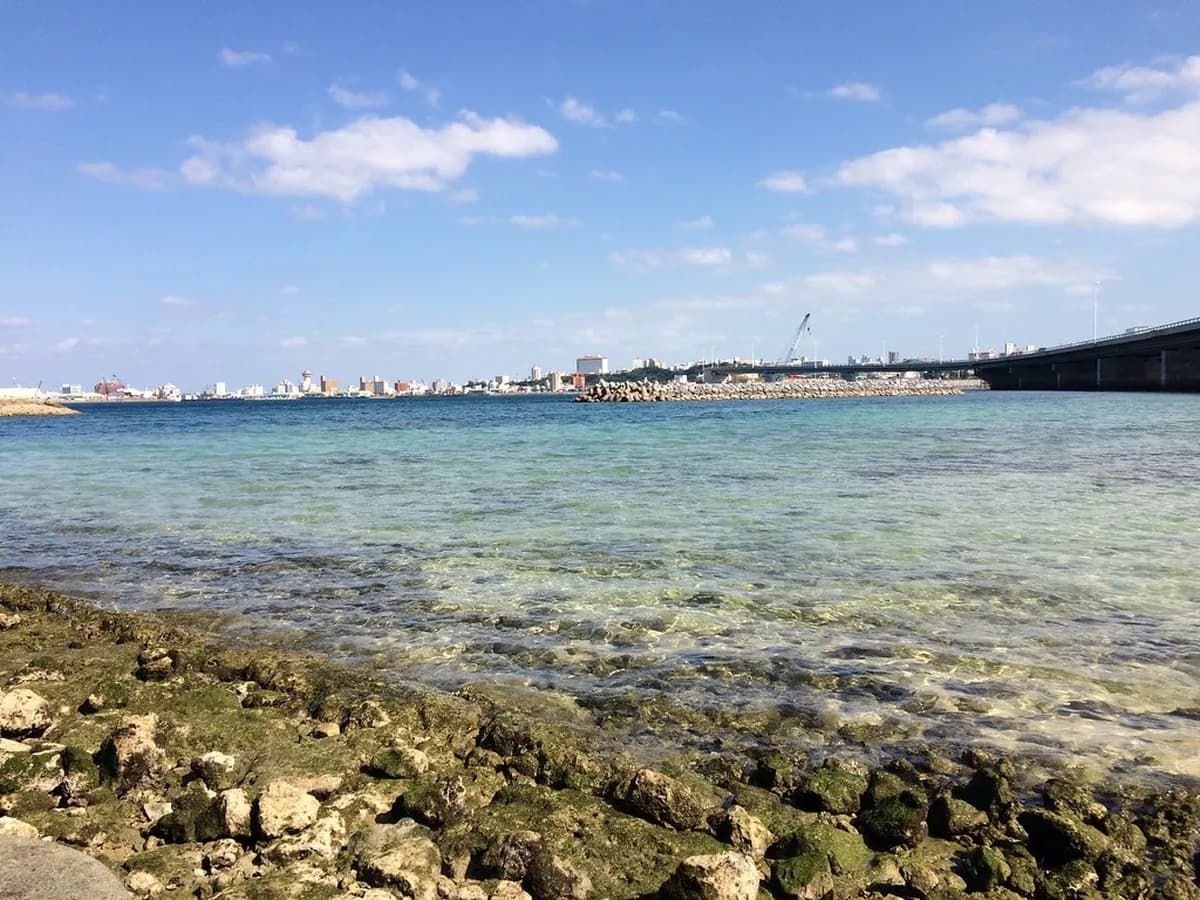
Almost every island-hopping trip starts on Okinawa-honto, the main island. Naha is the gateway: it has the only international airport in the prefecture and Tomari Port, where ferries depart for the Kerama Islands. Before heading to the outer islands, most visitors spend one to two days exploring the capital itself.
Shuri Castle is the centrepiece of Naha and a UNESCO World Heritage Site. Rebuilt after a 2019 fire, the castle complex is open daily from 08:30 to 19:00 (shorter hours from October to June); admission is around ¥400 for adults. A short walk downhill from the castle leads to the Tsuboya pottery district, where workshops have produced Okinawan earthenware for three centuries. The Kokusai Dori shopping street nearby is the place to try champuru stir-fry and jimami tofu, two dishes you will not find in this form on the Japanese mainland.
The north of the main island holds Yanbaru National Park, Japan's newest designated park, covering dense subtropical forest and dramatic coastline. Okinawa Churaumi Aquarium, roughly 90 minutes by car from Naha, is worth a half-day for its whale shark tank. A rental car is essential for the north — public buses are infrequent. See our Okinawa attractions overview for opening times and a full list of sites on the main island.
The Kerama Islands: Best for Snorkelling and a Quick Escape
The Kerama Islands sit 30–40 km west of Naha and are the easiest outer island group to reach. Express ferries from Tomari Port (〒900-0016 Naha, Maejima 3-25-1) run to Zamami Island in 50–70 minutes and to Tokashiki Island in about 35 minutes. Day trips are feasible, but one or two nights on the island lets you catch the early-morning sea turtles and skip the day-tripper crowds.
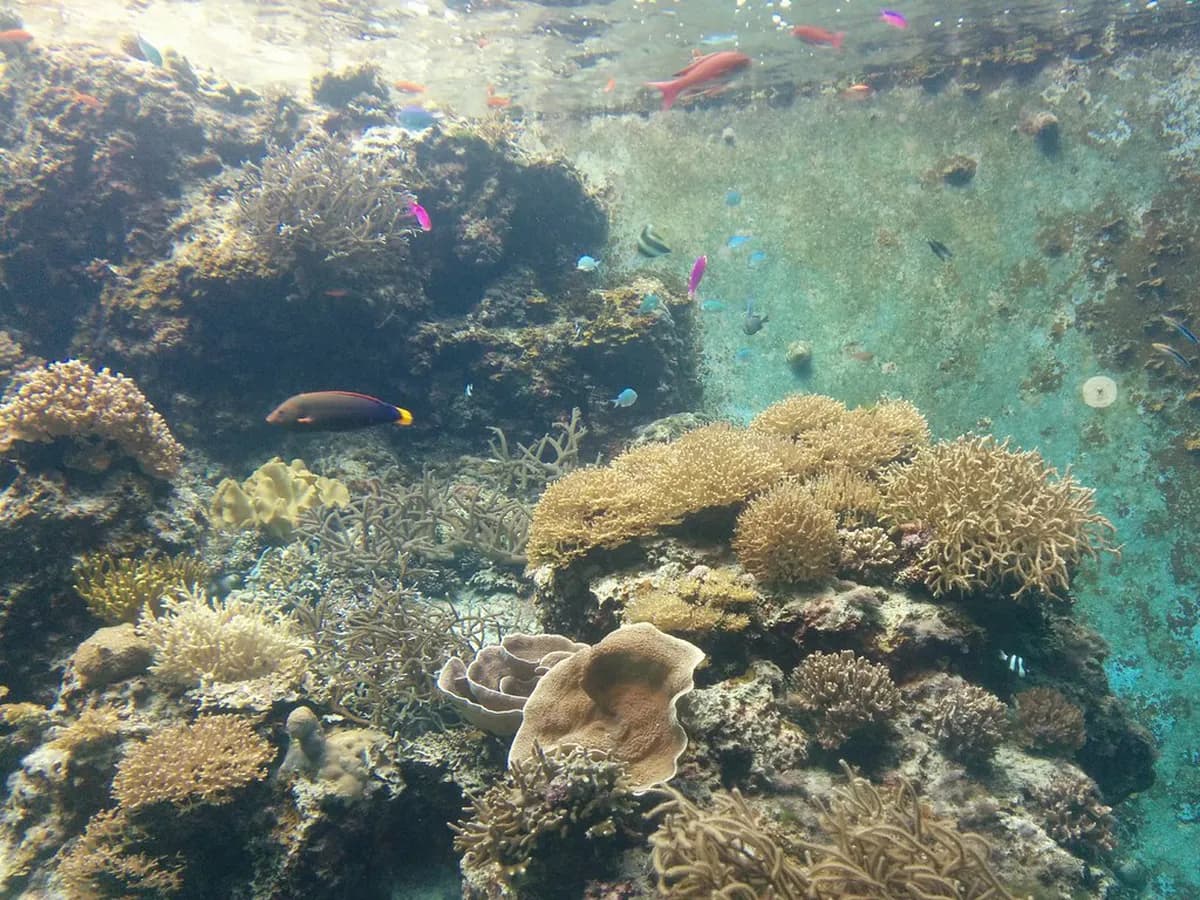
Zamami is the most visited island in the group. Furuzamami Beach is an easy 20-minute walk from the ferry pier and has a coral garden you can snorkel directly off the shore. Ama Beach on the same island is calmer and sees green sea turtles most mornings before 09:00. Tokashiki, a short inter-island ferry from Zamami, offers Aharen Beach and Tokashiku Beach — both quieter than Furuzamami with dramatic cliff backdrops. The smaller Aka Island is connected to Geruma Island by a bridge; Nishihama Beach on Aka regularly appears in rankings of Japan's finest beaches.
The entire group sits within Keramashoto National Park, so swimming is restricted to designated zones to protect the coral. Reef-safe sunscreen is not just a courtesy here — park wardens actively enforce its use. Ferry tickets cost roughly ¥3,000–¥5,200 return; book at least a week ahead in July and August and over Golden Week. Our best beaches in Okinawa guide compares the Kerama beaches side-by-side with those on the main island.
Self-Drive Island Hopping: Katsuren Peninsula
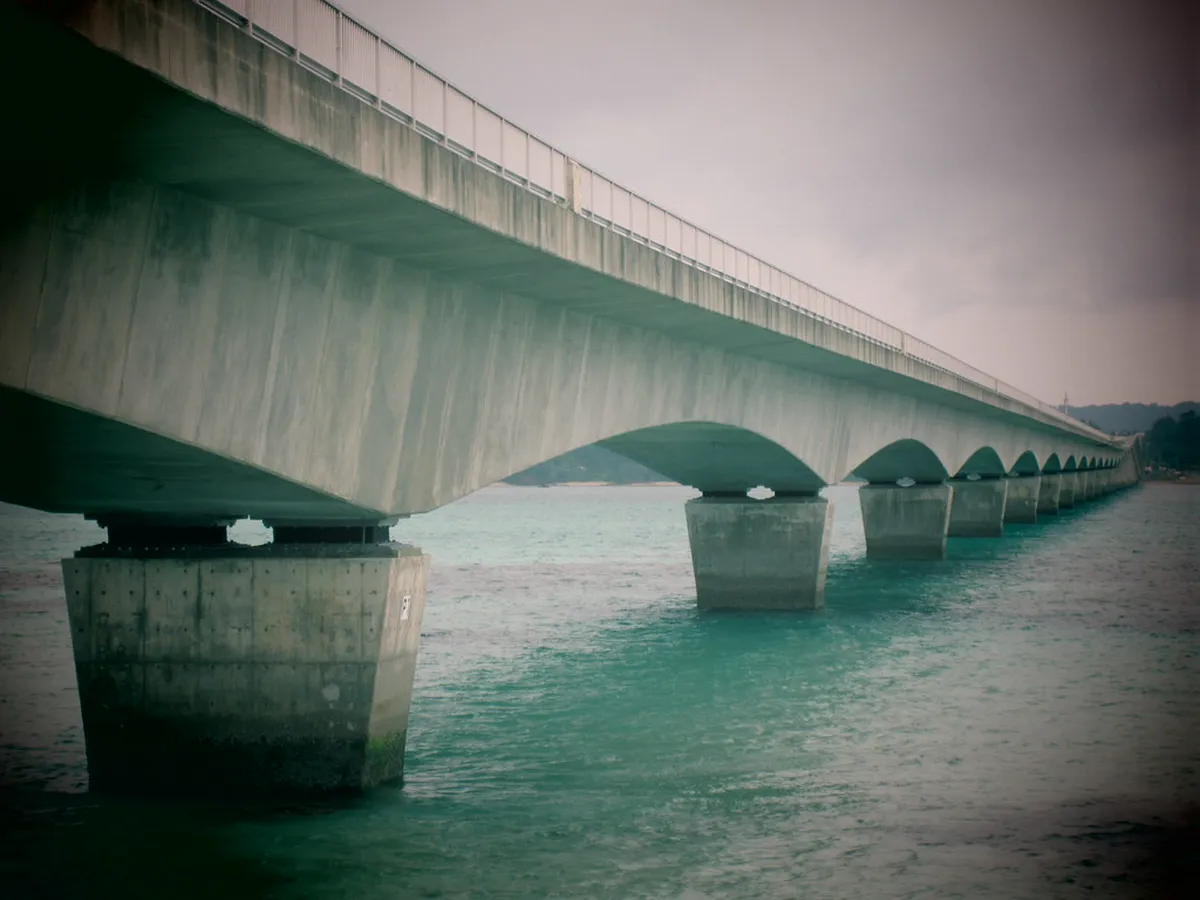
East of Naha, the Katsuren Peninsula offers a rare style of island hopping that requires no ferry. A chain of four islands — Henza, Miyagi, Hamahiga, and Ikei — are connected to the main island and to each other by toll-free bridges. The Kaichu-doro causeway, a 4.7-kilometre road rising above the East China Sea, is the approach from the mainland side and one of the most photogenic drives in the prefecture.

Hamahiga Island carries deep significance in Ryukyuan cosmology and is believed to be the ancestral birthplace of the Ryukyu people. Sacred sites at Amamichu and Shirumichu are signposted and easy to walk. The atmosphere is genuinely quiet — a strong contrast to Naha's tourist infrastructure. Ikei Island at the far end of the chain has two beaches with entry fees: Ikei Beach (¥400, with netted swimming areas and rental gear) and Odomari Beach (¥500 adults / ¥300 children, better for snorkelling). Both are open through summer.
At the mainland base of Kaichu-doro, Umi no Eki Ayahashi Kan is a roadside station with local produce stalls, seafood restaurants, and views across the causeway. It is usually open 09:00–18:00. The whole Katsuren loop takes about four hours from Naha and works well as a half-day add-on paired with a morning in the capital. A rental car is the only practical option — see our guide on Renting a Car in Okinawa: Your Essential Guide & Tips for what to book and how far in advance.
The Miyako Islands: Flat, Clear, and Built for Beach Days
The Miyako Islands sit roughly 300 km southwest of Naha and are not reachable by ferry in any practical sense — the cargo vessel takes around 12 hours. Fly instead: flights from Tokyo, Osaka, and other mainland hubs connect through Naha to Miyako Airport (MMY) in 45 minutes, and ANA and JAL both operate multiple daily departures. Booking two to three weeks ahead typically brings fares down to ¥8,000–¥12,000 one-way. See our Miyako accommodation guide for where to base yourself once you land.
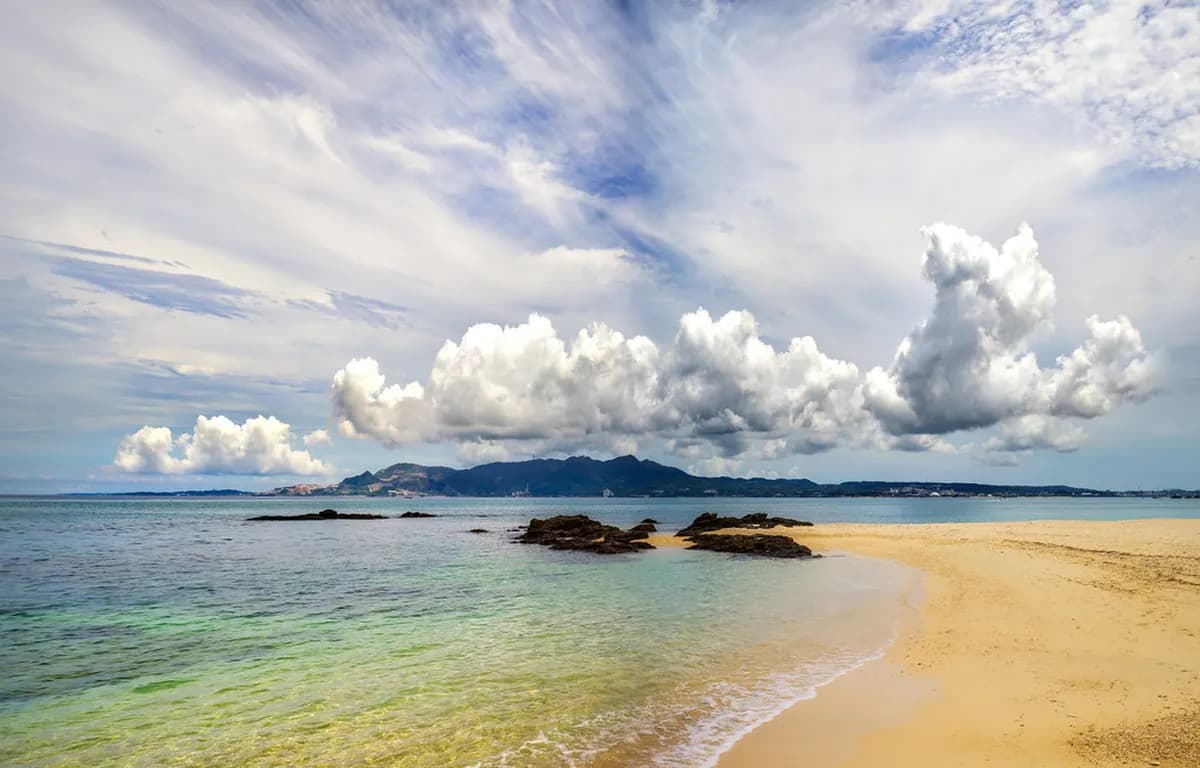
Miyako Island itself is largely flat, which makes cycling a genuinely useful way to get around. Yonaha Maehama Beach on the southwest coast is frequently ranked as Japan's best beach: 7 km of fine white sand with calm, shallow water. Yoshino Beach on the eastern side is narrower but has a thriving coral garden about 50 metres offshore. Cape Higashi-Hennazaki at the island's eastern tip is a scenic headland with a lighthouse and views toward Tarama Island on clear days.
Four satellite islands connect to Miyako by bridge: Irabu (free bridge since 2015, the longest toll-free bridge in Japan at 3.5 km), Ikema, Kurima, and Shimoji. Irabu and Shimoji together offer diving on Toriike — a pair of inland pools connected to the sea by underwater channels that pull divers through on tidal flow. This dive site is found in almost no other place in the world and is absent from every SERP competitor's coverage. Budget two or three full days on Miyako to cover the main island and at least one satellite. Our best time to visit Okinawa guide covers how Miyako's weather and ferry schedules shift by season.
The Yaeyama Islands: Japan's Southernmost Frontier
The Yaeyama Islands are Japan's most remote inhabited archipelago. Ishigaki Island is the hub: it has its own airport (ISG) with daily flights from Naha in about one hour (¥9,000–¥15,000 one-way, ANA and JAL), and from Ishigaki Port all onward island ferries depart. Fly Naha–Ishigaki rather than trying to route through Miyako — the two groups are best treated as separate legs of a longer trip, not stops on a single loop. Our Ishigaki accommodation guide covers guesthouses through boutique resorts. For a full comparison of how to move between the island groups, see Getting Between Okinawa Regions: A Complete Transport Guide.
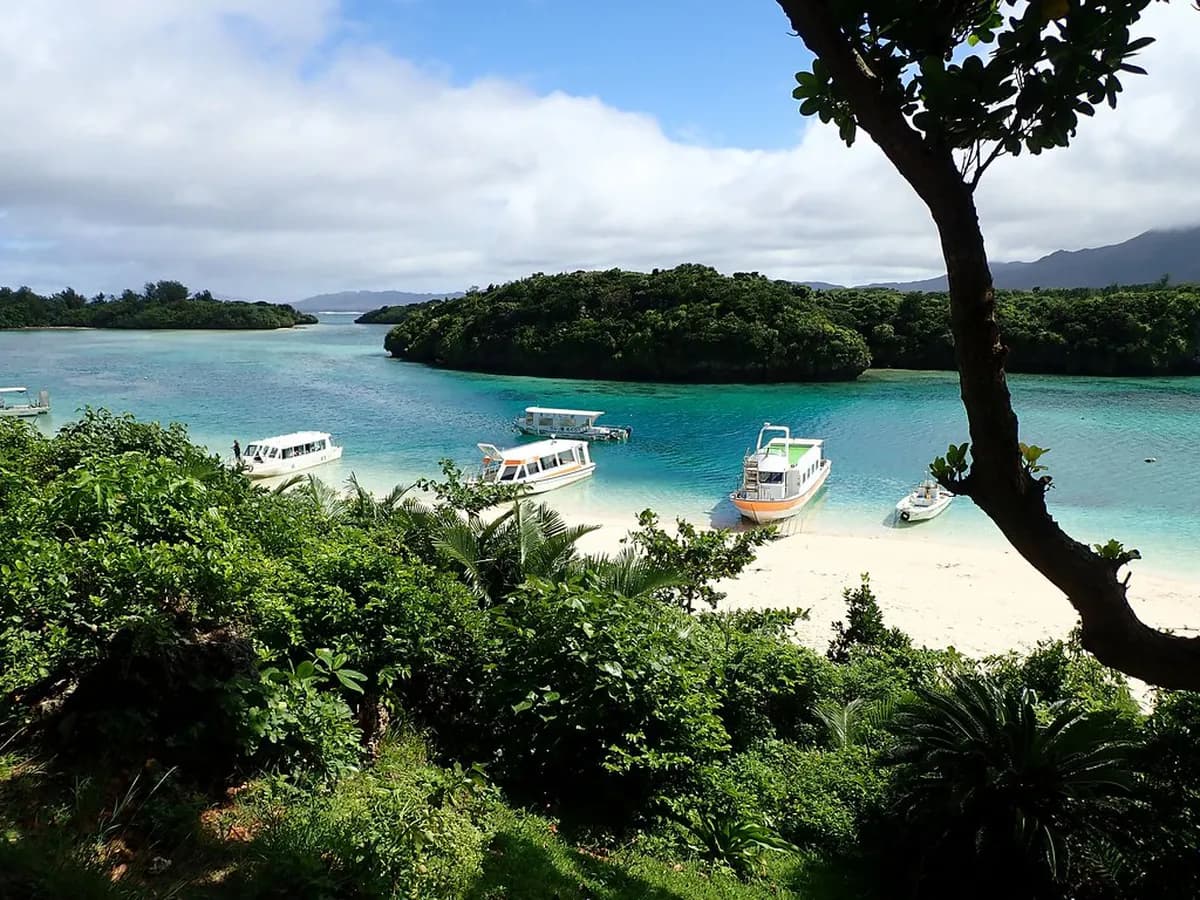
Kabira Bay on Ishigaki's northwest coast is the island's signature sight — a lagoon of improbable turquoise ringed by forested islets. Swimming is banned here to protect black pearl cultivation, but glass-bottom boats run throughout the day (roughly ¥1,500, departures from the bay's pier). Taketomi Island is a ten-minute ferry from Ishigaki Port (¥800 return). The entire island is a living museum of Ryukyuan vernacular architecture: roads are unpaved sand, every house is low-walled stone with a red ceramic-tile roof, and water buffalo pull carts of tourists at a deliberate pace.
Iriomote Island is 45 minutes by express ferry from Ishigaki (¥2,060 one-way to Ohara Port or Uehara Port). Ninety percent of the island is UNESCO-listed subtropical forest. Pinaisara Falls — the tallest in Okinawa — is best reached by kayak up the Nakara River, then a 40-minute hike to the viewpoint. Local guide operators in Shirahama village run half-day kayak-to-waterfall tours for around ¥6,000 per person. If you have the days, Hateruma Island (70–100 minutes by express ferry from Ishigaki) holds the darkest skies of any inhabited island in Japan — the local observatory confirms it is free from light pollution on most clear nights.
How Many Days for Okinawa Island Hopping?
The minimum workable trip is four to five days: one night in Naha, a two-night stay in the Keramas, and a day on the Katsuren Peninsula before flying home. That covers the islands reachable without a domestic flight and gives you enough time for proper beach days rather than rushed day-trip check-ins.
A week unlocks one of the remote groups. Add three nights on Miyako if beaches and snorkelling are your priority, or three nights on Ishigaki (with day trips to Taketomi and Iriomote) if you want jungle, culture, and diving. The two remote groups are both worthwhile but not easy to combine efficiently in under ten days without constant travel days eating into your time.
Two weeks is the comfortable threshold for covering all four groups: two days on the main island, two nights in the Keramas, three nights on Miyako, and four nights in the Yaeyamas. Within the Yaeyamas, a night on Iriomote specifically avoids the day-tripper rush — most visitors come and leave the same day from Ishigaki, meaning the mangrove trails after 16:00 are genuinely quiet.
Essential Tips for Okinawa Island Hopping
Book ferry tickets and flights as early as possible. July and August are Japan's peak domestic travel months, and Kerama ferries sell out two or more weeks ahead. Domestic flights to Miyako and Ishigaki are cheapest when booked through ANA or JAL directly, 28–45 days out. Smaller inter-island ferries within the Kerama group (connecting Zamami, Tokashiki, and Aka) do not always accept advance reservations, so arrive at the pier early.
Use reef-safe sunscreen throughout the prefecture. Conventional sunscreens containing oxybenzone and octinoxate are damaging to coral and are strongly discouraged at all Okinawan beaches. Most island convenience stores and dive shops sell reef-safe alternatives at reasonable prices.
Typhoon season runs June to October with the highest concentration of storms in August and September. Build flexibility into any trip in these months — a typhoon can ground flights and cancel ferries for 24–48 hours. Travel insurance that covers trip interruption due to weather is genuinely useful here, not just boilerplate advice.
On the smaller islands, card acceptance is patchy. Carry enough yen for ferries, beach entry, and two days of meals. Many family-run restaurants on Zamami and Taketomi operate cash-only. ATMs are available at Japan Post offices on most inhabited islands, but hours are limited. Our Okinawa Food Guide: 11 Must-Try Dishes & Best Restaurants (2026) has practical notes on where to eat on islands at various price points.
When to Visit Okinawa for Island Hopping
Spring (March to May) is the strongest all-round window. Temperatures sit between 18°C and 25°C, humidity is lower than summer, and sea visibility in the Keramas routinely exceeds 30 metres. Crowds are moderate except around Golden Week (late April to early May), when ferries and guesthouses fill to capacity.
Summer (June to September) brings the hottest and most photogenic conditions but also typhoon risk and peak crowds. Whale sharks are more commonly spotted on dive trips around Ishigaki from June onward. If you travel in summer, keep at least one buffer day per island group in case of weather disruption.
Autumn (October and November) offers mild temperatures, thinner crowds, and lower accommodation prices than summer. Water temperature stays warm enough for comfortable snorkelling through November. Winter (December to February) is the quietest period. Temperatures on the main island rarely drop below 15°C, and humpback whale watching is reliable off Zamami from January through March. Our Best Time To Visit Okinawa: Month-by-Month Guide & Weather guide has month-by-month weather and event detail for each island group.
Frequently Asked Questions about Okinawa Island Hopping
Frequently Asked Questions
Which Okinawa islands are best for first-time visitors?
For first-timers, a combination of Okinawa Main Island and the Kerama Islands is ideal. The main island offers cultural sites and convenient amenities. The Keramas provide stunning, accessible marine experiences.
How do you get between islands in Okinawa?
You can get between islands using various methods. Ferries and high-speed boats connect many islands from Naha's Tomari Port. For more distant groups like Miyako or Yaeyama, domestic flights from Naha Airport are necessary.
What are the best activities for island hopping in Okinawa?
Top activities include snorkeling and diving in the Kerama Islands' clear waters. Exploring historical sites like Shuri Castle on the main island is also popular. Don't miss relaxing on pristine beaches and enjoying local Okinawan cuisine.
Is it possible to do Okinawa island hopping on a budget?
Yes, island hopping on a budget is possible with careful planning. Opt for guesthouses or budget hotels, and utilize local buses on the main island. Pack snacks and drinks, and choose free activities like beach relaxation.
What should I pack for an Okinawa island hopping trip?
Pack light, breathable clothing, swimwear, and good walking shoes. Don't forget sunscreen, a wide-brimmed hat, and insect repellent. A waterproof bag for beach excursions is also highly recommended.
Okinawa rewards any amount of time you can give it. A long weekend in the Keramas is enough to understand why people keep coming back. A two-week circuit through all four island groups will leave you with a thorough picture of subtropical Japan that most visitors to the country never get close to. Start with the ferry to Zamami, then decide how much further you want to go.
Free guide: Japan's Hidden Gems
12 under-the-radar places beyond Tokyo & Kyoto — with the best season to visit each and a local tip you won't find in the guidebooks.
You might also like


Continue reading
More guides you'll find useful