

Okinawa Food Guide: 11 Must-Try Dishes & Best Restaurants (2026)
Discover Okinawa's unique culinary scene with our ultimate food guide. Explore must-try dishes, top restaurants, local markets, and essential dining tips for your trip.
On this page
After three memorable visits to Okinawa over the past five years, I've come to appreciate its distinct culinary landscape. This island prefecture offers a vibrant food scene, blending traditional Japanese flavors with unique local ingredients and influences. Okinawan cuisine, known as Ryukyu cuisine, emphasizes fresh, healthy ingredients and a philosophy tied to longevity. This guide, last refreshed in November 2025, aims to help you navigate the best of Okinawa's food, from iconic dishes to hidden gems. Prepare to embark on a delicious journey that will tantalize your taste buds and deepen your understanding of this captivating island.
Tips for Eating the Best Food in Okinawa
Dining in Okinawa offers a delightful experience, but a few local insights can enhance your culinary journey. Most restaurants accept credit cards, but smaller, independent eateries and market stalls often prefer cash, so it is wise to carry some yen. Tipping is not customary in Japan, including Okinawa, so there is no need to leave extra money. A simple 'Arigato gozaimasu' (thank you very much) is always appreciated.
Typical dinner hours generally run from 6 PM to 10 PM, with lunch often served between 11:30 AM and 2 PM. Many popular restaurants, especially those known for a specific dish like Okinawa Soba, can get busy, so consider arriving early or making a reservation. Some smaller establishments might close earlier if they run out of their daily specials. It is always a good idea to check opening hours online or call ahead, especially for unique local spots.
To truly savor authentic Okinawan flavors, venture beyond the main tourist areas. Explore local markets like Makishi Public Market in Naha for fresh ingredients and casual dining stalls. Don't hesitate to try izakayas, which are Japanese gastropubs, for a wide array of small dishes and local drinks. Asking hotel staff or local residents for their favorite spots often yields the best recommendations.
11 Must-Try Dishes: Okinawa's Iconic Flavors (2026)
Okinawa's culinary identity is shaped by its unique history, climate, and access to fresh ingredients. The island's cuisine reflects a blend of Japanese, Chinese, and Southeast Asian influences, creating a distinct gastronomic profile. Many dishes are renowned for their health benefits, contributing to the Okinawan reputation for longevity. These iconic foods are essential to any comprehensive Okinawa food guide.
From hearty noodle soups to vibrant stir-fries and innovative snacks, there is a dish to satisfy every palate. Each item tells a story of the island's culture and traditions. Exploring these flavors offers a deeper connection to the heart of Okinawa. Be sure to seek out these specialties during your visit.
When trying these dishes, observe how locals enjoy them. Some foods are best paired with Awamori, while others are perfect as a quick snack. Don't be afraid to experiment with different toppings and condiments available at your table. This approach will unlock the full spectrum of Okinawan tastes.
- Okinawa Soba
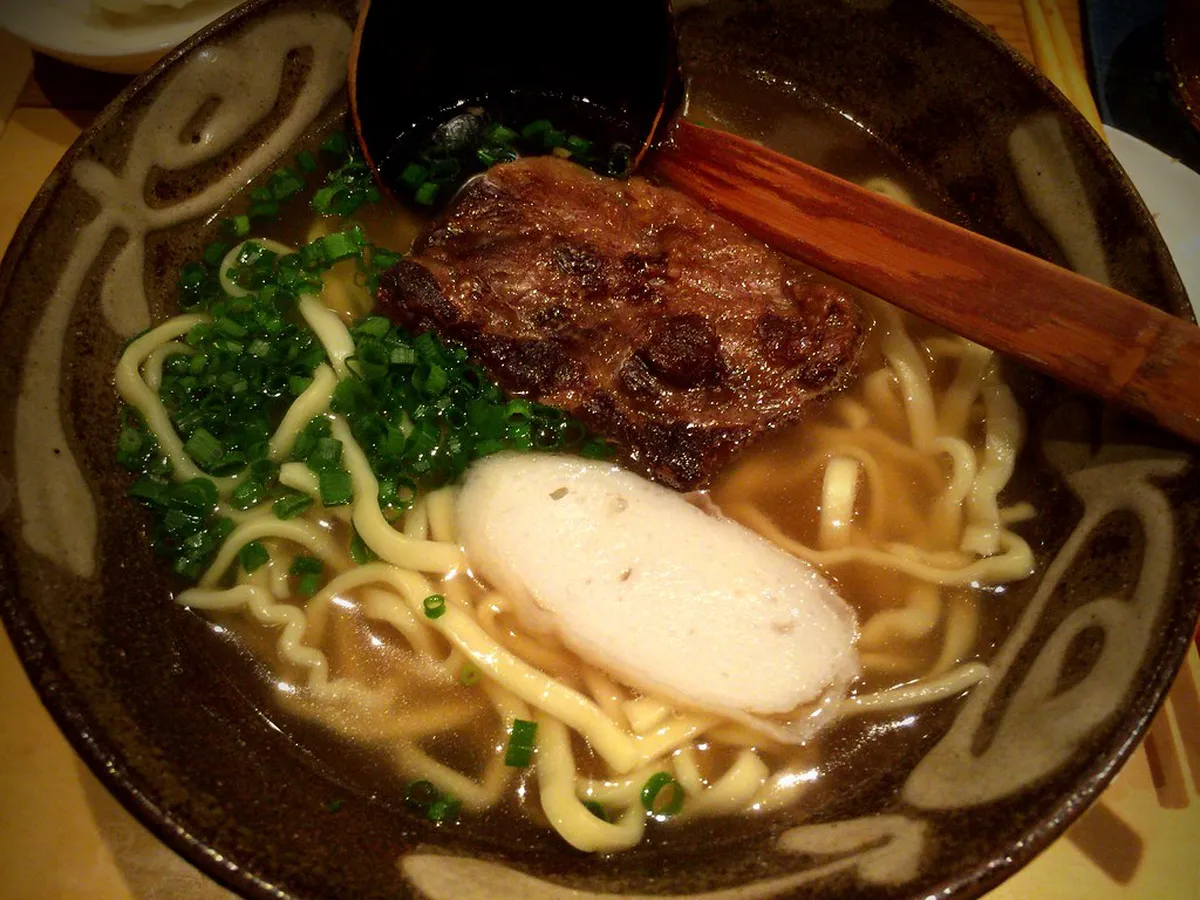
- This hearty noodle soup is a staple, featuring thick wheat noodles in a savory pork or bonito broth, often topped with rafute and kamaboko.
- It is a comforting and filling meal, widely available across the island, with prices typically ranging from ¥600–¥1000.
- Try Okinawa Soba Eibun in Naha, open daily 11 AM–4 PM (closed Tuesdays), for a consistently excellent bowl with a rich broth.
- Don't confuse it with mainland Japanese soba, as Okinawan soba uses wheat flour, not buckwheat.
- Rafute (Okinawan Braised Pork Belly)
- Rafute consists of succulent pork belly slowly simmered in soy sauce, mirin, and Awamori until it becomes incredibly tender and melts in your mouth.
- This rich, savory dish is a celebratory food and a popular topping for Okinawa Soba, costing around ¥800–¥1500 for a side dish.
- Many traditional Okinawan restaurants feature rafute on their menus; look for it at izakayas in Naha's Kokusai Dori area.
- The long cooking process removes excess fat, leaving a surprisingly light yet flavorful experience.
- Gōyā Chanpurū (Bitter Melon Stir-fry)
- Gōyā Chanpurū is Okinawa's signature stir-fry, combining bitter melon (gōyā), tofu, egg, and often Spam or pork.
- Its unique bitter taste is an acquired one, but it is a cornerstone of the Okinawan diet, believed to contribute to local longevity, usually ¥700–¥1200.
- Find this healthy dish at almost any local diner or izakaya; it's a common lunch and dinner option.
- Pair it with rice to balance the bitterness, or try it with a local beer.
- Taco Rice
- A fascinating fusion dish, Taco Rice features seasoned ground beef, shredded lettuce, cheese, and tomatoes served over rice, often with a dollop of salsa.
- Originating in Okinawa in the 1980s, it's a popular, satisfying, and budget-friendly meal, typically ¥600–¥900.
- King Tacos is famous for its generous portions, with several locations, generally open 10:30 AM–10 PM daily.
- Customize it with extra cheese, avocado, or a fried egg for an even richer experience.
- SPAM Musubi
- This iconic snack features a slice of grilled Spam, sometimes glazed with soy sauce, placed atop a block of rice and wrapped in nori seaweed.
- Born from post-WWII American influence, it is a convenient, savory, and ubiquitous snack, usually ¥150–¥300 per piece.
- Grab one at any convenience store (konbini) like FamilyMart or Lawson, or look for specialty shops in tourist areas like Kokusai Dori.
- They make a perfect quick breakfast or on-the-go bite for exploring Okinawa's many attractions.
- Umibudo (Sea Grapes)
- Umibudo, or 'sea grapes,' are tiny, pearl-like green seaweed clusters that pop in your mouth, offering a refreshing, slightly salty taste of the ocean.
- Often served as a side dish with soy sauce, they are a unique Okinawan delicacy, priced around ¥500–¥800.
- Look for them at seafood restaurants, izakayas, and local markets, especially around Naha.
- They are best eaten fresh and raw, as refrigeration can diminish their signature texture.
- Mimiga & Tebichi (Pork Ear & Feet)
- Mimiga (pork ear) is often served thinly sliced and dressed with a vinegary miso sauce, offering a chewy, crunchy texture.
- Tebichi (pork feet) is slow-cooked until gelatinous and tender, a rich and collagen-filled dish believed to be good for the skin, typically ¥700–¥1500.
- These adventurous delicacies are found in traditional Okinawan eateries and izakayas, particularly in Naha.
- Don't be deterred by the ingredients; they are flavorful and a true taste of local culture.
- Tofu-yo (Fermented Tofu)
- Tofu-yo is a fermented tofu delicacy, aged in Awamori and koji, resulting in a creamy, cheese-like texture and a pungent, complex flavor.
- It is often served in small portions as an appetizer or a complement to drinks, usually ¥400–¥700.
- Many izakayas and specialty Okinawan restaurants offer tofu-yo; try it alongside a glass of Awamori.
- Savor it slowly to appreciate its intricate taste, which can be quite strong for first-timers.
- Okinawan Tempura
- Distinct from mainland Japanese tempura, Okinawan tempura often features a thicker, crispier batter and can be enjoyed cold.
- Common ingredients include fish, squid, vegetables, and even mozuku seaweed, making for delightful, portable snacks, usually ¥80–¥200 per piece.
- Seek out seaside stalls or local markets for the freshest Okinawan tempura, especially near fishing ports.
- It's a perfect snack to grab and eat while enjoying the island's beautiful coastal views.
- Beni Imo (Purple Sweet Potato)
- Beni Imo is Okinawa's vibrant purple sweet potato, celebrated for its natural sweetness, beautiful color, and nutritional value.
- It is used in a wide array of sweets, from tarts and ice cream to mochi and cakes, making it a versatile local favorite, prices vary by product.
- You can find Beni Imo tarts at souvenir shops throughout Okinawa, particularly in Naha, and ice cream at cafes like Blue Seal.
- Try a Beni Imo tart from Okashigoten, a famous local confectionery, open daily 9 AM–6 PM, for an authentic taste.
- Agu Pork
- Agu pork is a rare, indigenous Okinawan breed known for its tender meat, rich flavor, and high marbling.
- It is often enjoyed as shabu-shabu, grilled, or in tonkatsu, offering a premium dining experience that's a must-try for meat lovers, typically ¥2500–¥5000.
- Specialty restaurants like Okinawa Dining Hateruma in Naha, open daily 5 PM–11 PM, focus on Agu pork dishes.
- The melt-in-your-mouth texture and distinct sweetness of Agu pork truly set it apart from conventional pork.
Beyond the Plate: Okinawan Snacks, Sweets & Drinks
Okinawa's culinary appeal extends far beyond its main dishes, offering a delightful array of snacks, desserts, and unique beverages. These smaller bites and refreshing drinks provide a glimpse into the island's everyday flavors and traditions. Exploring these options is a perfect way to punctuate your meals or enjoy a casual break. From sweet treats to potent spirits, there's something for every preference.
For those with a sweet tooth, the island's desserts often incorporate local ingredients like beni imo and brown sugar. Snacks are readily available, making them ideal for quick energy boosts while sightseeing. Don't miss the chance to sample beverages unique to Okinawa. They truly round out the local dining experience.
Remember that some specialty snacks and drinks are seasonal or only found in specific regions. If you have a particular item in mind, inquire locally about where to find the freshest or most authentic version. Many markets and dedicated shops offer samples. This allows you to try before committing to a purchase.
Where to Eat in Okinawa: Top Spots & Hidden Gems
Finding the perfect dining spot in Okinawa can be an adventure in itself, with options ranging from bustling markets to upscale restaurants. Naha, the capital, is a hub for diverse culinary experiences, offering everything from traditional Okinawan fare to international cuisine. Venture outside Naha to discover charming local eateries and scenic seaside cafes. Each area provides a unique dining atmosphere.
For an immersive experience, the Makishi Public Market in Naha is indispensable. Here, you can select fresh seafood on the ground floor and have it cooked upstairs at one of the many small restaurants. The market is typically open from 8 AM to 9 PM, though individual stalls may vary. It's an excellent place to sample various Okinawan dishes in a lively setting.
Beyond Naha, consider exploring the northern parts of Okinawa for more rural, authentic dining. Roadside stations (michi-no-eki) often feature local produce and small food stalls offering regional specialties. For those looking for a truly local experience, seek out 'shokudo' (local diners) in residential areas. These often serve home-style Okinawan cooking at very reasonable prices.
Planning Your Okinawa Food Adventure
Integrating Okinawa's rich food scene into your travel plans can elevate your entire trip. For first-time visitors, focusing on a few key dishes and experiences is often the best approach. A 'Naha Foodie Half-Day' itinerary could include breakfast at a traditional Okinawan cafe, exploring Makishi Public Market for lunch, and enjoying an izakaya dinner. This balance offers a great introduction without overwhelming your schedule.
When planning, consider how much time you have and your willingness to travel between regions. Northern Okinawa offers different specialties, like fresh seafood from fishing villages, compared to the more diverse options in the central and southern areas. Renting a car in Okinawa provides the most flexibility for exploring food spots off the beaten path. This allows you to visit remote eateries and markets at your own pace.
One common mistake travelers make is sticking only to tourist-focused restaurants. While convenient, these spots might not offer the most authentic or best-value Okinawan cuisine. Don't shy away from smaller, unassuming eateries that locals frequent, even if menus are only in Japanese. A quick translation app can be your best friend in these situations, unlocking truly memorable meals.
Explore Okinawa Food and Dining
Use these guides to compare local dishes, dining areas and practical food experiences in Okinawa.
Explore food guide in other cities
Frequently Asked Questions
Is Okinawa a Good Food Destination?
Yes, Okinawa is an excellent food destination, offering a distinct culinary identity separate from mainland Japan. Its unique history and climate have created a vibrant cuisine focused on fresh, often healthy, ingredients. Visitors can enjoy a wide variety of dishes, from hearty noodle soups to unique fusion foods.
What Dish is Okinawa Most Famous For?
Okinawa Soba is arguably the most famous dish, beloved by locals and visitors alike. This comforting noodle soup features thick wheat noodles and a savory broth, often topped with tender braised pork belly (rafute). It's a must-try for anyone exploring Okinawan cuisine.
What Time Does Dinner Typically Start in Okinawa?
Dinner in Okinawa generally starts around 6 PM and continues until about 10 PM. Many restaurants open their doors for dinner service around 5:30 PM or 6 PM. It's advisable to check specific restaurant hours, especially for popular spots, as some may close earlier.
Are There Any Food Customs I Should Know About?
Basic Japanese dining etiquette applies in Okinawa; for example, it is polite to say 'Itadakimasu' before eating and 'Gochisousama deshita' after. Do not stick chopsticks upright in rice or pass food with chopsticks. Tipping is not customary, and slurping noodles is considered a sign of enjoyment.
Okinawa's food scene offers a captivating journey through unique flavors, rich history, and a culture centered on health and longevity. From the comforting warmth of Okinawa Soba to the surprising tang of umibudo, each dish tells a story of the island. Embrace the adventure of trying new tastes and exploring local eateries. Your culinary exploration will undoubtedly be a highlight of your visit.
Remember to carry cash for smaller shops, check operating hours, and don't shy away from asking locals for their recommendations. This Okinawa food guide aims to equip you with the knowledge to savor every bite. Prepare to be delighted by the distinct and delicious world of Okinawan cuisine. It is an experience that truly nourishes both body and soul.
Free guide: Japan's Hidden Gems
12 under-the-radar places beyond Tokyo & Kyoto — with the best season to visit each and a local tip you won't find in the guidebooks.
You might also like


Continue reading
More guides you'll find useful


