Vegan Okinawan Food: A 2026 Local Eating Guide
A 2026 guide to vegan Okinawan food: naturally plant-based dishes, where to eat in Naha and Central Okinawa, dashi warnings, and key phrases to use.
On this page
Last updated August 2026, this guide cuts through Okinawa's Blue Zone reputation to locate real vegan Okinawan food on the ground. Modern menus lean on pork and bonito dashi, so plant-based eating here takes a few key phrases plus a short list of trusted addresses. Below are the dishes, restaurants, and phrases that put island vegetables, shima tofu, and sea grapes on your plate, meat-free.
Vegan Okinawan Food: The Blue Zone Reality vs Modern Menus
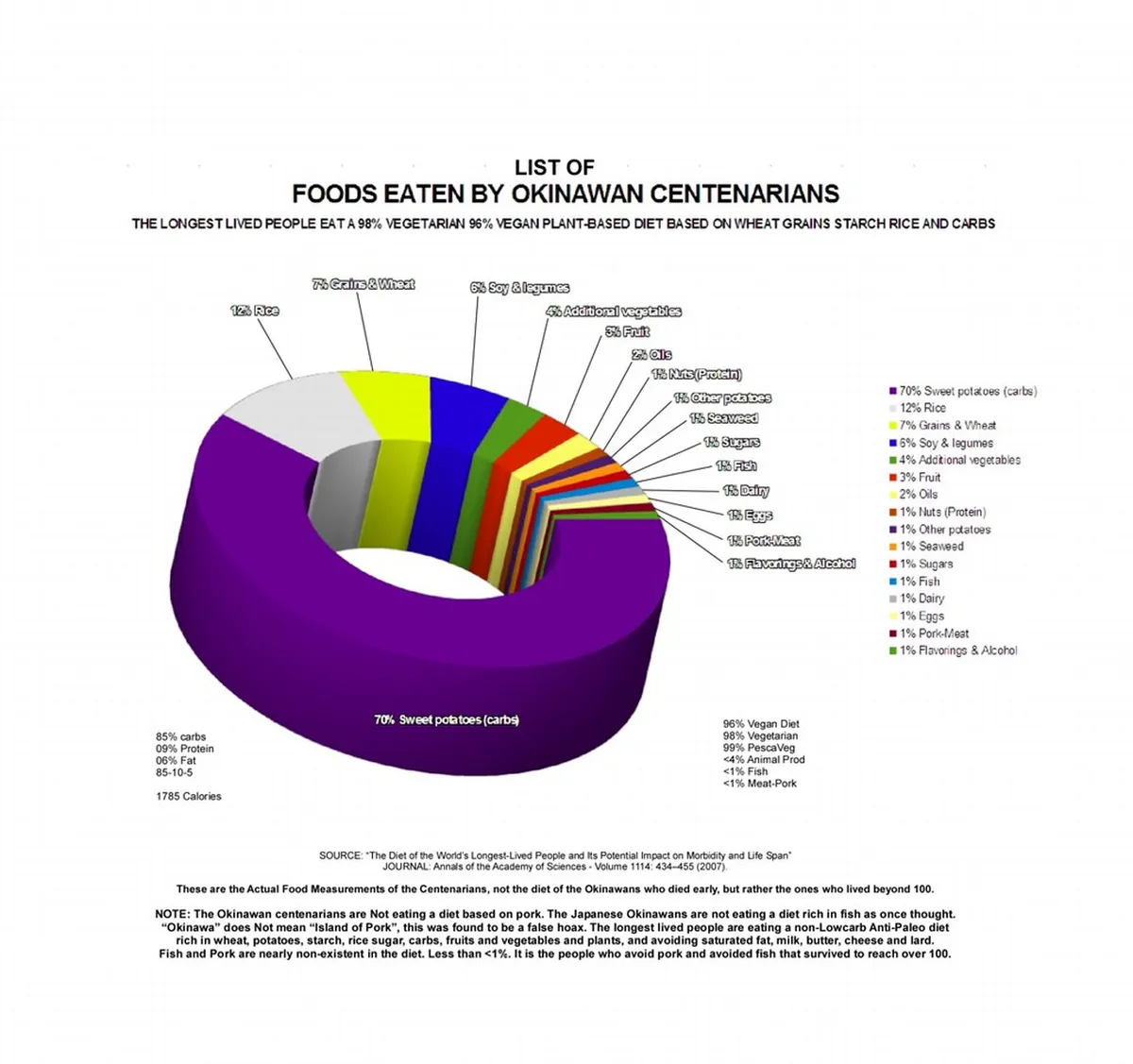
Okinawa's reputation as a Blue Zone comes from a traditional diet that ran over 95 percent plant-based, built on sweet potatoes, seaweed, and tofu. Today's restaurant menus tell a different story. Pork dishes, fish-based dashi, and egg-laced stir-fries dominate typical izakaya menus across Naha and the outer islands. Finding vegan Okinawan food is possible, but it takes intentional ordering rather than casual menu scanning. This guide pairs with the wider Okinawa Food Guide: 11 Must-Try Dishes & Best Restaurants (2026) and focuses only on what's plant-based.
Must-Try Vegan Okinawan Dishes and How to Order Them
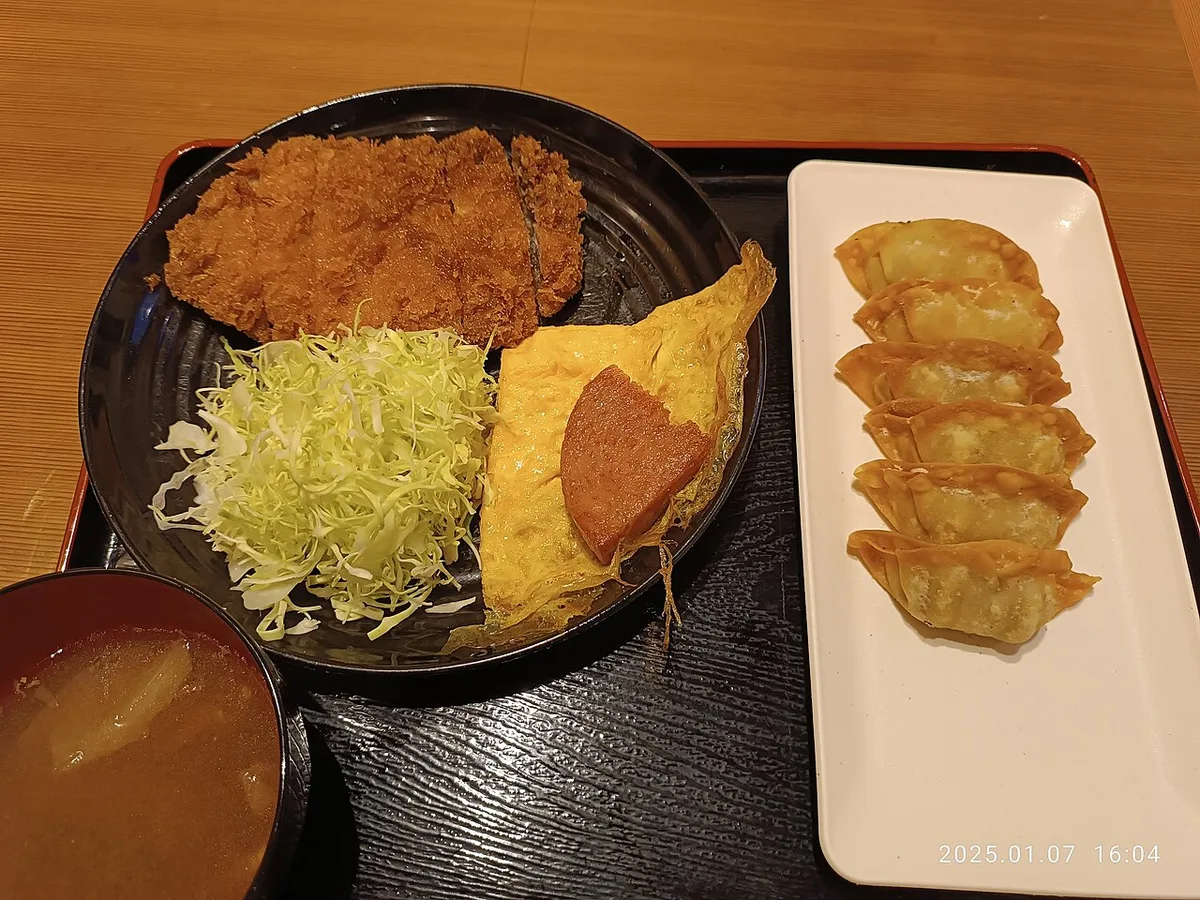
Several Okinawan staples are vegan by default, and others just need one clarifying phrase at checkout. Chanpuru, the island's stir-fry family, is cooked to order in a hot wok, so substitutions are easy. Ask for niku-nashi (no meat) and tamago-nashi (no egg), and a goya chanpuru becomes bitter melon stir-fried with tofu and vegetables only. Two dishes deserve caution instead of enthusiasm. The JEF Burger chain's Goya burger is bound with egg, so it isn't vegan despite the vegetable-forward name. Hirayachi pancakes often include fish or octopus, so ask for a version without seafood if you want the vegetable-only rendition. For noodle-specific swaps, including which broths run on fish stock, the Okinawa soba styles guide covers it in more depth.
- Goya Chanpuru: bitter melon stir-fried with tofu and vegetables. Order niku-nashi and tamago-nashi to drop the pork and egg most versions include.
- Shima Tofu (Island Tofu): firmer than mainland tofu, so it fries without breaking apart. It's also served cold in salads with local greens and Shikwasa dressing.
- Umibudou (sea grapes) and Mozuku: two Okinawan seaweeds. Umibudou has a juicy, bubble-like texture, while mozuku is thin and slimy, usually served with a light dressing or as tempura.
- Taco Rice: traditionally built on minced beef, but Naha's Ukishima Garden swaps in Okinawa tofu crumble for a plant-based version.
- Chinbin: a simple sweet crepe of flour, water, and dark sugar. It's naturally vegan and sold as a snack in Naha's markets.
- Tofu Yo: a strong, fermented tofu traditionally paired with awamori, Okinawa's rice spirit. The Okinawa Awamori Distilleries: Tours, Tastings & Kusu Guide covers the spirit side of that pairing.
Hara Hachi Bu: The Longevity Rule Behind the Diet
Okinawa's longevity reputation rests on more than ingredients. Hara hachi bu, the practice of eating until about 80 percent full, is the behavioral half of the story. Traditional meals ran low in fat and calories, with sweet potatoes supplying most of the daily energy instead of rice or meat. Purple and yellow varieties still turn up on menus and market stalls today, and they're worth treating as more than a side dish. Researchers who study the Okinawa diet estimate traditional daily intake at roughly 1,700 to 1,900 kilocalories, well below the mainland Japanese average. Applying hara hachi bu while traveling is simple. Order smaller plates and share sides rather than committing to one large set meal, especially at multi-course spots like Ukishima Garden.
The traditional Okinawan diet ran over 95 percent plant-based yet provided only 1,700 to 1,900 kilocalories daily, revealing that longevity came from portion control as much as plant-based eating.
Where to Eat in Naha: Kokusai Dori, Tsuboya, and Beyond
Naha is the easiest base for vegan Okinawan food, since the monorail and a compact street grid put most addresses within walking distance. Mana, tucked in an alley near Kokusai Dori, serves an all-vegan menu of dal curry, small plates, and a tofu-based lemon cheesecake. It only opens for lunch, Thursday through Sunday. Ukishima Garden sits nearby with a more formal setup. Lunch brings plates and curry, while dinner offers a 4- or 6-course set with garden or tatami seating. A four-course dinner set has been reported at 3,630 yen, including dessert. Kintsubo Shokudo, a Taiwanese vegetarian institution in Naha's Tsuboya district, runs an unlimited rice-and-soup buffet. Its buffet has been reported at 600 yen for unlimited rice and soup, one of the cheapest sit-down options in Naha. It's best known for chimaki, rice dumplings wrapped in leaves with peanuts and vegan spam. Reported hours run Friday through Wednesday, roughly 8am to 3pm, with a shorter Saturday sitting, so confirm current hours before visiting. Elsewhere in Naha, Tamatebako runs a rotating menu of Okinawan laksa, Taiwanese dumplings, and seaweed plates. Its hours change monthly, so check its Facebook page before visiting.
Where to Eat in Central Okinawa: American Village and Onna
Central Okinawa spreads out more than Naha, and a car makes the vegan restaurant scene far easier to reach. Tami's, an all-vegan kitchen inside the American Village complex, serves a plant-based hamburg steak with teriyaki sauce. Its outdoor seating looks over the district's ferris wheel. American Village itself is covered in the 25 Best Things to Do in Okinawa: Your Ultimate 2026 Guide guide, useful for pairing a meal with a stop at the complex. Ezparza's Tacos and Coffee, also near American Village, is a casual pick with clearly marked vegan tacos and enchiladas, suited to groups. Detox Cafe Felicidad, on Naha's south side, is worth the detour for a coconut curry portion reported at 1.5 to 2 meals' worth of food. For a fast breakfast, Aien Coffee and Hostel near American Village serves avocado toast, burritos, and soy lattes. In Onna, part of the same Central Okinawa stretch, Buruno sells oversized vegan onigiri and mango shakes near the beach, open daily except Wednesday.
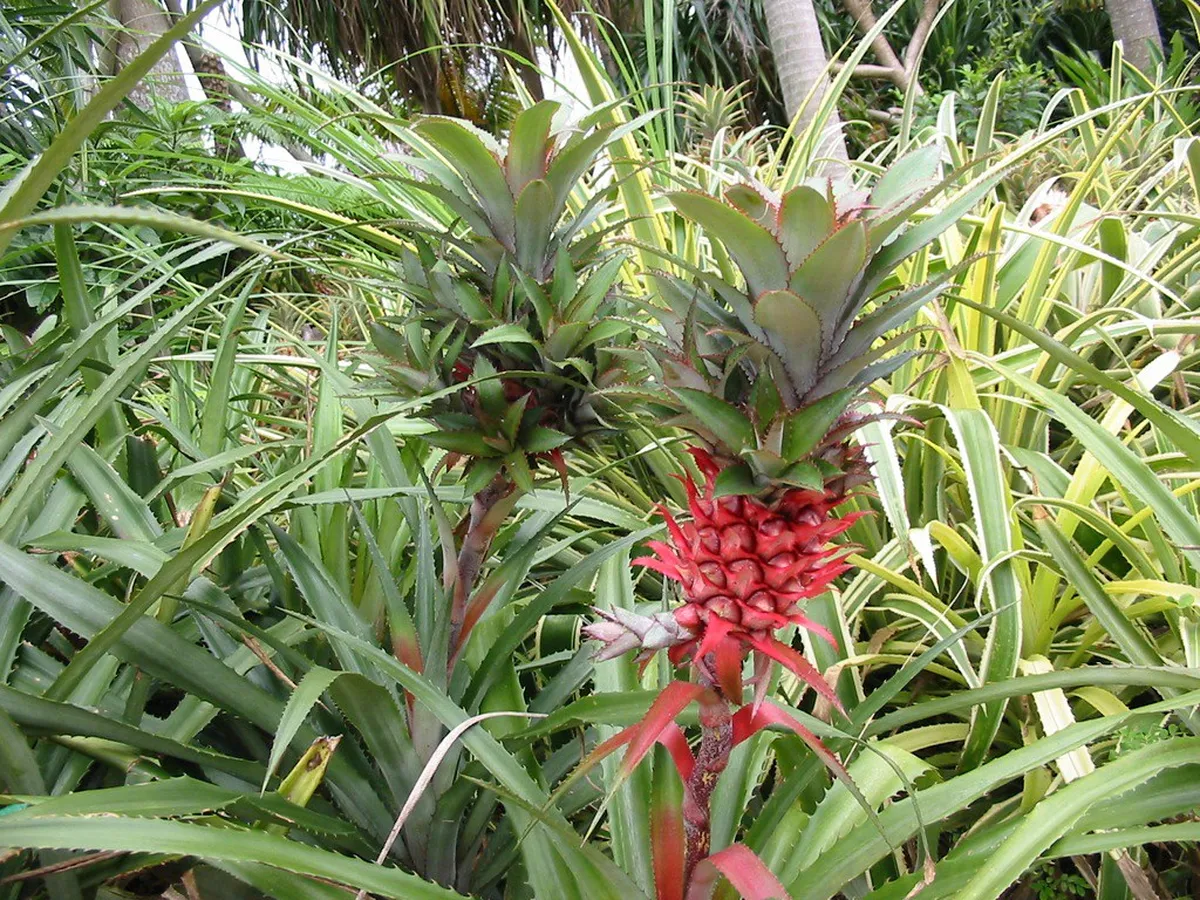
Naha Airport: Vegan Options at the Domestic Terminal
Naha Airport's Domestic Terminal, 4th floor, is a genuine safety net for the first and last meal of a trip. Donburi Nantoya runs a separate vegan menu there, cooked in its own oil apart from the regular kitchen. It has been reported open daily from 9am to 8pm, though airport hours can shift, so confirm on arrival. Vegan options include a seaweed and vegetable tempura bowl made with local mozuku, a vegetable curry rice, and a mapo tofu bowl. The stall's allergy chart marks a circle when a dish skips the five pungent spices, and a triangle when it contains them. Check the symbol rather than guessing. Past visitors have flagged the miso soup as not reliably vegan, so ask staff to leave it off the tray if in doubt.
Comparing Okinawa's Vegan-Friendly Restaurants at a Glance
The table below lines up price point, accessibility, and vibe for the restaurants covered above. Use it to plan a realistic route through Naha and Central Okinawa in a single trip.
| Restaurant | Area | Price Point | Accessibility | Vibe | Key Dish |
|---|---|---|---|---|---|
| Mana | Naha, near Kokusai Dori | Budget to mid-range | Monorail | Cozy, lunch-only Thu-Sun | Dal curry, tofu lemon cheesecake |
| Ukishima Garden | Naha | Mid-range to fine dining (dinner set reported at 3,630 yen) | Monorail | Refined, garden and tatami seating | Vegan taco rice with Okinawa tofu |
| Kintsubo Shokudo | Naha, Tsuboya district | Budget (buffet reported at 600 yen) | Monorail | Traditional, local buffet | Chimaki rice dumplings |
| Tami's | American Village, Central Okinawa | Mid-range | Car recommended | Casual, ocean-view deck | Plant-based hamburg steak |
| Detox Cafe Felicidad | South Naha | Mid-range | Car or taxi | Quick bite, large portions | Coconut curry |
| Aien Coffee and Hostel | Central Okinawa, near American Village | Budget | Car recommended | Quick breakfast | Avocado toast, soy latte |
| Donburi Nantoya | Naha Airport, Domestic Terminal 4F | Budget | Airport | Quick bite, traveler's lifesaver | Seaweed tempura bowl |
The Hidden Dashi Problem: Phrases That Protect Your Meal
The biggest trap in Okinawan cooking isn't meat, it's dashi. Many dishes labeled vegetable-based are simmered in a stock made from bonito flakes or fish, even when no fish appears on the plate. A menu that says vegetable soba or vegetable soup can still run on fish-based broth underneath. Four phrases cover most situations.
- Sumimasen, oniku, osakana ga haitte inai ryouri wa arimasu ka? — Excuse me, are there any dishes without meat or fish?
- Sumimasen, bejitarian (vegan) no menyuu wa arimasu ka? — Excuse me, do you have a vegetarian or vegan menu?
- Sumimasen, tare nashi de onegaishimasu. — Excuse me, can I have it without the sauce? Many sauces contain bonito or egg.
- Sumimasen, tsuyu no naka ni katsuobushi wa haitte imasu ka? — Excuse me, is there bonito in this broth?
Supermarkets, Convenience Stores, and Naha vs North Okinawa
Okinawan supermarkets are a difficult way to eat vegan, since packaged goods often hide dairy, egg, or fish stock in the ingredient list. Convenience stores are a more reliable backup. Lawson, Family Mart, and 7-Eleven all stock onigiri, and enough are filled with pickled vegetables or seaweed to make a workable breakfast or snack. Fresh produce is easier to track down at local markets than at chain supermarkets. The Okinawa markets and farmers markets guide covers where to find purple sweet potatoes, bitter melon, and shima rakkyo, or island shallots, in season. Where you base yourself changes how easy all of this is. Naha's monorail and walkable core put a dozen vegan-friendly kitchens within a short trip. North Okinawa's scenery comes with far fewer plant-based options and usually requires a car between towns. The Okinawa Food Road Trip: A 3-5 Day Culinary Itinerary & Guide covers meal planning for the drive north. It includes the tempura stands on Ojima Island, which fry vegetable tempura fresh to order.

Mistakes That Catch Vegan Travelers Off Guard
A few recurring mistakes turn an easy vegan meal into a frustrating one. Confirm hours and vegan status ahead of time, especially outside Naha.
- Assuming vegetable means vegan: traditional izakaya dishes labeled yasai (vegetable) are frequently cooked in bonito dashi or topped with dried bonito flakes.
- Skipping the Facebook check for small Naha cafes: hours at places like Tamatebako change monthly and post only on social media.
- Visiting during Golden Week, late April to early May, without a reservation is risky. Small vegan kitchens with five or six tables fill fast during Japan's biggest holiday week.
- Ordering tempura without asking is a common slip. The batter itself is usually fine, but the asa seaweed and green bean tempura sold at Ojima Island's stands contain fish.
- Treating chanpuru as automatically vegan: most versions include egg, so tamago-nashi is as important a phrase as niku-nashi.
Frequently Asked Questions
Is Okinawa vegan-friendly?
Okinawa is workable for vegan travelers, but it takes more intention than mainland Japan's bigger cities. Naha alone has enough dedicated vegan kitchens, including Mana and Ukishima Garden, to cover multiple days without repeating a menu. Outside Naha, plan around a shorter list of confirmed addresses rather than walking into random restaurants.
What Okinawan dishes are naturally vegan?
Chinbin, a sweet flour crepe, shima tofu salads, and umibudou sea grapes are naturally plant-based. Goya chanpuru and taco rice can both be made vegan on request, since kitchens can swap out the egg, pork, or beef.
How do you ask for food without fish dashi in Okinawa?
Ask directly whether the broth contains bonito: sumimasen, tsuyu no naka ni katsuobushi wa haitte imasu ka. Most dishes described as vegetable-based still default to a fish-based stock unless you say otherwise.
Is taco rice vegan in Okinawa?
Traditional taco rice uses minced beef and cheese, so it isn't vegan by default. Some Naha cafes, including Ukishima Garden, make a version with Okinawa tofu crumble instead of meat, so ask before ordering elsewhere.
What should vegan travelers eat at Naha Airport?
Head to Donburi Nantoya on the Domestic Terminal's 4th floor. It runs a separate vegan menu cooked in its own oil, with a seaweed tempura bowl, vegetable curry rice, and a mapo tofu bowl among the options.
Naha or North Okinawa: where's easier for vegan food?
Naha is easier, since its monorail and dense restaurant scene put most vegan kitchens within a short trip. North Okinawa offers scenic driving and a few tempura stands, but far fewer confirmed vegan restaurants, so a car and some pre-trip research help.
Free guide: Japan's Hidden Gems
12 under-the-radar places beyond Tokyo & Kyoto — with the best season to visit each and a local tip you won't find in the guidebooks.
You might also like


Continue reading
More guides you'll find useful