Okayama Kibi Dango Guide: Brands, Flavors, and Where to Buy in 2026
A 2026 guide to Okayama kibi dango: Kōeido's brands, flavor differences, shelf life, and exactly where in Okayama to buy it fresh.
On this page
Last updated August 2026, Okayama kibi dango is the city's signature wagashi, tied to the Momotaro legend and sold as a souvenir since the Edo period. It tastes mild and chewy, closer to soft rice mochi than to a strongly flavored candy. This guide covers the real brand differences, flavor options, and shopping logistics that most souvenir lists skip.
What Is Okayama Kibi Dango, and What Does It Taste Like?
Okayama kibi dango is a wagashi built around gyūhi, a soft style of mochi made from glutinous rice. Despite the name, kibi (millet) plays little to no role in most modern recipes. This differs from the skewered, kinako-dusted millet dango sold at stalls in Tokyo's Asakusa district, which use actual millet flour and are served warm off the stick. Typical ingredients are glutinous rice flour, non-glutinous rice flour, sugar, and potato starch. The result is a pale, chewy dumpling with mild sweetness and no strong millet taste. Texture varies more than flavor across brands: some presses are dense and firm, others soft enough to yield to a light touch. For a wider view of the city's savory dishes alongside this dessert, the 10 Must-Eat Foods in Okayama: Your 2026 Food Guide covers where kibi dango fits among local specialties.
From Kibitsu Shrine to Emperor Meiji: The History Behind Kibi Dango
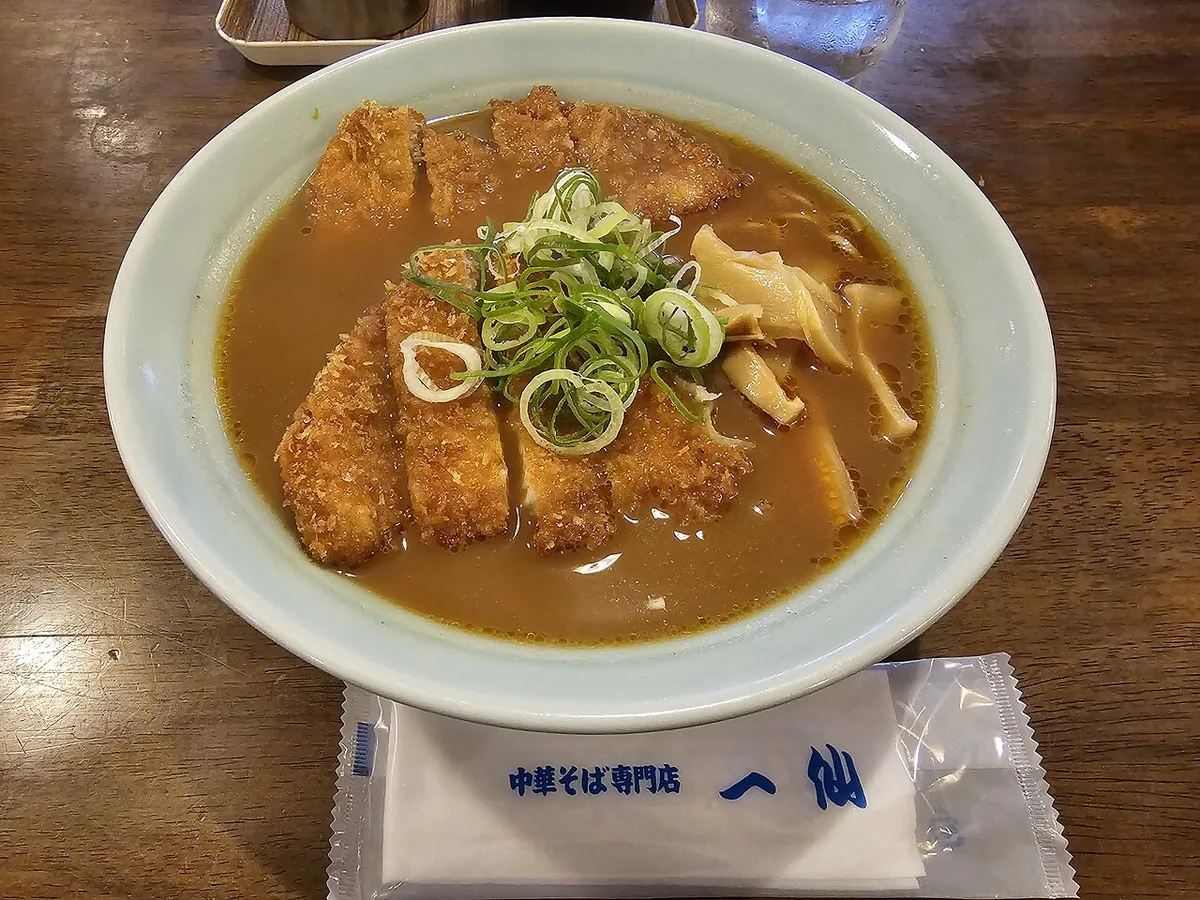
Okayama's kibi dango carries two overlapping origin stories. The oldest link is Kibitsu Shrine, where local tradition places the ogre-slaying deity Kibitsuhiko as the historical figure behind Momotaro. That theory gained popularity in the 1930s, when Okayama began promoting the Peach Boy folk hero as a native of the old Kibi Province. Travelers curious about the shrine itself can pair a visit with the Okayama attractions guide. Commercial history offers a clearer timeline. A pottery merchant named Hiroseya converted to confectionery in 1856, during the Ansei era, and took the new name Kōeidō. According to the shop's own account, Igi Sanensai, a senior advisor to the Okayama domain's feudal lord, guided the recipe toward the refined, tea-ceremony-ready sweet sold today. Okayama's feudal domain later granted Kōeidō the right to use a nail-pulling crest, a mark of official recognition. In the mid-1880s, Emperor Meiji visited Okayama and received kibi dango from the shop's first owner, Asajirō. The emperor's praise poem is still referenced in Kōeido's own materials today. Kibi dango was originally boxed in sets of 30 or 50 before railway travel turned it into a portable station souvenir.
Kōeido Honten vs Kōeido Takeda: Untangling the Split
Kōeido split into two separate businesses that still operate today: Kōeido Honten and Kōeido Takeda. Both trace back to the same 1856 founding, which is why the names look almost identical on shop signs and gift boxes. Kōeido Honten sells the Ganso Kibidango, the original-recipe version made with glutinous rice grown in Nayoro City, Hokkaido. Each piece comes individually wrapped in paper illustrated by children's book author Gomi Taro. Ten-piece boxes rotate through six character designs: Momotaro, an oni, a dog, a monkey, a pheasant, and an unnamed robot-like figure. The same ten-piece format currently comes in seven flavors: Original, Brown Sugar, Sea Salt, Kinako, White Peach, Matcha, and Sports. Gomi Taro's artwork is the reason Kōeido Honten's boxes read as the more playful, gift-friendly option among Okayama's kibi dango brands. Kōeido Takeda instead specializes in a kinako version, dusted with roasted soybean flour and designed by Noritake; its plain-flavor packaging uses a cherry blossom motif. Knowing which shop made a given box matters for matching a specific flavor or design to a gift recipient.
Flavor Matrix: Choosing a Kibi Dango Variety by Taste
Beyond the two Kōeido brands, several Okayama makers sell distinct flavor takes on kibi dango. Nakayama Shoyodo leans savory-sweet with a soy sauce recipe, while Shikishimado uses Okayama's muscat grapes for a fruitier filling. A plum version from Yamawaki Sangetsudo, sold through Nigiri Meshi Yamada in the Sanste section of Okayama Station, adds a fruit-jam option for travelers shopping right before a train. The table below groups the main options by flavor profile, so travelers can choose by taste rather than packaging alone.
| Brand | Variety | Flavor Profile |
|---|---|---|
| Kōeido Honten | Original Kibi Dango (Sea Salt) | Umi no Sei sea salt from Izu Oshima; not overly sweet |
| Nakayama Shoyodo | Momotorao | Soy sauce, savory-sweet |
| Nakayama Shoyodo | KIBI DANGO (Salted Chocolate) | Chocolate and almond center inside salty gyūhi |
| Shikishimado (Takehisa Yumeji Honpo) | Muscat Kibi Dango | Okayama muscat grape nectar filling |
| Yamawaki Sangetsudo (via Nigiri Meshi Yamada) | Plum Kibi Dango | Domestic plum jam filling in soft mochi |
| Yamawaki Sangetsudo | Chocolate Kibi Dango | Cocoa-dusted chocolate mochi |
| Kōeido Takeda | Kinako Kibi Dango | Roasted soybean flour, mild and familiar |
| Kinmando Honpo | Kibi Dango (with millet dengaku option) | Easy-to-eat, individually wrapped; no hands-on mess |
Mukashi vs Ganso: Traditional and Modern Styles Compared
Two style names come up at almost every Okayama shop: mukashi and ganso. Ganso Kibidango is the softer, gyūhi-based style sold nationwide, including at department stores well outside Okayama Prefecture. Mukashi Kibidango is the denser, traditional-recipe version instead. Kōeido makes its Mukashi Kibidango with glutinous rice grown by contracted farmers inside Okayama Prefecture, giving it a firmer bite and a less sweet profile than the Ganso version. That traditional style sells only at Kōeido's seven directly managed stores and through its online shop, not at general kiosks. Finding only the softer Ganso version at Okayama Station is not a sign of missing out. It simply means seeing the version built for wide distribution, while Mukashi rewards a stop at an actual storefront.
Where to Buy Kibi Dango in Okayama
Okayama Station is the easiest place to buy kibi dango, but it is not the only option. Sun Station Terrace, inside the station, sells it through the Okayama Takashimaya store there, useful for a last-minute pick before a train. For a slower stop, the flagship Kōeido shops in the Chunagon and Fujiwara districts add a café alongside the retail counter. Chunagon Main Store is the location Okayama-born writer Uchida Hyakken referenced in his essay 'Kibi Dango at Dawn.' The Fujiwara store sits at 60 Fujiwara, Naka-ku, Okayama City, and opens 9:00 to 18:00, with the café's last food order at 17:00. Kōeido operates seven directly managed stores in total, listed below. Department-store food halls and JR-affiliated kiosks around the prefecture carry the more common flavors too. Selection narrows outside these managed locations. Travelers combining a sweets stop with a meal can check the budget eats guide for nearby options.
- Chunagon Main Store
- Fujiwara store
- Sun Station Terrace Okayama (Okayama Takashimaya)
- Okayama Kurashiki store
- Kurashiki store
- Kurashiki Otori store
- Tenmaya Okayama store
Traveler's Checklist: Shelf Life, Storage, and Gift Selection
Kibi dango is a mochi-based sweet, so it behaves differently from cookies or crackers packed for the flight home. A few practical points keep a purchase from going to waste, especially for travelers packing boxes across multiple cities before flying out.
Modern shops sell sets of 10, 15, or 20 pieces, compared to the original 30 or 50 sets before railway travel transformed kibi dango into portable souvenirs. The smaller format reflects how the sweet shifted from formal prestige gifts to everyday shareable merchandise.
- Shelf life: typically 7 to 14 days from purchase or the printed manufacture date, so treat kibi dango as a near-term souvenir rather than a pantry item.
- Storage: keep boxes at room temperature; refrigeration hardens the gyūhi mochi and changes its texture.
- Serving: pair kibi dango with green tea or matcha, which cuts the sweetness the way it does with most wagashi.
- Box sizes: most shops sell sets of 10, 15, or 20 pieces, each individually wrapped for easy sharing or gifting.
- Weight: one box packs easily into a carry-on, but several boxes for multiple recipients add up fast in a suitcase.
- Gift matching: character-illustrated boxes suit kids and Momotaro fans, while plainer Mukashi-style packaging reads as more formal for business or host gifts.
Mistakes to Avoid When Buying Kibi Dango
A few habits turn a good kibi dango purchase into a wasted one. Buying several boxes early in a trip is the most common mistake, since the 7-to-14-day shelf life often lapses before travelers get home. Treating Kōeido Honten and Kōeido Takeda as interchangeable is another: they share a founding date but sell different specialties under separate management. Assuming kibi guarantees a millet flavor sets up disappointment, since most modern versions taste mainly of glutinous rice and sugar. Refrigerating a box to keep it fresh backfires, because cold temperatures harden the mochi instead of preserving it. Limited items such as Kōeido's Old Kibi Dango, made with Madokoro Mochi rice grown in the Takamatsu area of Okayama City, can sell out on weekends. Travelers chasing a specific limited flavor should shop on a weekday morning instead. Matching a flavor to the recipient, such as sea salt for less sweet-toothed guests or muscat for fruit lovers, works better than grabbing the first box in sight. Kibi dango covers the sweet side of Okayama's food identity. Okayama's savory specialties round out a food-focused trip. The bara zushi guide covers the prefecture's scattered sushi tradition. Pork cutlet fans can check the demi-katsu guide for the city's take on the dish. For another local sweet built on regional produce, the fruit parfait guide covers desserts made from the region's grapes and peaches.
Frequently Asked Questions
What does Okayama kibi dango actually taste like?
Okayama kibi dango tastes mild and subtly sweet, with a soft, chewy texture from the gyūhi mochi base. It carries little to no millet flavor despite the name, since most modern recipes lean on glutinous rice, sugar, and potato starch.
What is the difference between Kōeido Honten and Kōeido Takeda?
Both brands trace back to the same 1856 founding but now operate as separate companies. Kōeido Honten sells the Ganso Kibidango with Gomi Taro's character packaging, while Kōeido Takeda focuses on a kinako, roasted-soybean-flour version designed by Noritake.
Where is the best place to buy kibi dango in Okayama?
Sun Station Terrace inside Okayama Station covers last-minute convenience. Travelers with more time should visit the Chunagon or Fujiwara flagship stores instead, since both add a café and the fuller Mukashi Kibidango lineup that station kiosks skip.
How long does kibi dango stay fresh?
Shelf life typically runs 7 to 14 days from purchase or the printed manufacture date. Store boxes at room temperature, since refrigeration hardens the mochi and changes the texture.
Is kibi dango really connected to the Momotaro story?
Yes, tradition ties the sweet to the folk tale, in which Momotaro shares kibi dango with a dog, a monkey, and a pheasant to win their loyalty. Okayama has promoted the connection since the 1930s, when local boosters linked the hero to the ogre-slaying deity Kibitsuhiko at Kibitsu Shrine.
What is the difference between Mukashi and Ganso kibi dango?
Ganso Kibidango is the softer, widely distributed style sold nationwide. Mukashi Kibidango is denser and less sweet, made with Okayama-grown glutinous rice, and sold only at Kōeido's seven directly managed stores and its online shop.
Which kibi dango makes the best gift?
Kōeido's Ganso Kibidango, with Gomi Taro's character packaging, works well for casual or family gifts. For a more formal gift, Mukashi Kibidango's plainer packaging and firmer, less sweet profile reads as more refined.
Free: The Okayama Essentials guide
Top things to do, where to stay, a perfect day plan, getting around, and the best time to go — a Okayama mini-guide you can take offline.
You might also like


Continue reading
More guides you'll find useful