Okayama Momotaro Festival: Uraja Dance and Local Folklore Guide
Plan the Okayama Momotaro Festival: Uraja dance parades, Ura-kesho makeup booths, autumn castle food stalls, transit times, and where to stay in 2026.
On this page
Last updated September 2026. The Okayama Momotaro Festival actually covers two separate events each year. A high-energy August dance weekend called Uraja fills downtown streets and parks, while a quieter October food-and-history festival gathers around Okayama Castle.
What Is the Okayama Momotaro Festival?
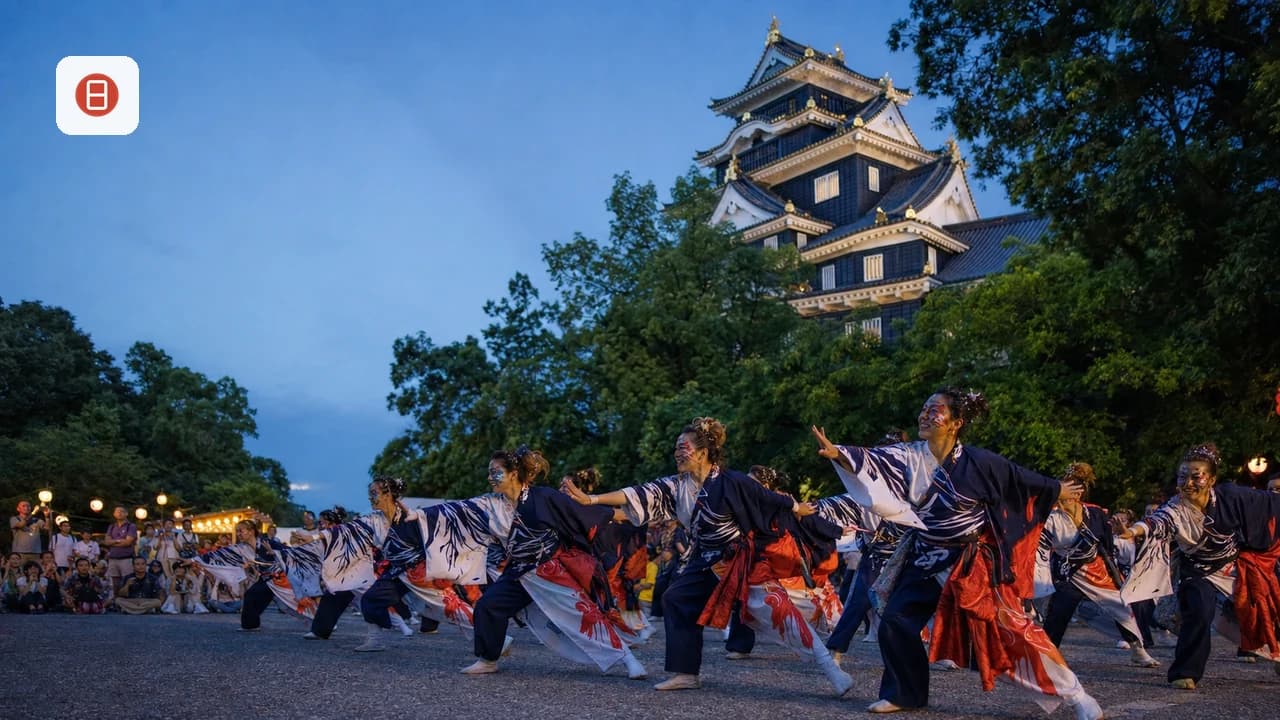
Okayama's largest annual festival actually runs under one name twice a year, with the summer dance tradition dating back to 1994. Recent August editions have drawn more than half a million visitors most years, according to regional tourism coverage. The August edition, widely known as Uraja, fills Shimoishii Park, Shimotamachi Park, Aeon Mall Okayama, and the surrounding downtown streets with dancers in ogre-style face paint. Its most recent instance ran August 22-23, 2026. Dancers trace the story back to Momotaro, the peach-born folk hero, though the summer festival actually celebrates the demon he once fought rather than restaging his victory. October's edition shifts the focus entirely, trading dance parades for food stalls and history programs around Okayama Castle; its most recent instance ran October 11-12, 2025. Admission to the public parades, park stages, and mall performances is free; face-painting booths and some food stalls charge separately. For the full year-round lineup, check the Okayama festivals overview. Check the month-by-month festival calendar to see how the two editions fit around other events.
| Feature | Summer Uraja (August) | Autumn Momotaro (October) |
|---|---|---|
| Typical dates | Late August; 2026 ran August 22-23 | Mid-October; 2025 ran October 11-12 |
| Main venues | Shimoishii Park, Shimotamachi Park, Aeon Mall Okayama | Okayama Castle area, Ishiyama Park |
| Focus | Uraja dance parades, Ura-kesho makeup | Food stalls, history programs, Sengoku Prince Ukita Hideie Fest |
| Atmosphere | Loud and communal, high summer heat | Relaxed and food-focused, milder weather |
| Cost | Free to watch and join; face painting extra | Free to attend; food priced per stall |
The Momotaro Legend and the Uraja Dance
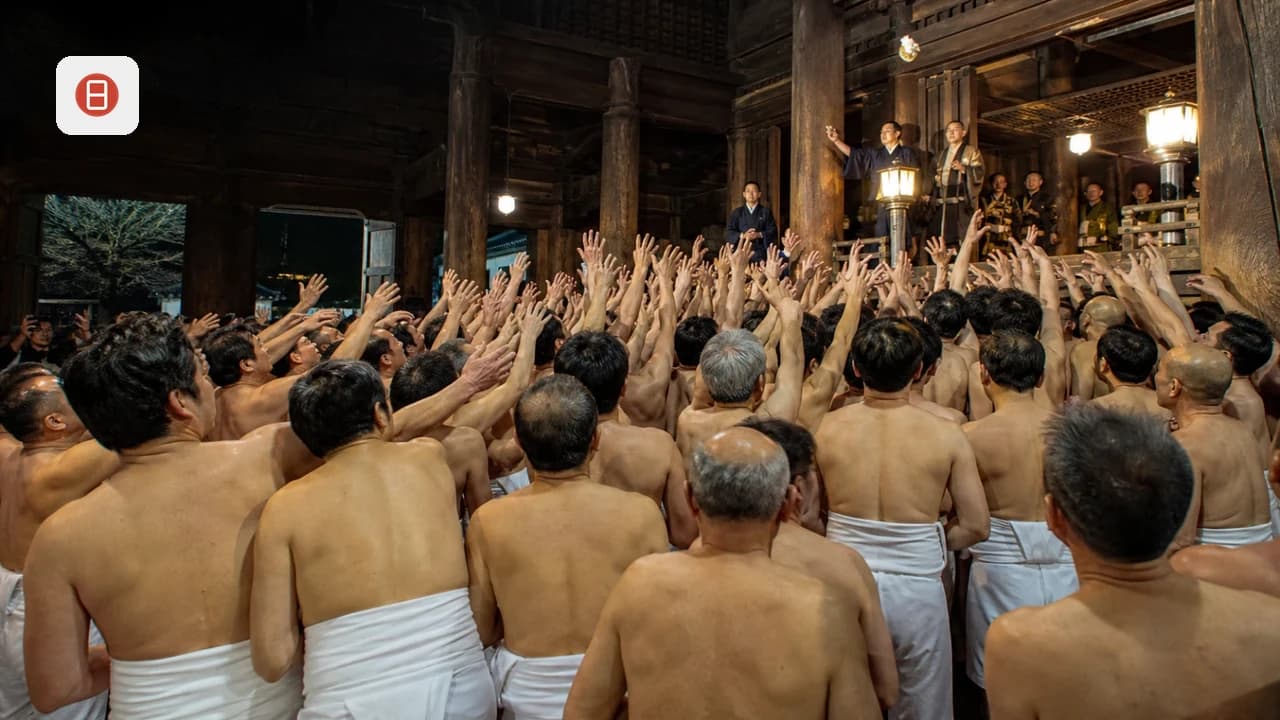
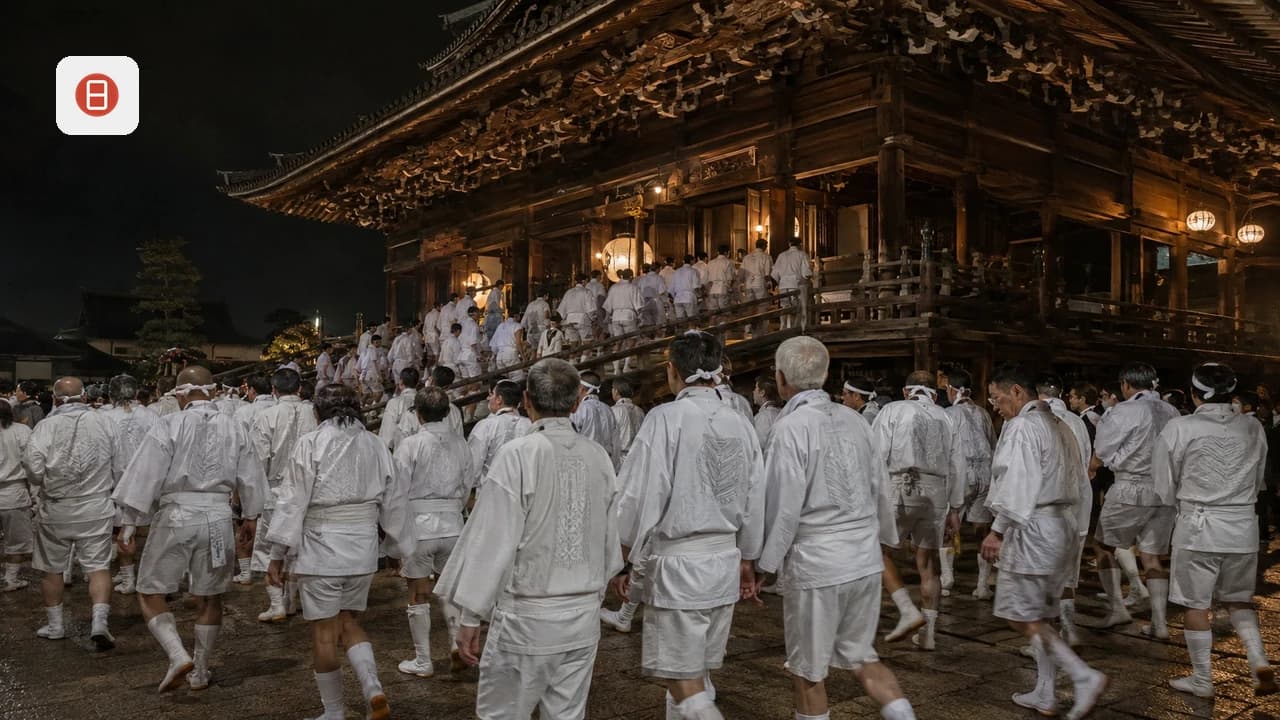
Momotaro, the Peach Boy, is one of Japan's best-known folk heroes, and Okayama claims the legend as local lore. In the traditional tale, Momotaro travels to Onigashima with a dog, monkey, and pheasant to defeat Ura, a demon terrorizing the region. Uraja, the festival's summer dance, takes its name from that same demon and flips the story's focus. Instead of just restaging Momotaro's victory, Uraja dancers dress as Ura. Their choreography treats the demon as part of the community, not an enemy to erase. That reframing shows up most clearly in Ura-kesho, the bold red-and-black face paint dancers wear. It turns the demon's mask into a shared costume, not a villain's disguise. Teams design their own Ura-kesho patterns and choreography each year, so no two dance troupes look identical on the parade route. Momotaro's dumplings, Kibi-dango, later resurface as a festival food at the autumn edition's stalls, tying the two seasons back to the same legend. Okayama's other major folklore-driven festival, the Saidaiji Eyo naked festival, draws on a very different local tradition. Timing a trip around both is possible if festival calendars align.
Summer Edition: Navigating the Uraja Parades and Ura-Kesho Makeup
Three venues anchor the August festival, and each serves a different purpose. Shimoishii Park is the main stage and the festival's food hub, with the densest crowds and the longest stretches of outdoor standing. Aeon Mall Okayama hosts indoor performances, which matters most for families managing small children through Okayama's August heat. Shimotamachi Park and the connecting downtown streets carry the parade routes, where dance teams move block by block in full Ura-kesho makeup. A Family Festa area adds stage shows and hands-on activities for younger visitors, usually within or near Shimoishii Park. Street food options include festival standards like yakisoba and karaage, sold throughout Shimoishii Park. A practical route starts at Shimoishii Park in the afternoon. Shift indoors to Aeon Mall Okayama during the hottest hours, then head back downtown for the evening parades and the Sou Odori finale. Sou Odori closes each festival night, a mass dance that erases the line between performers and spectators. Anyone can join by falling in behind nearby dancers and mirroring their basic steps. No registration or costume is required to take part. Information booths near JR Okayama Station hand out festival maps marking every stage and food area. Volunteers stationed along the main routes can also point toward the nearest Ura-kesho booth or parade viewing spot. Ura-kesho face-painting booths near the main venues let visitors try the demon makeup before joining the dance floor. Booths fill up as evening builds toward Sou Odori, so getting painted earlier in the day avoids the longest waits. Face-painting fees aren't published in dollars; treat it as a small add-on to an otherwise free festival, and confirm the current price at the booth itself. August afternoons in Okayama regularly climb past 95°F, so pace outdoor time around indoor breaks at Aeon Mall Okayama rather than powering through the whole day outside.
- Shimoishii Park: main stage, food stalls, and the festival's largest crowds.
- Aeon Mall Okayama: indoor stages, air conditioning, and the best option for young children or a midday heat break.
- Shimotamachi Park and downtown streets: the parade route where dance teams perform in full Ura-kesho makeup.
Autumn Edition: Food, History, and Okayama Castle
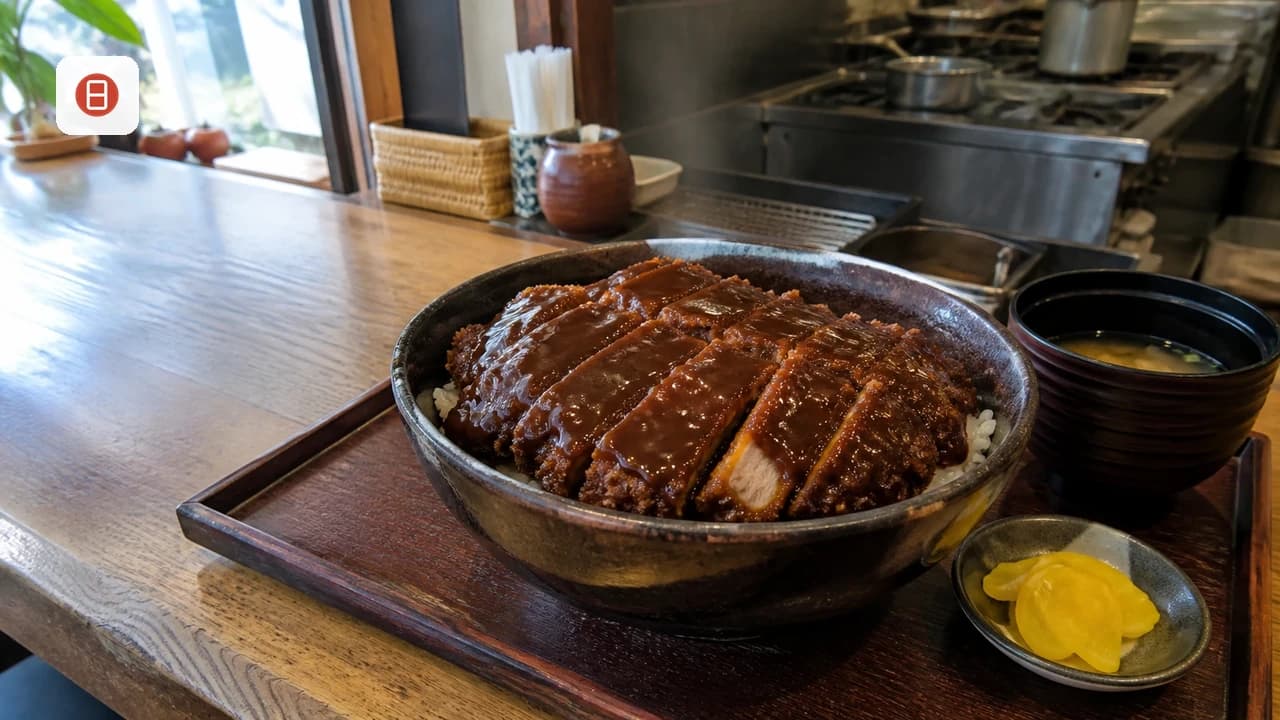
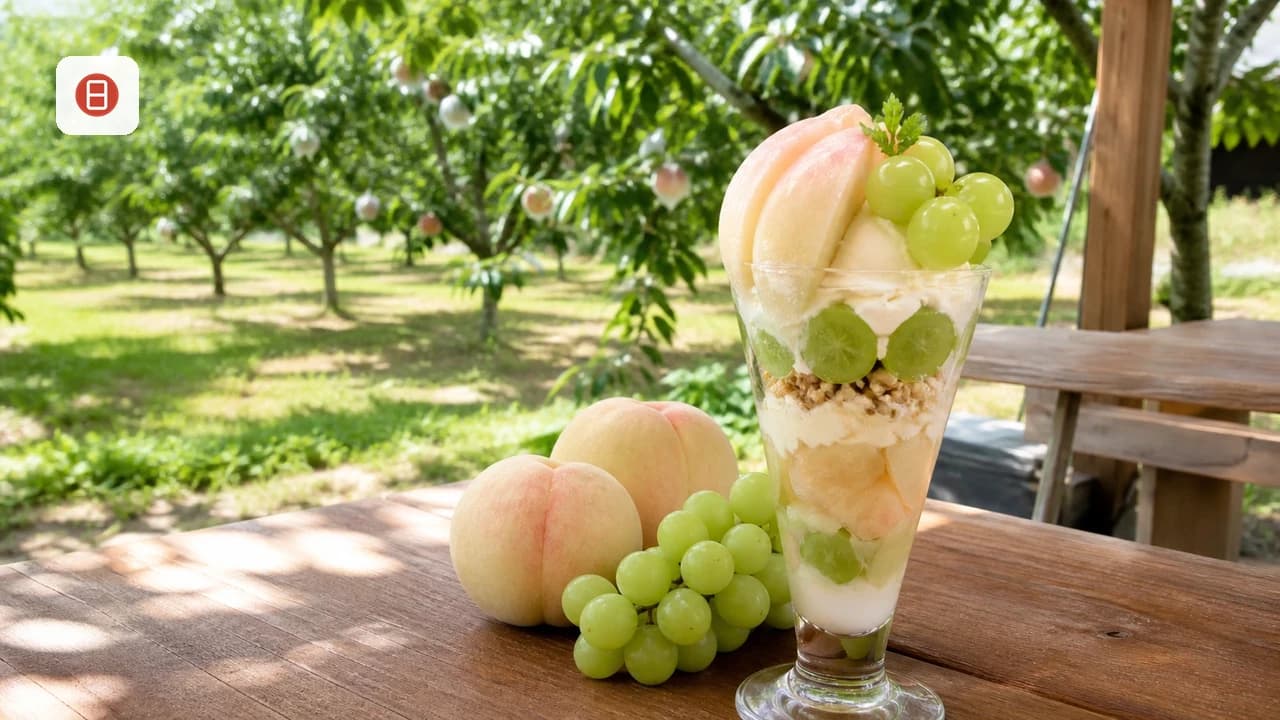
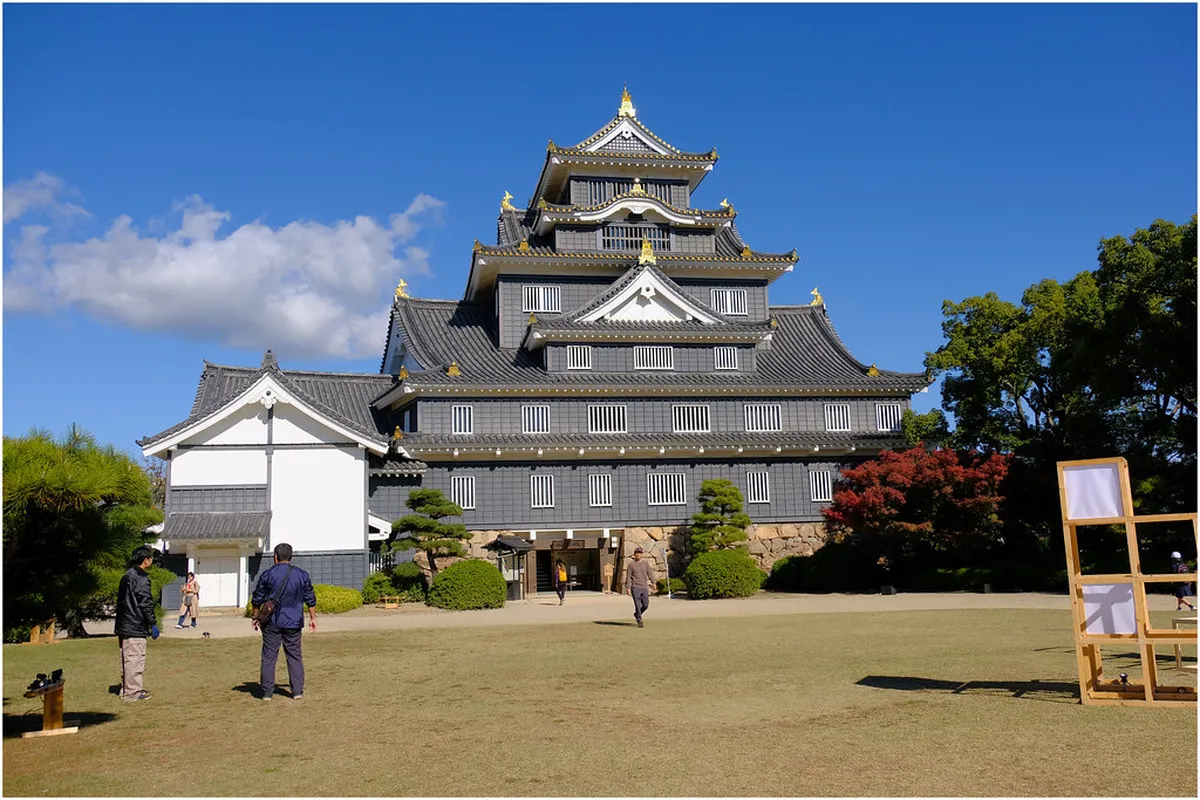
Okayama Castle becomes the festival's center once autumn arrives. The autumn edition trades dance parades for food stalls and history programs around the castle grounds. That October window is likely to repeat in 2026, though organizers hadn't published exact dates at the time of writing. Confirm exact dates on the official festival site closer to the event. Events cluster in Ishiyama Park and the plaza in front of the castle keep. Korakuen Garden sits about 1,300 feet away, an easy add-on stop for the same afternoon. Hours and highlights beyond festival weekend appear in the Korakuen Garden Okayama Guide: History, Highlights & Visitor Info. History programming centers on the Sengoku Prince Ukita Hideie Fest, which includes regional performing-arts shows and a station where visitors can try on samurai-style armor. Food is the other draw, with stalls selling B-grade gourmet dishes gathered from across Okayama Prefecture. Demiglace-katsudon, a pork cutlet bowl in demi-glace sauce, and Kibi-dango, the millet dumplings tied directly to the Momotaro legend, both count as Okayama specialties worth seeking out. White peaches, in season through late summer, also turn up at nearby fruit stands. Getting to the castle area takes about five minutes by tram from JR Okayama Station, plus a five-minute walk from the tram stop. Evening photos at Korakuen depend on a separate schedule; check the Genso Teien night illumination schedule before finalizing plans. Castle keep-visit hours continue on their normal schedule outside festival weekend; the Okayama Castle: The Crow Castle Guide & Korakuen Garden has current times and ticket details. August's heat gives way to milder autumn temperatures for this edition; the best time to visit Okayama guide compares both seasons in more detail.
Planning Your Visit: Getting There, Heat, and Where to Stay
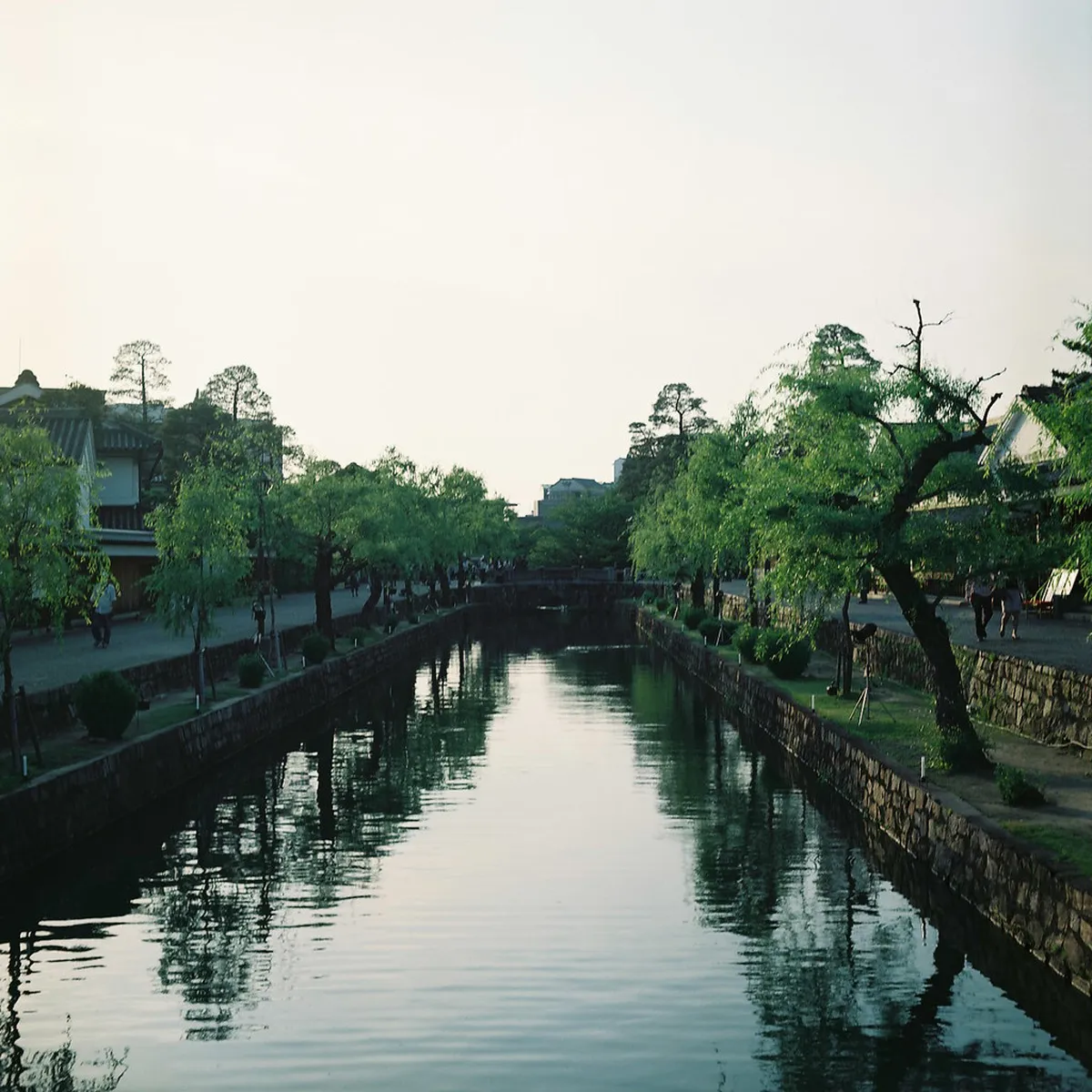
JR Okayama Station is the transit hub for both festival editions. Most venues sit within a 5- to 15-minute walk of the station, and the main Shimoishii Park stage is roughly 10 minutes out on foot. Travelers flying into Okayama Airport can reach the city center on a roughly 30-minute shuttle bus. Streetcars also connect the station to festival-adjacent stops, including the line used for the autumn castle-area events. Parking in the city center is limited, and major streets close for parades during festival weekends. Public transit works better than driving for both editions, even for visitors arriving from the Sanyo Expressway or Okayama Expressway. Staying near JR Okayama Station keeps every venue within easy walking or streetcar range, since both editions run from downtown streets. Neighborhood options near the station appear in the where to stay in Okayama guide. Central hotels fill up fast during festival weekends, so booking a few weeks ahead is worth the effort, especially for August dates. Almost every festival event is free to attend, which makes it one of the lower-cost weekends to build a trip around. Other no-cost stops nearby appear in the free things to do in Okayama guide. Anyone deciding how long to stay can start with the how many days in Okayama guide. Trip-length planning that factors in festival weekends appears in the Okayama itinerary guide. Travelers wanting a quieter day away from festival crowds can pair the trip with the 10 Best Things to Do on a Kurashiki Bikan Historical Quarter Day Trip (2026 Guide).
August 22-23, 2026 falls during peak summer heat regularly exceeding 95°F; schedule indoor breaks at Aeon Mall and carry hydration supplies throughout the day.
Tips and Mistakes to Avoid
A few planning mistakes recur among first-time visitors. Comfortable shoes matter more than festival attire, since both editions involve long stretches of walking between venues. Beyond festival weekend, the Okayama attractions guide lists other citywide sights worth pairing with the trip.
- Mistake: assuming every event happens at Okayama Castle. Most August Uraja activity is downtown at Shimoishii Park, Shimotamachi Park, and Aeon Mall Okayama; the castle only becomes the main stage for the October edition.
- Tip: get Ura-kesho face paint done earlier in the day. Booths near the main venues get crowded as evening approaches and Sou Odori draws closer.
- Tip: confirm the Genso Teien illumination schedule separately if evening photos at Korakuen Garden are part of the plan, since festival hours don't automatically align with it.
- Tip: carry water or a portable fan. August humidity makes hydration a bigger factor here than at most Japanese festivals.
- Tip: convenience stores near the venues are faster than festival food stalls when lines run long during peak hours.
- Tip: check the Hiroshima events calendar if travel dates don't line up with Okayama's festival weekend.
- Tip: the Kobe festivals and events guide covers another nearby option.
Frequently Asked Questions
Are there fireworks at the Okayama Momotaro Festival?
Fireworks aren't the festival's main draw, since Uraja focuses on dance parades and Sou Odori. Some years pair the festival with local fireworks or light displays, but timing varies. Check the official festival site for the current year's schedule before planning around them.
Is the Okayama Momotaro Festival family-friendly?
Yes, both editions welcome families. Aeon Mall Okayama offers indoor, air-conditioned stages that work well for small children during August heat. A dedicated Family Festa area adds stage shows and activities aimed at younger visitors.
What happens if it rains during the festival?
Light rain typically doesn't stop the festival, since the dance performances are a core local tradition. Severe weather or a typhoon is different. Organizers post schedule changes on the official festival website when conditions turn serious.
How do you get to the festival venues from JR Okayama Station?
Most venues sit within a 5- to 15-minute walk of the station. Streetcars also reach festival-adjacent stops, which helps for the more spread-out August parade routes. Volunteers and signage near the station typically point visitors toward the main venues during festival weekend.
What is Ura-kesho makeup, and can visitors try it?
Ura-kesho is the bold red-and-black face paint Uraja dancers wear, styled after the demon Ura from the Momotaro legend. Booths near the main summer venues let visitors, including tourists, get painted before joining the dance. Getting there earlier in the day helps avoid the longest waits as Sou Odori approaches.
Do you need a reservation to join the Sou Odori dance?
No reservation is required to join Sou Odori. Visitors fall in alongside dancers during the finale and follow the basic steps. Arriving before the finale starts secures a better spot near the main dance line.
Free: The Okayama Essentials guide
Top things to do, where to stay, a perfect day plan, getting around, and the best time to go — a Okayama mini-guide you can take offline.
You might also like

Continue reading
More guides you'll find useful