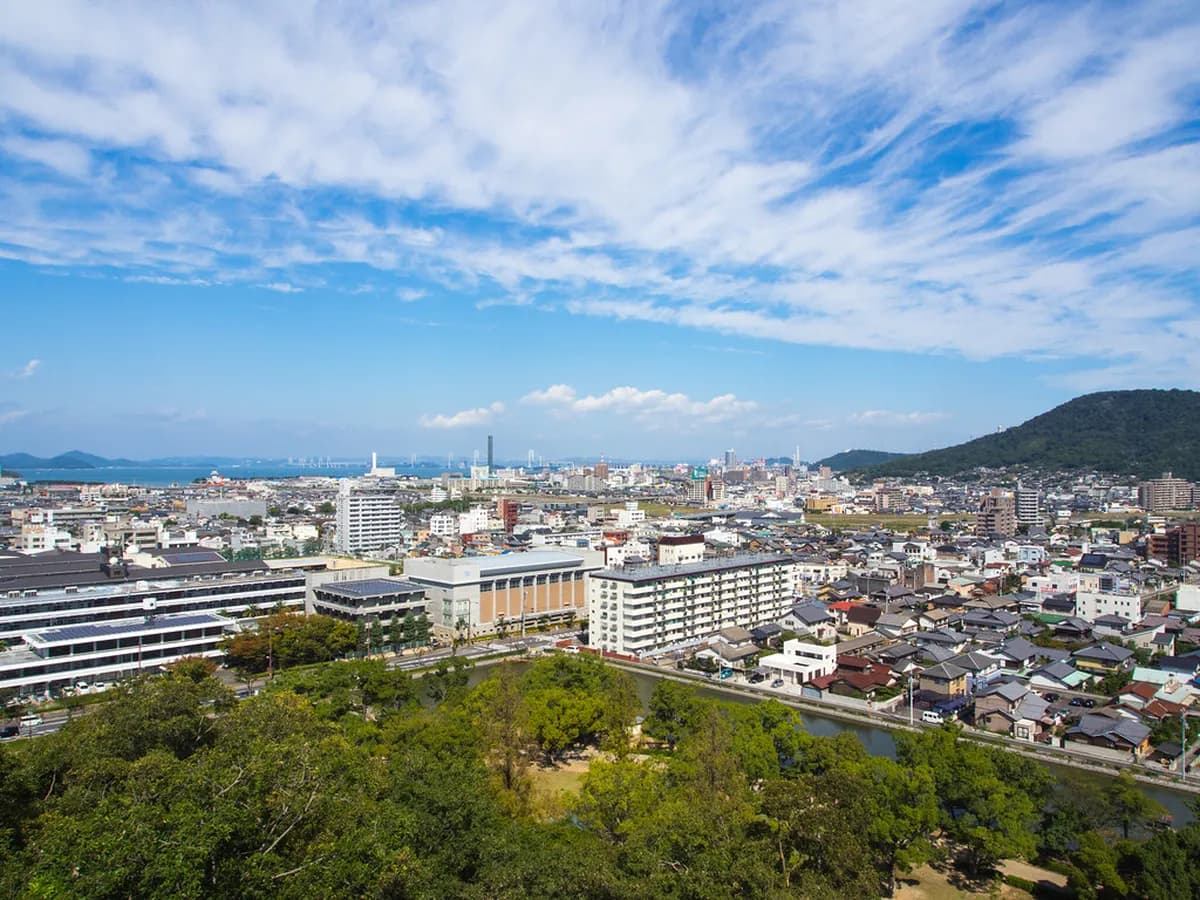
Hiroshima Events 2026: Confirmed Dates and Festival Guide
Plan around Hiroshima events in 2026 with confirmed dates for the Peace Ceremony, port fireworks, Hiroshima Festival, Saijo Sake Festival, and more.
On this page
Tokyo and Osaka dominate many Japan festival itineraries, but Hiroshima's 2026 event calendar runs the full emotional range: the silent 08:15 remembrance on August 6, summer fireworks over Hiroshima Port, international animation screenings, sake celebrations in Saijo, and lantern-lit yukata nights at Tokasan.
The best confirmed Hiroshima events still ahead as of July 20, 2026 are the Hiroshima Minato Dream Fireworks on July 25, the Peace Memorial Ceremony and lantern floating on August 6, Hiroshima Festival from August 1 to September 6, Hiroshima Animation Season from August 19 to 23, and the Saijo Sake Festival on October 10 and 11. This guide separates confirmed 2026 schedules from annual events whose dates remain provisional.
For broader context on the city, see our overview of things to do in Hiroshima, and for a structured month-by-month breakdown consult Major Annual Events in Hiroshima: A 2026 Calendar.
Book accommodation before transport for the August 6 memorial period and Golden Week. For events later in 2026, recheck the organizer's page shortly before travel because weather, security controls, ticket availability, and transport plans can change.
Hiroshima Peace Memorial Ceremony (August 6)
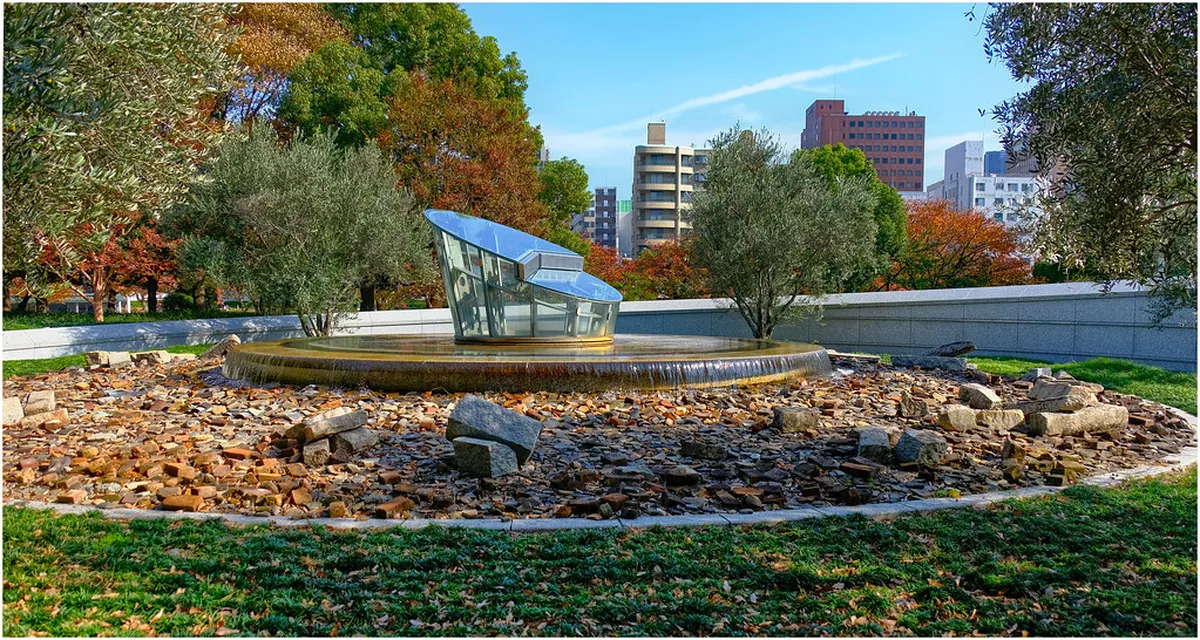
The Peace Memorial Ceremony is Hiroshima's most important annual commemoration. In 2026 it begins at 08:00 and is scheduled to end at 08:50 inside Hiroshima Peace Memorial Park. The Peace Bell sounds at 08:15, the time the atomic bomb detonated in 1945, followed by one minute of silence. These timings are confirmed on the City of Hiroshima's July 2026 ceremony notice.
Public entry to the ceremony area starts at 06:00 after bag and metal-detector checks. The city plans about 1,200 unreserved general seats, and entry can stop when capacity is reached. Park access is controlled from 05:00 to 09:00, so allow extra time and follow staff directions rather than relying on a normal sightseeing route through the park.
That evening, the Toro Nagashi lantern floating takes place beside the A-Bomb Dome on the Motoyasu River. The official 2026 lantern program lists a 17:30 lighting ceremony, lantern floating from 18:00 to 21:00, and lantern sales from 07:00 to 20:30 while supplies last. Viewing is free; a lantern costs ¥1,000 and is cash-only.
For full ceremony logistics, dress code, and respectful conduct, read How to Attend Hiroshima Peace Memorial Ceremony 2026.
Free: The Hiroshima Essentials guide
Top things to do, where to stay, a perfect day plan, getting around, and the best time to go — a Hiroshima mini-guide you can take offline.
Hiroshima Flower Festival (May 3–5)
The 49th Hiroshima Flower Festival ran from May 3 to 5, 2026, across Peace Boulevard and Peace Memorial Park. The official Hiroshima tourism listing confirmed daily programming from 11:00 to 18:30, with park illuminations until 21:00 on May 3 and 4. The May 3 flower parade, May 4 candle messages, and May 5 performance parade and finale made each day distinct.
The festival is free and family-friendly, but it coincides with Golden Week. Stay near Hondori or Naka-ku for walking access, expect street closures around Peace Boulevard, and allow extra time for packed trams. If planning for a future edition, use May 3–5 as a likely window but wait for that year's official program before booking an event-specific activity.
Tokasan Yukata Festival (Early June)
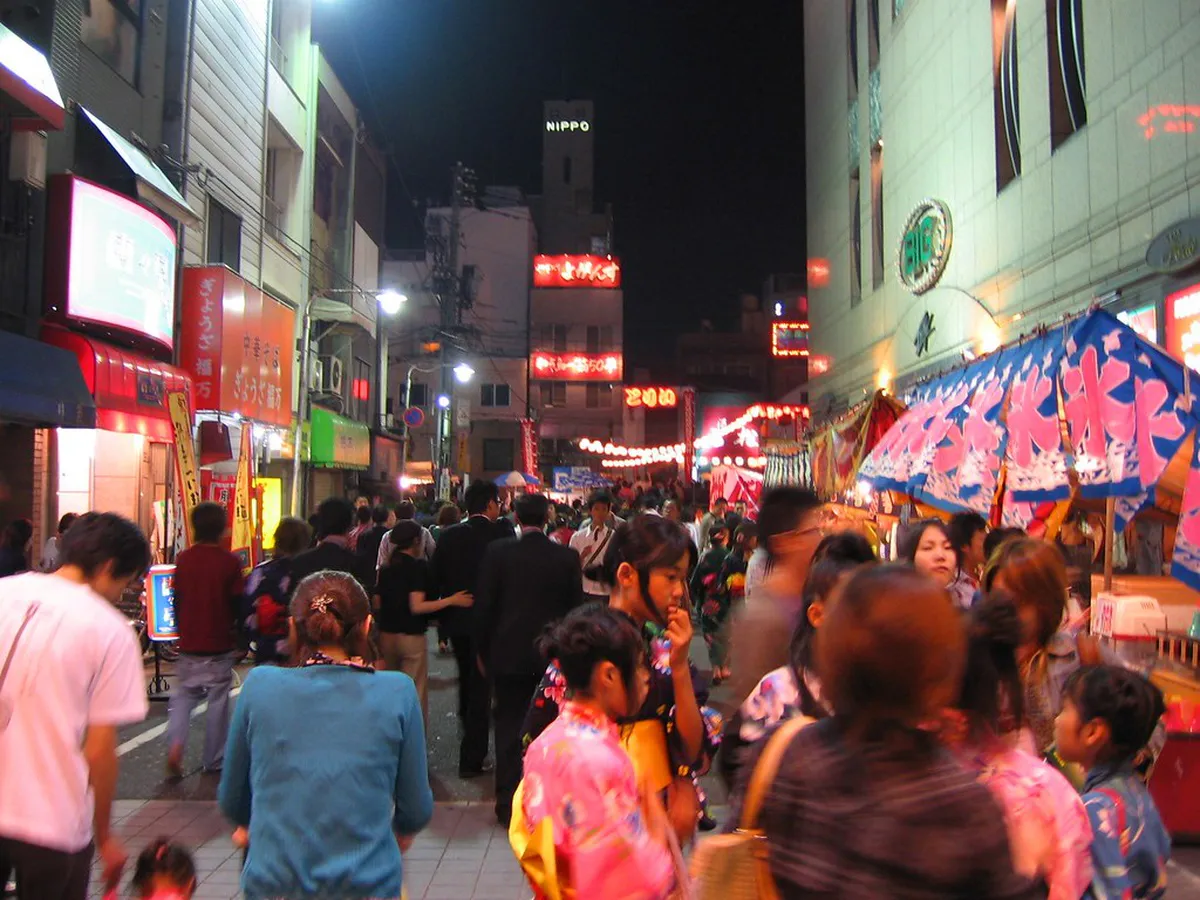
Tokasan ran from June 5 to 7 in 2026 around Enryuji Temple and central Hiroshima. The festival marks the local start of yukata season, and the streets around Chuo-dori fill with food stalls, performances, and visitors in light cotton kimono. Hiroshima City confirms that Tokasan always runs for three days beginning on the first Friday in June.
Tokasan is especially approachable for first-time festival visitors because the activity spreads through the city center rather than a single ticketed venue. Reserve a yukata dressing appointment in advance if you want to participate, carry rain protection suitable for early June, and check the current traffic-control map before crossing Chuo-dori.
Saijo Sake Festival (October 10–11)
Saijo, in Higashi-Hiroshima City, is one of Japan's best-known sake brewing districts alongside Nada near Kobe and Fushimi in Kyoto. During the festival, the compact streets around Saijo Station connect historic brewery venues, a dedicated tasting area, food stalls, performances, and family activities.
The 2026 Saijo Sake Festival is confirmed for Saturday, October 10, from 10:00 to 19:00 and Sunday, October 11, from 10:00 to 17:00. The official festival site lists the main venue, Sake Hiroba, brewery venues, food areas, a children's area, and other zones. Check that site for tasting-ticket releases instead of relying on prices from a previous edition.
Saijo is about 35–40 minutes from Hiroshima Station on the JR Sanyo Line. Return trains are busiest after the Saturday program, so use public transport, leave extra time for the platform, and do not plan to drive after tasting. The brewery streets are compact enough to explore on foot, but a morning visit followed by a Hiroshima afternoon will feel rushed on festival weekend.
Confirmed Upcoming Hiroshima Events After July 20, 2026
The next major event is the Hiroshima Minato Dream Fireworks on Saturday, July 25, followed by a month of peace and arts programming in August. These are the confirmed dates most useful to travelers still planning a 2026 visit:
- July 25: Hiroshima Minato Dream Fireworks at Hiroshima Port. The city's official event notice lists the display from 20:00 to 21:00, with an opening ceremony at 19:20. There is no event parking; use a streetcar or shuttle bus.
- August 1–September 6: the third Hiroshima International Peace Culture Festival, with music, animation, and street dance at venues across the city and wider region.
- August 4–12: the Hiroshima International Conductors Competition at JMS Aster Plaza.
- August 19–23: Hiroshima Animation Season, with more than 40 programs and over 300 works scheduled across five days.
- September 5–6: the festival's free closing weekend at Hiroshima Station's south-exit underground plaza and the nearby River Station area.
The official Hiroshima Festival 2026 program is the best source for venue and schedule changes. Reserve ticketed animation and concert sessions separately; the festival's date range does not mean every program is free or runs daily.
Miyajima Island Festivals and Itsukushima Shrine
Miyajima Island, 45 minutes from central Hiroshima by tram and ferry, hosts a calendar of its own anchored to Itsukushima Shrine. The Kangensai Music Festival in mid-July sees three decorated barges carrying gagaku court musicians across the bay, and is often described as the most atmospheric event on the island. Other notable dates include the Tamatori-sai (mochi-grabbing race) in late August and the Chinkasai fire festival on December 31.
An important correction for 2026: a new Itsukushima underwater fireworks event ran in October 2025, but the organizer has announced that the 2026 edition will not be held. Do not use the 2025 schedule to plan a 2026 Miyajima night. Choose the Hiroshima Port fireworks on July 25 or another confirmed regional display instead; more options appear in our Guide to Hiroshima Summer Festivals and Bentenjima Fireworks 2026.
Ebisu-ko Festival (November 18–20)
Ebisu-ko is downtown Hiroshima's main commerce festival, held annually on November 18, 19 and 20 around Ebisu Shrine in the Hatchobori shopping district. Local merchants pray for prosperity, and the Hondori shopping arcade lines its length with stalls selling lucky bamboo rakes (kumade) decorated with charms. The festival is the unofficial cue that Hiroshima's autumn season is ending and that Christmas illumination is about to begin.
The fixed dates make Ebisu-ko useful for advance planning, but daily stage times and street restrictions can vary. As of July 20, the detailed 2026 program was not yet available. Stay within walking distance of Hatchobori or use a streetcar, and check the city event calendar again in autumn.
Hiroshima Dreamination (Mid-November to Early January)
Dreamination is Hiroshima's free winter illumination along Peace Boulevard, usually running from mid-November into early January. The city lists it among Hiroshima's major annual December events, but the full 2026–27 dates and nightly hours had not been published as of July 20, 2026. Treat dates copied from a previous edition as provisional.
Pair Dreamination with central Hiroshima shopping and seasonal light-ups, but confirm each venue separately because not every installation follows the same schedule or admission rules. Weekday evenings are generally easier for photography; keep tripods clear of pedestrian routes and follow any on-site restrictions.
Hiroshima Food Festival (Late October)
The Hiroshima Food Festival is normally held on the final weekend of October around Hiroshima Castle. It brings regional specialities together in one area: Hiroshima-style okonomiyaki, oysters, Setouchi lemon products, anago (sea eel), and Onomichi ramen. The official tourism listing describes free entry and programming from 10:00 to 17:00, but the exact 2026 schedule was not yet posted as of July 20. Budget roughly ¥500–¥1,000 per small dish as a planning estimate, not a fixed festival price.
For a richer culinary itinerary that pairs the festival with cooking classes, see local Hiroshima experiences. If your trip falls in winter rather than autumn, the Miyajima Oyster Festival in early February is the equivalent seafood-focused event; budget tips are covered in our Budget Guide to Miyajima Oyster Festival and Hiroshima Pain Festa.
Hiroshima Castle and Shukkei-en Seasonal Events
Hiroshima Castle (Carp Castle) still hosts events around the grounds and restored Ninomaru buildings, but its concrete main keep permanently closed to visitors on March 22, 2026 because of structural ageing. You can view the exterior, but do not plan on entering the former museum. The City of Hiroshima closure notice explains the change.
Nearby Shukkei-en Garden schedules seasonal displays and tea events around spring flowers and autumn foliage. Event dates vary with the garden calendar, so confirm the specific program instead of assuming the garden's normal opening hours apply. The castle grounds and garden fit naturally into a central Hiroshima walking day; see our suggested Hiroshima itinerary.
Cherry Blossom Events (Late March–Early April)
Hiroshima's cherry blossom peak usually falls between late March and early April, but warm or cold weather can shift it. Free hanami locations include the moat of Hiroshima Castle and the Motoyasu and Honkawa riverbanks near the A-Bomb Dome. Mitaki-dera Temple in the western hills offers a quieter temple setting.
Bloom forecasts begin appearing before spring and become more useful close to the season. If blossoms are central to the trip, compare the latest forecast with live reports from the individual park or garden; do not treat a historical average as a guaranteed peak date.
Etiquette and Practical Tips Most Guides Skip
At the August 6 ceremony, keep phones silent and avoid intrusive photography of survivors, bereaved families, or anyone in distress. Follow the city's security rules: bag and metal-detector screening applies at ceremony entry, and drones, dangerous items, loud instruments, large signs, and behavior that obstructs other visitors are prohibited.
Carry cash in small denominations because payment options vary by stall. The August 6 lantern is explicitly cash-only in 2026. Summer events can be dangerously hot and humid, so bring water, a hat, and a small towel, and use public transport where organizers warn that no parking is available.
At Saijo, drink water between tastings, eat before sampling, and never drive. Avoid strong perfume in brewery spaces because aroma is central to sake tasting. At busy street festivals, finish food beside the stall when practical and keep pedestrian lanes clear. Tipping is not expected.
Day Trips and Itineraries Around Events
Most Hiroshima events concentrate their core programming into a few hours. Build the rest of the day conservatively: the August 6 ceremony ends at 08:50, but security controls, heat, and memorial-week crowds make a tightly timed transfer to Miyajima unwise. The Peace Memorial Museum is the natural nearby continuation, although anniversary-day queues can be substantial.
For three-day trips structured around festival timing, follow our 3-Day Hiroshima Festival and Event Itinerary 2026. For broader regional pairing with adjacent towns, look at the cultural fishing experience in Tomonoura Tai-ami Sea Bream Net Fishing, an hour east by limited express.
Frequently Asked Questions
What major Hiroshima events are still upcoming in 2026?
As of July 20, the major confirmed dates still ahead are the Hiroshima Minato Dream Fireworks on July 25, Hiroshima Festival from August 1 to September 6, the Peace Memorial Ceremony and lantern floating on August 6, Hiroshima Animation Season from August 19 to 23, and the Saijo Sake Festival on October 10 and 11.
When is the 2026 Hiroshima Peace Memorial Ceremony?
The ceremony is on Thursday, August 6, 2026, from 08:00 to 08:50 in Peace Memorial Park. Public entry begins at 06:00 after security screening, and the city plans about 1,200 unreserved general seats. The minute of silence begins at 08:15.
Can visitors join the Hiroshima lantern floating on August 6?
Yes. Anyone can participate in the 2026 lantern floating beside the Motoyasu River. Lantern sales run from 07:00 to 20:30 while supplies last, floating runs from 18:00 to 21:00, and each lantern costs ¥1,000 in cash. Watching from the riverside is free.
When is the Saijo Sake Festival in 2026?
The Saijo Sake Festival is confirmed for October 10 from 10:00 to 19:00 and October 11 from 10:00 to 17:00. General festival areas and paid tasting activities have different access rules, so check the official site for ticket releases before traveling.
Will the Miyajima fireworks festival be held in 2026?
No. Although an Itsukushima underwater fireworks event was held in October 2025, the organizer has announced that the 2026 edition will not take place. For a confirmed alternative, the Hiroshima Minato Dream Fireworks are scheduled at Hiroshima Port on July 25, 2026.
Related Guides for Hiroshima Events
If you plan to visit during memorial week, read How to Attend Hiroshima Peace Memorial Ceremony 2026 for ceremony logistics and respectful planning tips.
For a multi-stop plan built around seasonal celebrations, see 3-Day Hiroshima Festival and Event Itinerary 2026.
Summer travelers can use Guide to Hiroshima Summer Festivals and Bentenjima Fireworks 2026 to time a trip around coastal fireworks and festival nights.
For a broader month-by-month overview, check Major Annual Events in Hiroshima: A 2026 Calendar.
If you want a more local cultural outing beyond the city center, consider Participating in Tomonoura Tai-ami Sea Bream Net Fishing.
Budget-conscious visitors can pair festival dates with Budget Guide to Miyajima Oyster Festival and Hiroshima Pain Festa for lower-cost planning ideas.
Hiroshima rewards visitors who time their trip to a specific event rather than simply passing through. Whether that means the silent minute at 08:15 on August 6, a yukata-clad Tokasan evening, an international animation screening, or a sake-tasting day in Saijo, the city's 2026 calendar offers a deeper way to experience it than a standard sightseeing list.
For the wider city overview, see our Hiroshima attractions guide.
Free: The Hiroshima Essentials guide
Top things to do, where to stay, a perfect day plan, getting around, and the best time to go — a Hiroshima mini-guide you can take offline.
You might also like
Continue reading
More guides you'll find useful