Okayama Bara Zushi Guide: Where and How to Eat It in 2026
Okayama bara zushi guide for 2026: the frugality-law history, three main styles, where to eat in Okayama City and Kurashiki, and station bento picks.
On this page
Last updated August 2026: Okayama bara zushi is a scattered sushi piled with more than ten separately prepared toppings over vinegared rice. The dish traces back to an Edo-period decree from Lord Mitsumasa Ikeda that allowed commoners only one soup and one side dish per meal. This guide breaks down the three main styles, the restaurants and station bento worth planning around, and how a ¥950 bento compares with a reservation-only Kappo set.
What Is Okayama Bara Zushi? The Frugality Law Behind the Dish
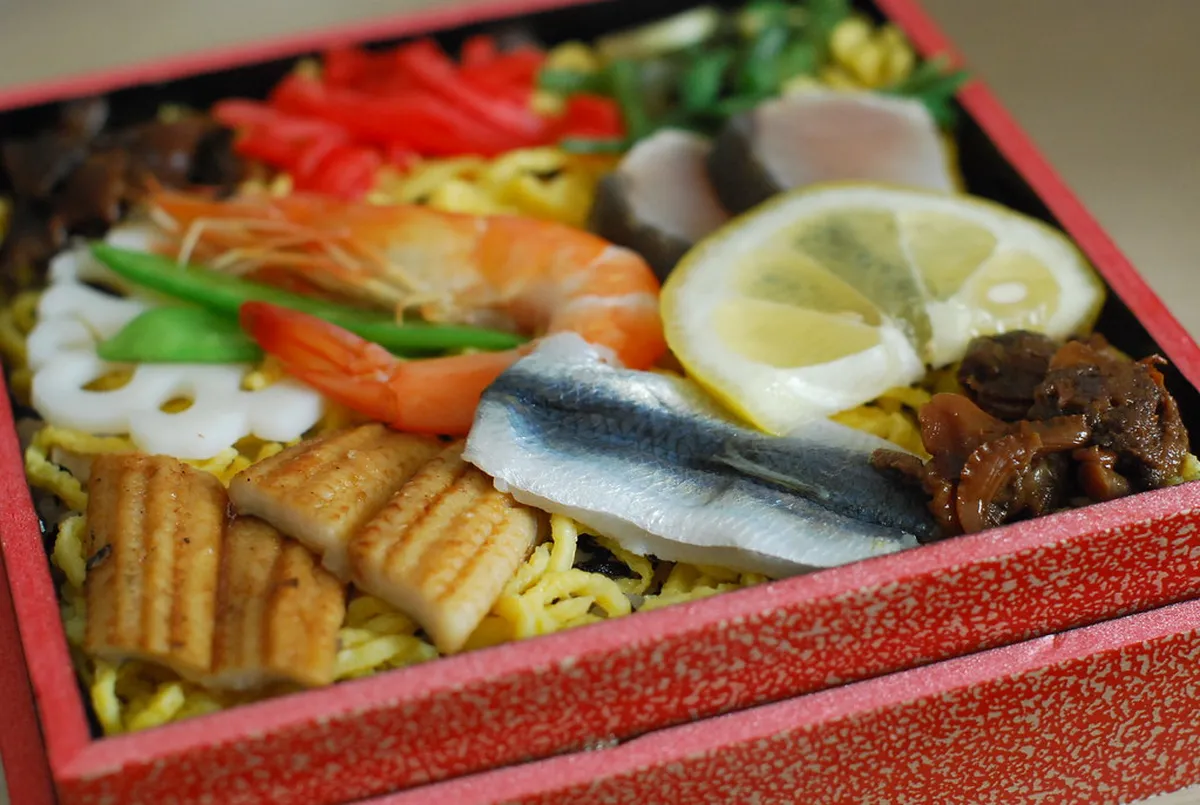
Okayama bara zushi, also called Matsurizushi or Bizen-bara-zushi, is a chirashizushi built from Seto Inland Sea seafood and seasonal vegetables. Cooks season each ingredient separately, then fold most of it into vinegared rice and arrange the rest on top. A typical version includes Spanish mackerel (sawara), conger eel, mogai clams, shrimp, bamboo shoots, and burdock root, with the mix changing by household, restaurant, and season. During the Edo period (1603-1867), Lord Mitsumasa Ikeda, ruler of the Bizen Okayama domain, ordered commoners to eat only one soup and one side dish per meal. Local cooks argued that a bowl of rice mixed with a dozen ingredients was still technically one dish, and barazushi became the workaround. It remains a fixture at festivals, bon festivals, and Buddhist memorial services, especially in spring and autumn, and it is still served for entertaining guests today. A warm variant called nukui-zushi steams the rice and serves it hot instead of at room temperature. Nukui means warm in the Okayama dialect. For a wider view of the city's food scene beyond this one dish, see the 10 Must-Eat Foods in Okayama: Your 2026 Food Guide.
The Three Styles: Matsurizushi, Yellow Chive Barazushi, and Ujo Golden Sushi
Three versions turn up most often on Okayama menus. Each one swaps in a different regional touch, and knowing the differences helps you order the right one. Pair the Ujo version with a stop at Okayama Castle sightseeing, since the dish is designed to echo the building's colors.
What began during the Edo period (1603-1867) as a single frugality-law workaround—technically one dish with a dozen ingredients—evolved into three distinct regional barazushi styles that reflect different local ingredients and Okayama's regional identity.
- Matsurizushi (Festival Sushi): the traditional arrangement, with close to ten seasoned ingredients folded into vinegared rice and more layered on top.
- Yellow Chive Barazushi: swaps in Okayama-grown yellow chives (kinira) for the shredded egg used in standard barazushi, adding a sharper aroma.
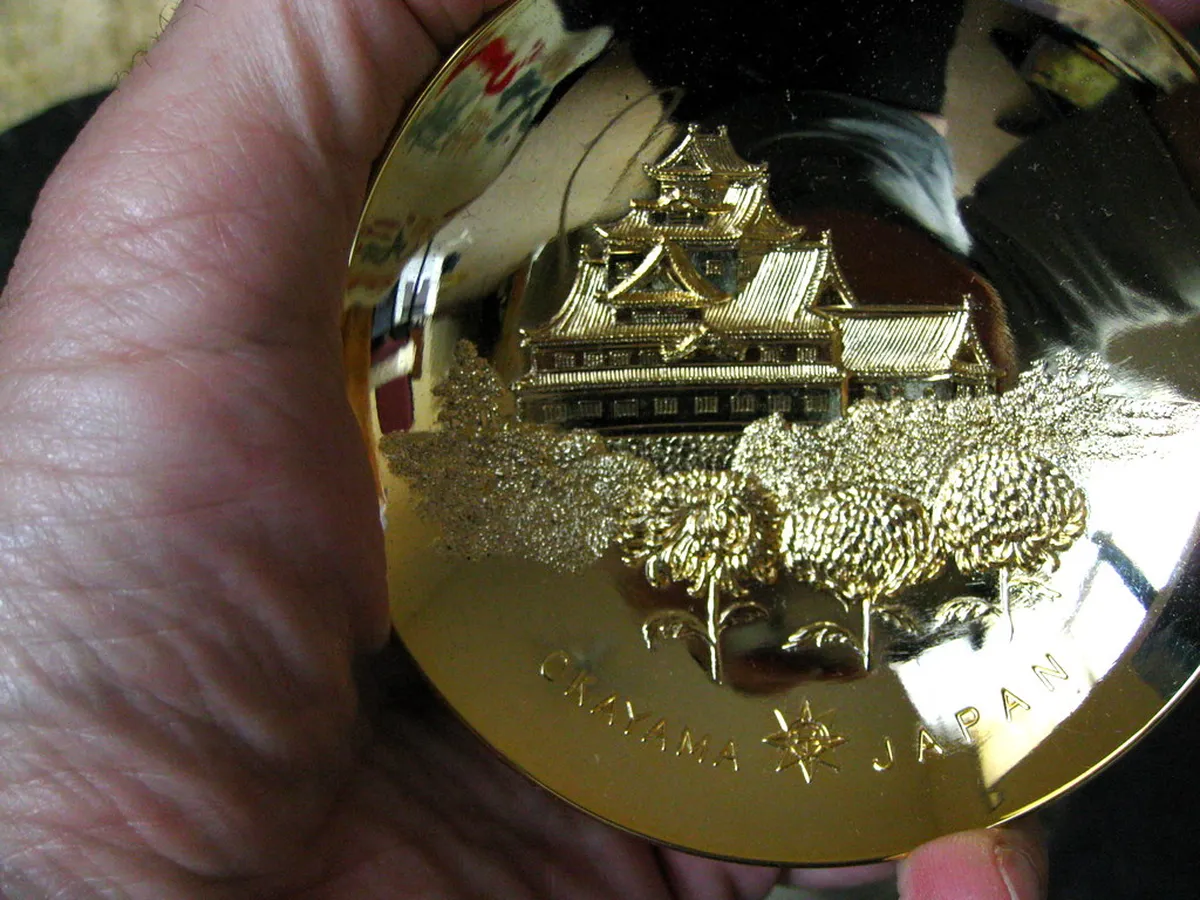
- Ujo Golden Sushi: named for Okayama Castle's nickname, Kin-u-jo (Golden Crow Castle); black beans represent the castle's dark walls, and gold powder with yellow chives stand in for its gilded roof tiles.
How Kakushizushi Works: Eating the 'Hidden Sushi'
Kakushizushi, or hidden sushi, refers to barazushi's original serving method. Cooks packed the seasoned seafood and vegetables into the bottom layer of a multi-tiered box, then covered it with rice. Just before eating, the whole box was flipped over so the toppings landed on top. The trick let commoners argue the dish was still one plain-looking bowl of rice, until it was turned over at the table. You can still find this style today: Setouchi Taste Club lists a kakushizushi bento at ¥1,050, alongside a ¥950 yellow chive barazushi.
Where to Eat Okayama Bara Zushi: Four Restaurants Worth Planning Around
Four restaurants cover most travel plans, from a one-minute walk off the Shinkansen platform to a Friday-only specialty in Kurashiki. Azuma Zushi is the easiest option for a Shinkansen layover, since it sits inside Sansute Okayama, one minute from the JR Okayama Station ticket gate. It also has an English menu and takes no reservations. Taishotei suits travelers already exploring the Kurashiki Bikan Historical Quarter, and its kitchen sources ingredients locally. Isshin Sushi, near the Seto Inland Sea in Kojima, only plates barazushi on Fridays, so time a visit accordingly. If the timing doesn't work, the Okayama Demi Katsu Guide: Best Restaurants and Local Secrets covers another signature dish available any day of the week. Kappo Mamakkari sits at the premium end, built around an extensive Seto Inland Sea spread, but it needs at least two days' reservation notice. If none of these fit the day's plan, the budget eats guide covers other casual options around the city. A newer concept called Hare Sushi takes a free-style approach to the same idea. Restaurants registered as Locally Produced Food Partners build their own version with Okayama-grown rice and seasonal ingredients, sometimes adding seafood, meat, or even fruit instead of following the traditional recipe exactly. Hare Sushi works as a lighter entry point if the traditional ten-ingredient version feels like too much for one sitting.
| Restaurant | Location | What to Know | Hours |
|---|---|---|---|
| Azuma Zushi Okayama eki ten | Sansute Okayama, 2F, 1 minute from the JR Okayama Station ticket gate | Okayama Bara Sushi set at ¥1,620 per the Okayama Prefecture Tourism Federation; walk-in only | Daily 11:00-22:00 (L.O. 21:30), 30 seats |
| Taishotei (Honmachi branch) | Kurashiki Bikan Historical Quarter, 2-14 Honmachi | Local-sourcing kitchen serving Okayama barazushi | Lunch 12:00-14:30, dinner 18:00-20:00, irregular holidays |
| Isshin Sushi and Japanese Cuisine | Kojima, Kurashiki City, near the Seto Inland Sea | Barazushi served Fridays only; uses Spanish mackerel, conger eel, and lobster | 11:30-14:00 and 17:00-22:00, closed Mondays, 5-car parking |
| Kappo Mamakkari | Reservation-only kappo dining | Okayama Barazushi at ¥4,320, serves 2-3 people | Book at least 2 days ahead |
Ekiben and Takeaway: Momotaro Festival Sushi and Other Bento Picks
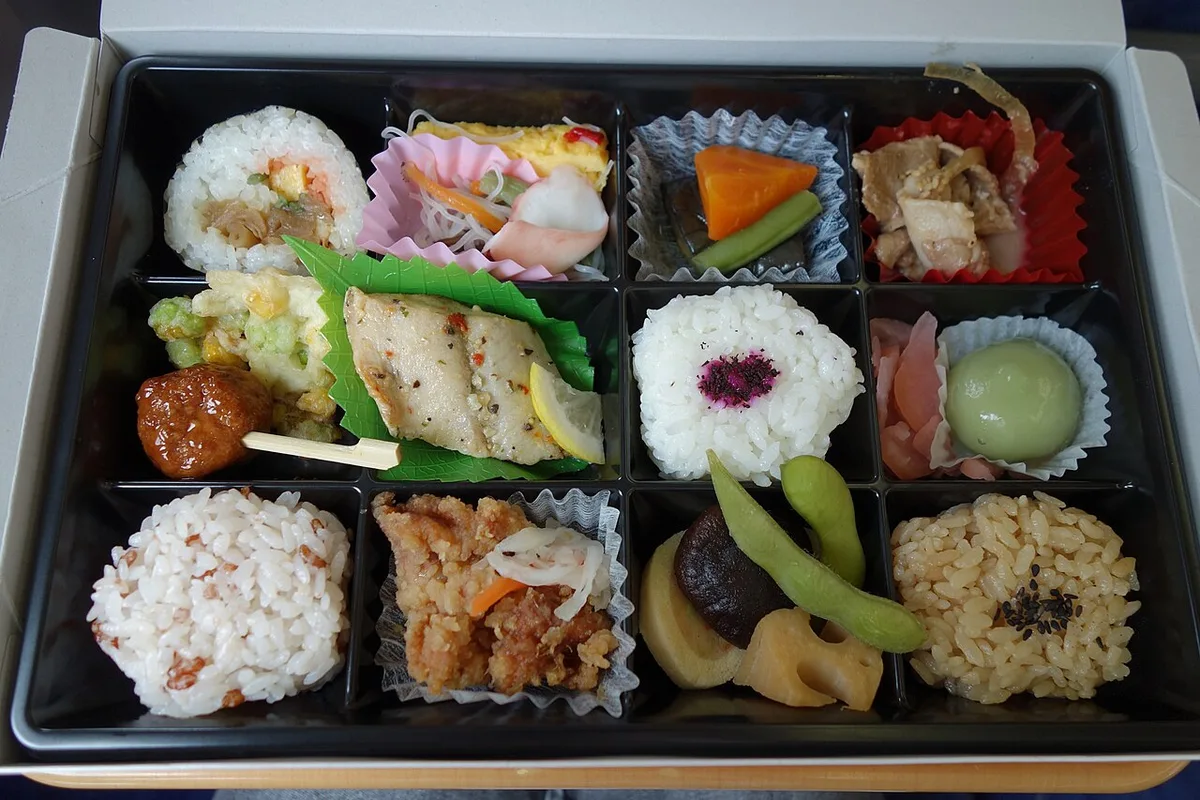
Momotaro Festival Sushi is the standby bento for travelers connecting through JR Okayama Station. It has been a long-seller there for more than 50 years, and Miyoshi Main Store lists it at around ¥1,000. Look for it at Sansute Okayama's second floor and on the station platforms. Setouchi Taste Club offers two more bento options: yellow chive barazushi at ¥950 and a kakushizushi version at ¥1,050. Jion Shosha also packs an Okayama Barazushi bento at ¥1,404, though it needs an order placed by the day before pickup. Other Tourism Federation member restaurants list barazushi anywhere from ¥756 at Inari Tokiwaya to a ¥2,500 set meal at Washuzan Rest House. Prices swing widely depending on portion size and ingredient quality. Beyond dedicated bento counters, prepared bara zushi also turns up in the prepared-food sections of supermarkets around the prefecture, according to Ministry of Agriculture, Forestry and Fisheries records on the dish.
Decision Matrix: Bento, Restaurant, or Premium Kappo Set
Three budget tiers cover almost every way to try Okayama bara zushi, and each one trades off differently on time, cost, and how much notice it needs. A station bento delivers the dish in minutes, but it comes as one fixed arrangement with no substitutions. Restaurant lunches add a wider mix of textures and temperatures, since several components arrive freshly prepared rather than packed hours earlier. Premium kappo sets, like the one at Kappo Mamakkari, use the full roster of separately prepared ingredients from the traditional recipe. That is why kitchens need lead time to source and season each component. Many travelers extend a barazushi meal with dessert nearby. The Okayama kibi dango sweets guide covers one option within the city. The Okayama fruit parfaits guide covers another, built around the region's orchards.
| Tier | Price | Reservation | Best For |
|---|---|---|---|
| Budget bento | ¥950-¥1,500 | None, buy on the spot | Shinkansen travelers with limited time |
| Mid-range restaurant | ¥1,600-¥3,000 | Usually none, but confirm per restaurant | A sit-down lunch in Okayama City or Kurashiki |
| Premium kappo | ¥4,000 and up | 1-2 days ahead, per restaurant policy | Travelers prioritizing an extensive Seto Inland Sea spread |
- Mackerel: salted, then marinated in vinegar.
- Conger eel: grilled in a teriyaki glaze.
- Mogai clams: washed and cooked separately.
- Dried shiitake mushrooms: simmered in their own seasoned broth.
Mistakes to Avoid When Ordering Okayama Barazushi
A few planning slips are easy to make with this dish.
- Don't assume every restaurant serves barazushi on demand. Jion Shosha needs an order placed the day before, and Kappo Mamakkari needs two days' notice.
- Don't expect it daily at every kitchen. Isshin Sushi only plates barazushi on Fridays.
- Don't confuse it with standard Tokyo-style chirashizushi. Okayama barazushi uses close to ten separately seasoned ingredients and a distinct vinegar mix, rather than a handful of toppings scattered over plain rice.
- Don't expect an identical recipe everywhere. Ingredients and seasoning vary by household, restaurant, and region, so no two versions of Okayama barazushi look or taste exactly alike.
Frequently Asked Questions
What is Okayama bara zushi made of?
Okayama bara zushi mixes vinegared rice with close to ten separately seasoned ingredients. Typical versions include Spanish mackerel, conger eel, mogai clams, shrimp, bamboo shoots, and burdock root, plus seasonal additions like butterbur in spring or matsutake mushrooms in autumn.
How is Okayama bara zushi different from regular chirashizushi?
Standard chirashizushi scatters a handful of toppings over sushi rice. Okayama bara zushi seasons close to ten ingredients separately, folds most of them into the rice, and arranges the rest on top, which gives it a denser, more layered flavor.
Do you need a reservation to eat Okayama bara zushi?
It depends on the restaurant. Azuma Zushi at Okayama Station takes walk-ins only and no reservations. Jion Shosha asks for an order the day before, and Kappo Mamakkari needs about two days' notice for its premium set.
What does kakushizushi, or hidden sushi, mean?
Kakushizushi refers to barazushi's original serving style. Cooks hid the seasoned toppings in the bottom of a tiered box, covered them with rice, then flipped the box over just before eating so the toppings ended up on top.
Where can you buy Okayama bara zushi as a takeaway bento?
Momotaro Festival Sushi is the main option, sold at Sansute Okayama's second floor and on the JR Okayama Station platforms. It has been a long-seller at the station for more than 50 years, priced around ¥1,000 at Miyoshi Main Store.
Free: The Okayama Essentials guide
Top things to do, where to stay, a perfect day plan, getting around, and the best time to go — a Okayama mini-guide you can take offline.
You might also like


Continue reading
More guides you'll find useful