

Noboribetsu Ryokan Dinner and Buffet Guide: Buffet vs. Kaiseki
Compare Noboribetsu ryokan dinner and buffet options for 2026: Hokkaido seafood buffets versus private in-room kaiseki, plus costs, timing, and access.
On this page
Last updated August 2026, this guide compares Noboribetsu ryokan dinner and buffet options before you book a stay. Half-board plans dominate this onsen town, and your dinner style shapes the evening more than room grade does. Compare service styles, timing, and costs below to match a plan to your travel style.
Noboribetsu Ryokan Dinner and Buffet: How Half-Board Works
Most Noboribetsu ryokan sell rooms on a half-board basis, meaning dinner and breakfast come bundled with the room rate rather than sold separately. Walk-in restaurants are rare inside these properties, so the meal plan you select at booking determines your entire dinner experience. Because dinner sits inside the room rate, non-guests generally cannot walk in for a meal alone. A few properties sell day-trip bathing separately, but that access does not usually include dinner. Two formats dominate: a buffet dinner with open seating, and an in-room kaiseki course served privately. Noboribetsu Grand Hotel dates to 1938 and once hosted Japan's Showa Emperor and Empress. Its own listing shows both formats side by side, along with breakfast buffets and an all-you-can-drink add-on. For a broader look at what the town serves beyond ryokan walls, see this Noboribetsu food guide.
The Buffet Experience: Hokkaido Seafood and Live Cooking Stations
A Noboribetsu ryokan buffet leans heavily on Hokkaido produce. Expect crab, sashimi, and grilled Jingisukan lamb alongside regional dairy desserts. Some dinners mix self-service stations with live cooking, so tempura and grilled seafood arrive hot instead of sitting under a heat lamp. For a deeper rundown of what typically fills the trays, check this Hokkaido seafood dishes guide. Dairy-based desserts get their own spotlight in this dairy sweets guide. Many properties also sell an all-you-can-drink add-on for dinner. Compare it against local beer and budget food options if you plan to drink on other nights too.
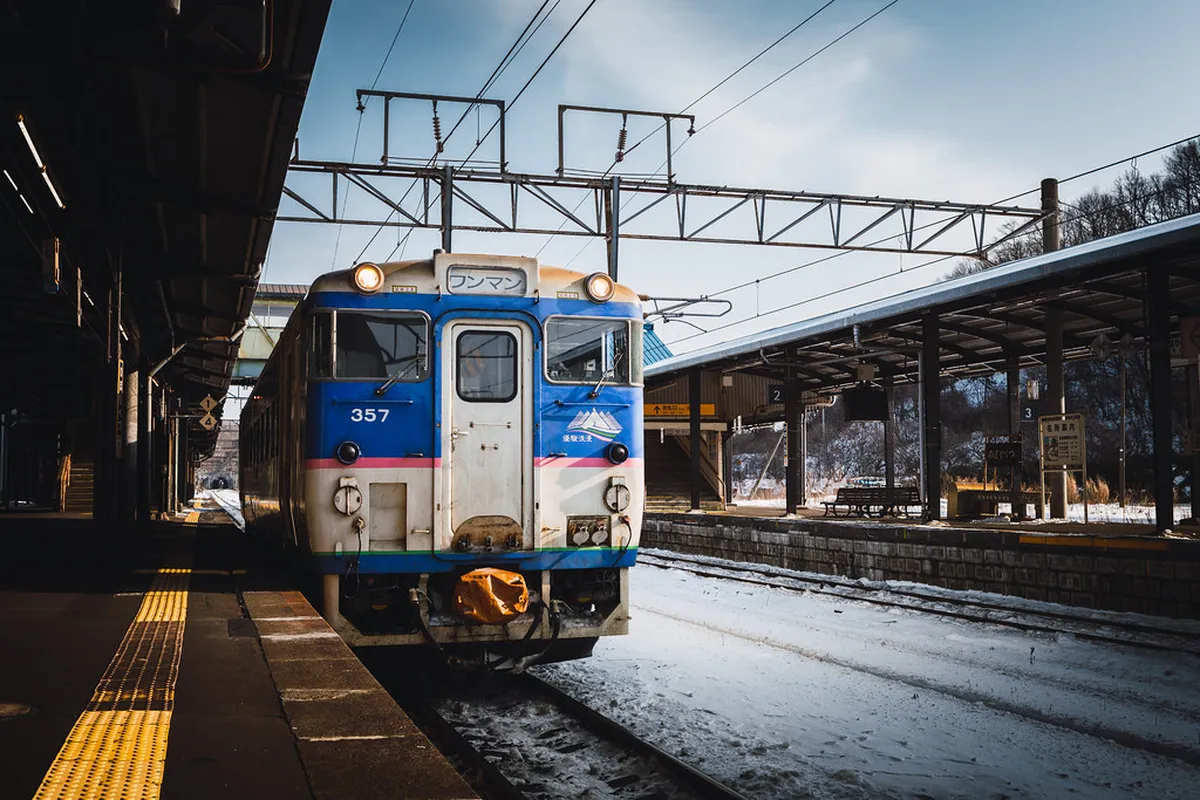
- Hokkaido crab and sashimi, usually the anchor dishes of the spread
- Jingisukan (grilled lamb), a Hokkaido specialty cooked tableside or at a station
- Local dairy desserts, from soft serve to cheese-based sweets
- Live cooking stations for tempura and grilled seafood, served hot rather than pre-plated
- An all-you-can-drink (nomihodai) add-on, usually booked alongside the dinner plan
In-Room Kaiseki: Private, Multi-Course Dining
In-room kaiseki swaps the buffet hall for a private meal, served over several courses at your own pace. A typical sequence opens with seasonal appetizers, moves through sashimi and simmered dishes, and closes with a Hokkaido wagyu or seafood course. Staff bring each course to the room in sequence rather than plating everything at once. Some properties, including Noboribetsu Grand Hotel, reserve a separate dining room only for suite-tier bookings, apart from the general hall. This format suits travelers who want a slower, quieter evening built around pacing rather than variety.
Room Types and Where You'll Eat
Room category shapes your dining setup at some properties, not just your dinner format. Noboribetsu Grand Hotel lists Japanese-style rooms, Japanese-Western combination rooms, twin-bedded rooms, and other Western-style rooms, adding up to 241 guest rooms in total. Suites add a private cypress-wood bath and use a dining area reserved only for suite guests, separate from the general buffet hall. Standard Japanese-style and twin rooms use the shared dining spaces instead, whether you book the buffet or an in-room kaiseki course. Confirm the room category when you book if a specific bath-in-room setup or suite-only dining matters to you.
- Japanese-style rooms: traditional tatami layout, the largest room category by count
- Japanese-Western combination rooms: blended layout with both futon and bed options
- Twin-bedded rooms: standard Western-style bedding
- Suites: private cypress-wood bath plus a dedicated suite-only dining area
Buffet vs. In-Room Kaiseki: Which Should You Book?
The right choice depends on group size, pace, and how much you want dinner itself to be part of the entertainment. Families and groups with mixed tastes usually do better at a buffet, where everyone picks their own portions. Couples and travelers who want a slow, private evening tend to prefer in-room kaiseki. Children also tend to do better with a buffet's flexibility, since there is no fixed course to sit through. Use the table below to match your priorities against each format.
| Dining Style | Best For | Format | Price Tendency |
|---|---|---|---|
| Buffet dinner | Families, groups, big appetites, first-time visitors | Self-service stations plus live cooking for tempura and grilled seafood | Included in standard half-board tiers |
| In-room kaiseki | Couples, quiet-pace travelers, traditionalists | Multi-course meal delivered to the room in sequence | Typically priced at higher half-board tiers |
Breakfast Buffet: The Other Half of Your Half-Board Plan
Half-board covers breakfast as well as dinner, and most ryokan run breakfast as a buffet too. Expect a mix of Japanese and Western dishes, from grilled fish and rice to bread and eggs, plus a fresh salad bar. Suite guests at some properties, including Noboribetsu Grand Hotel, eat breakfast in the same dedicated dining area used for suite dinners, with a choice between Japanese and Western set menus. Standard rooms typically use the general breakfast buffet instead. Breakfast timing tends to be more flexible than dinner, since there is no equivalent rush for fresh trays before the standard 10:00 checkout.
Timing Your Noboribetsu Ryokan Dinner
Check-in at most ryokan, including Noboribetsu Grand Hotel, is set at 15:00, with checkout at 10:00 the next morning. Arriving well before dinner matters more for a buffet than for in-room kaiseki, since the freshest trays come out early in the service window. Buffet service commonly runs within a window such as 18:00 to 20:30, though exact hours vary by property, so confirm the cutoff at booking. In-room kaiseki has more flexibility once you're checked in, since staff bring the meal to you rather than the other way around. Bathing before dinner is standard practice, and a late check-in can compress that routine into a rush. Booking your meal plan in advance, rather than deciding after arrival, keeps both formats available.
Arriving from New Chitose Airport (roughly 60 minutes by car) lands you just before the 15:00 check-in. With dinner service commonly ending around 20:30 and bathing before dinner standard practice, late-arriving guests risk a rushed onsen-to-dinner routine.
Getting to Your Ryokan: Bus, Car, and Airport Transfers
Transit timing affects whether you make the buffet cutoff, especially if you're arriving straight from Sapporo or the airport. Noboribetsu sits within a short run of JR Noboribetsu Station, New Chitose Airport, and the Hokkaido Expressway, and each route carries its own timing to plan around. Build in a buffer if your train or flight lands close to check-in, since a missed connection can push you into the tail end of buffet service. If you'd rather eat a casual lunch on arrival day before switching to ryokan dinner, this Enma yakisoba guide covers a nearby option.
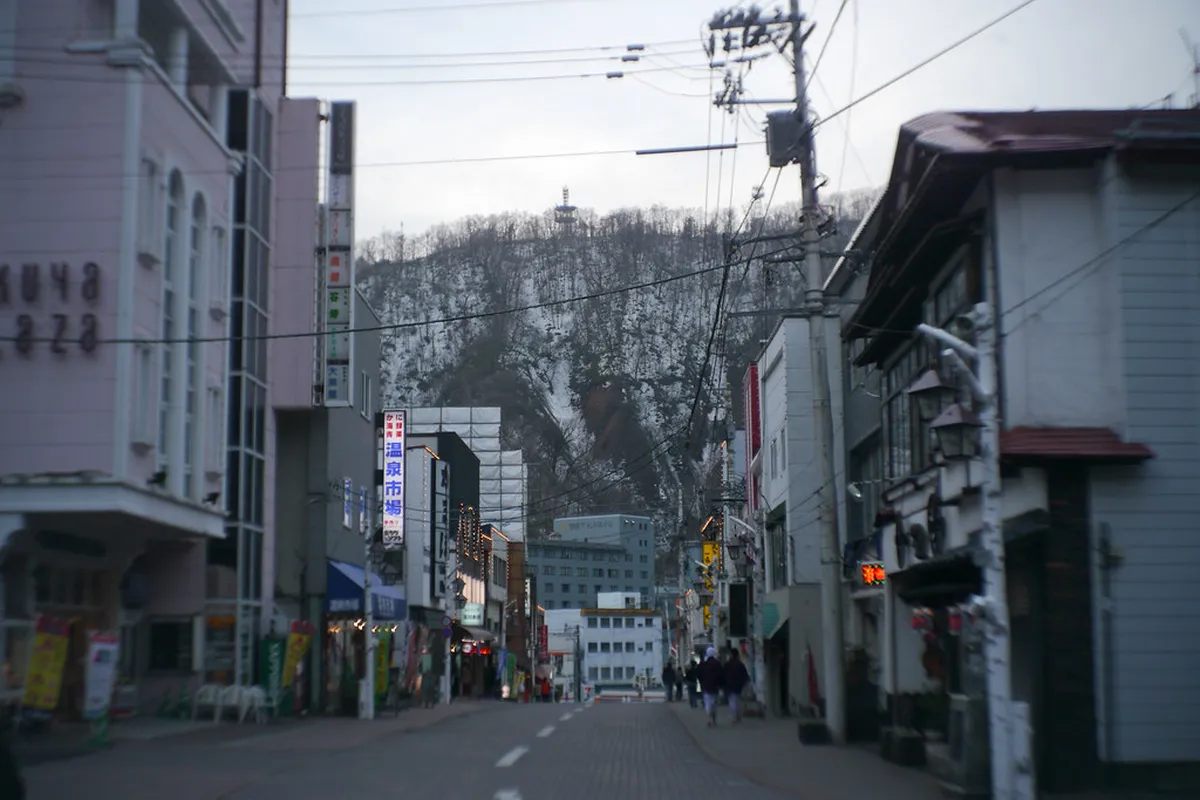
- JR Noboribetsu Station to the onsen village: about 15 minutes by local bus
- New Chitose Airport to the onsen village: roughly 60 minutes by car or airport bus
- Noboribetsu East IC (Hokkaido Expressway) to the onsen village: about 10 minutes by car
- Sapporo to the onsen village: around 100 minutes by car
- On-site parking at some properties: free of charge, with capacity for around 200 cars
Costs, Bathing Tax, and Booking Notes
Half-board pricing spans a wide range depending on room grade and meal tier. At Noboribetsu Grand Hotel, the standard half-board rate runs ¥10,500 to ¥63,000 per person, tax and service charge included, according to the Japan Ryokan and Hotel Association listing. Expect a separate bathing tax added at checkout on top of that rate. Notify the ryokan of any food allergies when you book, since buffets flex more easily than a fixed kaiseki menu, and some properties ask for several days' notice. Payment typically runs through major credit cards, including Visa, Mastercard, and JCB, though the transaction itself is processed in Japanese yen. The same listing shows support for English, Chinese, and Korean, which can matter if you're booking or checking in without a Japanese-speaking companion.
- Half-board standard rate: ¥10,500 to ¥63,000 per person, tax and service included
- Bathing tax (onsen-zei): a separate per-night charge settled at checkout
- Day-trip bathing entry for non-guests: ¥1,500 per person where offered
- Private reserved bath: ¥3,150 per session, booked by the day of arrival
- Child rates: typically discounted below the adult half-board range and scaled by age band; confirm the current policy with the ryokan when booking
- Allergy or dietary notice: flag it at booking, since buffets adapt more easily than fixed kaiseki courses
The Onsen-to-Dinner Routine: Bathing Before You Eat
Most guests bathe before dinner rather than after, since a soak works better on an empty stomach and sets up the yukata-clad walk to the dining hall. Noboribetsu's springs come in three main types: sulfurous, salt, and chalybeate, or iron. Noboribetsu Grand Hotel's baths draw on this same mix, split between an indoor hall and an open-air section. Day-trip bathing costs ¥1,500 per person where a property allows it, and a reserved private bath runs ¥3,150 for one session, booked by the day of arrival. After bathing, most guests change into the in-room yukata before heading to the buffet hall or waiting for the in-room kaiseki course to begin. Some properties keep a bar open into the night for a drink after dinner service ends. Jigokudani, the volcanic valley that feeds these springs, sits close enough to fold into the same visit. Lake Kuttara, a roughly 8-kilometer-circumference caldera lake, and Noboribetsu Bear Park round out the area's main sights. The Noboribetsu attractions guide covers all three in more detail.
Common Mistakes to Avoid When Booking Ryokan Dinner
A few planning slips repeat often enough to call out directly. Most trace back to timing or to assumptions about how the meal plan works rather than to the food itself. Confirm the meal plan, arrival time, and any dietary notes when you book. The rest of the evening, from bath to dinner service, should run on schedule from there.
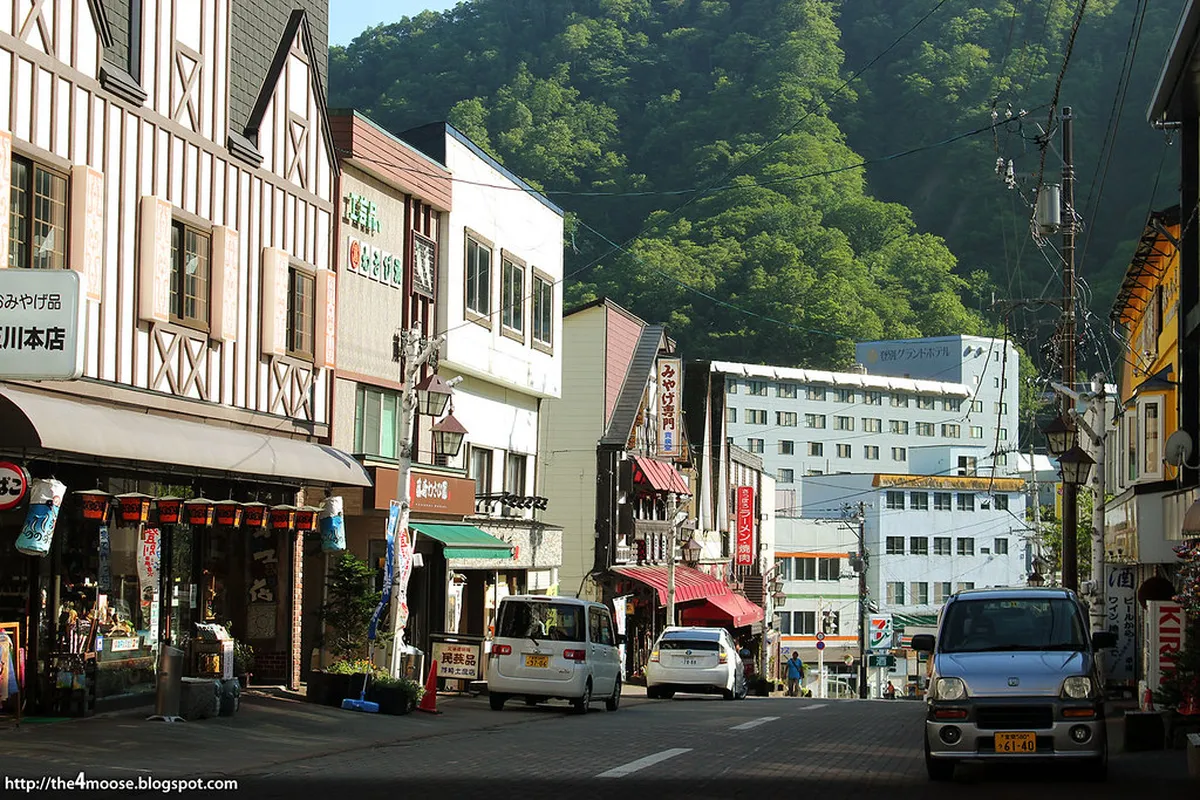
- Arriving after the buffet cutoff: a late train or an extended onsen soak can push you past the freshest service window
- Assuming a walk-in restaurant exists: most ryokan sell dinner only as part of a half-board package booked in advance
- Confusing in-room service with the sleeping area: some in-room kaiseki is served in a separate dining alcove, not on the futon, so check the room type when booking
- Skipping the dietary notice: allergies flagged at booking are easier to accommodate than requests made at check-in
- Booking dinner-only without checking breakfast: half-board normally bundles both meals, so confirm what's actually included before you pay
- Not confirming the buffet's last-entry time: some properties stop seating earlier than the venue's stated closing time
Frequently Asked Questions
Can non-guests dine at a Noboribetsu ryokan?
Dinner service is usually reserved for staying guests booked on a half-board plan. Some properties sell day-trip bathing separately for around ¥1,500 per person, but that covers the baths, not the dining room. Confirm directly with the ryokan if you want to combine a day visit with a meal.
How much does a Noboribetsu ryokan dinner and buffet cost?
At Noboribetsu Grand Hotel, the standard half-board rate runs ¥10,500 to ¥63,000 per person, tax and service charge included, according to the Japan Ryokan and Hotel Association listing. The exact figure depends on room grade and which meal tier you select. A bathing tax is typically added separately at checkout.
Do you choose the buffet or kaiseki meal plan when you book?
Yes, most ryokan lock in the dinner format at the time of reservation. Meal options at Noboribetsu Grand Hotel, for example, list buffet dinner, dinner in the guest room, dinner in a restaurant, and an all-you-can-drink add-on as separate selections. Confirm which plan is included, since swapping formats after arrival is not always possible.
What time should you arrive for a Noboribetsu ryokan dinner buffet?
Arrive well before your check-in deadline, typically 15:00, so there's time to bathe before dinner. Buffet service commonly opens in the early evening, and the freshest trays come out at the start of the window. If you're arriving from JR Noboribetsu Station, budget about 15 minutes by local bus to reach the onsen village.
Can Noboribetsu ryokan accommodate food allergies?
Many properties can adjust menus for allergies or dietary restrictions with advance notice. Buffets tend to offer more flexibility than a fixed kaiseki course, since you can skip dishes rather than request a substitution. Flag any restrictions when you book rather than waiting until check-in.
Is dinner always included when you book a Noboribetsu ryokan?
Half-board, which bundles dinner and breakfast, is the dominant booking pattern in Noboribetsu. Some rates are sold room-only instead, especially through third-party booking sites, so check what a specific rate includes before you pay. If dinner isn't listed, ask directly whether the property can add it.
Free guide: Japan's Hidden Gems
12 under-the-radar places beyond Tokyo & Kyoto — with the best season to visit each and a local tip you won't find in the guidebooks.
You might also like


Continue reading
More guides you'll find useful


